Stone Wall Uncovered in the Baltic Sea May be the Largest Stone Age Megastructure in Europe
Thanks to students in Germany who were working on a training exercise in the Baltic Sea, possibly the largest megalithic structure in Europe has been found deep below the surface.
The surprise discovery is still considered a mystery, though thanks to anthropologists and archaeologists around the world, they have a fairly good idea of when this giant structure was built and even what it was used for.
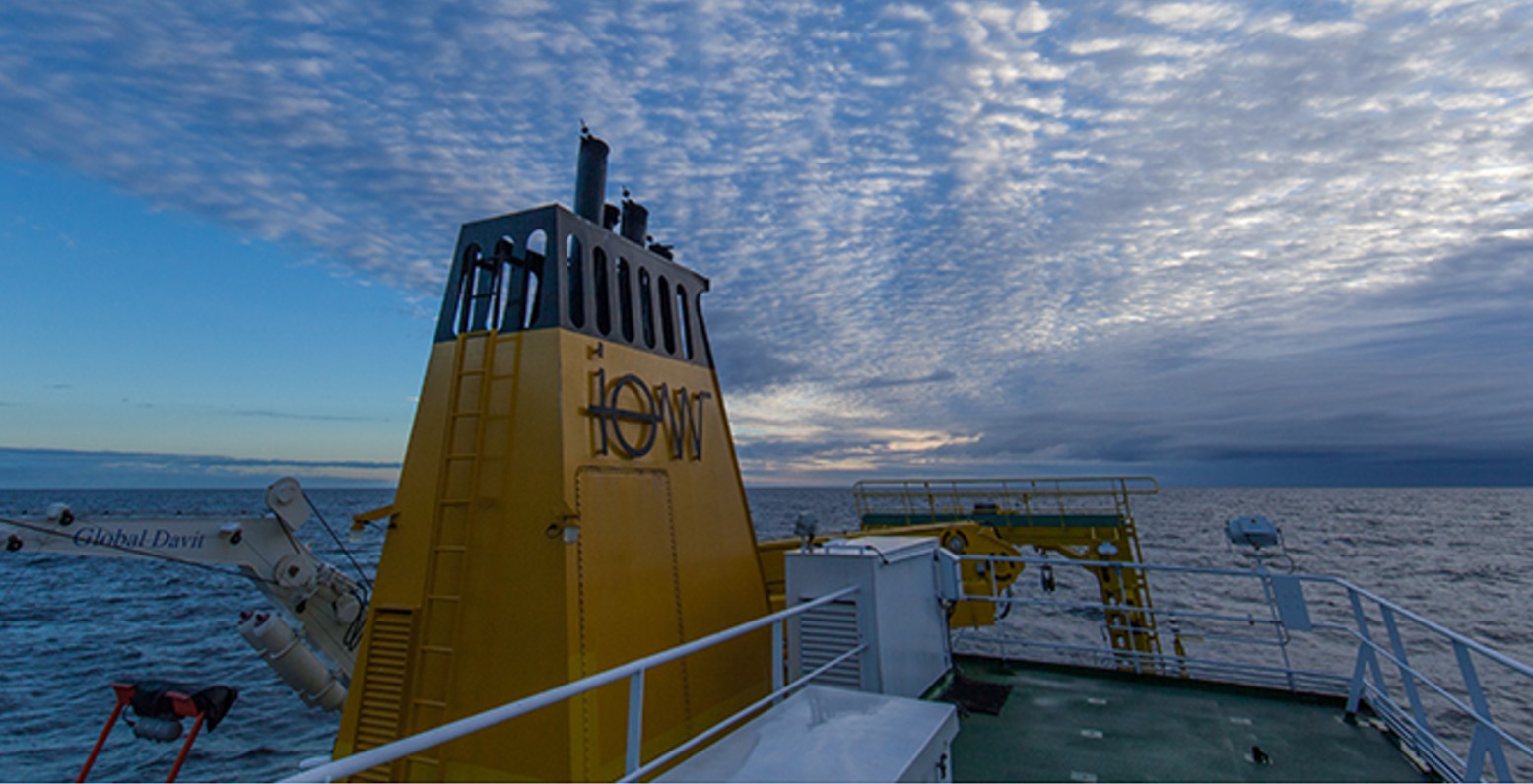
In 2021, students at the Leibniz Institute for Baltic Sea Research Warnemünde in Germany were following instructions from geophysicist Jacob Geersen and using a multibeam sonar machine to map the floor of the freezing sea.
And they found something absolutely incredible: A giant wall 3,185 feet long, 68.8 feet below the water’s surface. Additionally, when analyzing the structure in the lab, they realized it didn’t look naturally made.
Geersen reported that he and his team had no idea what the structure could be and didn’t initially assume it was something historically important. He told the press, “It was only when we contacted the archaeologists that we understood it could be something significant.”
But shortly after the archaeologists told them that it likely was something important, Geersen and his team decided to immediately send a camera deep down into the Baltic Sea to investigate the mysterious structure.
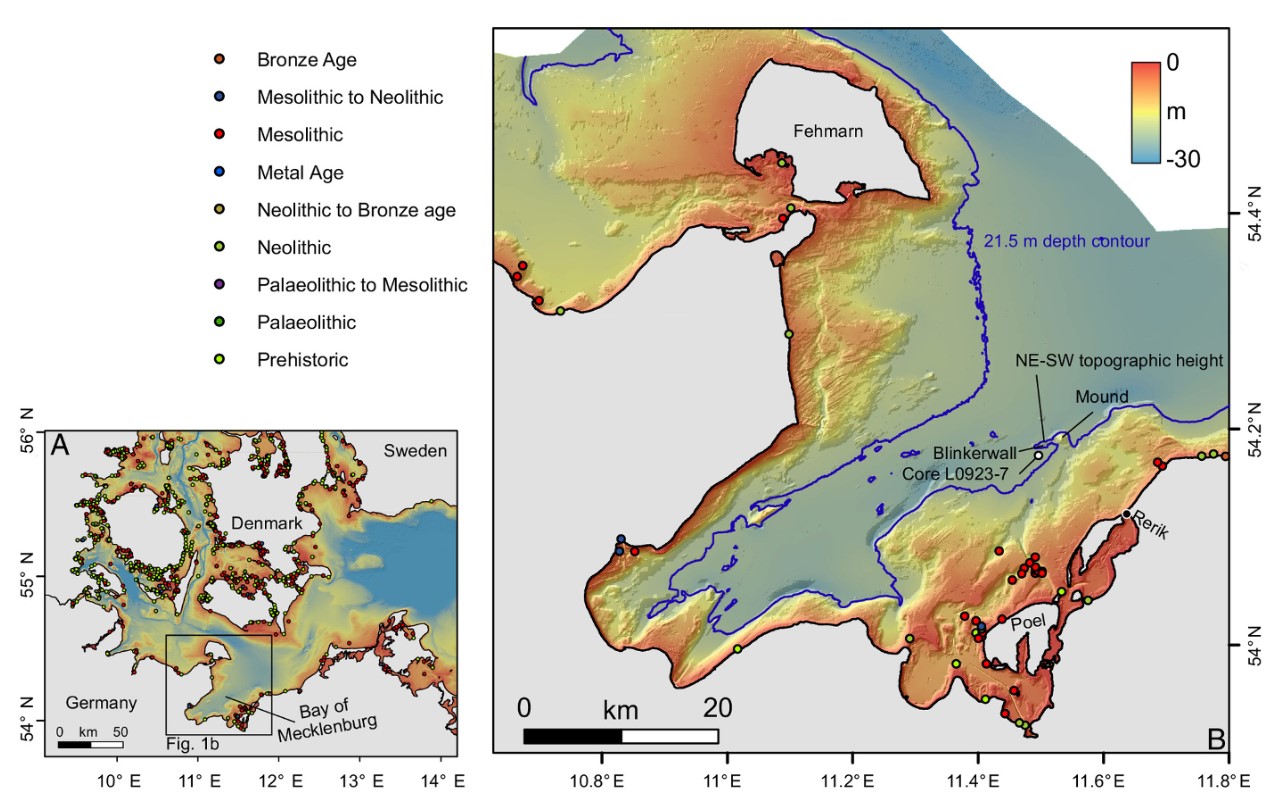
One of the archaeologists they contacted, Marcel Bradtmöller from the University of Rostock in Germany, explained that because of its unique shape, the wall was almost certainly made by human hands.
Bradtmöller also noted that because the wall was most likely built on dry land, not underwater, it had to have been constructed between 8,500 and 14,000 years ago. Before then, it wouldn’t have been possible as that land was completely covered in ice, and after, the sea levels rose too high to build.
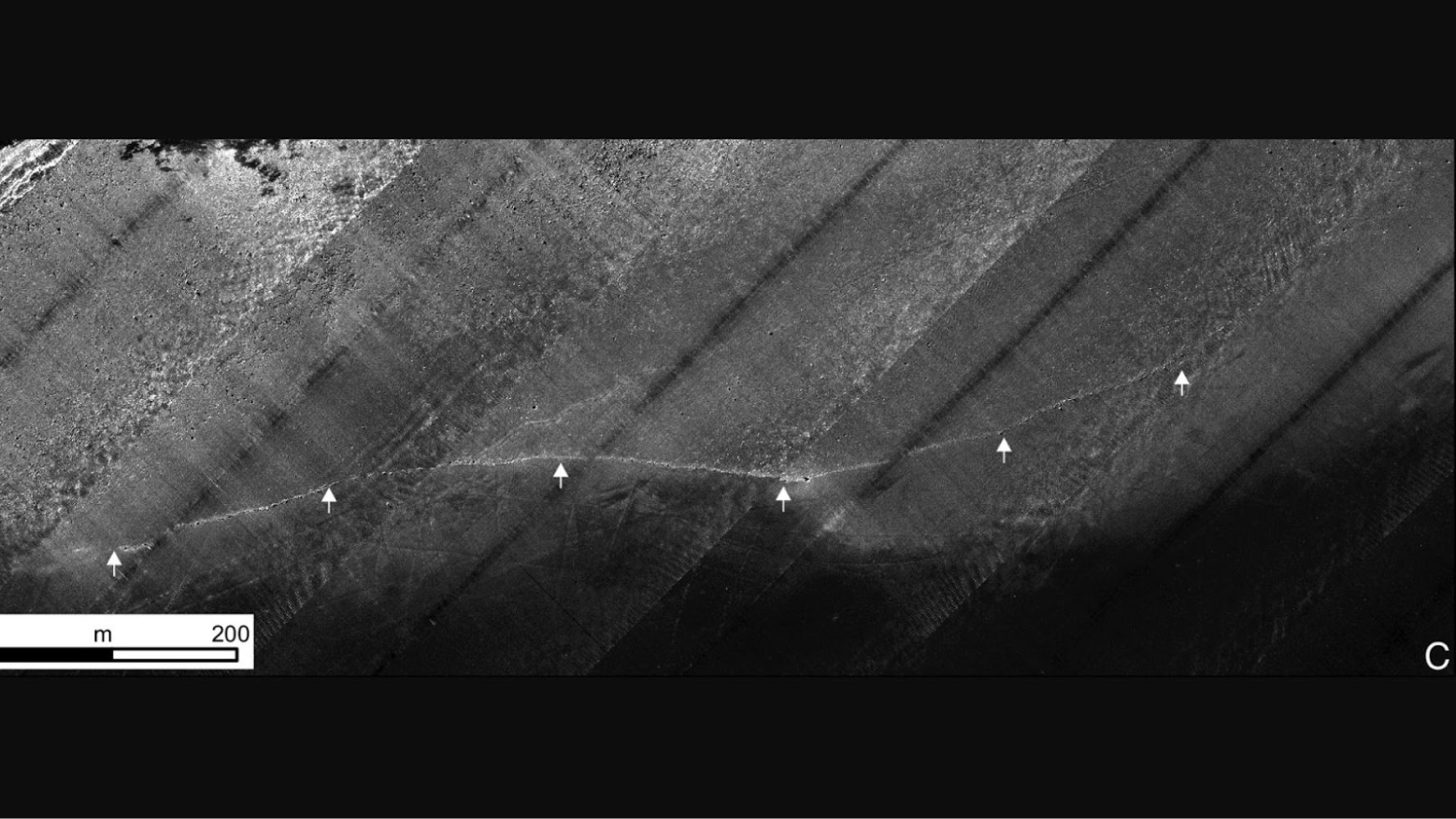
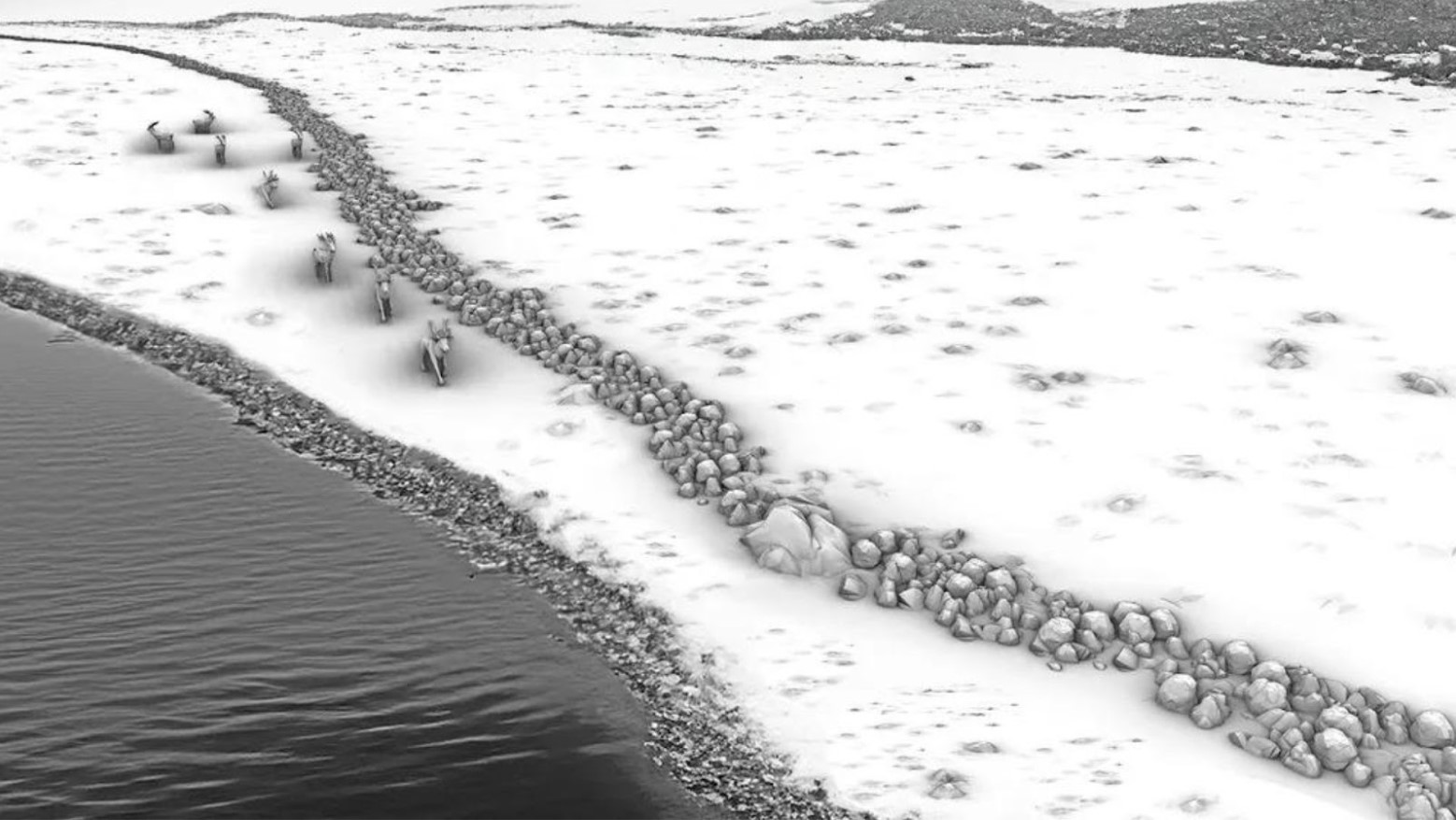
After analyzing the video footage of the wall, several teams of scientists were able to determine it was made out of 1,673 individual stones, most of which were smaller than 3 feet in height and weighed less than 220 pounds, placed intentionally side by side.
However, 10 of the stones were much larger, weighing several tons and measuring up to 10 feet in length. These 10 stones seemed to be specifically placed where the call changes angles. This, in turn, led researchers to assume the construction crew chose to connect the larger existing rocks with smaller ones that were easier to move.
Who Built This Giant Wall?
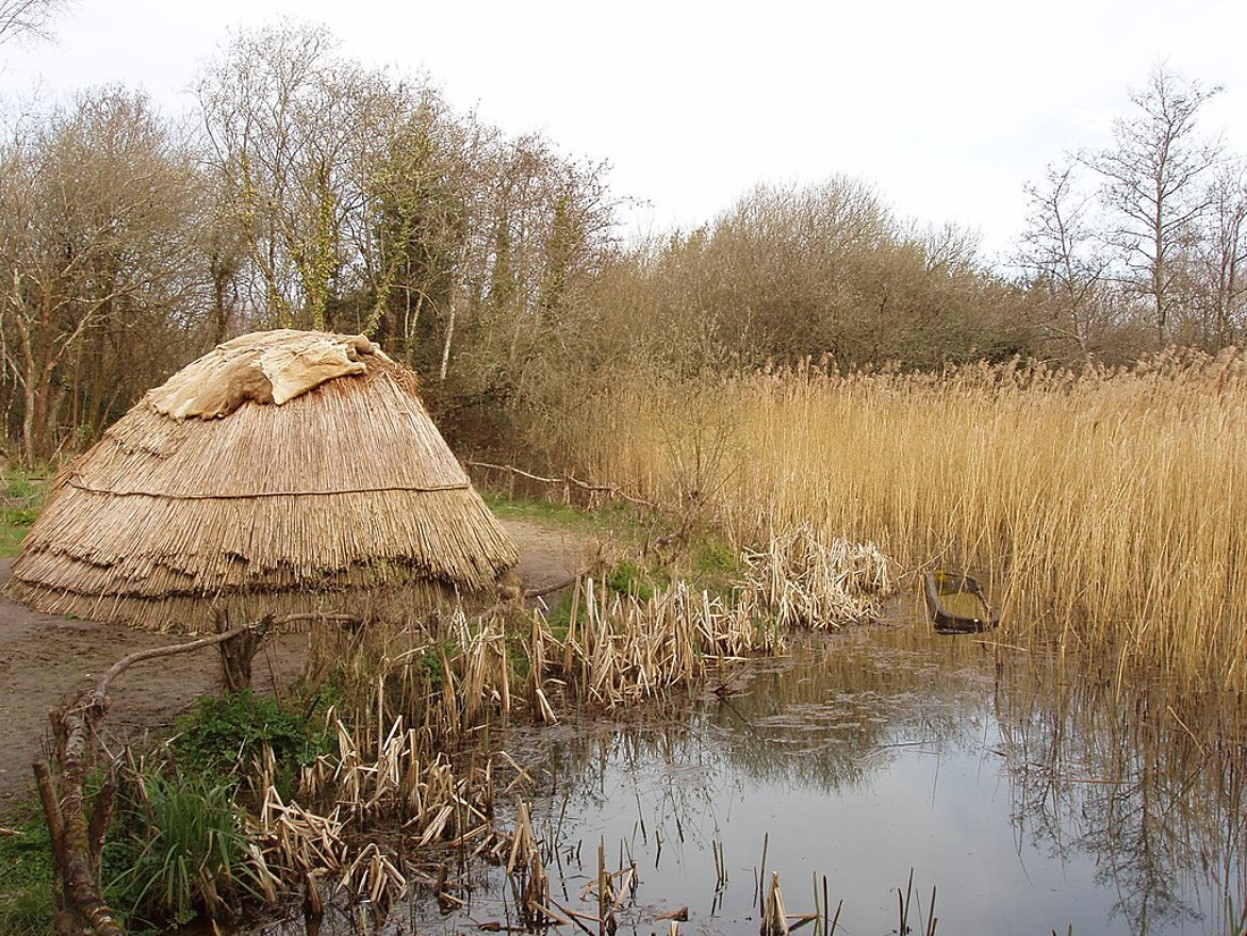
Now that they fully understood the engineering of the wall, the next step was to try to figure out who built it.
And because of its location, as well as the estimated timeframe of its construction, their best guess was that it was made by Mesolithic hunter-gatherers known to historians around the world as the Kongemose culture.
The Kongemose Are Understood to Have Been a Nomadic People
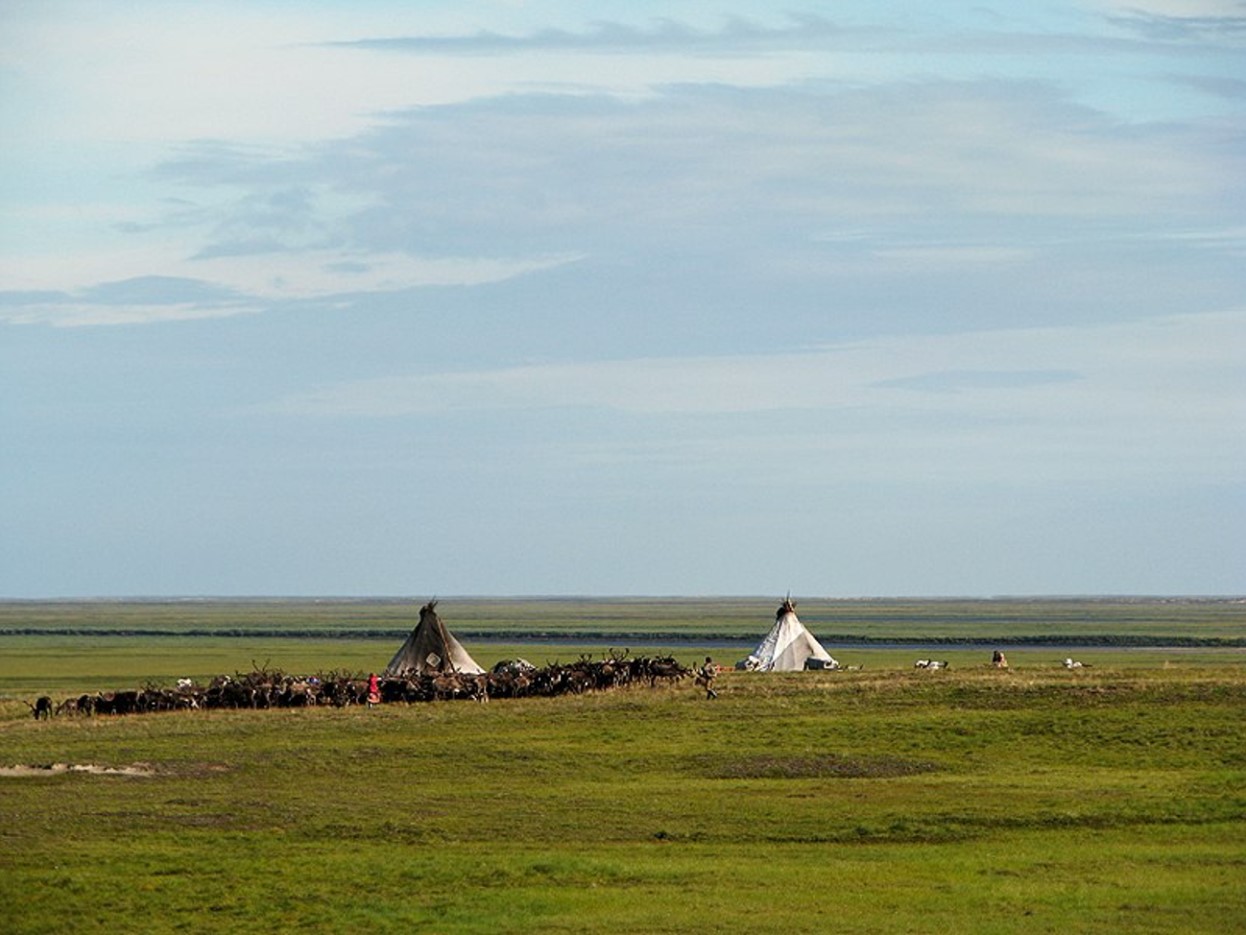
According to years of research, academics have always believed that the Kongemose people were nomadic and moved from place to place to ensure they had a consistent supply of food.
However, there are also some who theorize the small groups of nomads may have banded together during migrations or in certain locations to hunt together.
Ancient Reindeer or Caribou Migrations
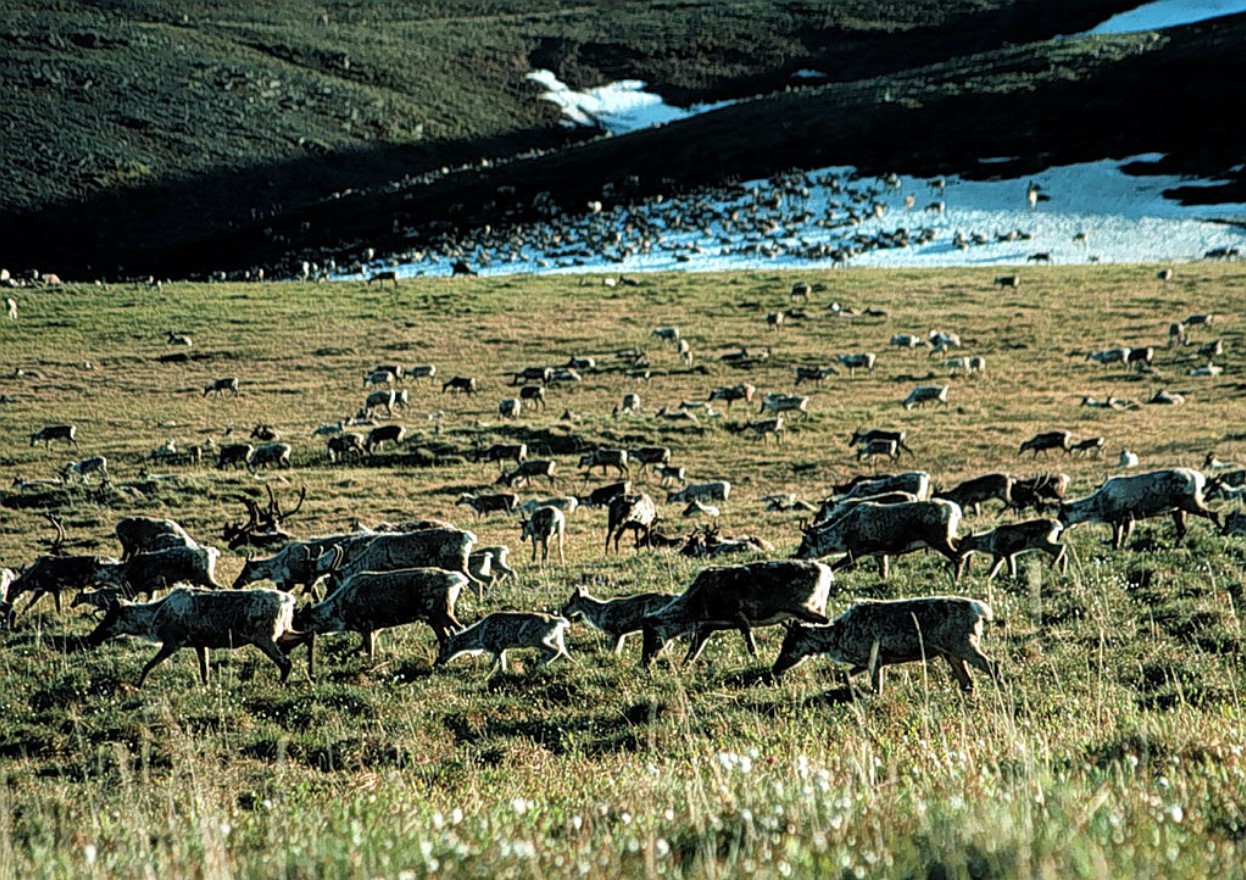
In ancient times, there were vast herds of animals, such as caribou or reindeer, that migrated through Europe. And now, experts believe this underwater structure may indicate that the Kongemose people once built rock walls to trap them.
Top archaeologist Bradtmöller said, “The hypothesis that, at the moment, fits best is a driving wall for hunting,” and other experts agree. Archeologist George Bailey from the University of York explained, “I think the case is well made for the wall as an artificial structure built to channel movements of migratory reindeer.”
How Would a Rock Wall Trap a Large Reindeer?
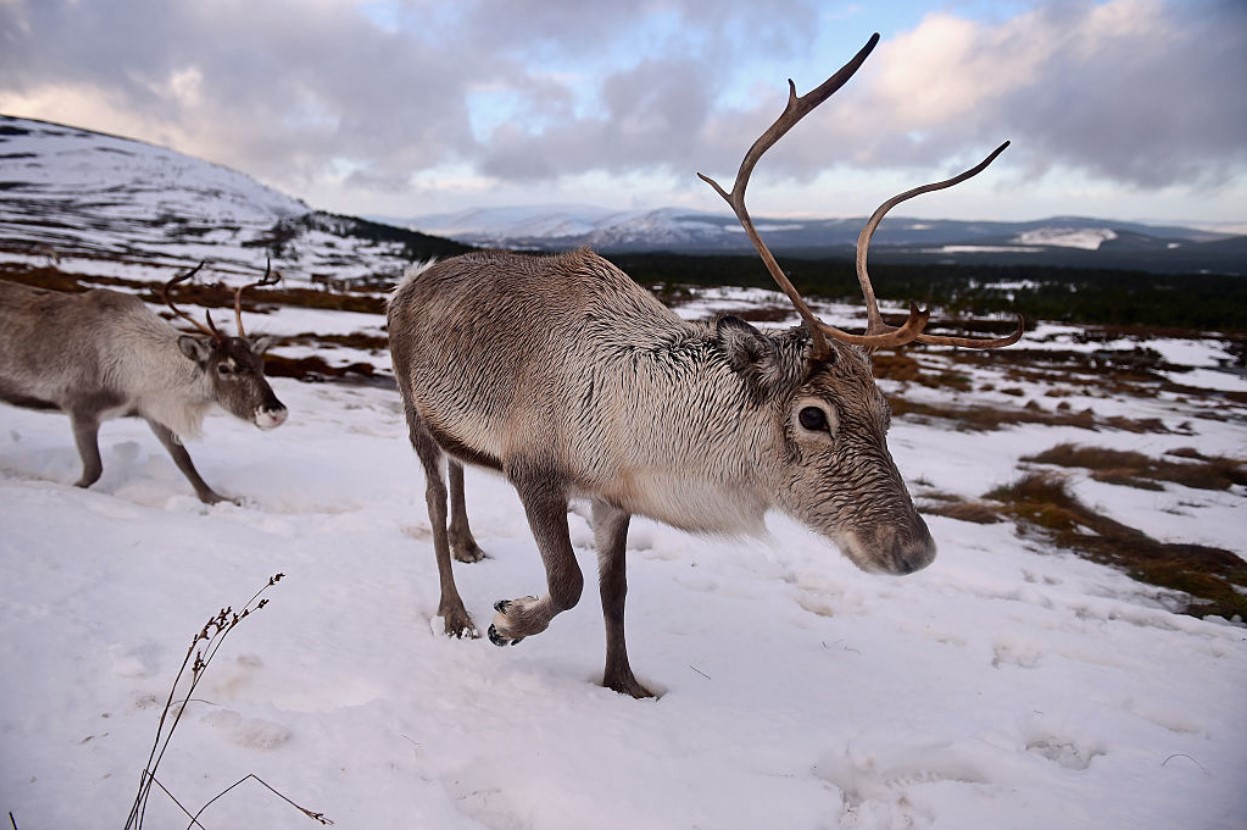
Anyone who has seen a deer jump understands that these animals can launch themselves incredibly high in the air and would undoubtedly be able to escape a wall only 3-10 feet high.
However, as Marlize Lombard from the University of Johannesburg in South Africa explained, reindeer, caribou, antelope, and other such species don’t typically jump when they’re moving in a herd. She said in a statement, “In such circumstances, they tend to run parallel to obstacles such as low fences, instead of traversing them.”
This Is Not the World’s First Entrapment Wall to Be Discovered
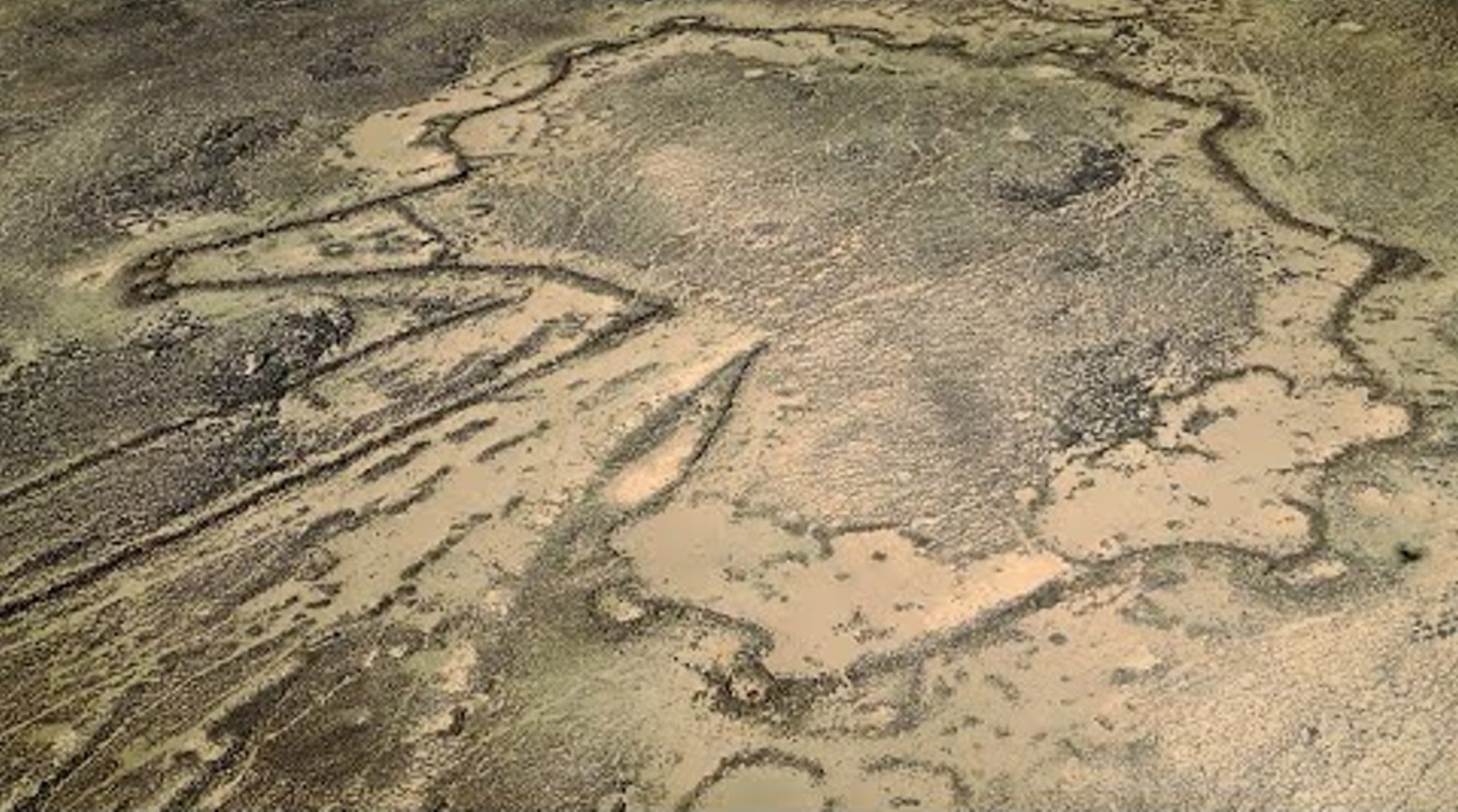
It’s important to understand these hypotheses are not based on conjecture; there is a great deal of evidence on several continents that shows ancient humans used rock walls to hunt and trap groups of animals.
These kinds of walls are often found in Africa, where they call them “desert kites.” There, the structures are often in a V-shape. And while experts have noted that a singular wall would be effective, which could mean the other side of the wall is still waiting to be discovered in the Baltic.
This Discovery Could Help Archaeologists Around the World Confirm Their Own Findings
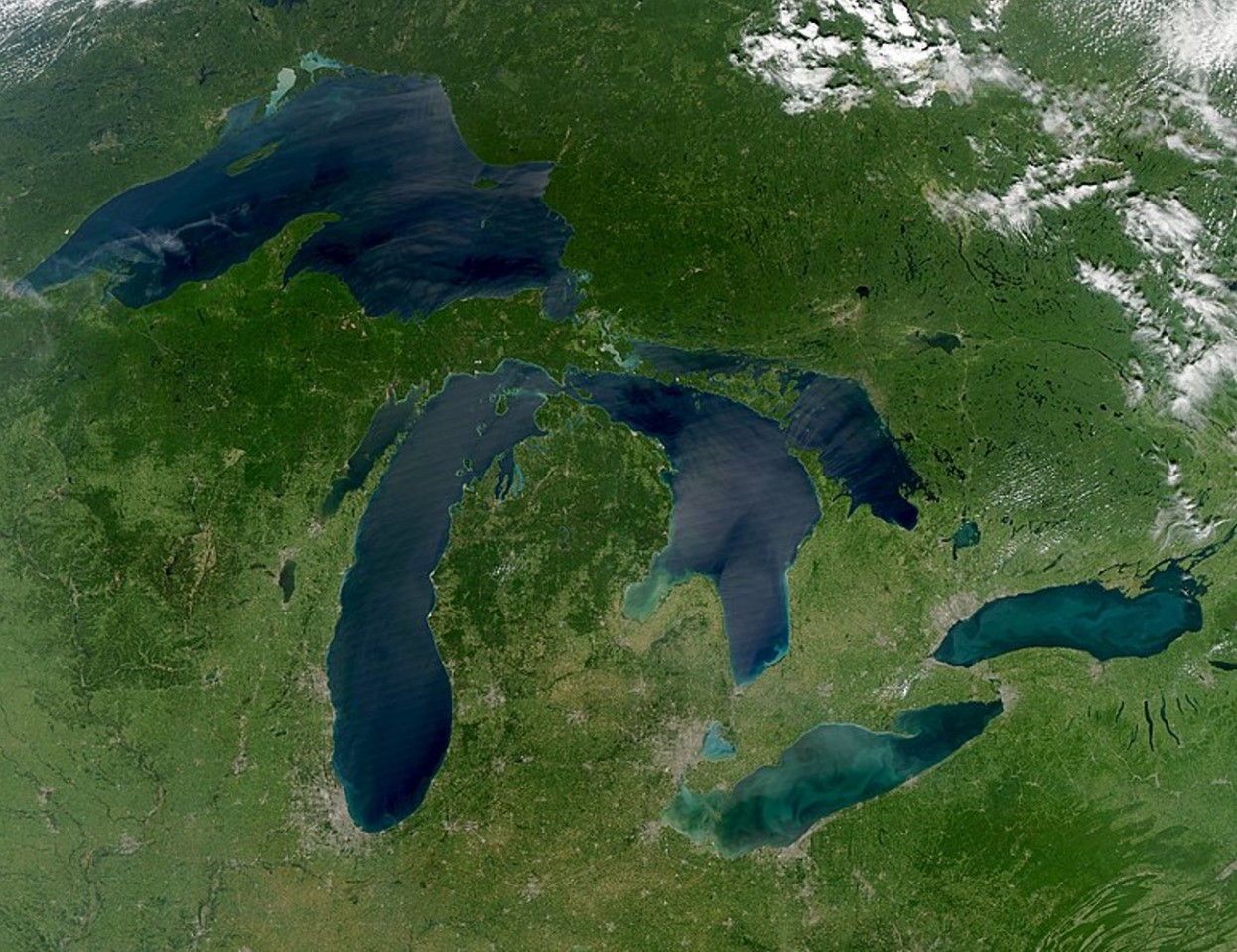
What’s especially interesting about this wall is that similar structures have been found below the Great Lakes in North America.
And as Vincent Gaffney from the University of Bradford in the UK explained, "This has very great implications for areas of the coastal shelves which were previously habitable."
What Other Historical Monuments Sit Below the Icy Surface of the Baltic Sea?
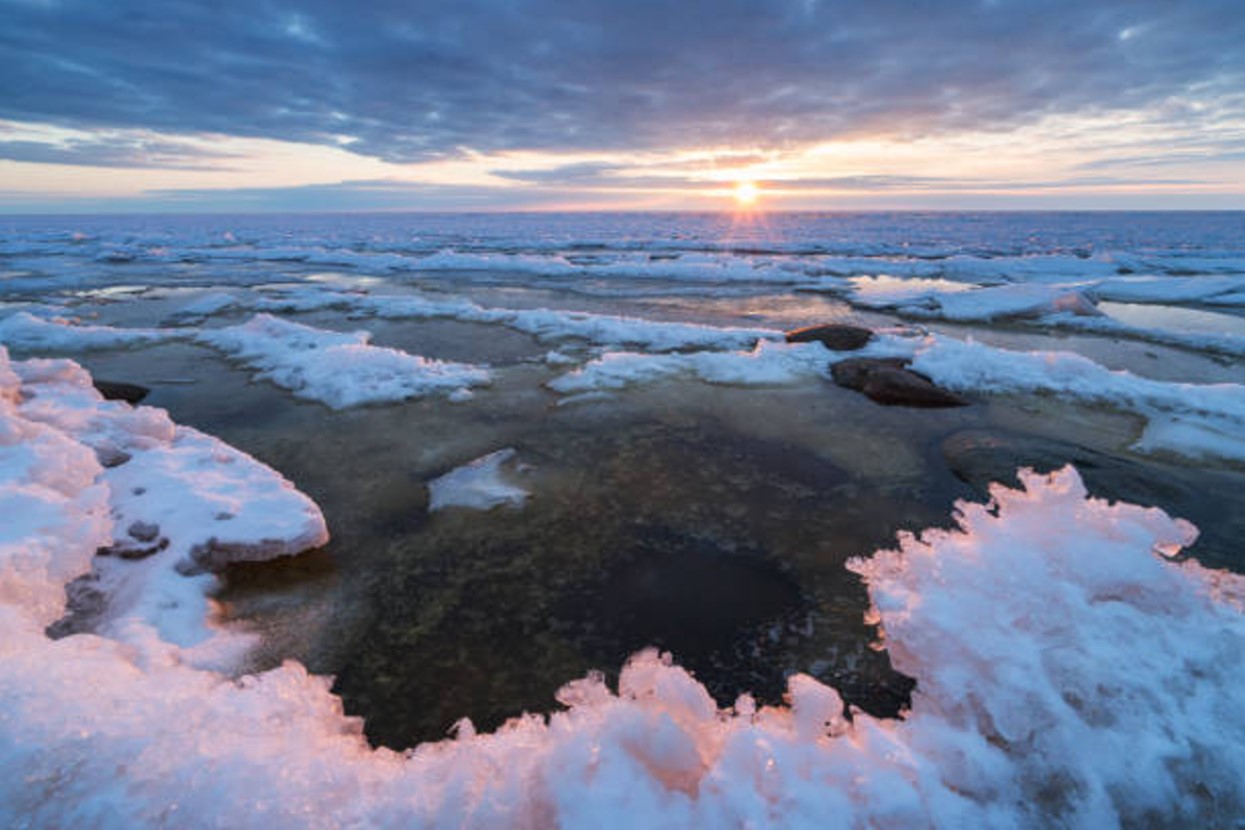
No other wall-like structures similar to this one have been found in Europe, but clearly, that doesn’t mean they are not there.
In fact, there could even be more pre-historic walls below the icy Baltic Sea. Experts in several fields of study agree that more investigations of this body of water and others along ancient coastlines should be conducted as soon as possible to find out more about what life was like for our ancient ancestors.