The Mystery Behind Minos and Bull-Jumping
It has long been believed that the Minoans started the unique sport of bull-jumping. However, some people aren’t convinced.
If bull-jumping were a real sport, then other traditional bull-related sports, such as bullfighting in Spain, would have developed their roots in the Minoan civilization.
The Minoan Civilization Is From Crete
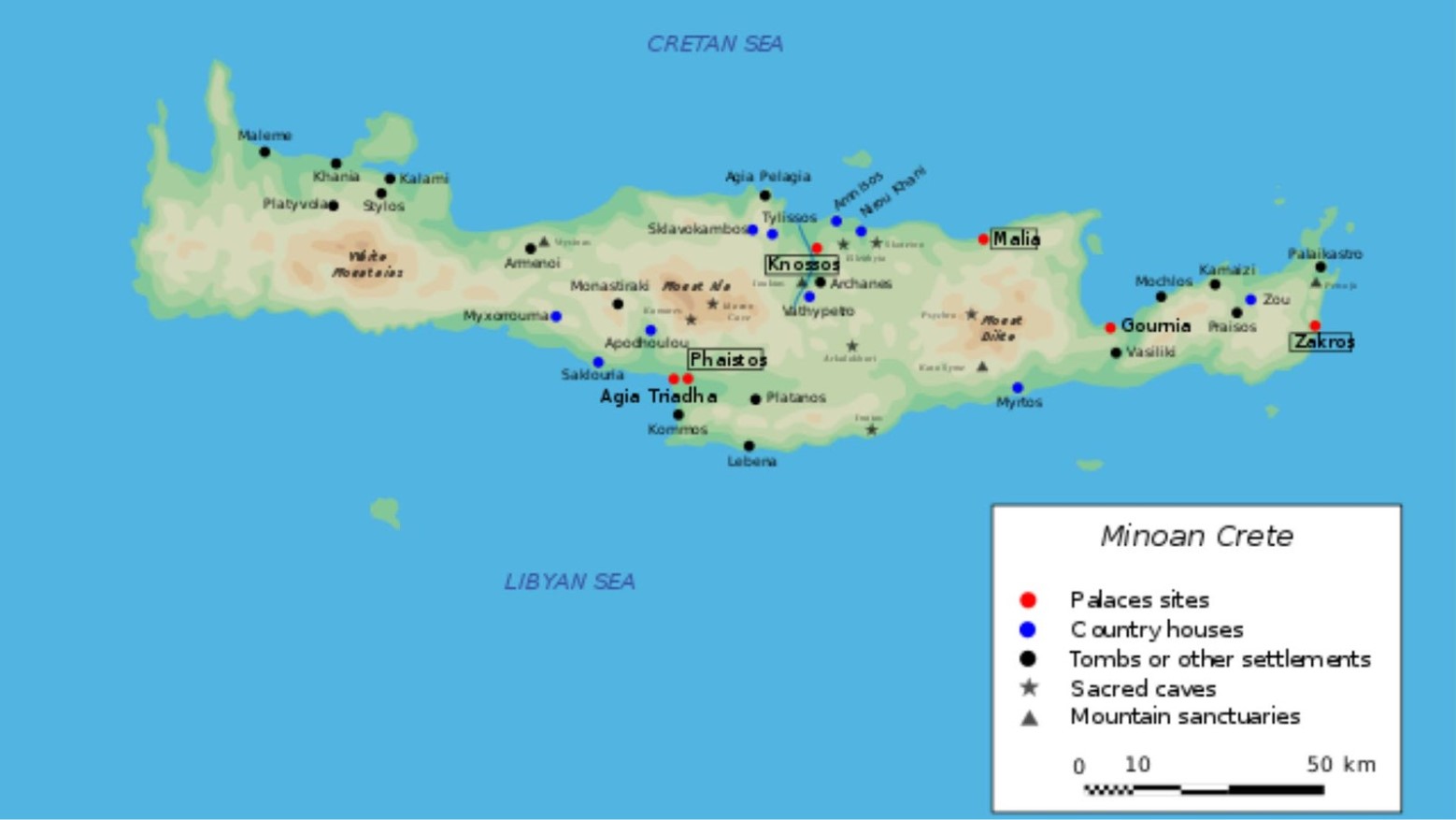
Digital Maps of the Ancient World states that the Minoans were an ancient civilization that originated from the island of Crete in Greece, around 4,000 years ago.
They achieved things such as advancing art and culture. However, they mysteriously disappeared, never to be seen again.
Minoans Were Fascinated by Bulls
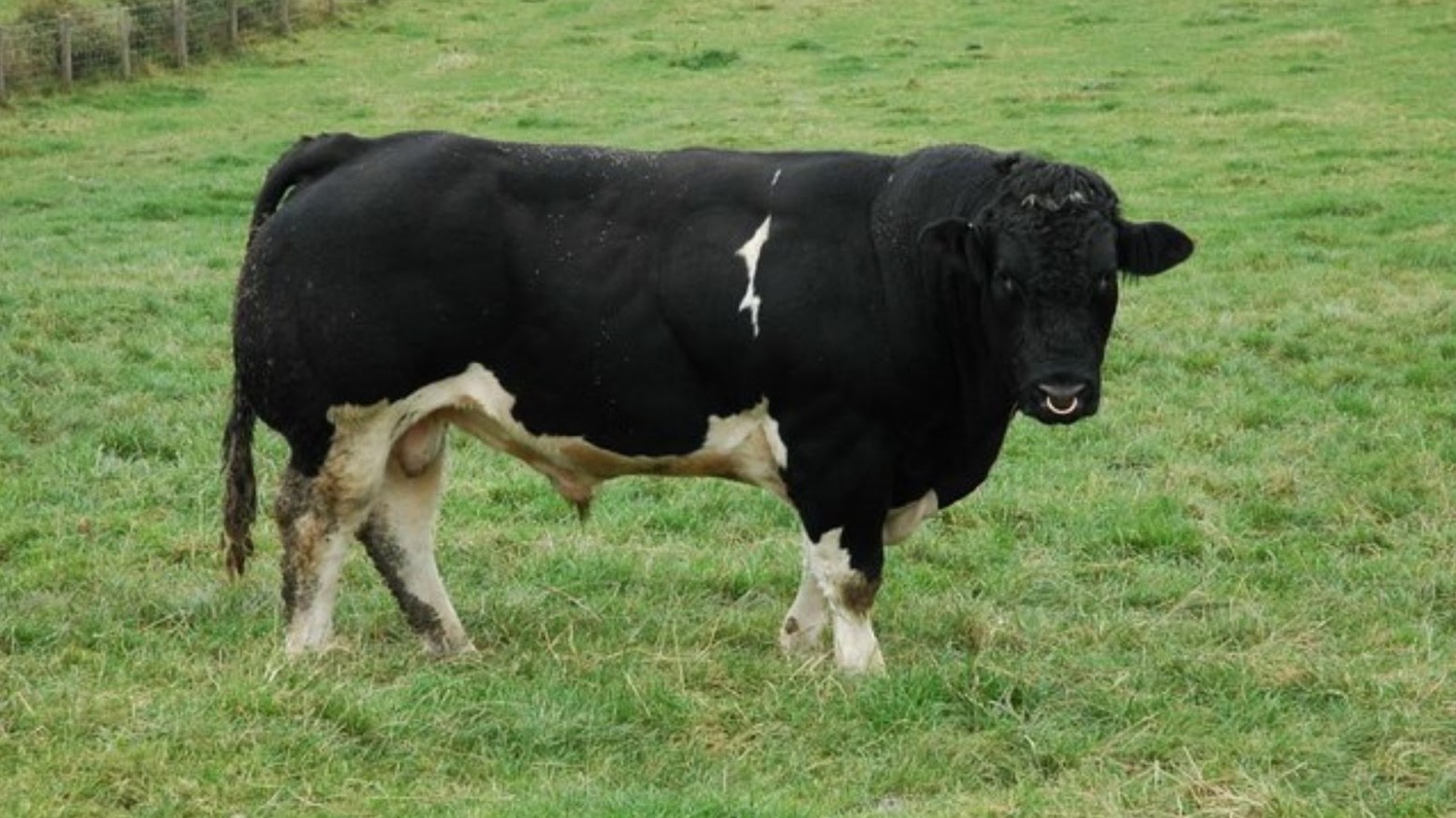
The Minoans had a fascination with bulls, and according to Knossos Palace, the bull was a constant symbol in their art and culture.
They enjoyed that the bull symbolized power and strength and made it an important part of their civilization.
King Minos Kept a Minotaur
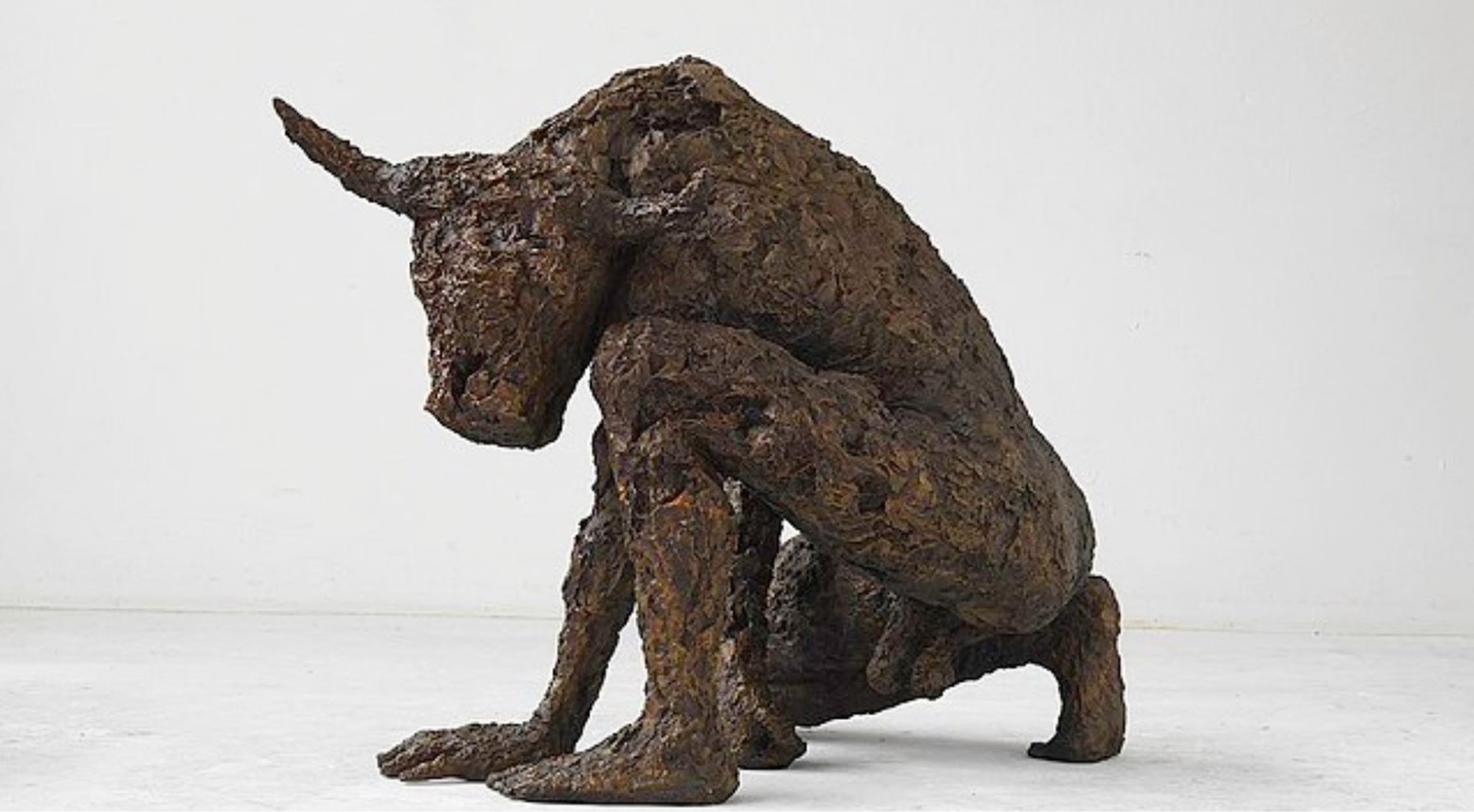
King Minos was the King of the Minoans, and that may be where their fascination with bulls came from.
Live Science reports that King Minos was alleged to have a Minotaur in a labyrinth, which is a half-man, half-bull mythical creature.
The Minoans Created Bull-Jumping
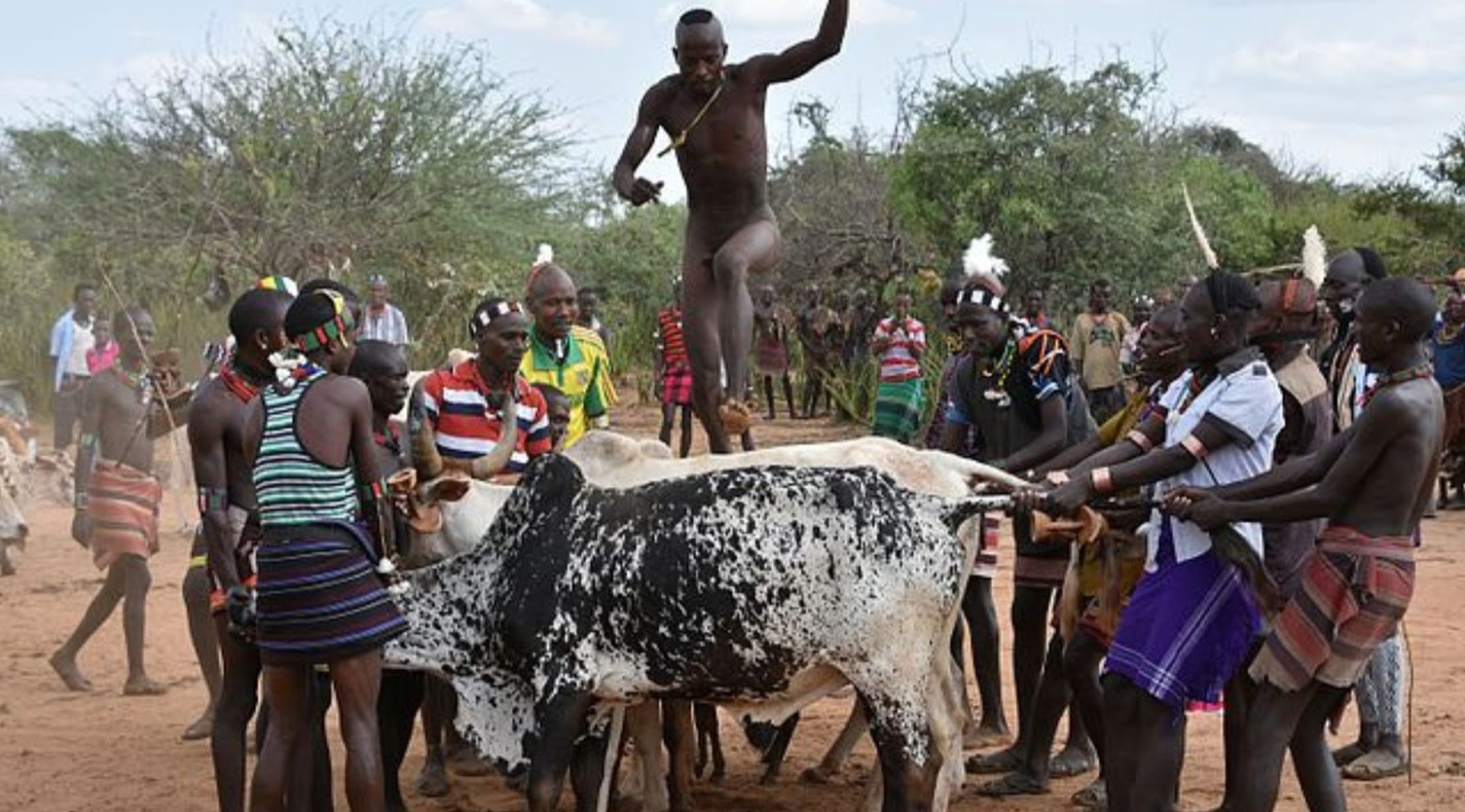
The Minoans were so fascinated by bulls that they supposedly created a sport called bull-jumping.
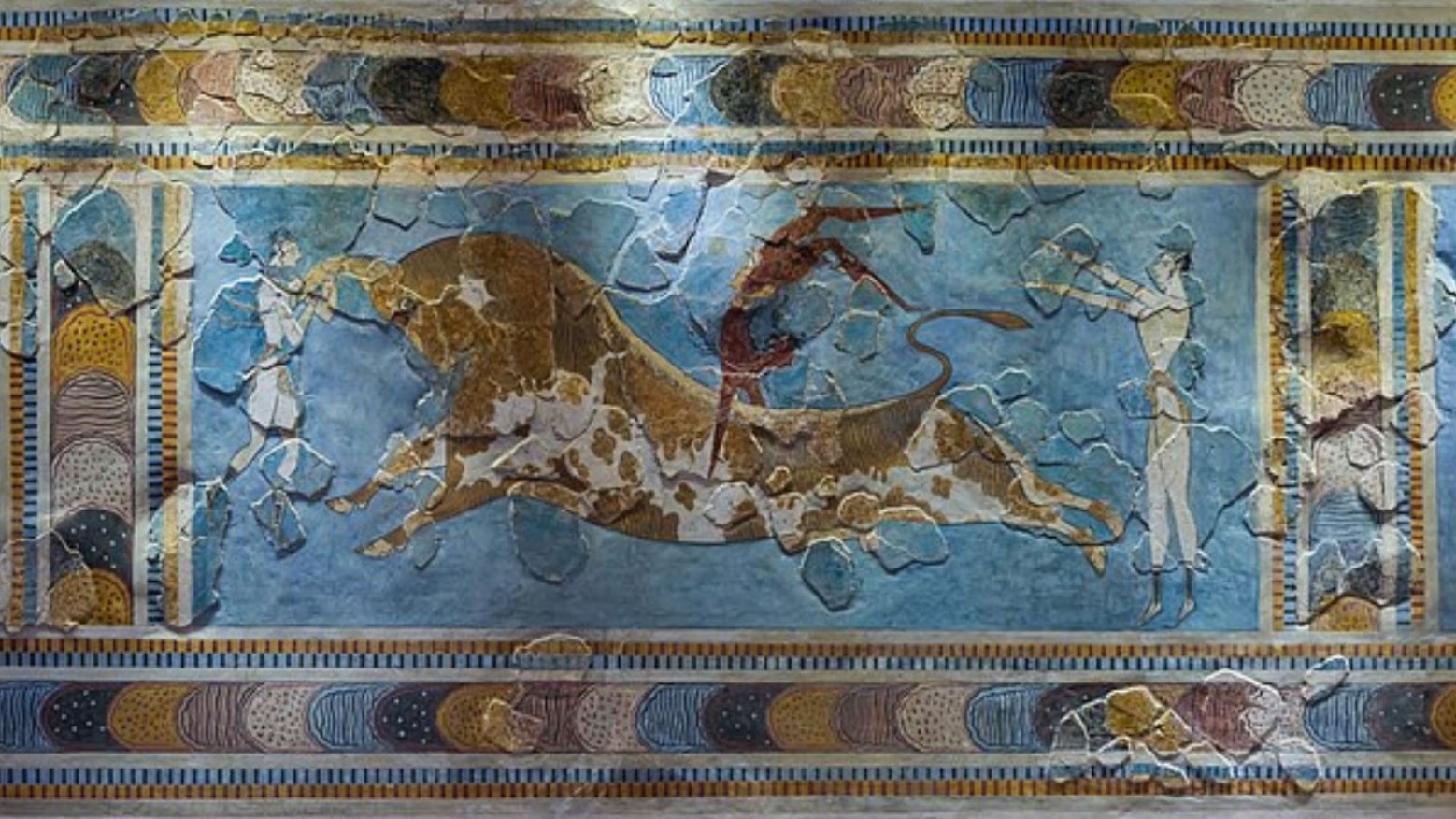
Bull Jumping Pro states that the Minoan painting known now as the "Bull-Leaping Fresco" shows a man jumping over a bull, which many believe to suggest this ancient sport comes from the Minoan era.
Some Believe the Minoans Didn’t Partake in Bull-Jumping
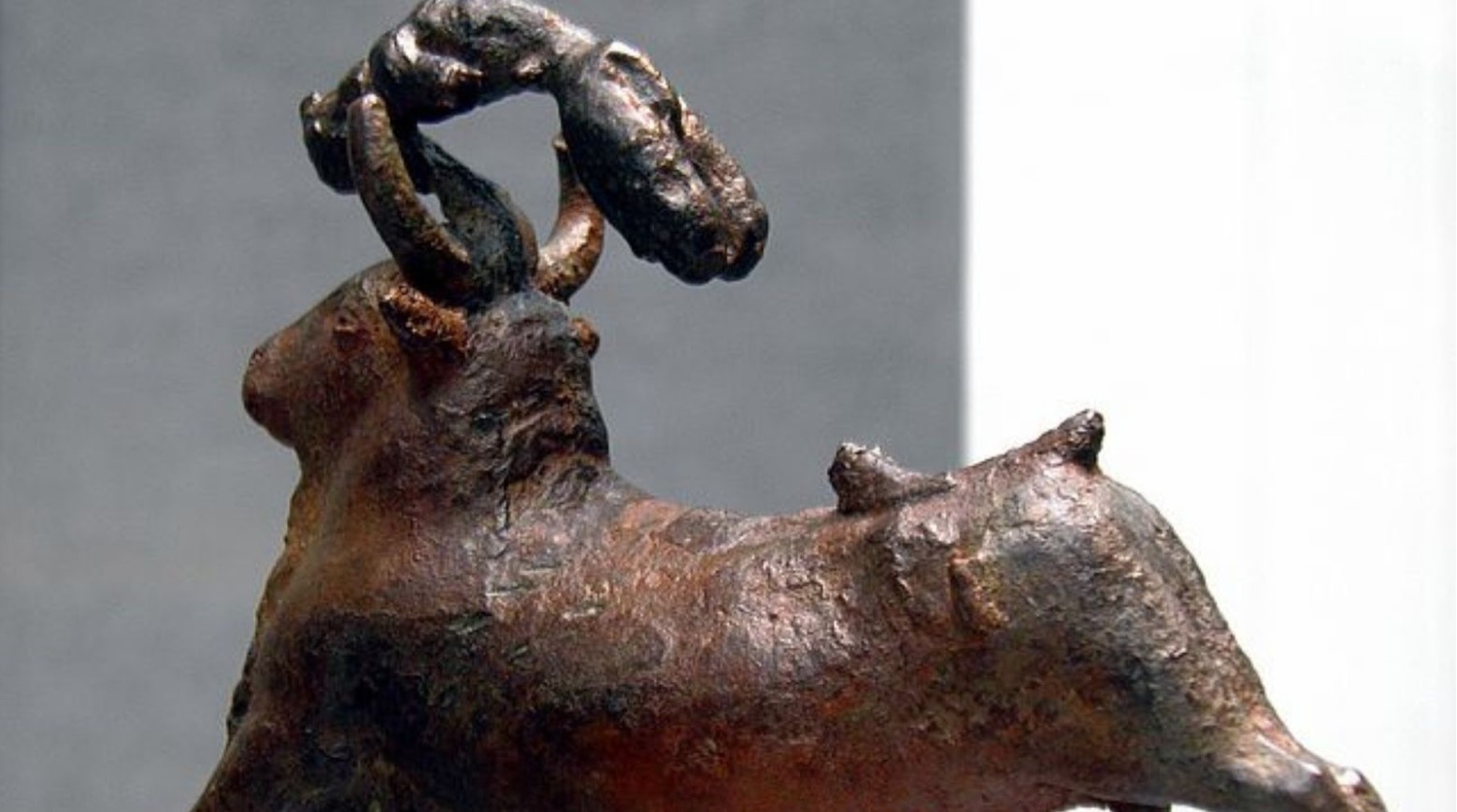
Despite the Bull-Leaping Fresco showing a man jumping over a bull, some people think the Minoans didn’t practice the sport.
Big Think reported that many scholars believe that the sport was too dangerous for anyone to partake in, even though the evidence suggests otherwise.
Upper-Class Minoans May Have Been Bull-Jumpers
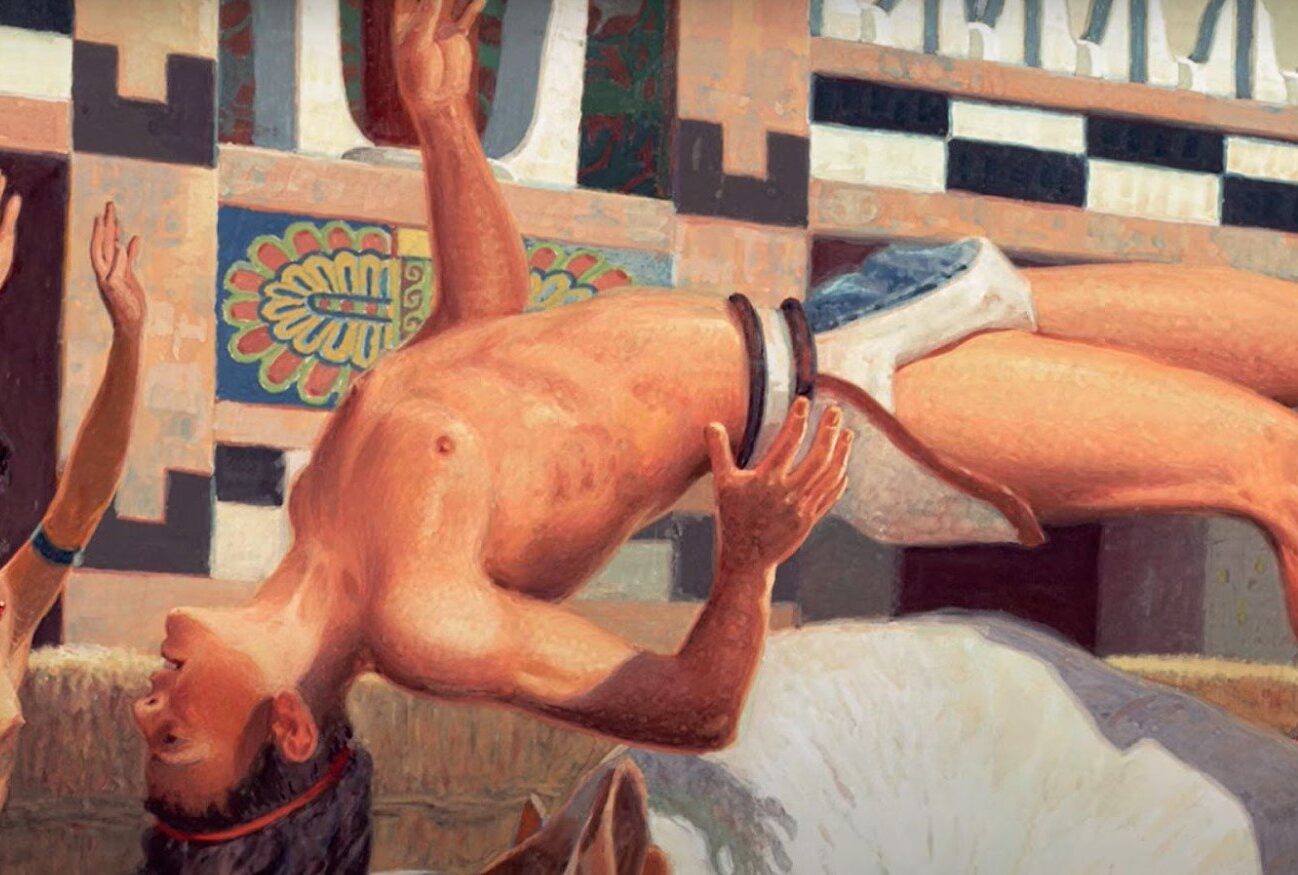
As some don’t believe the Minoans took part in bull-jumping, even if they did, not all Minoans would have taken part in it.
Ancient Celebration has reported that only upper-class Minoans are believed to have participated in bull-jumping, with everyone else being spectators.
There Are Multiple Scenes Depicting Bull-Jumping
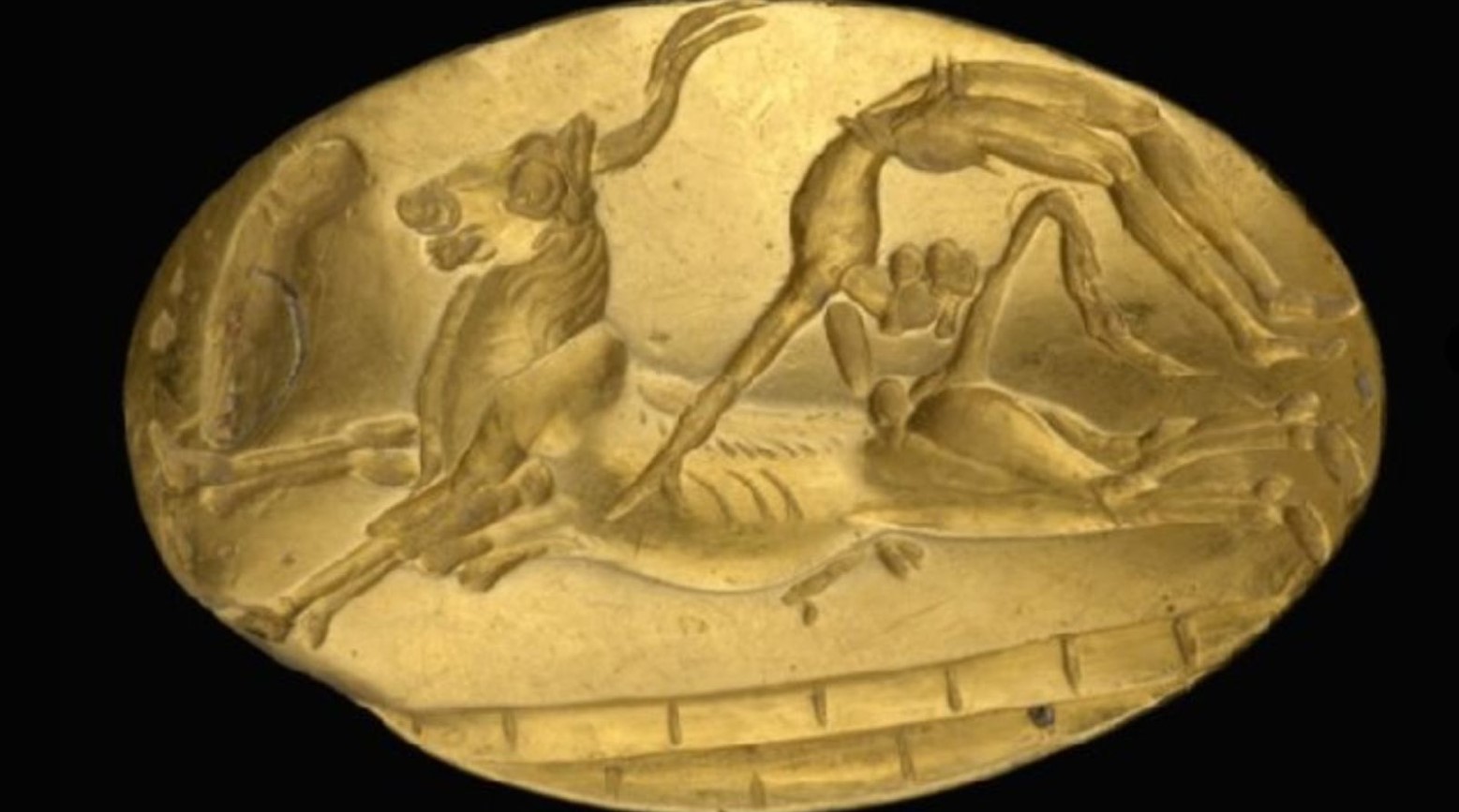
One key piece of evidence to suggest bull-jumping was a real thing is the multiple painted scenes that depict it.
As Professor Jeremy McInterney says in Expedition Magazine, all of the variations suggest that the Minoans participated in bull-jumping; otherwise, paintings showing completely different aspects of bull-jumping would not exist.
Bull-Jumping Exists in the Modern Day
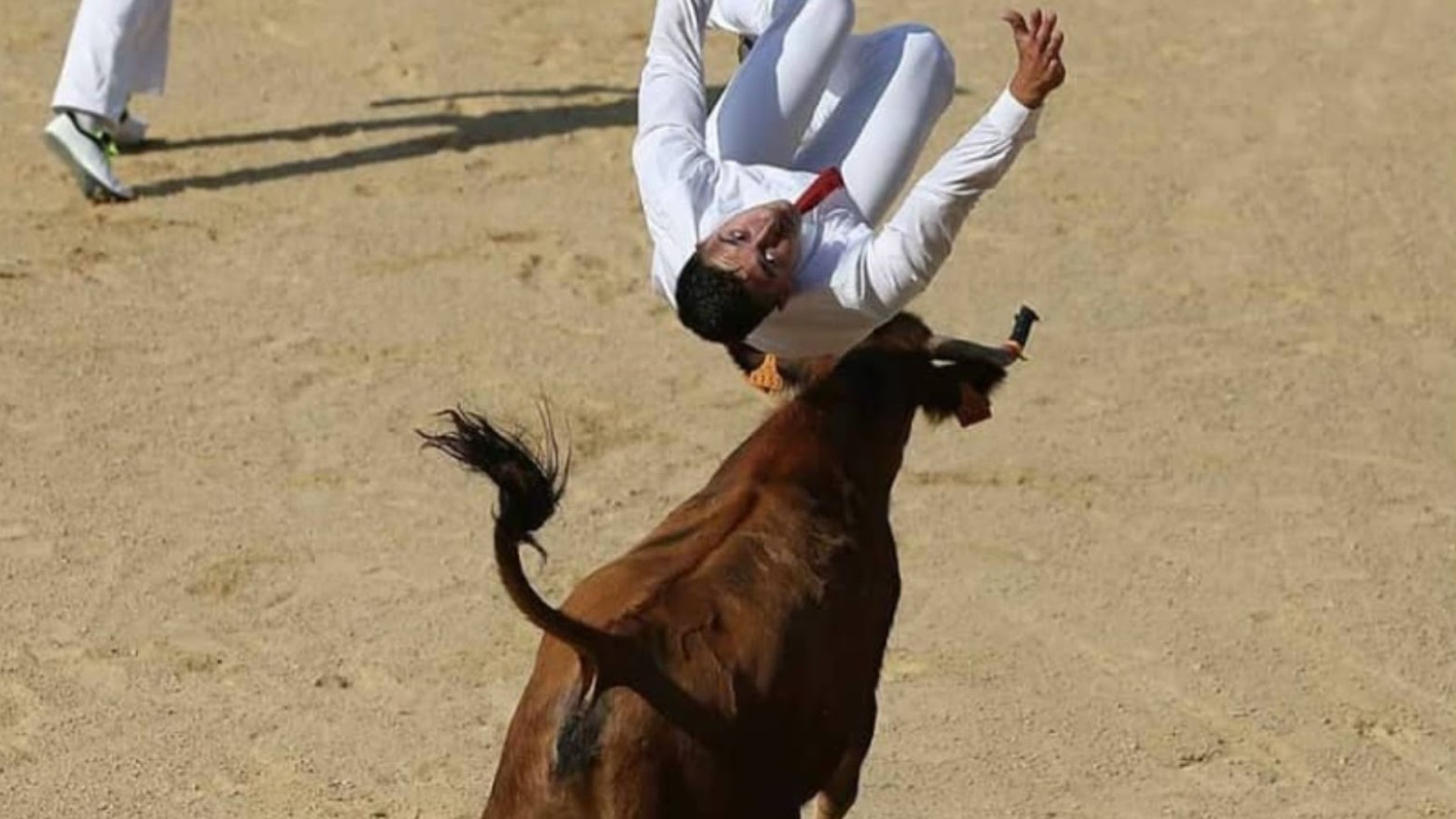
Bull-jumping had to start from somewhere, and the ancient sport still exists in the modern day.
The French take part in a sport called "la course landaise." According to Traditional Sports, this is similar to bull-jumping, but instead of a bull, they use a cow.
Bullfighting Is a Form of Bull-Jumping
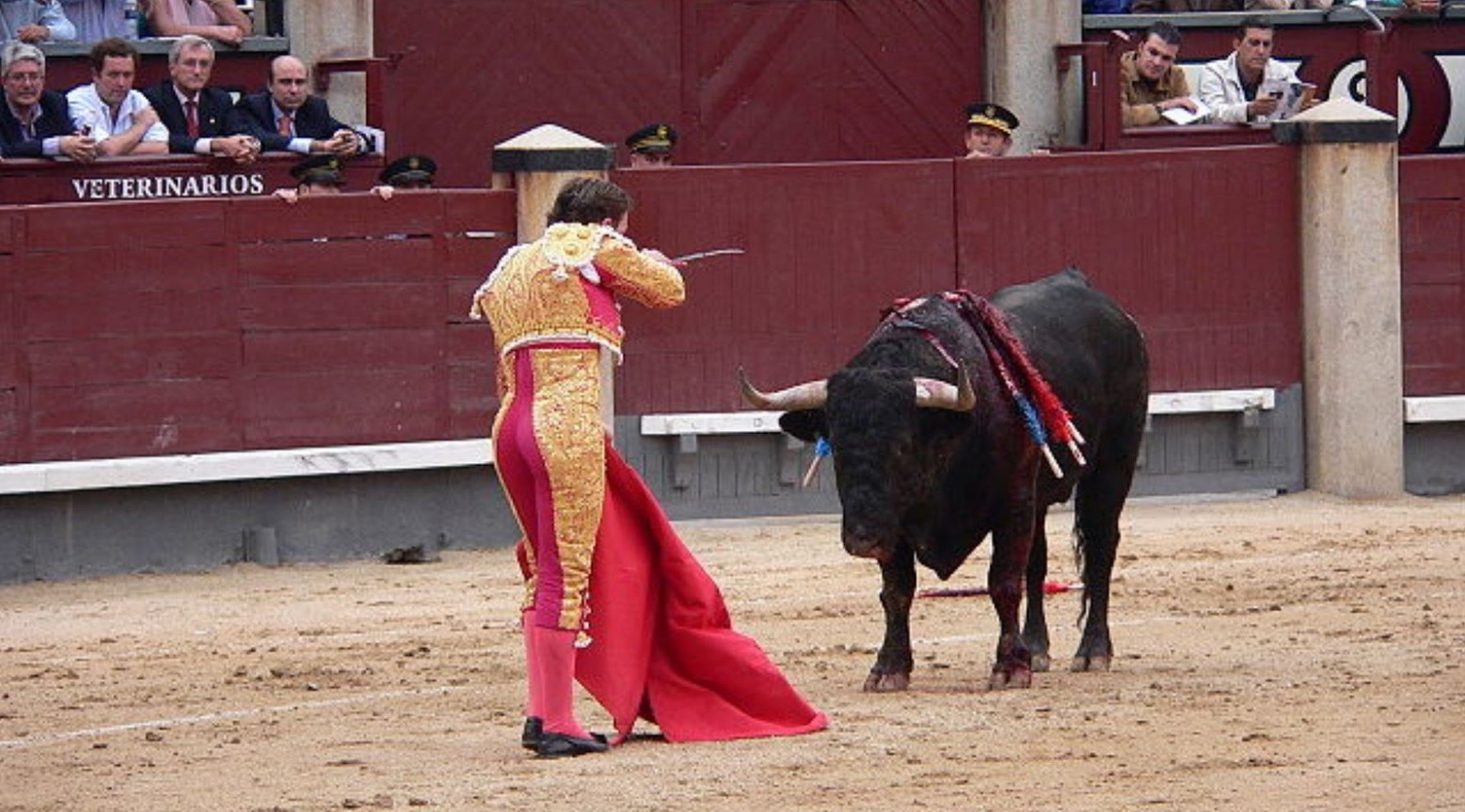
Bullfighting is a sport that exists in Spain, which may have its roots in bull-jumping.
But as Misfits and Heroes points out, the matadors in Spanish bullfighting have assistants to help them with a bull, with this believed to be a sign that the Minoans never did bull-jumping.
The Disappearance of the Minoan Civilization Is Also a Mystery
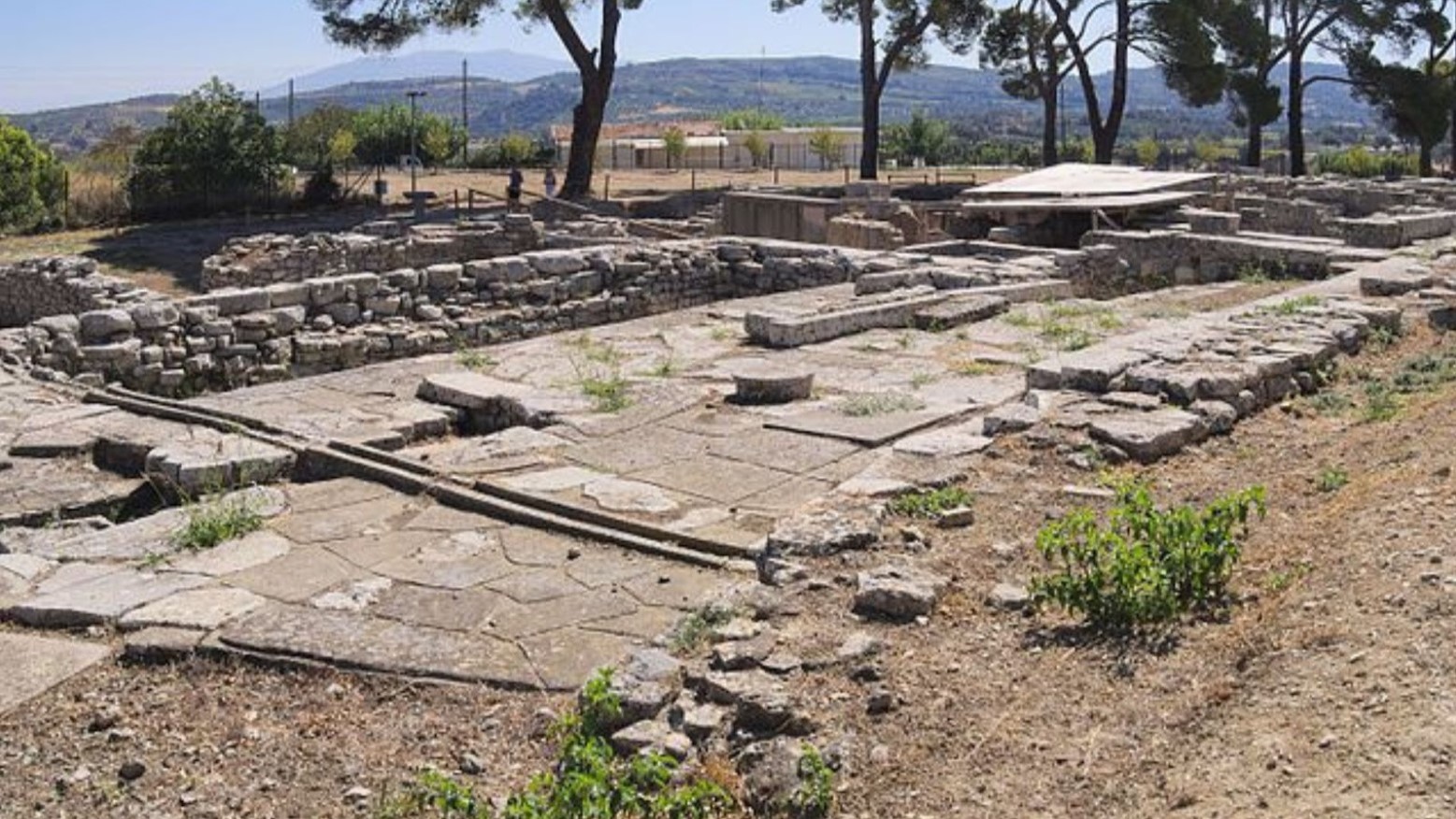
Not only is the debate of Minoans and bull-jumping a mystery, but the Minoan civilization completely disappeared, and no one knows why.
Time reports many mysteries about how this could have happened, such as an earthquake, invasions, or a volcanic eruption.
Many Questions Are Left Unanswered
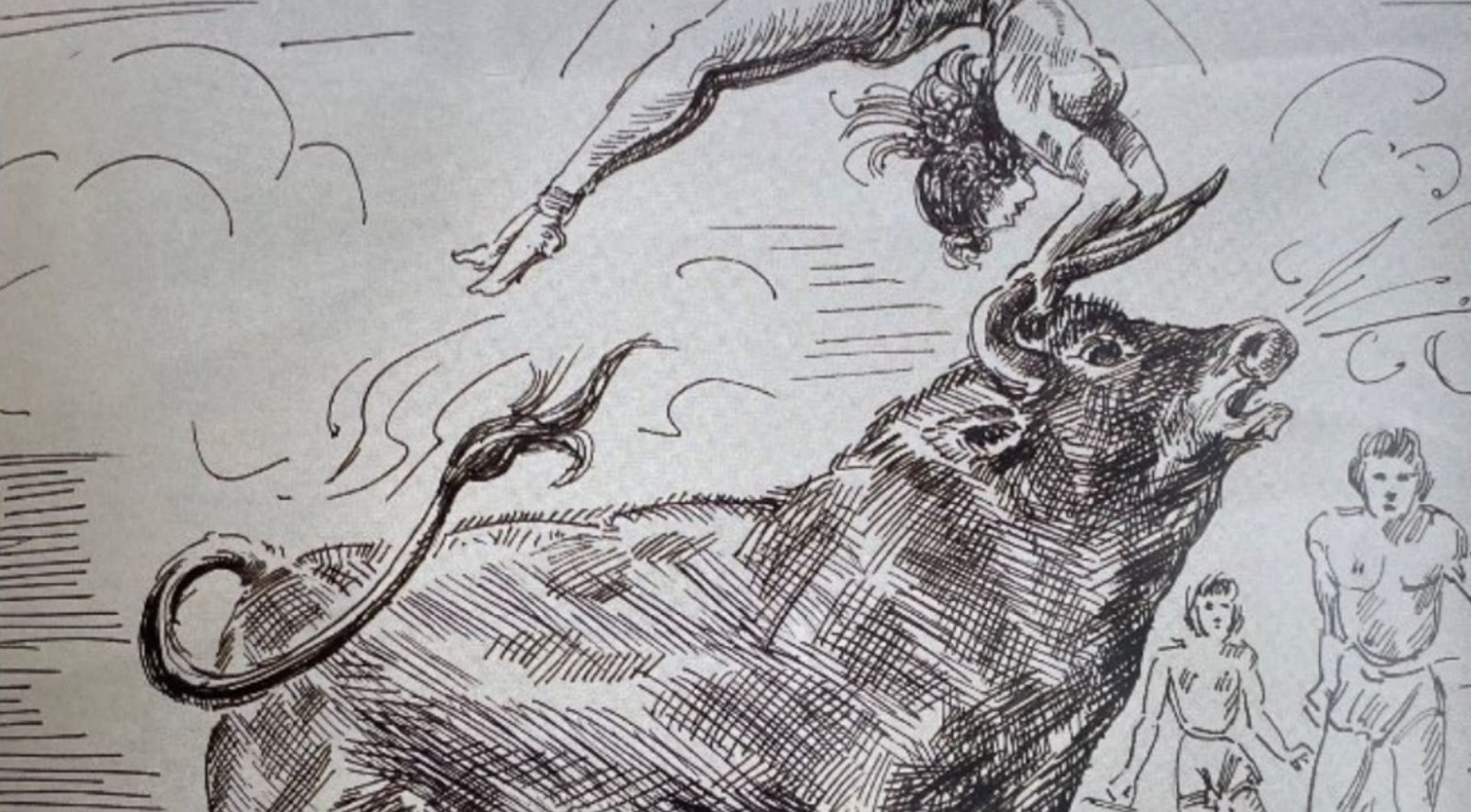
Regarding Minoans and bull-jumping, The Collector says many questions are yet to be answered.
These questions include whether it was for religion or entertainment if it had been adopted from another culture, whether bull-jumping took place, and if it did, were women involved with it? These are all questions that, unfortunately, might never be answered.