These Are the Most Toxic Minerals on Earth
There are around 5,500 minerals on the earth. Many, like gold, silver, and quartz, are used to make jewelry and decorative pieces. Others are highly toxic and should be avoided at all costs.
Here are 10 of the most fascinating yet highly toxic minerals that can be found around the world.
Asbestos
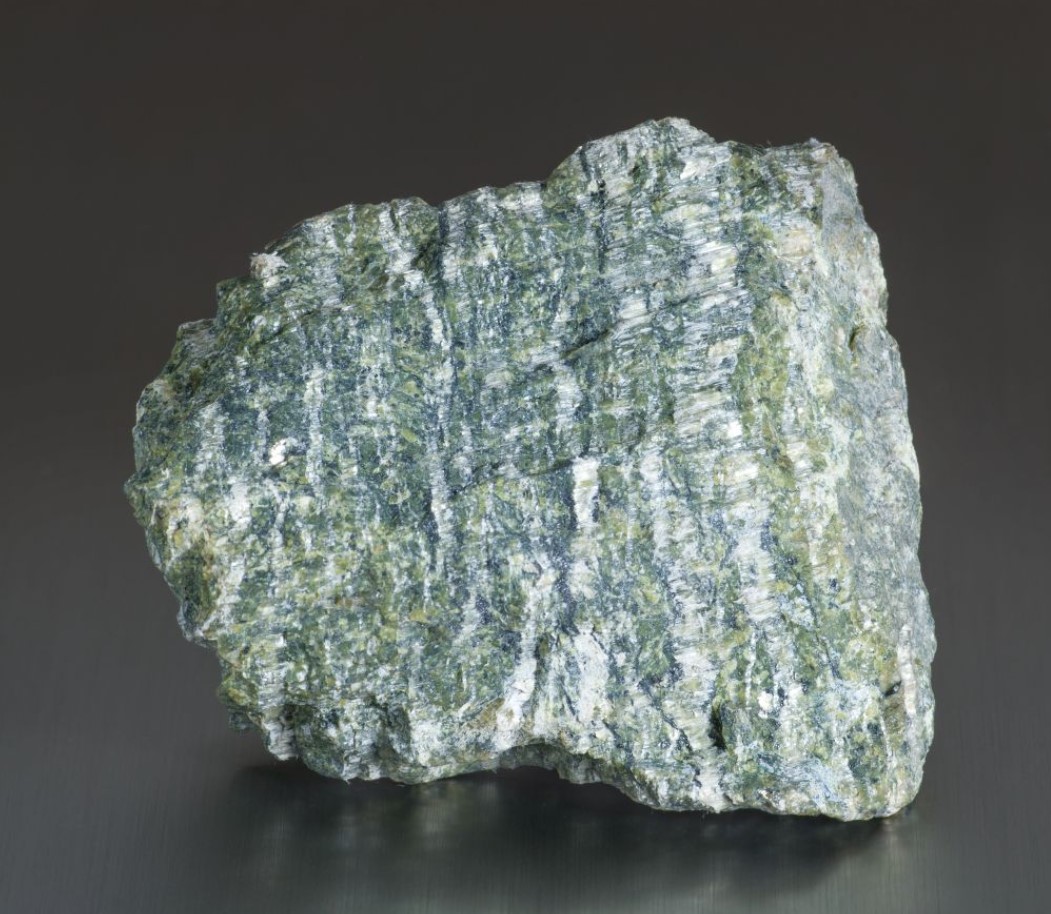
In the modern era, almost everyone has heard of the dangers associated with asbestos, a silicate compound made up of six separate minerals. It was once used to fireproof and strengthen industrial and commercial building materials.
That was until scientists discovered that it was prone to breaking off into small dust particles that could be inhaled into the lungs, causing a plethora of health problems, including lung cancer.
Stibnite
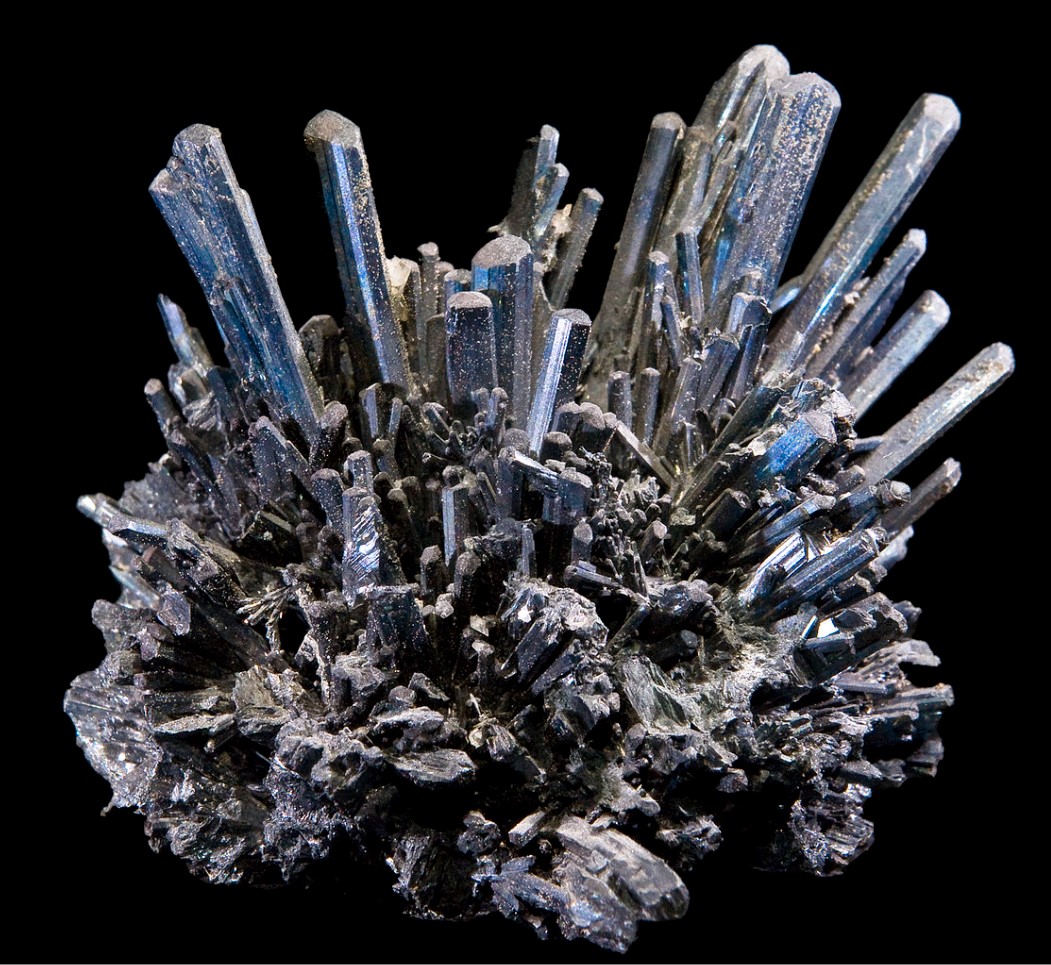
Stibnite is a highly toxic mineral that’s been used in the production of cosmetic products for many millennia.
The toxic compound within stibnite is antimony, and if ingested, it can bring forth symptoms similar to arsenic poisoning.
Chalcanthite
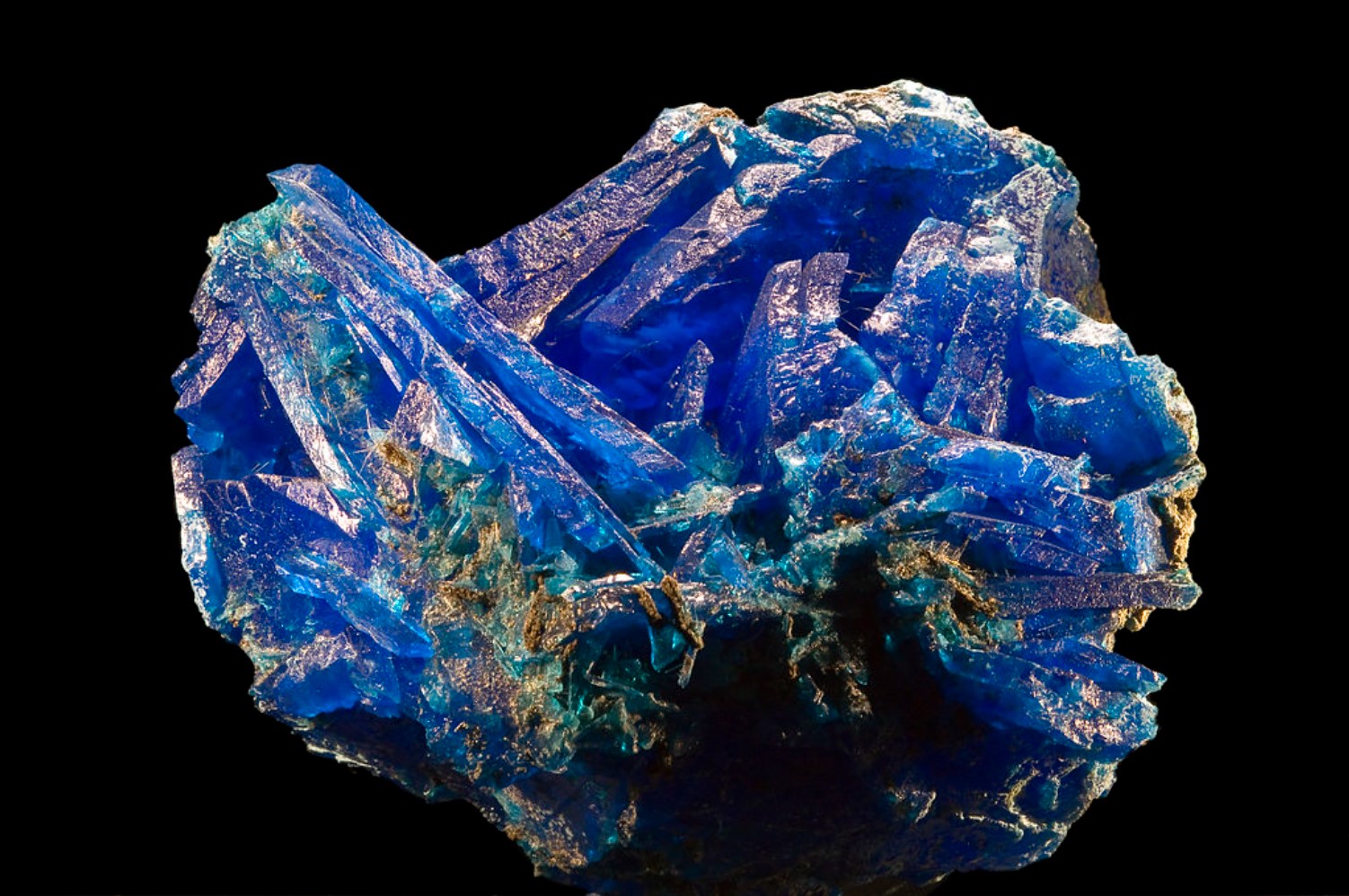
Chalcanthite is a beautiful blue mineral that has been used to ore copper over the past few centuries. However, as the mineral is highly water soluble, if the environment in which it's used isn't kept dry, it can dissolve.
The copper contained within chalcanthite is toxic to both plant life and humans, and if ingested in high quantities, it can cause severe health problems.
Galena
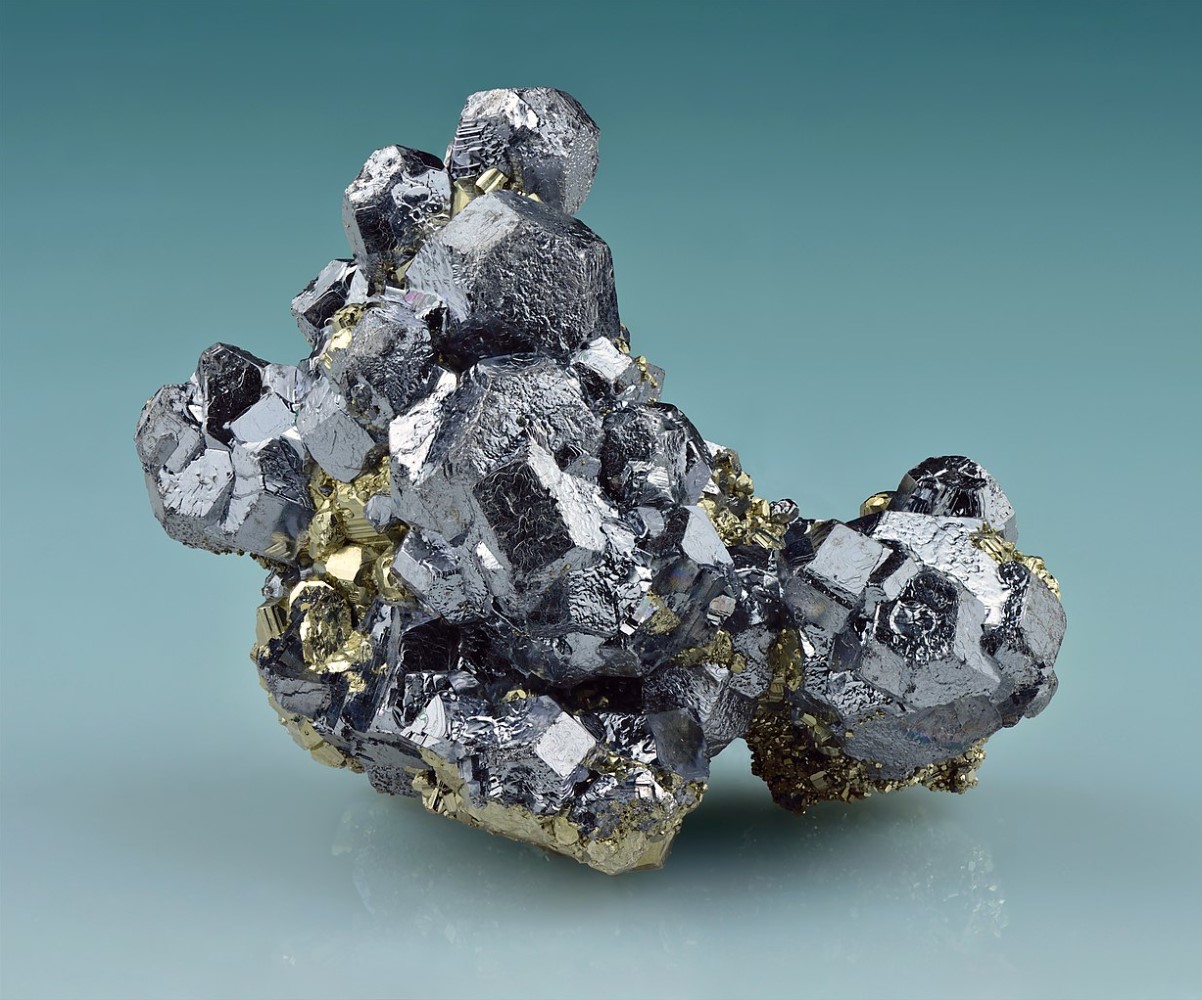
Galena is an abundant mineral that forms exquisite silver cubes. It is commonly used in the production of lead.
The dangers associated with galena come when it is ingested or inhaled. Further risks come from its use in making lead, as the final product is extremely toxic, and the body cannot expel it. Eventually, if enough lead builds up in the system, it will lead to various forms of cancer.
Cinnabar
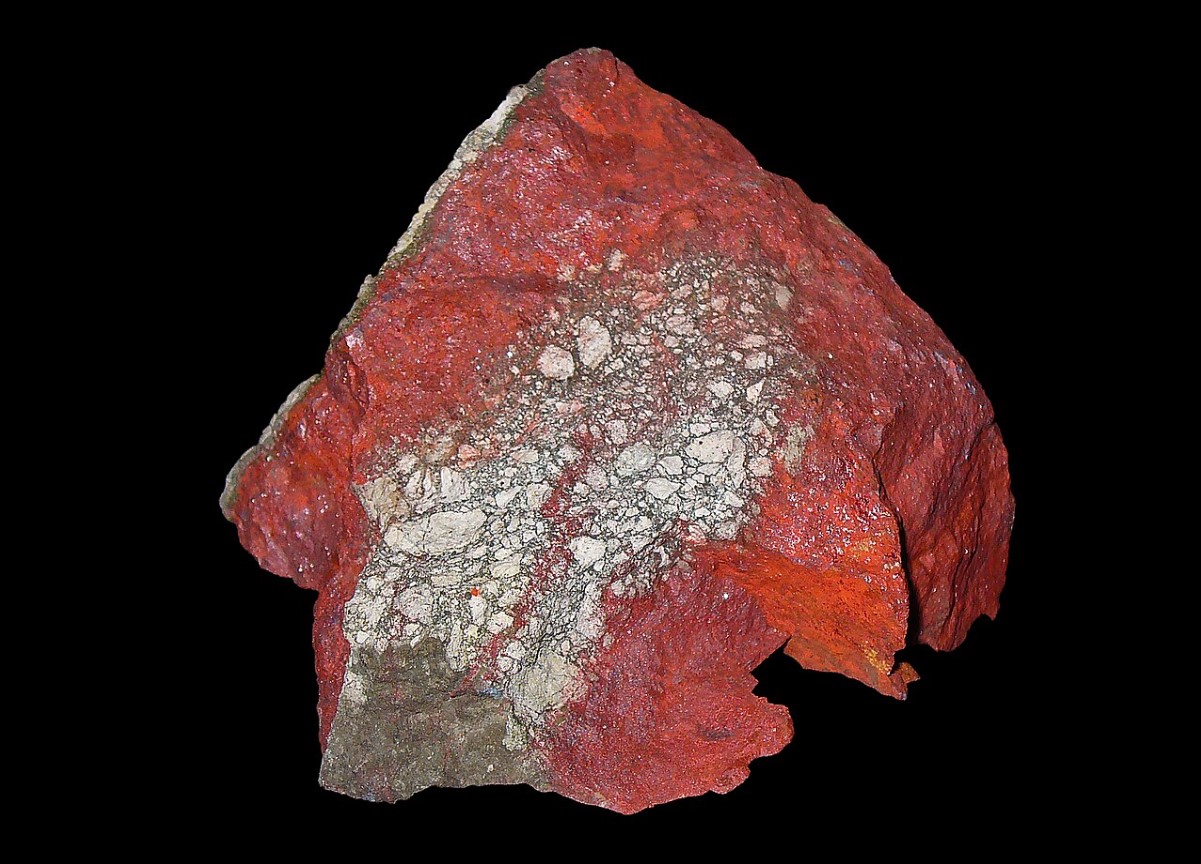
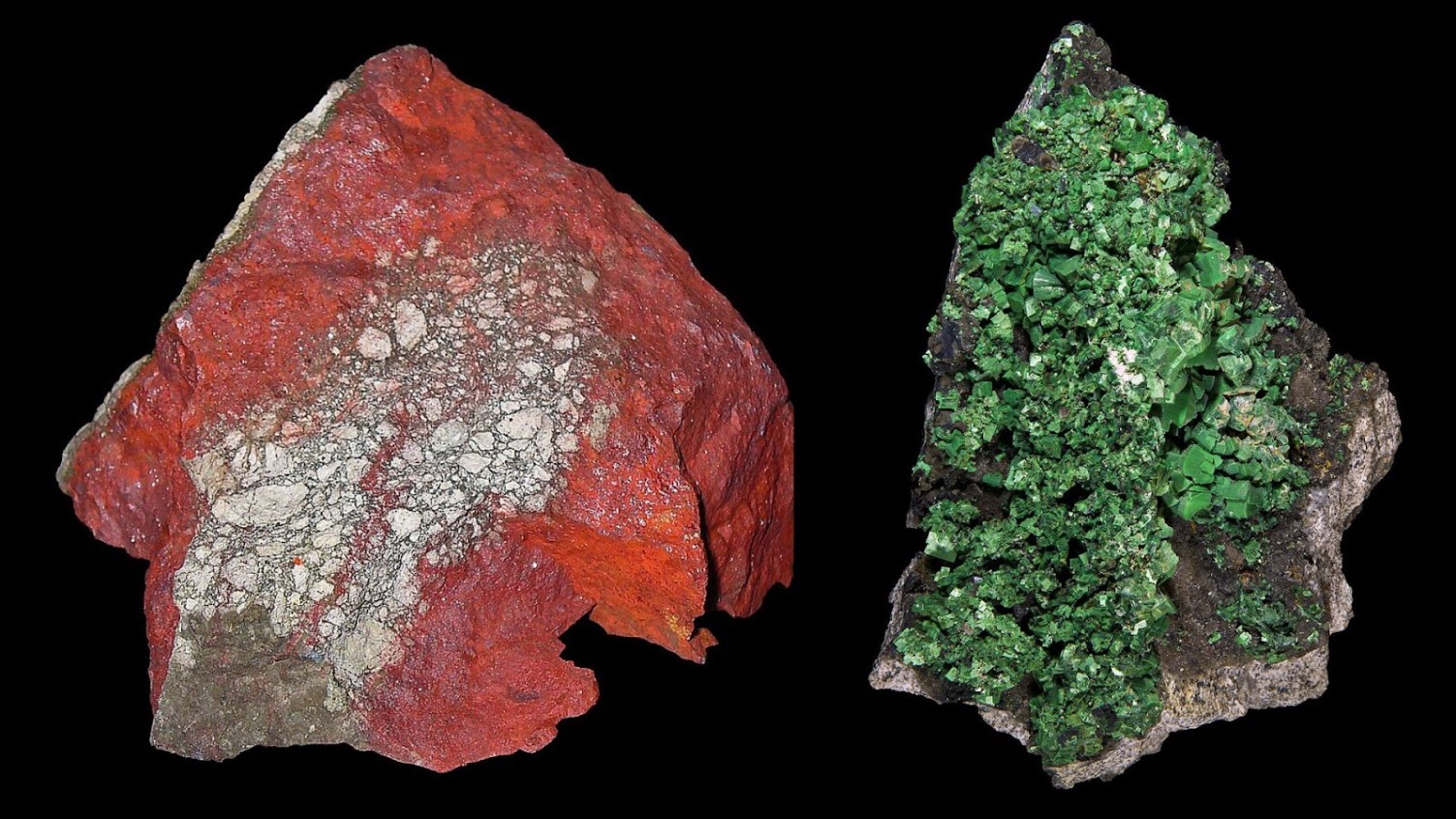
Cinnabar is another widely used mineral, providing the world with the majority of its elemental mercury.
However, dangers arise when cinnabar oxidizes, as it creates dimethyl mercury and methyl mercury, both of which are extremely detrimental to the nervous system.
Torbernite
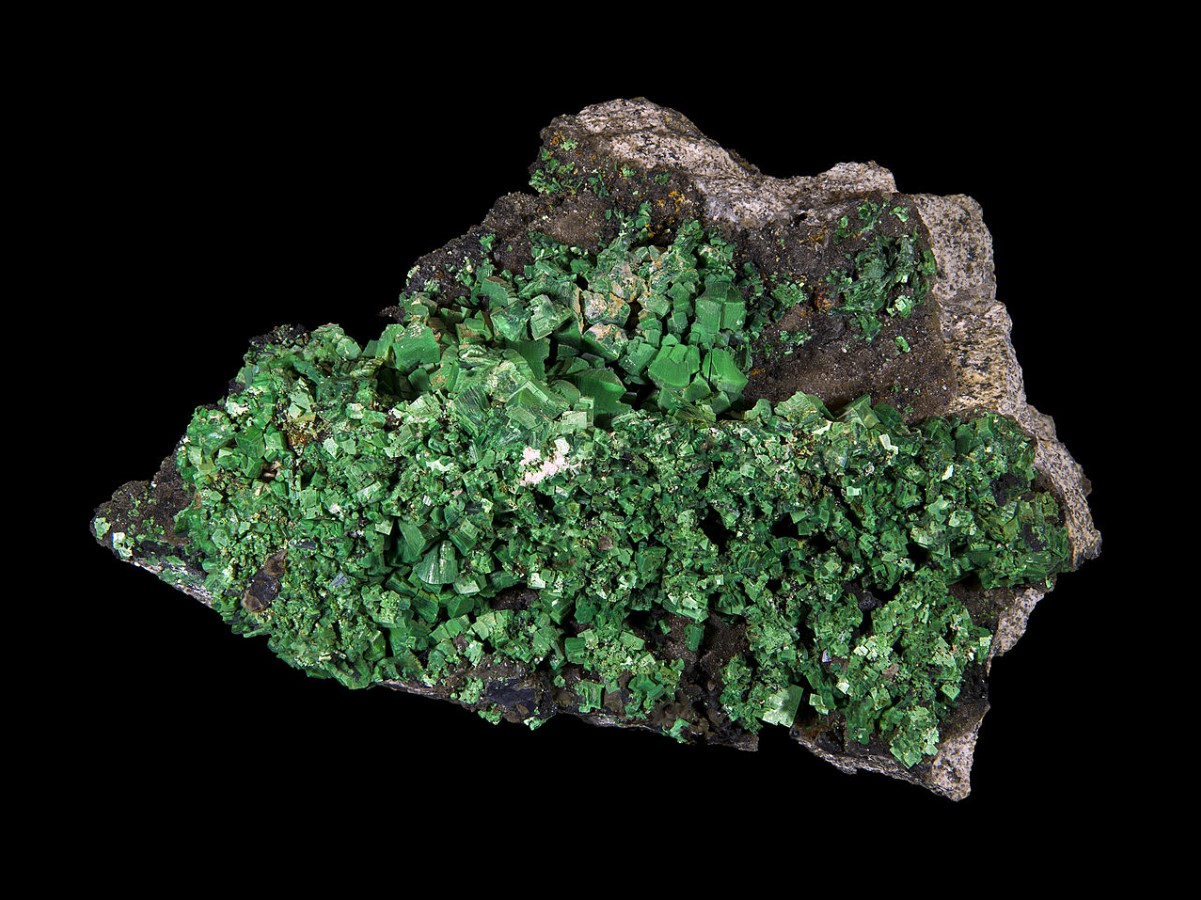
Torbernite is a mineral made from a combination of uranyl, phosphate, and hydrated green copper. It is typically found in granites alongside uranium, which makes it radioactive and extremely dangerous.
Radon is naturally released by tobernite. If humans are exposed to it over an extended period, it can result in lung cancer.
Orpiment
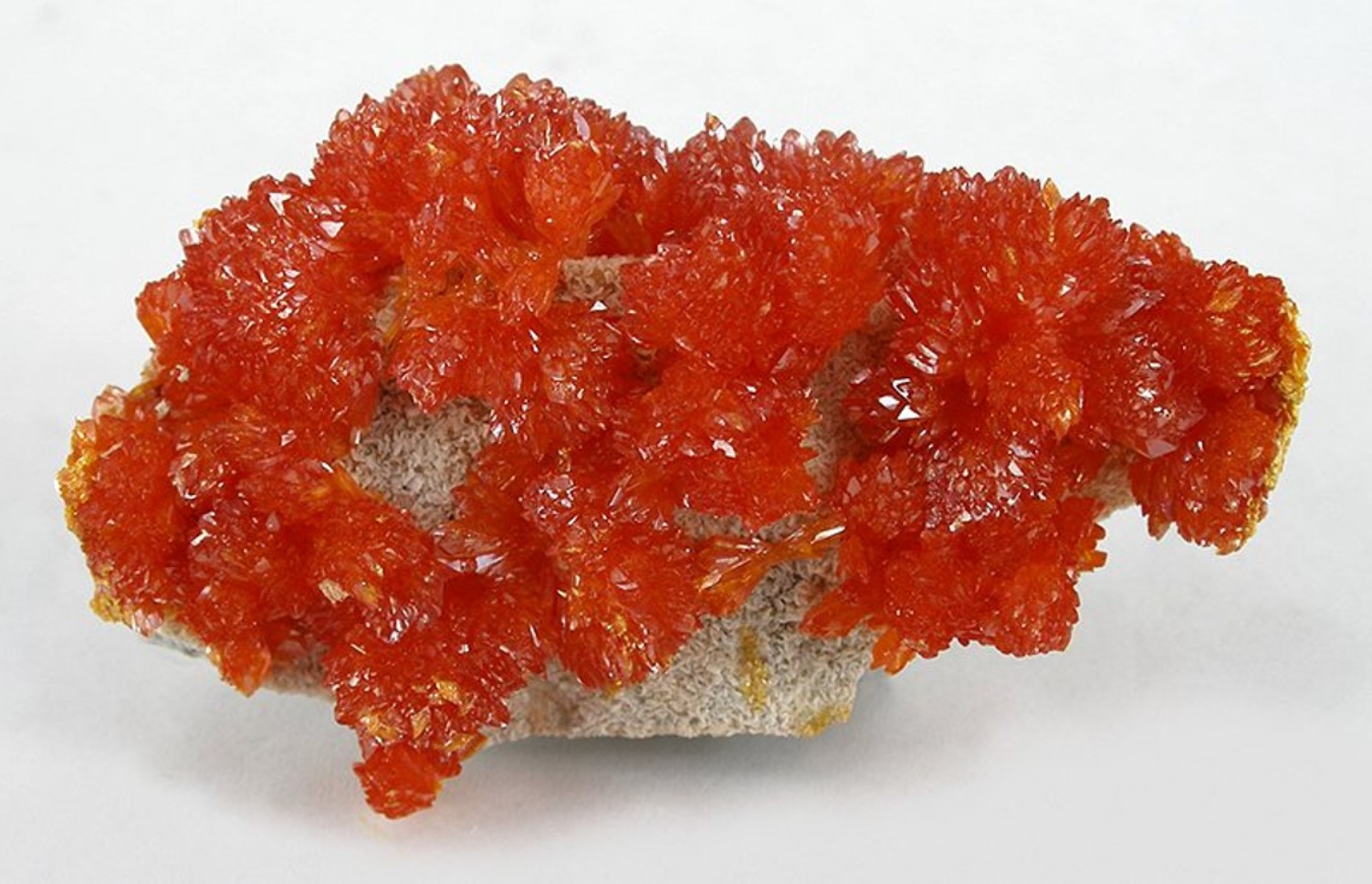
Orpiment is a stunning yellow-orange arsenic sulfide mineral generally found in hot springs and hydrothermal vents.
The mineral was once used in Chinese medicine. However, it can be toxic should it be allowed to oxidize, and may lead to arsenic poisoning.
Hutchinsonite
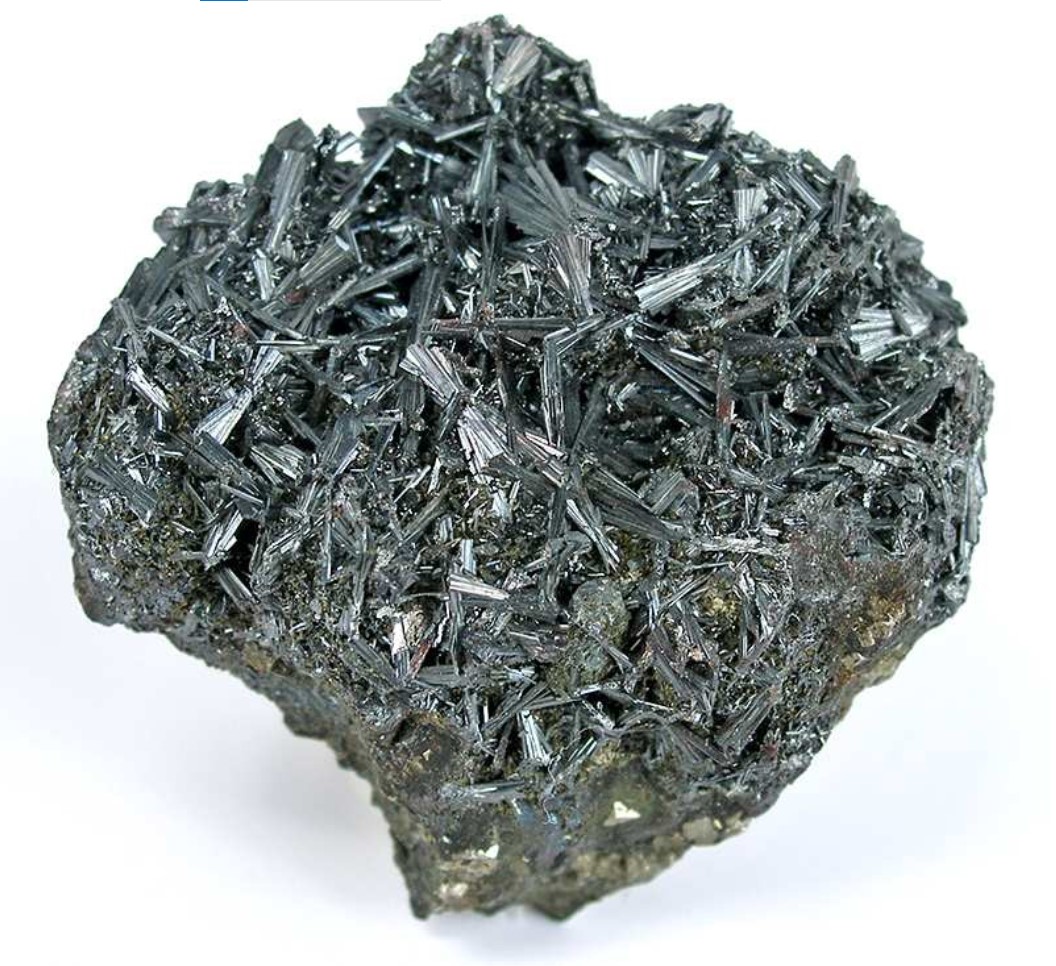
Hutchinsonite is another mineral typically found in hydrothermal vents. It's comprised of arsenic sulfide and thallium.
Thallium is commonly used in insecticides and rat poisons and is highly toxic if ingested. Exposure to hutchinsonite can lead to death in severe circumstances.
Arsenopyrite
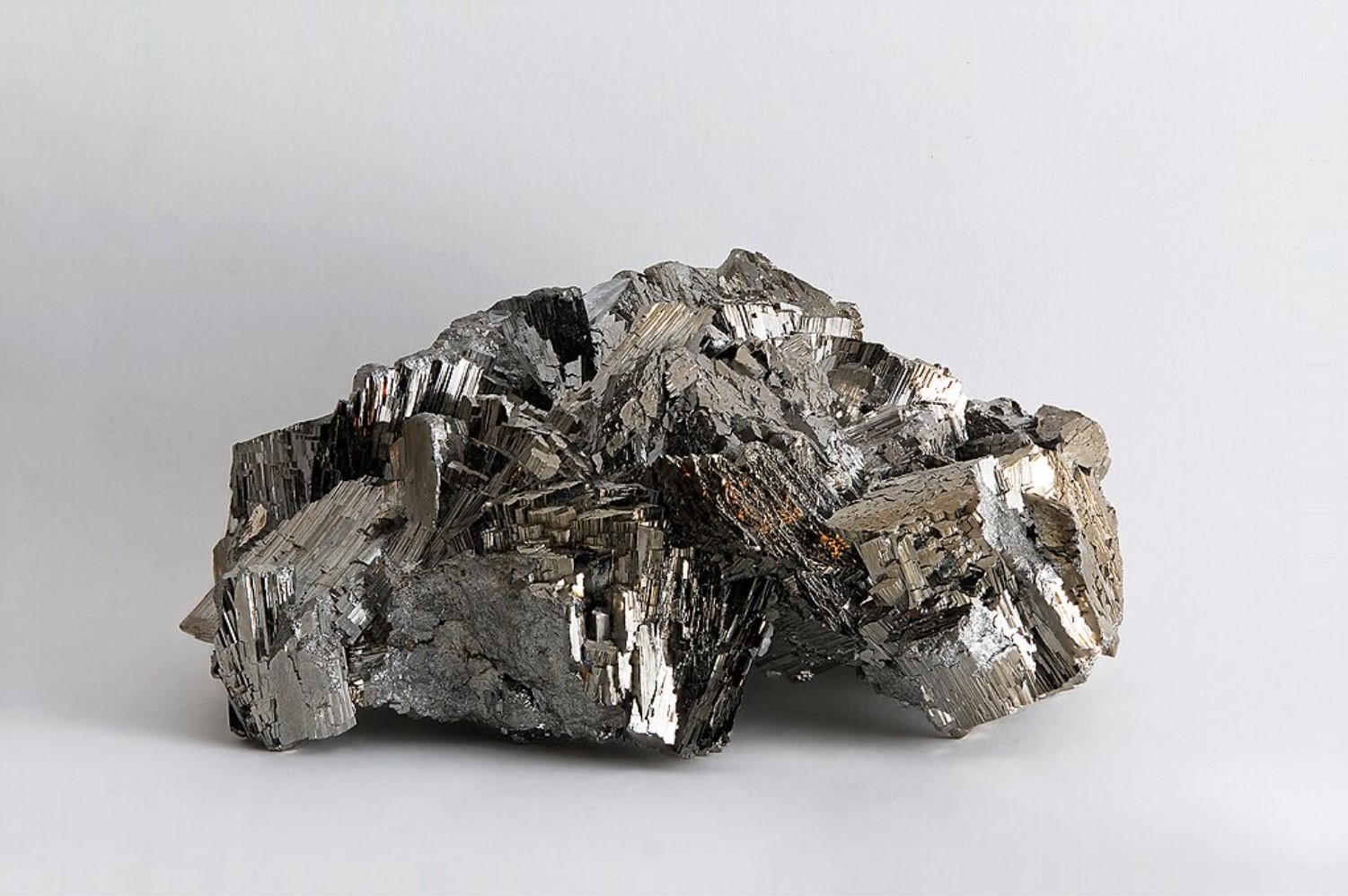
Arsenopyrite is a mineral that has a fascinating metallic color and is comprised of iron arsenic sulfide.
The high level of arsenic contained within this mineral has potential toxic effects. If it is allowed to oxidize, it may become water-soluble arsenic, producing several horrible side effects for humans and the environment.
Riebeckite
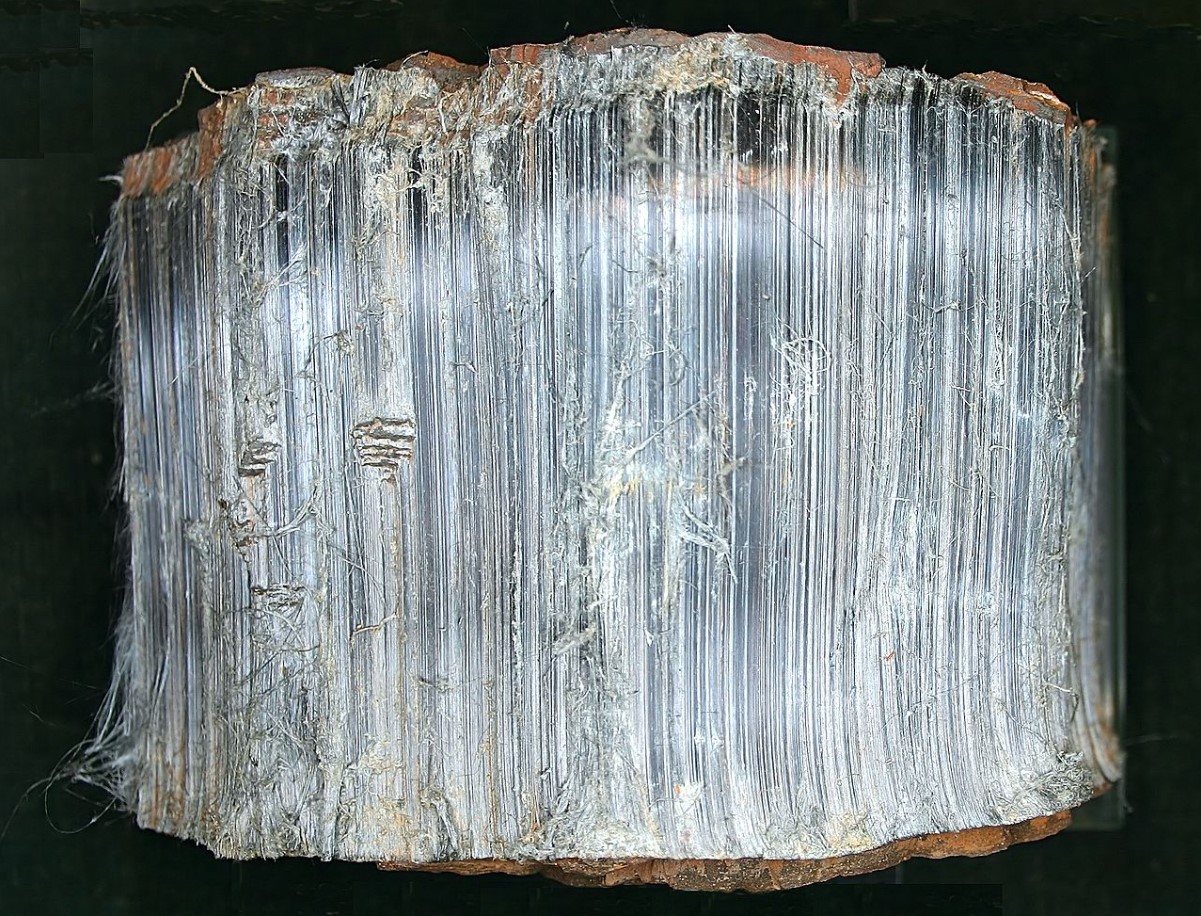
Riebeckite is a mineral known for its unique fibrous texture. It is generally found in altered metamorphic rocks. In many instances, it is similar to asbestos and was used as a thermal insulator to make ceiling tiles and flooring.
However, the mineral is also relatively toxic. The fibers, if inhaled, may lead to serious health problems, including asbestosis, lung cancer, and mesothelioma.
How to Stay Safe Around Toxic Minerals

While many of the minerals mentioned on this list can lead to severe illness and possibly even death, there are several ways to stay safe in their company.
The most obvious option is to avoid touching the minerals. However, if one handles them, wearing protective gear, including a mask and gloves, will reduce the health risks.