How Two Brothers Reshaped Roman History
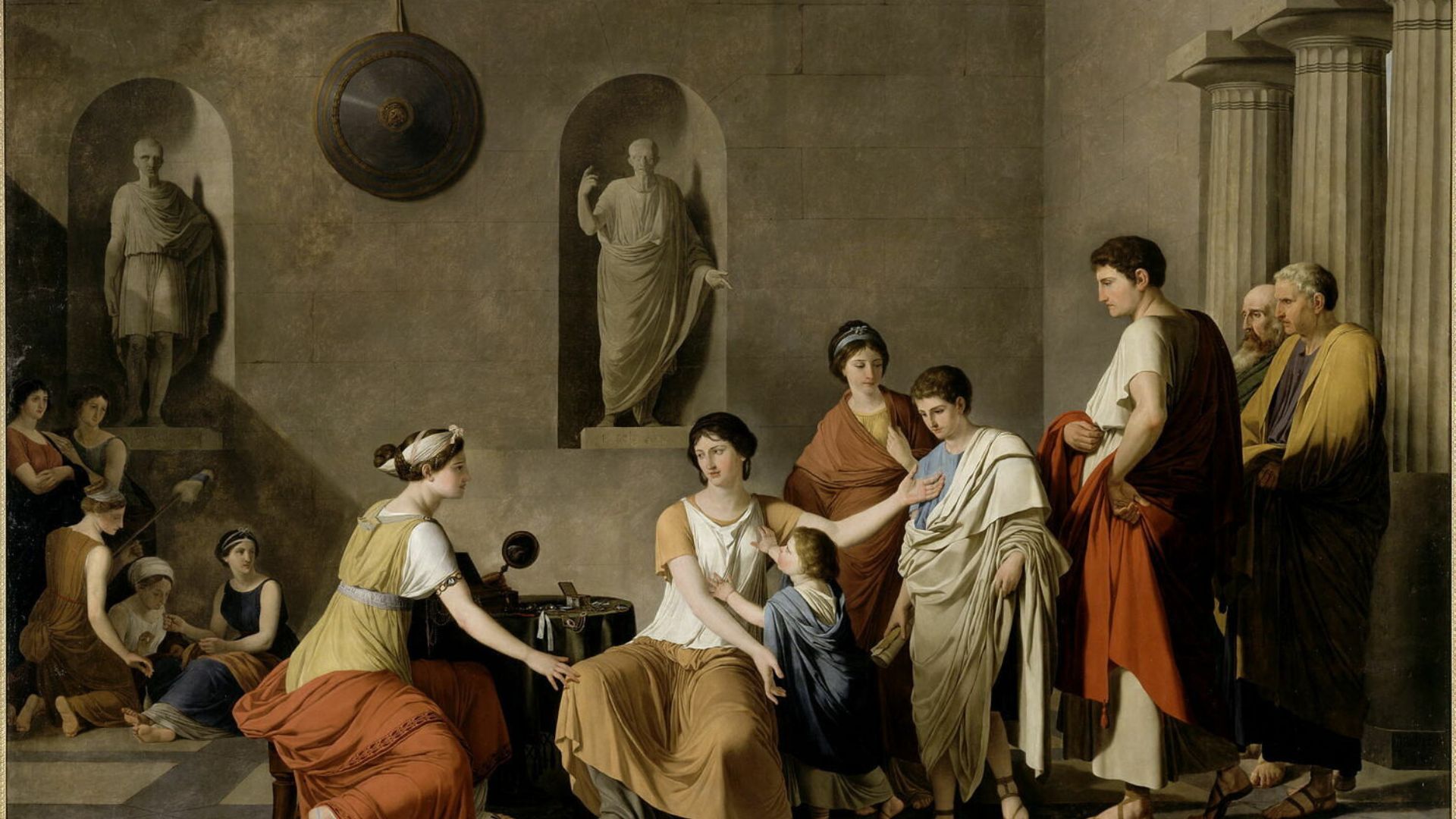
When thinking of the Roman Empire, the names that come to mind most often are Julius Caesar, Marcus Aurelius, Nero, or Constantine. Few remember Tiberius and Gaius Gracchi.
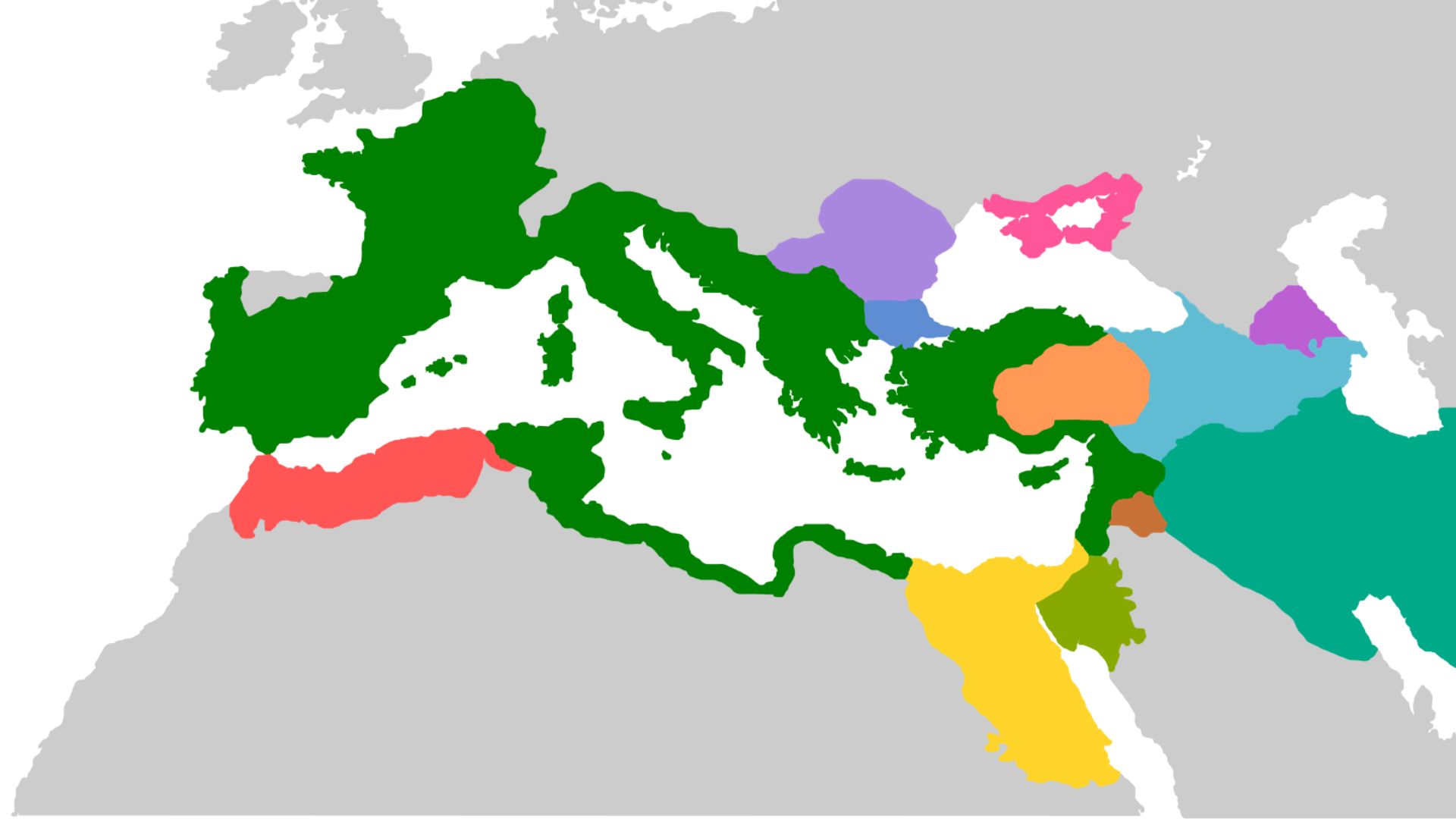
However, according to historians, these brothers were two of the most influential figures of the Roman Empire. In fact, many argue they changed the world in more ways than one.
Who Were the Gracchi Brothers?
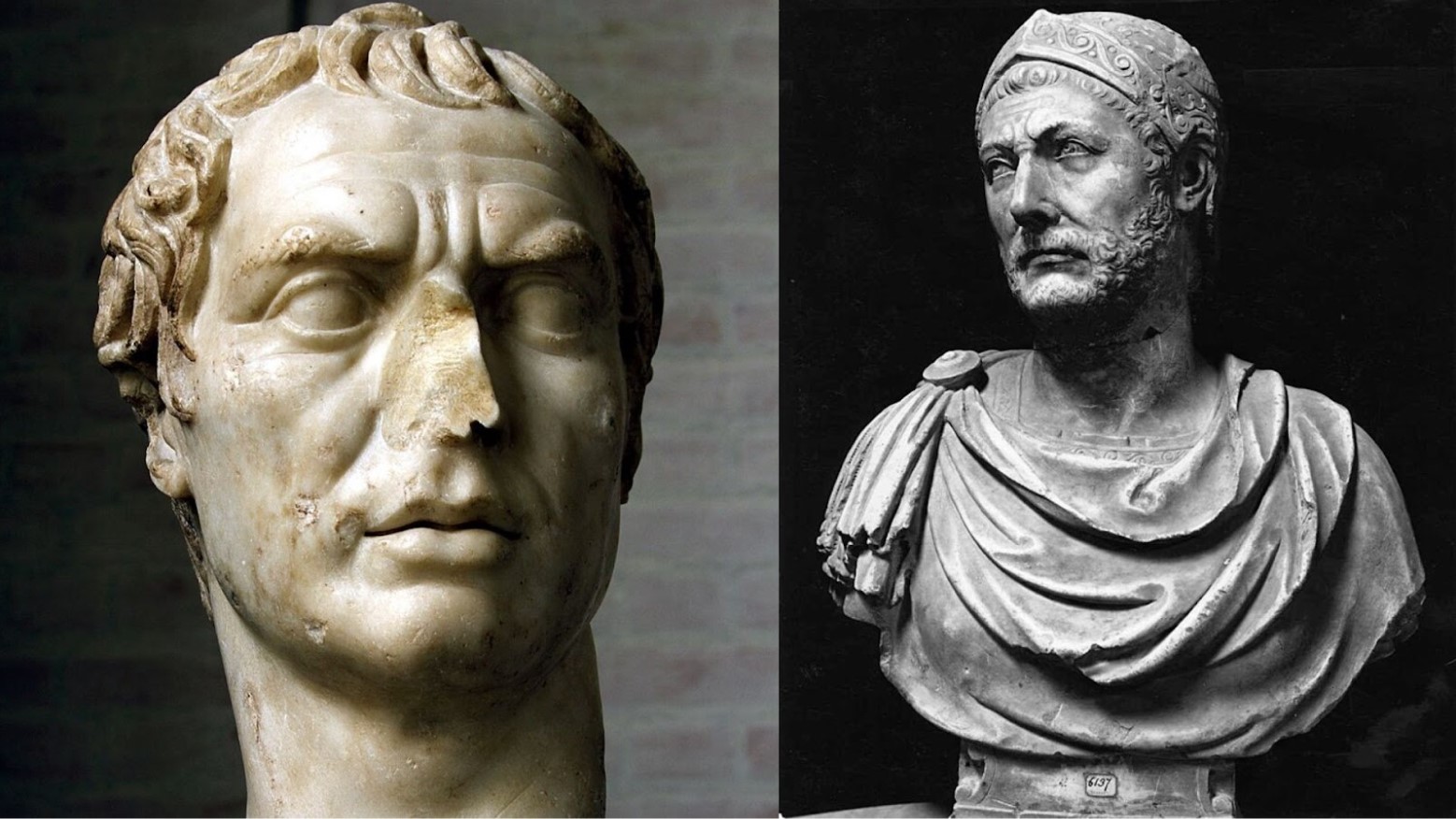
The lesser-known Gracchi brothers, Tiberius and Gaius, were the sons of political leader and general Tiberius Sempronius Gracchus and the grandson to Scipio Africanus, famous for defeating Hannibal.
Therefore, the brothers were born into the Empire’s elite and were raised to lead their people, either in battle or from a seat in the government. However, that’s not the path either of them chose to take.
Romans Across the Entire Empire Were Dissatisfied
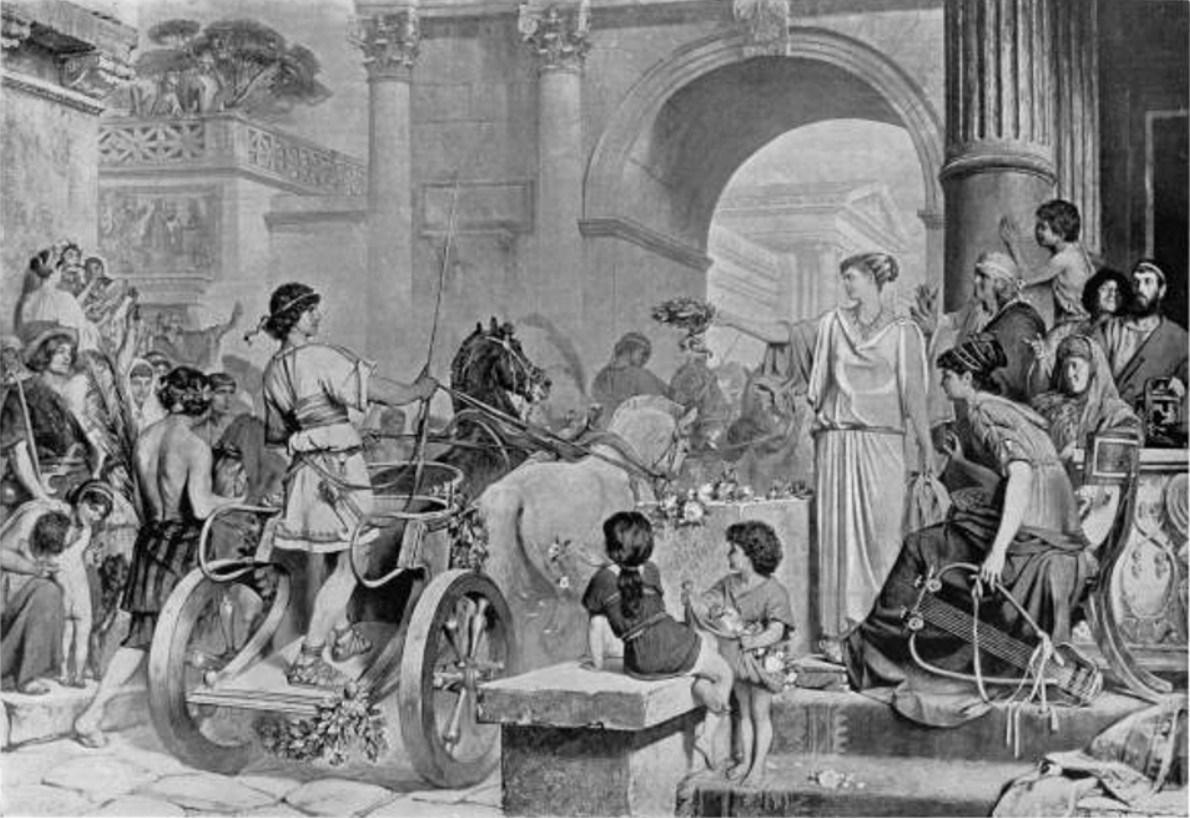
By the time the Gracchi brothers reached adulthood, the Roman Empire was in complete control of the Mediterranean, but it was also becoming increasingly unstable.
Several factions of people within the Republic had become dissatisfied with their leaders. The impoverished wanted more assistance from the government, long-term members of the Empire were asking for more benefits, and those forced into labor were starting to fight back.
Fighting for the Common Man
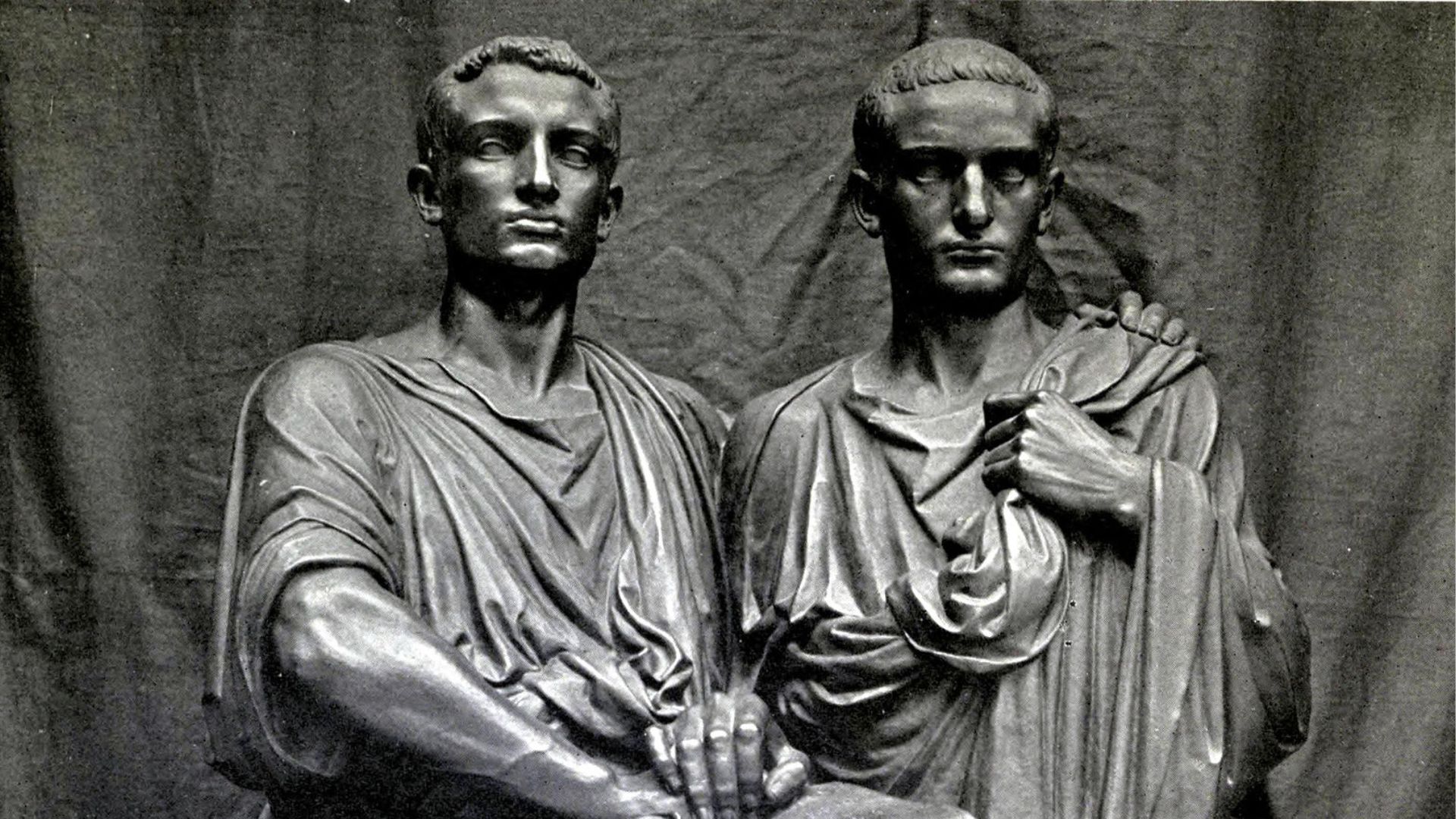
Although the Gracchi brothers were raised in luxury as Roman aristocrats, they both were extremely concerned with the dissatisfaction of the common people.
Because Tiberius was almost 10 years older than Gaius, he was the first of the brothers to see the true problems within Rome’s failing system and fight for the common man.
The Rome That Was Had Changed Beyond Recognition
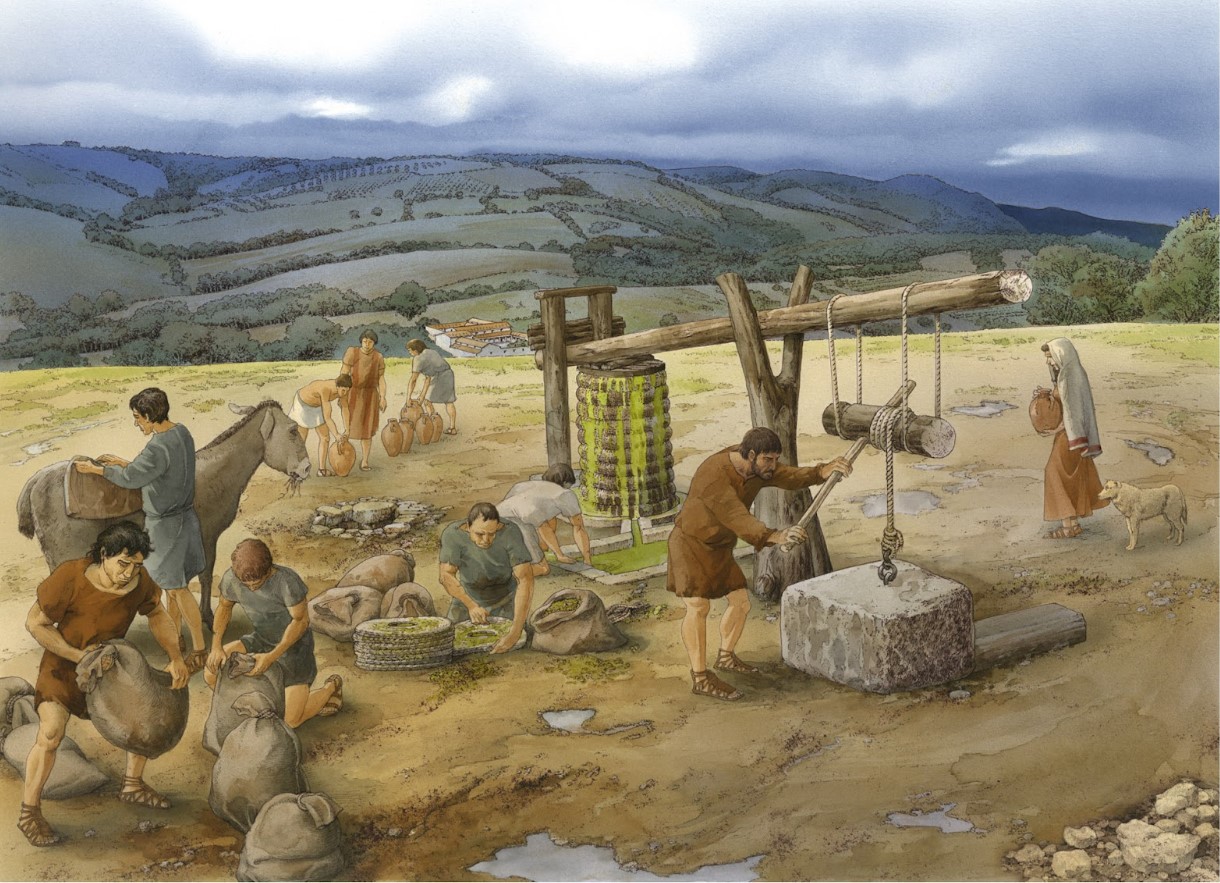
For years, the Roman Empire had been made up of small family farms owned by its citizens. But when Tiberius was in his early 20s, he walked throughout the Empire and realized that the farmland was now owned by the rich and run by slaves.
Moved by the injustice he saw in the countryside, Tiberius began giving public speeches and famously said, “The Romans are called the masters of the world, but they do not possess a single clod of dirt which they can truly call their own.”
A Leader for the People
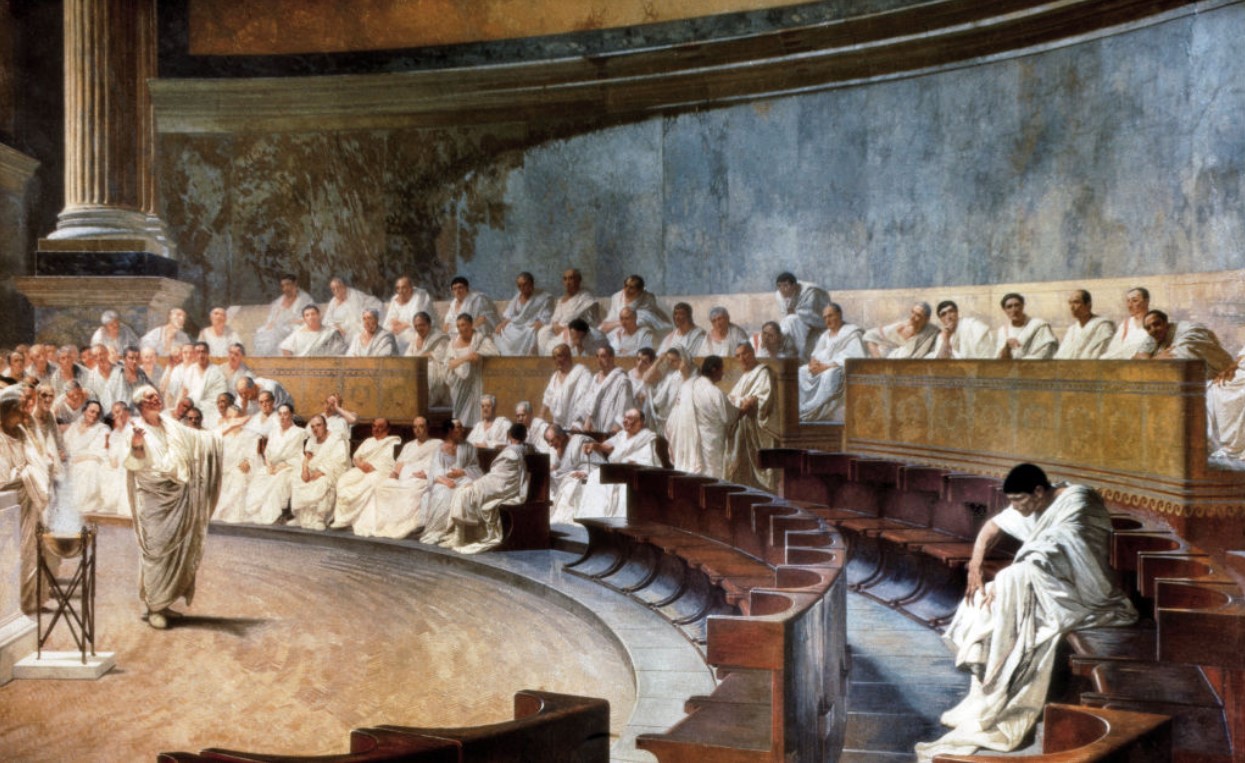
The citizens of Rome saw Tiberius as a man of the people and the kind of leader they wanted to see in office, so they elected him as Tribune of the Plebs.
In this office, Tiberius was able to propose legislation to the Senate, dictate the limits on land ownership, and even assign pieces of farmland to Roman citizens in need.
The Senate Didn’t Appreciate Tiberius’ Policies
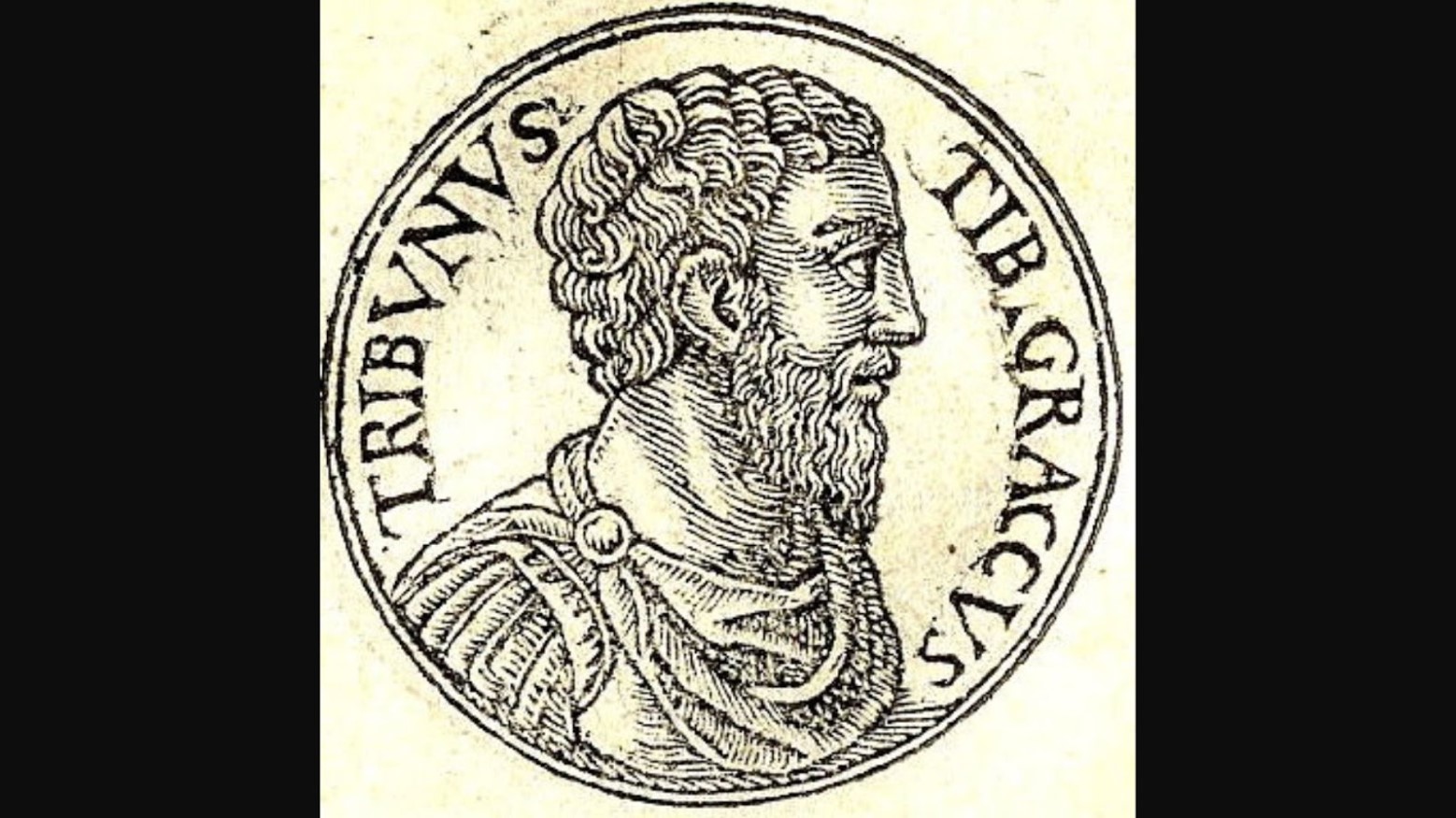
While in many ways, Tiberius was trying to simply return the Roman Empire to its former policies, the Senate felt as though he was obtaining far too much power.
Tiberius made the Senate nervous as he proposed his legislation ideas to the people instead of the Senate, surpassing their power and passing reforms without their vote. He ran for a second term, something that no one in his position had done before. However, the most dangerous aspect of Tiberius was his power, as he was incredibly popular among Roman citizens.
The Senate Took Matters into Its Own Hands
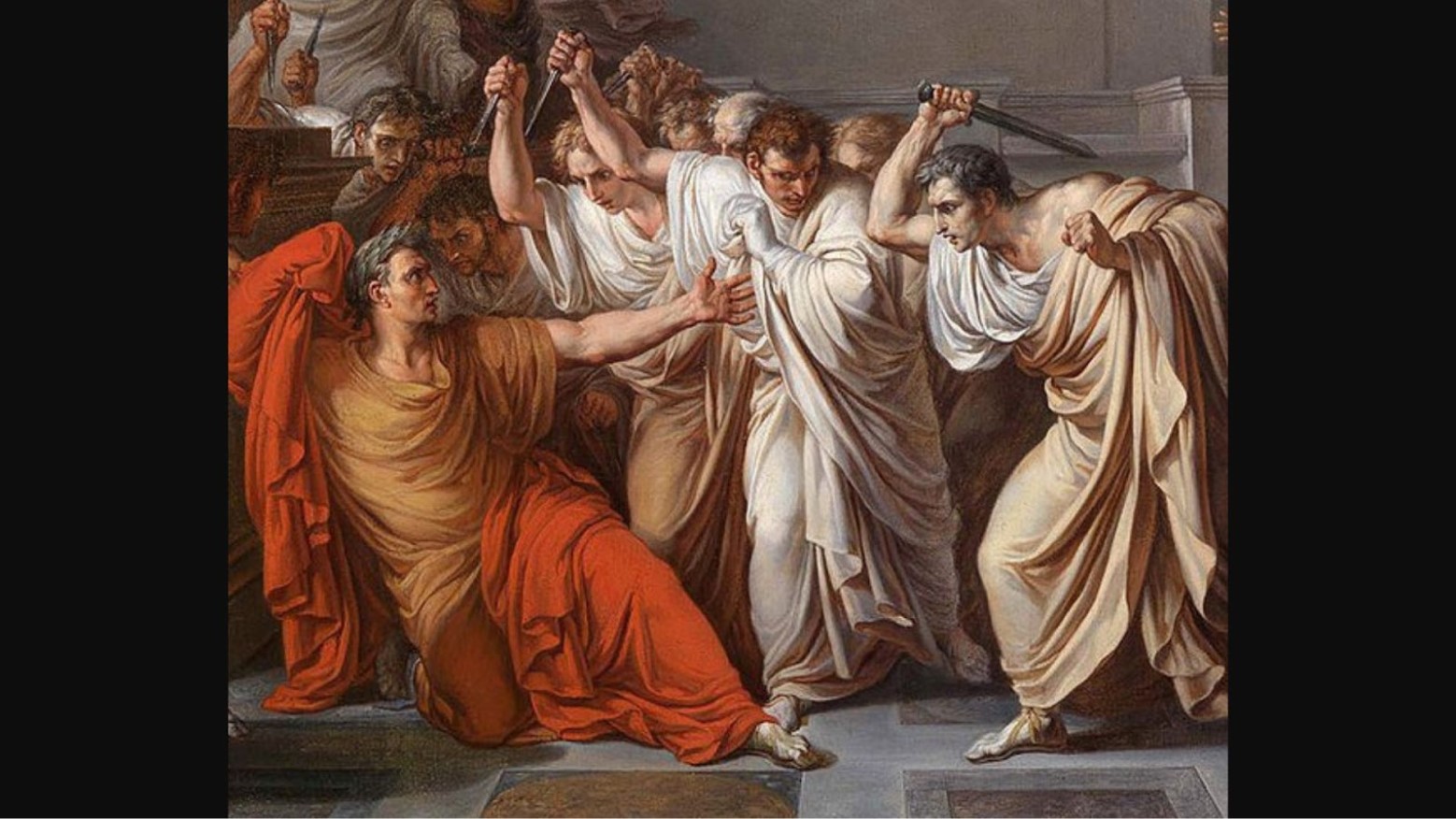
Because they saw Tiberius as a threat to their unquestionable power over the people, the Senate decided to have Tiberius killed when he was only 29 years old.
However, just as soon as they had rid themselves of one problem, another appeared. Tiberius had been teaching his younger brother Gaius about the injustice of the Empire toward its people all those years, and Gaius was ready to continue his brother’s fight.
The Tragic End of Tiberius Gracchus
Tiberius, met a violent death that had significant implications for the Roman Republic. His innovative political tactics, particularly his approach to land reform, were central to his downfall.
Tiberius was murdered not necessarily because of his political beliefs, but instead, it was his methods that got him killed. His death marked a departure from traditional political conflict resolution in Rome.
The Immediate Consequences of Tiberius’ Death
Following the assassination of Tiberius, a stark precedent was set, echoing throughout the Roman world.
A quotation from Homer's Odyssey was cited by Gracchus' cousin, Scipio Aemilianus, reflecting the gravity of the event: “So perish also all others who do such things”. This sentiment indicated a new, more violent approach to dealing with political dissent in Rome.
An Unprecedented Political Assassination
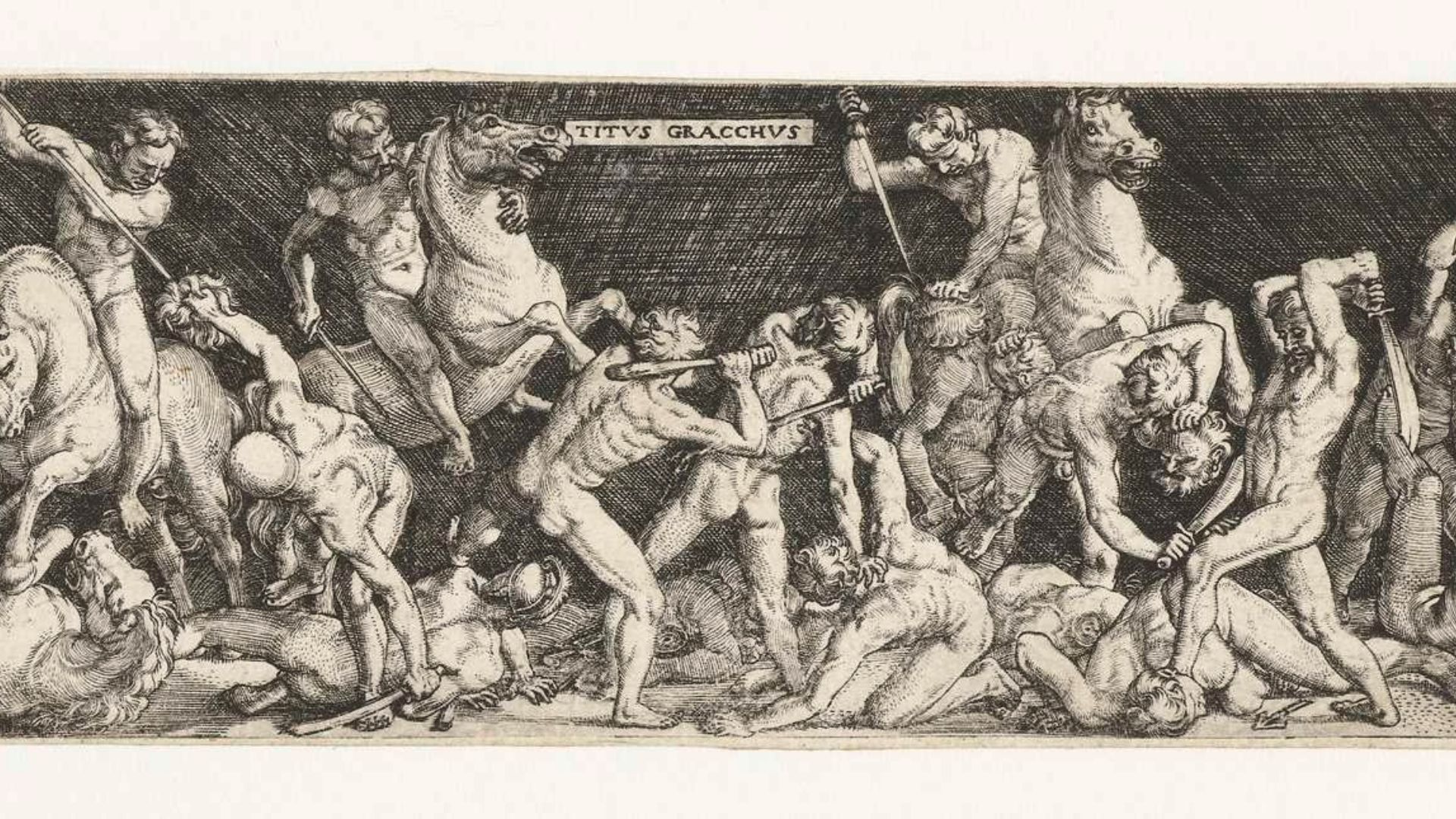
The killing of Tiberius was a watershed moment in Roman history, marking the first time such political violence had occurred.
It suggested that the murder was more an impulsive reaction to the immediate circumstances than a preplanned political strategy, showing how quickly political tensions could lead to violence.
Revolutionary Politics and Tiberius' Downfall
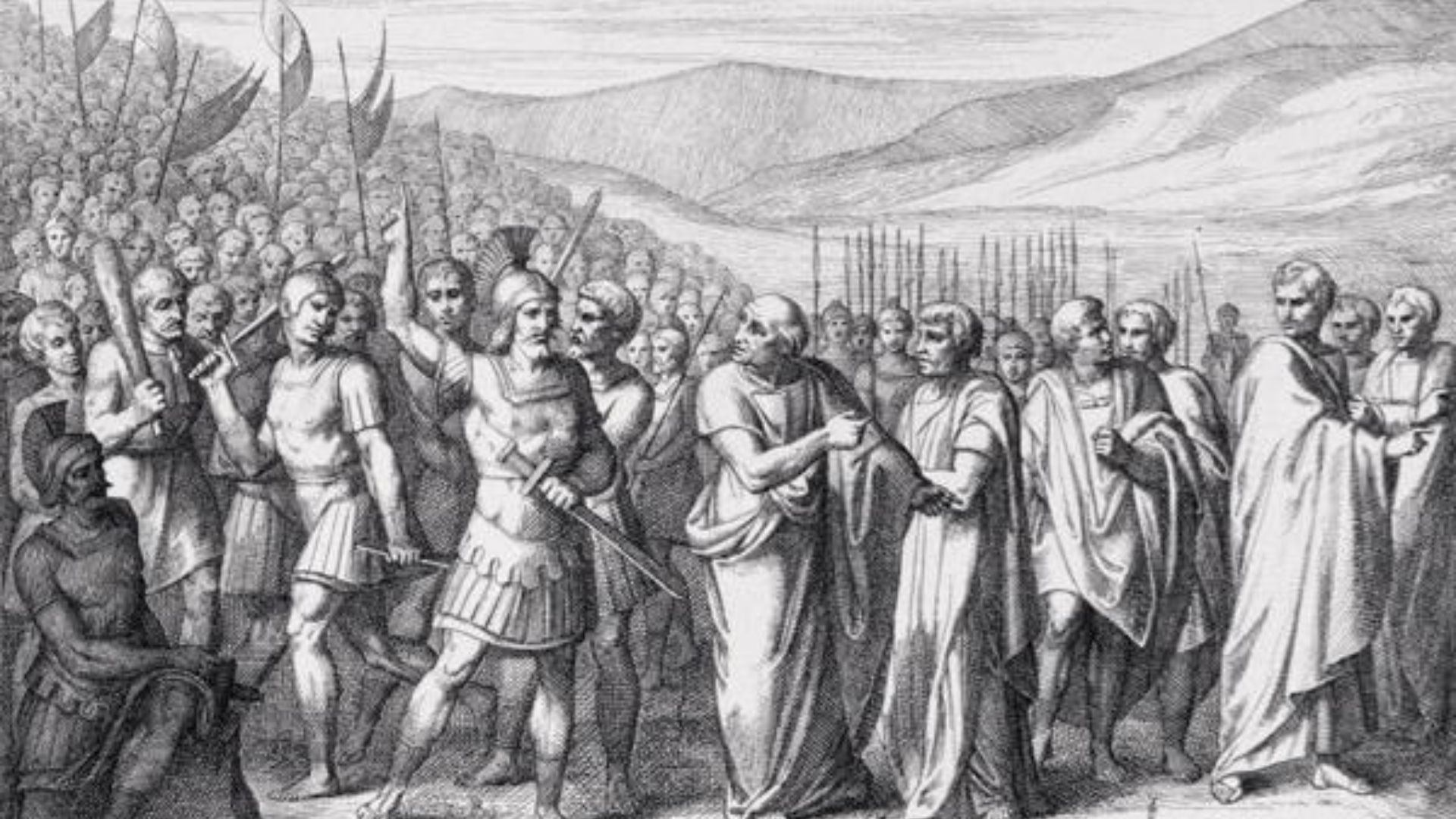
Tiberius’ approach to politics, especially his bypassing of traditional channels for his land reform agenda, was seen as groundbreaking yet controversial.
His direct methods were perceived as threats by his political rivals, escalating the tensions that culminated in his assassination.
Posthumous Reputation and Misinterpretation
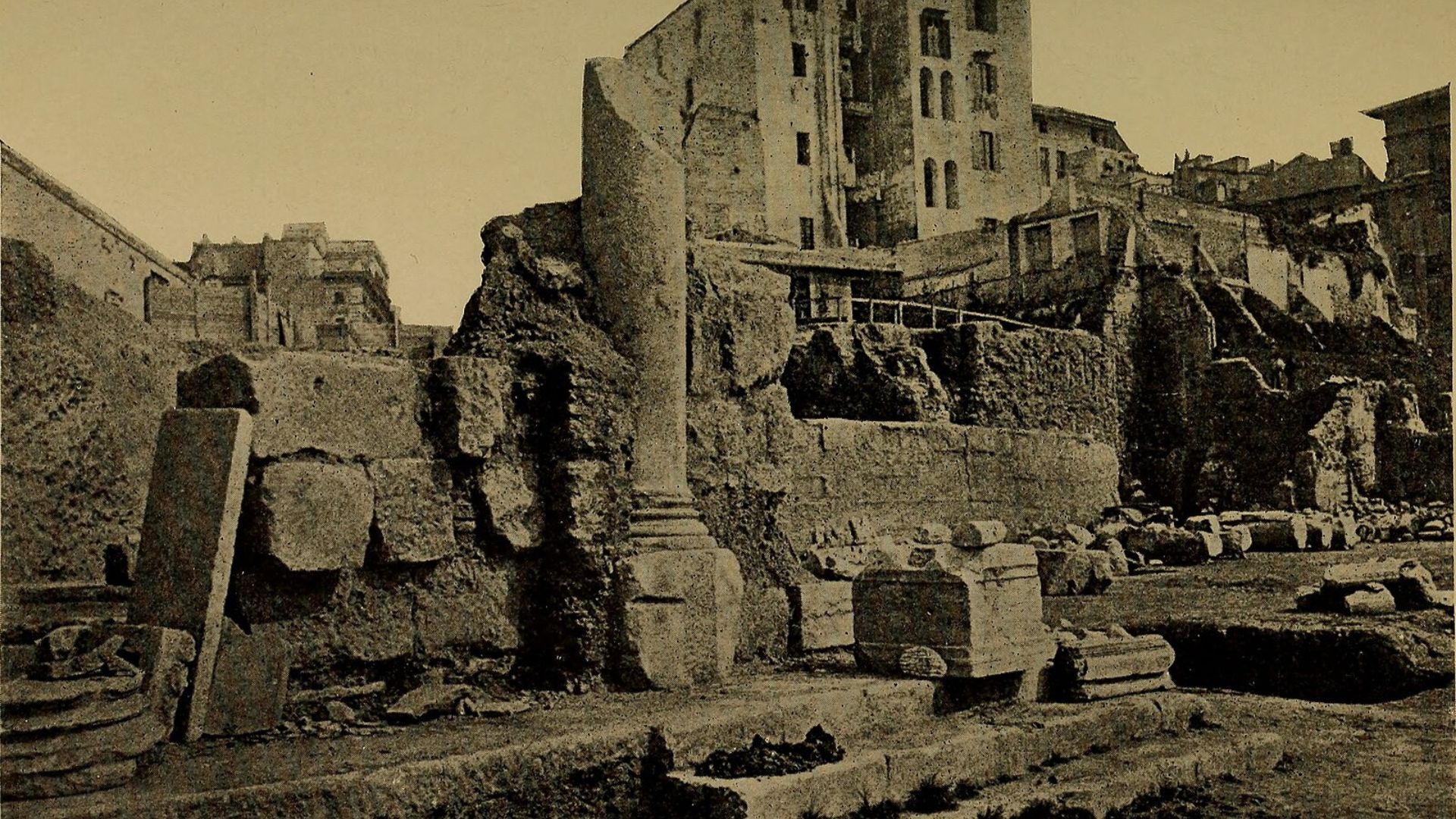
Following his death, the treatment of Tiberius and his adherents mirrored that typically reserved for despots, sending a stark message about the Senate's stance on challenging the political status quo.
This posthumous portrayal cast him in a negative light despite his adherence to legal norms in his reforms.
Controversial Policies and Senatorial Backlash
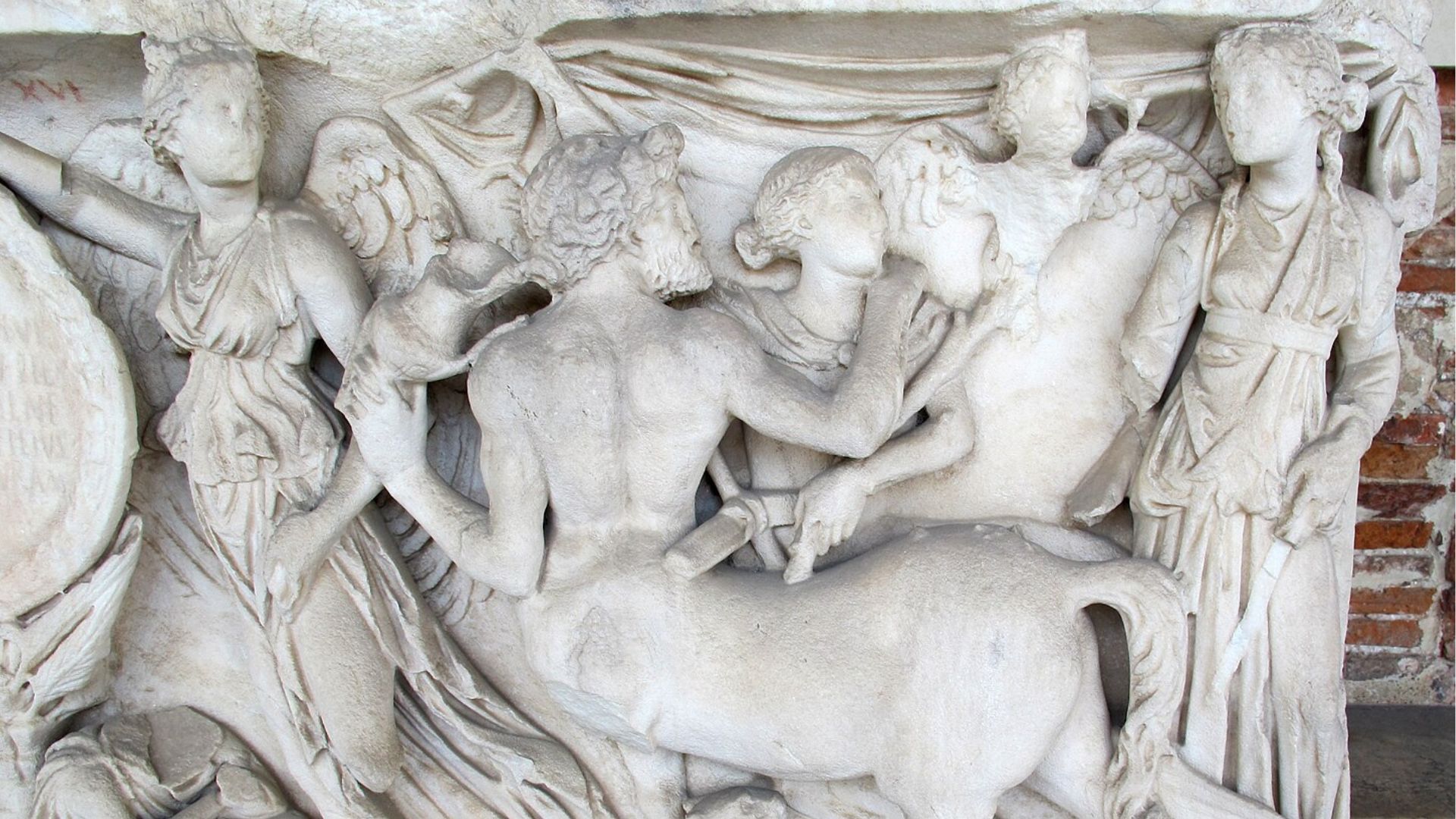
Tiberius’ stance on land reform and his disregard for the traditional senatorial approval process marked him as a radical.
His innovative yet contentious tactics, particularly his financial strategies and interactions with the Tribune of the Plebs, drew ire from the patrician class who saw their interests under threat.
Economic Concerns and Political Challenges
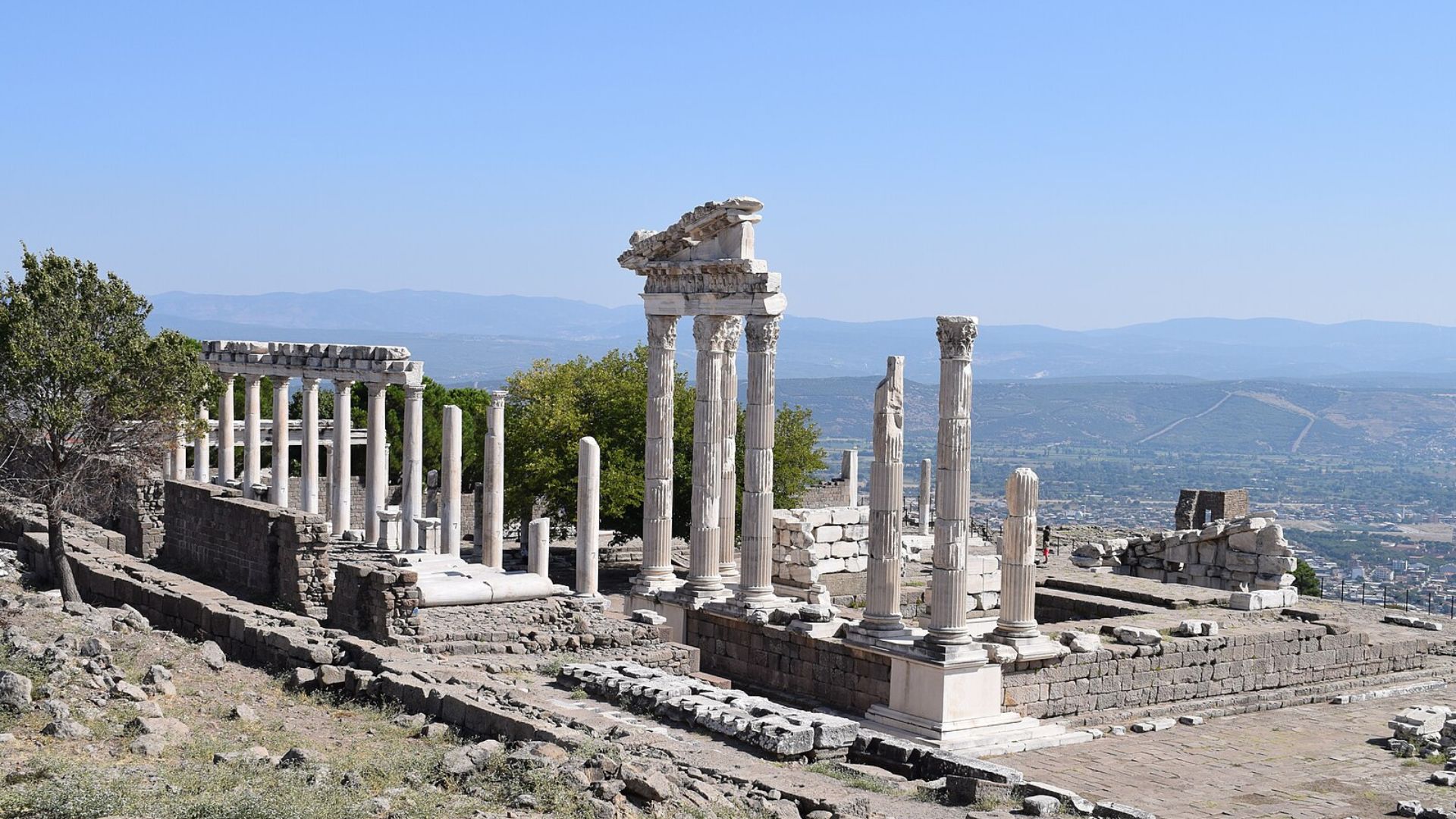
The financial implications of Tiberius’ policies, especially his plans to fund land reforms with profits from Pergamum, were a significant point of contention.
This move not only affected the economic interests of the patrician senators but also challenged their political authority, exacerbating the conflict and contributing to the perception of Gracchus as a destabilizing figure.
Disrupting Tradition and Provoking Hostility
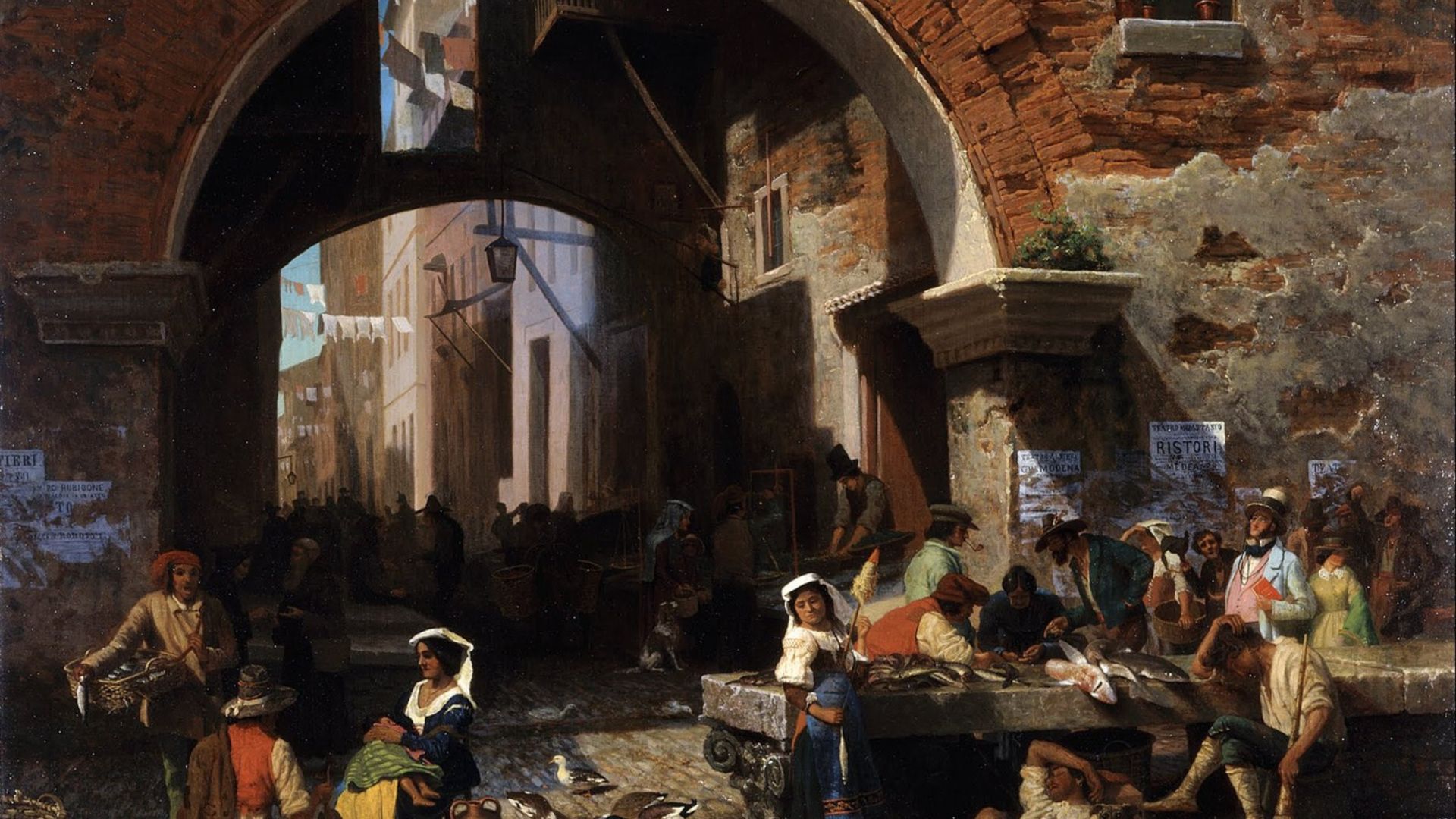
Tiberius’ actions, including his confrontational stance with Octavius and his legislative strategies, were viewed as violations of Roman traditions.
His readiness to sidestep established procedures and challenge Senate norms branded him as a revolutionary figure, fueling the antagonism that would lead to his violent end.
Senate's Stance on Tiberius’ Approach
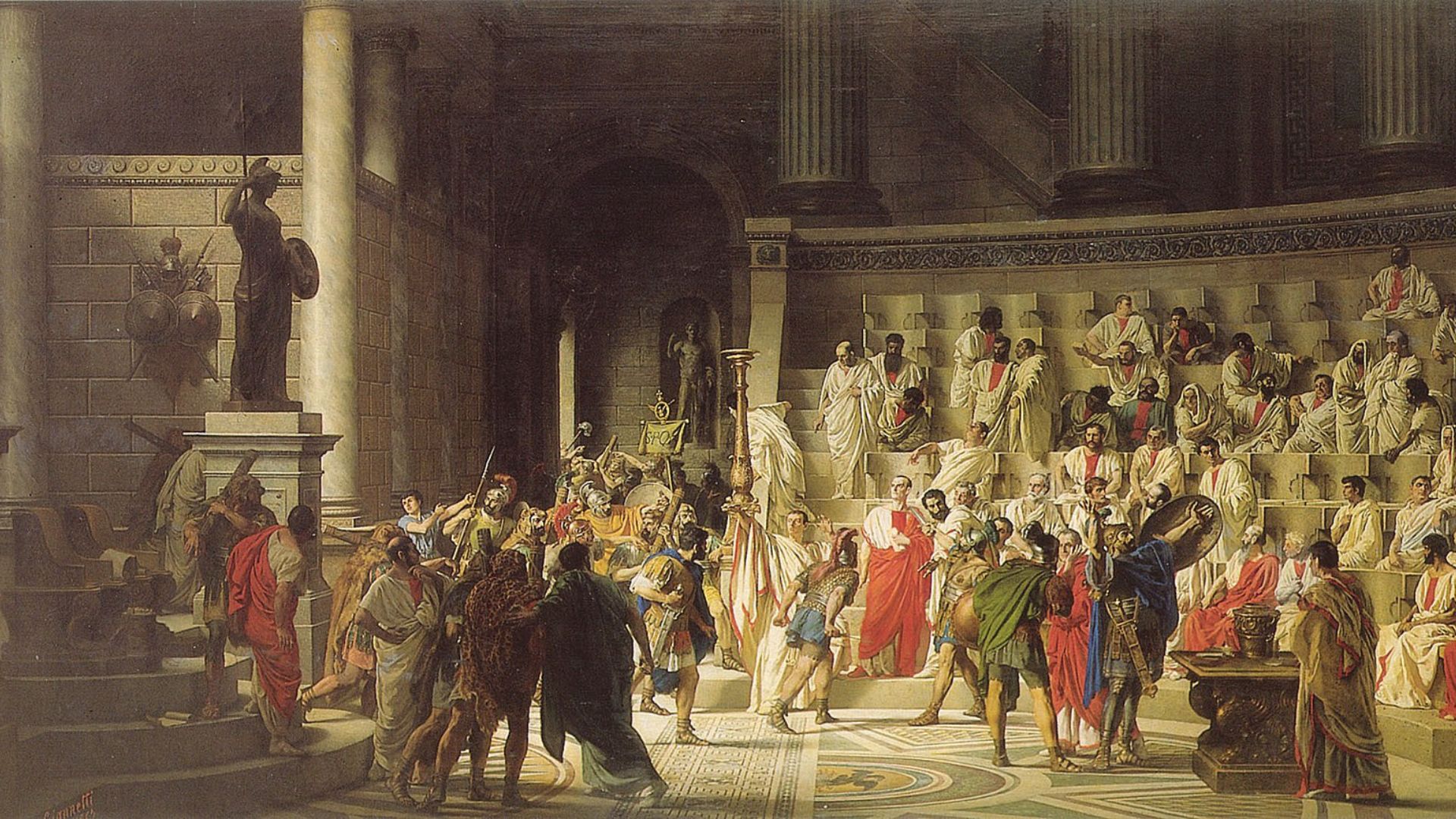
While Tiberius’ policies might not have been inherently objectionable to the Senate, his unconventional methods were a significant concern.
His approach to politics, characterized by bypassing traditional senatorial procedures, provoked anxiety among the senators, who viewed such actions as a threat to the established order and the traditions of the Roman Republic.
Senate's Strategic Labeling of Gracchus
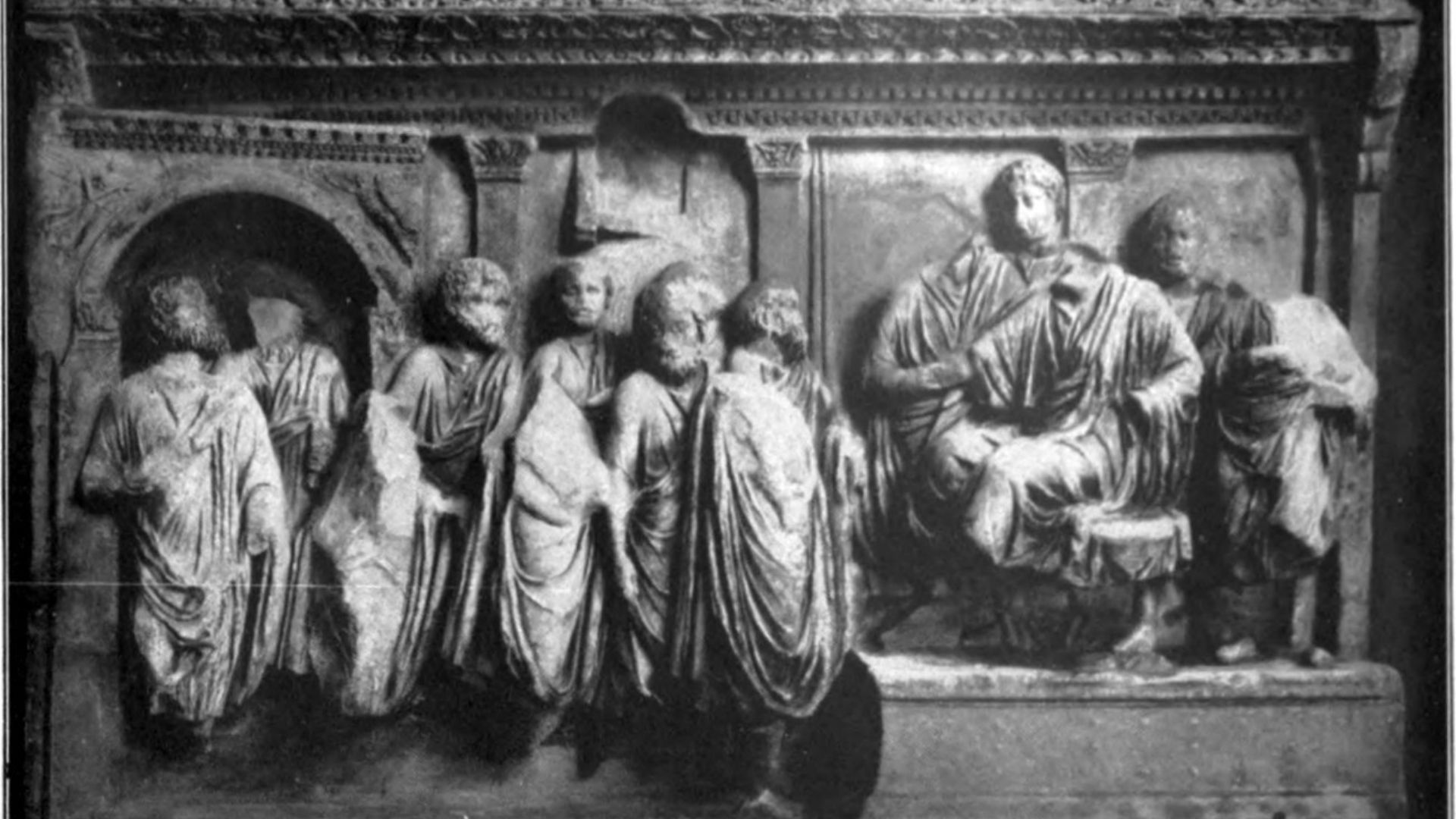
The Senate's decision to label Tiberius a tyrant was a strategic move to frame his assassination within the context of protecting the Republic.
By portraying Tiberius as a threat to Roman tradition, his opponents justified their actions as a necessary response to preserve the stability and continuity of the Republic.
Endorsing Violence in Political Discourse
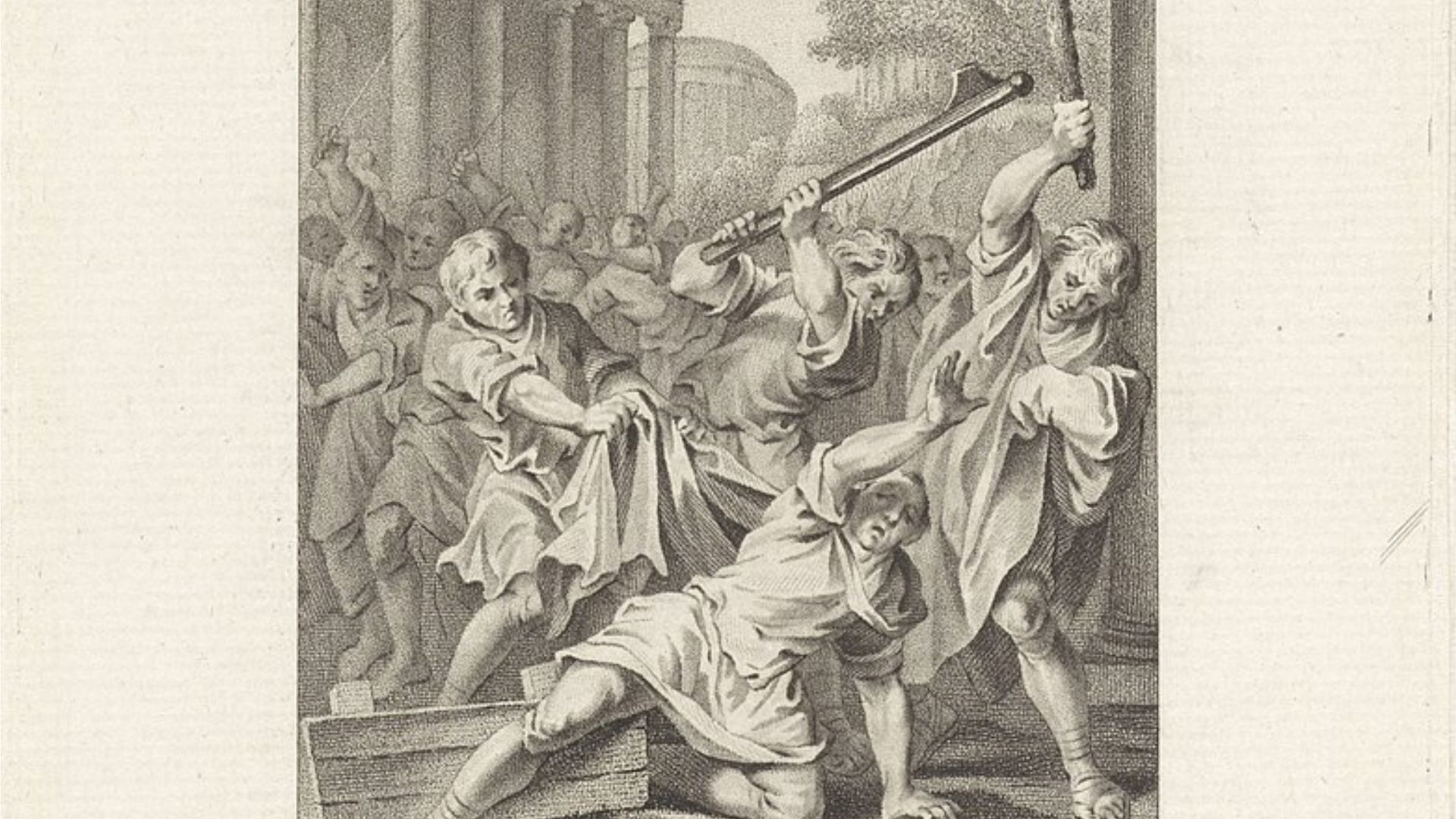
The assassination of Tiberius set a dangerous precedent, endorsing violence as a means of addressing political disputes and diminishing the Senate's consultative role.
This shift had profound implications for the Roman Republic, influencing subsequent political dynamics and contributing to a more volatile and unpredictable political environment.
The Historical Significance of Tiberius’ Assassination
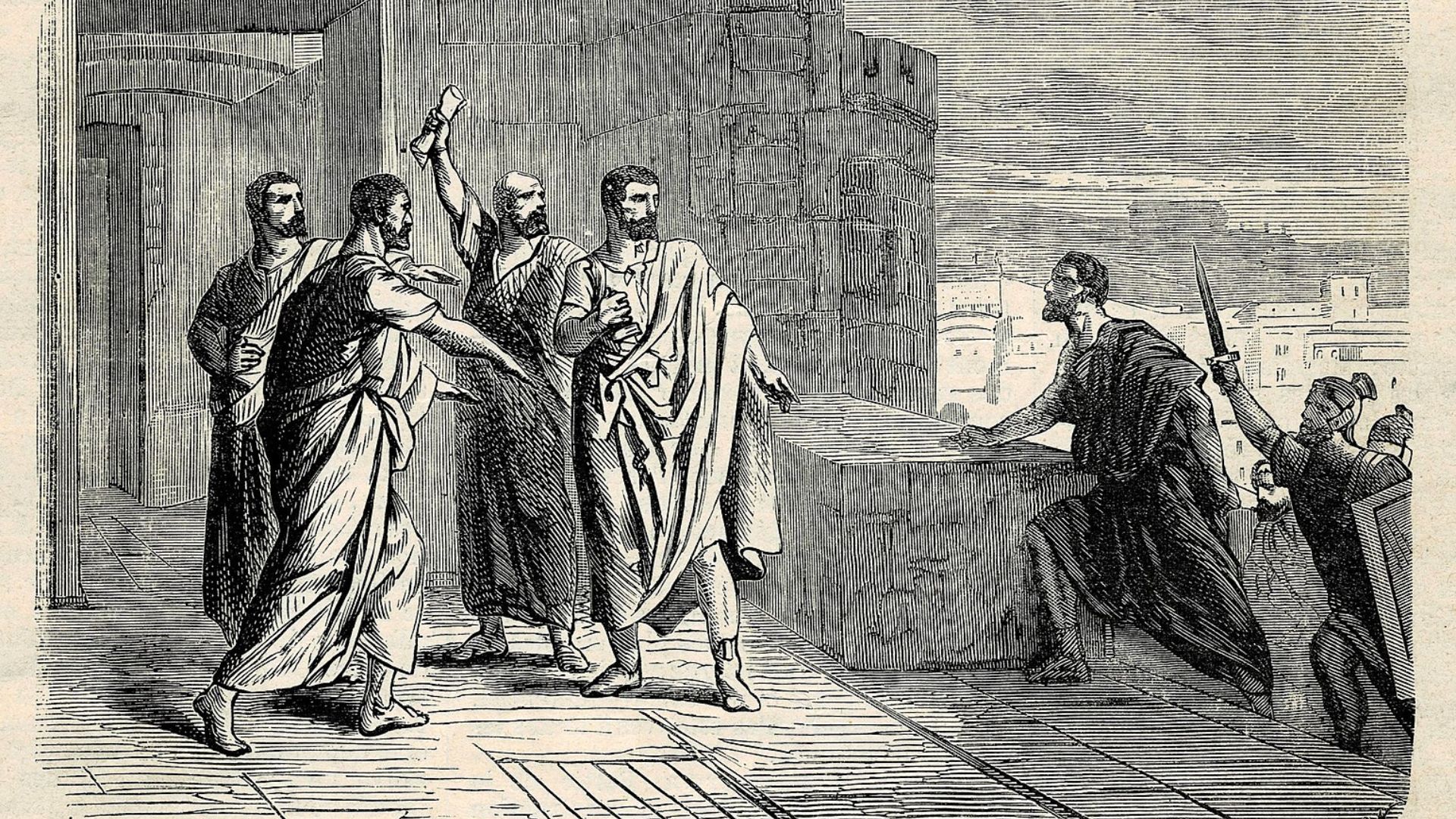
The death of Tiberius was a pivotal event in Roman history, signaling a shift in how political conflicts were resolved.
His assassination not only ended a potential era of reform but also initiated a period where political violence became an increasingly accepted aspect of Roman politics, affecting the Republic's trajectory in the years to come.
Gaius Gracchi’s Reforms Were Even Bolder Than His Brother’s
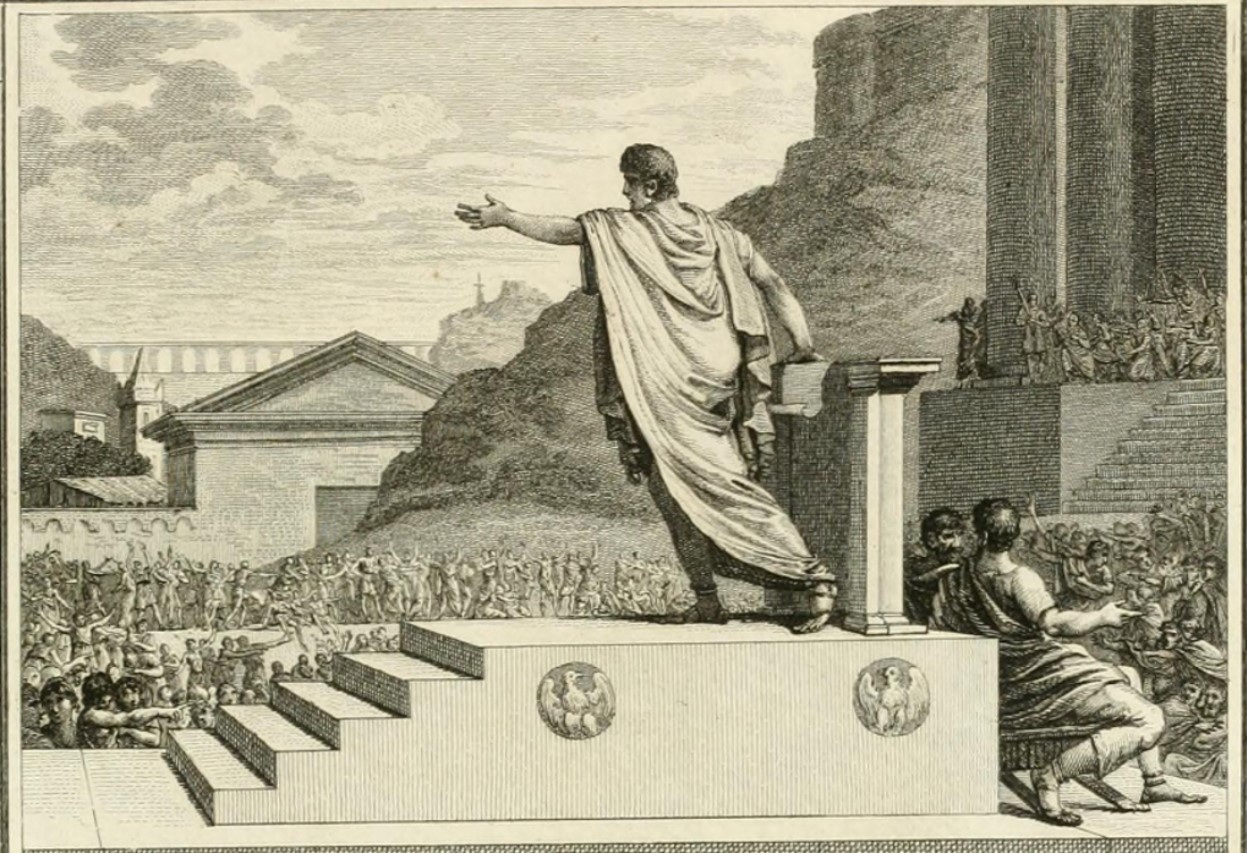
When Gaius was elected by the people, he took his brother’s ideas and even bolder ratifications.
He wanted new roads for the citizens, welfare in the form of subsidized grain for the impoverished, full citizenship for foreign slaves, and a complete reorganization of land so that it would once again be in the hands of all Roman citizens, not just the elite.
The Senate Was Afraid to Murder Another Radical
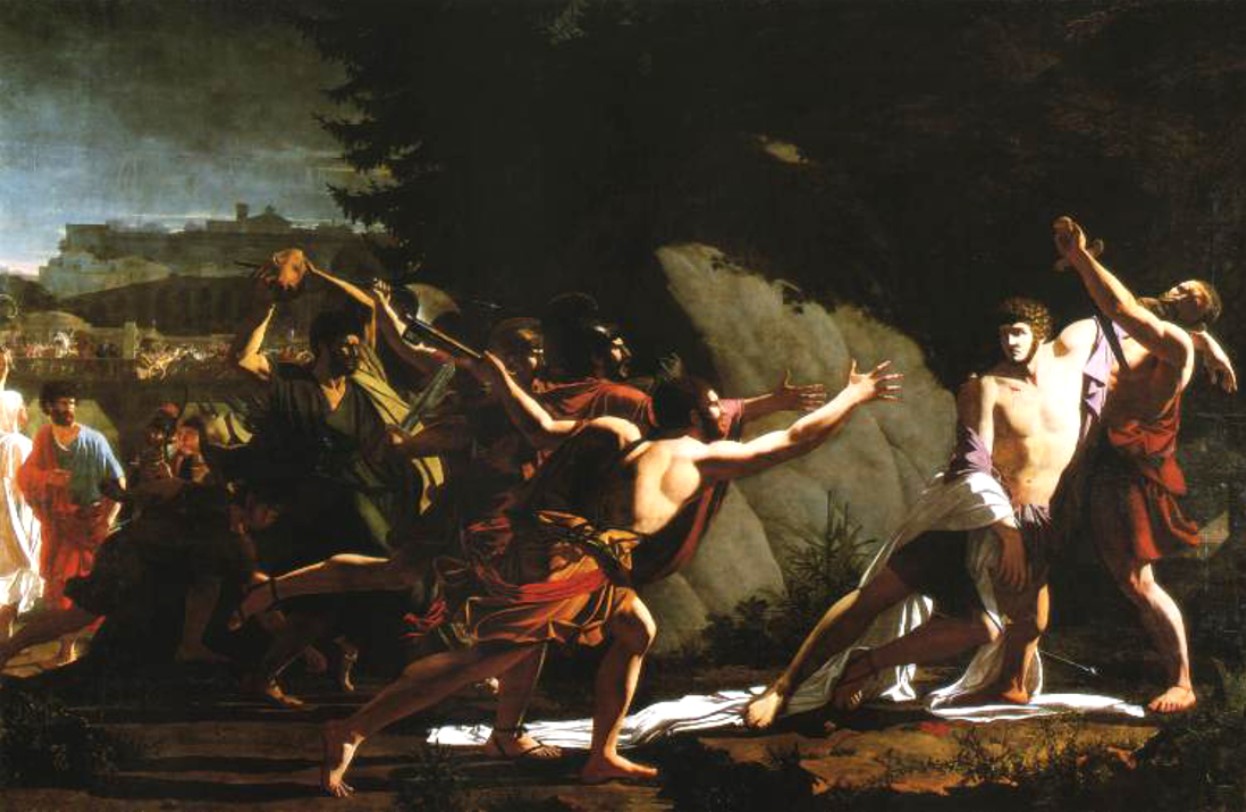
Because the people were still angry about the murder of their beloved leader Tiberius, the Senate was afraid to do the same to Gaius, but they knew they needed to find a way to strip him of his power.
So, they decided to support another candidate for the Tribune election and convince the people that their choice of leader was far better for them than Gaius.
Former Supporters Ran Gaius Out of Town
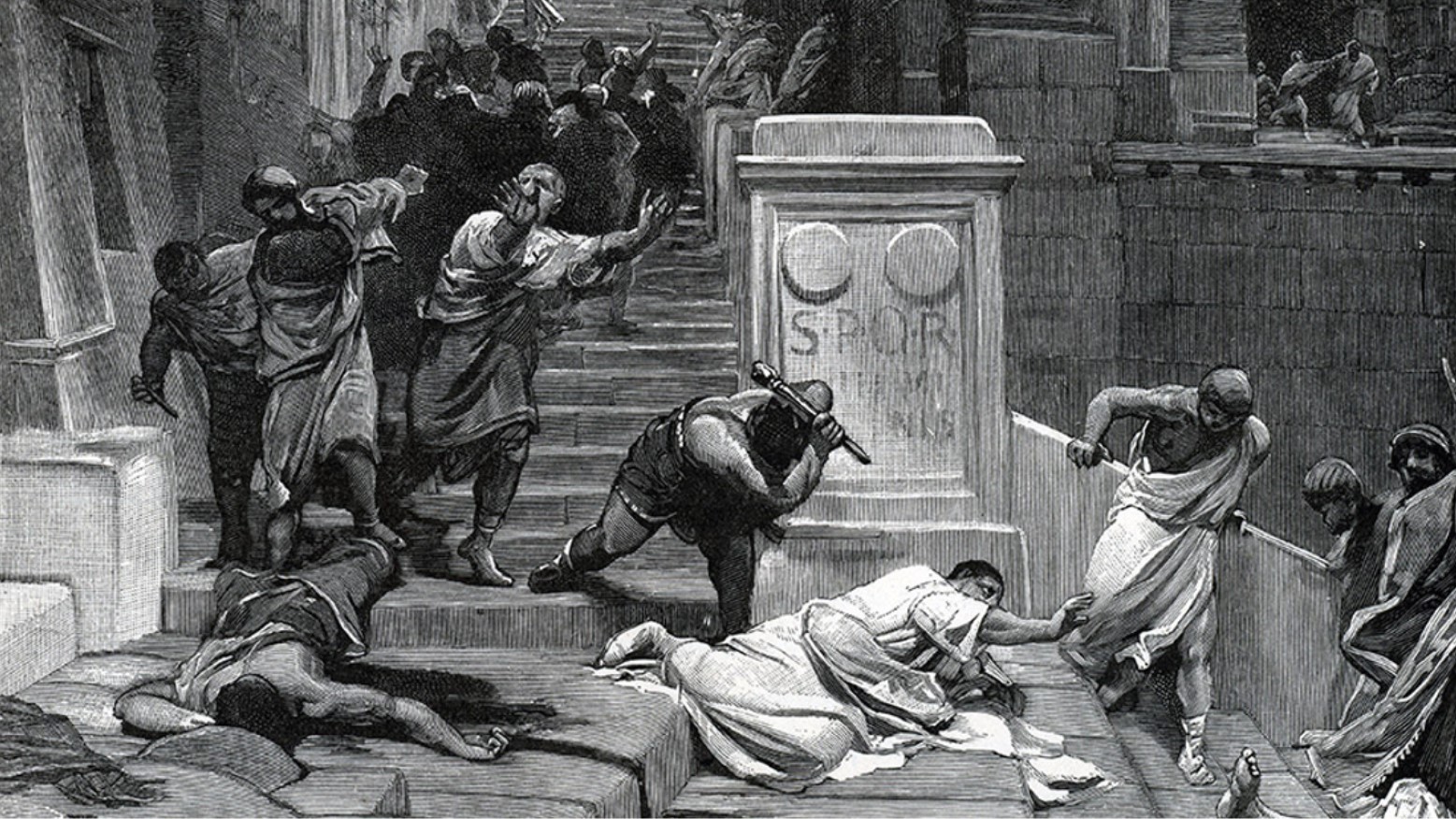
Sadly for Gaius, the Senate’s plan worked, and its citizens, many of whom once supported the radical reformer, ran him out of town.
The story goes that Gaius Gracchi died shortly after being violently removed from the city. He was only 33 years old.
Did the Gracchi Brothers Change the Course of History?
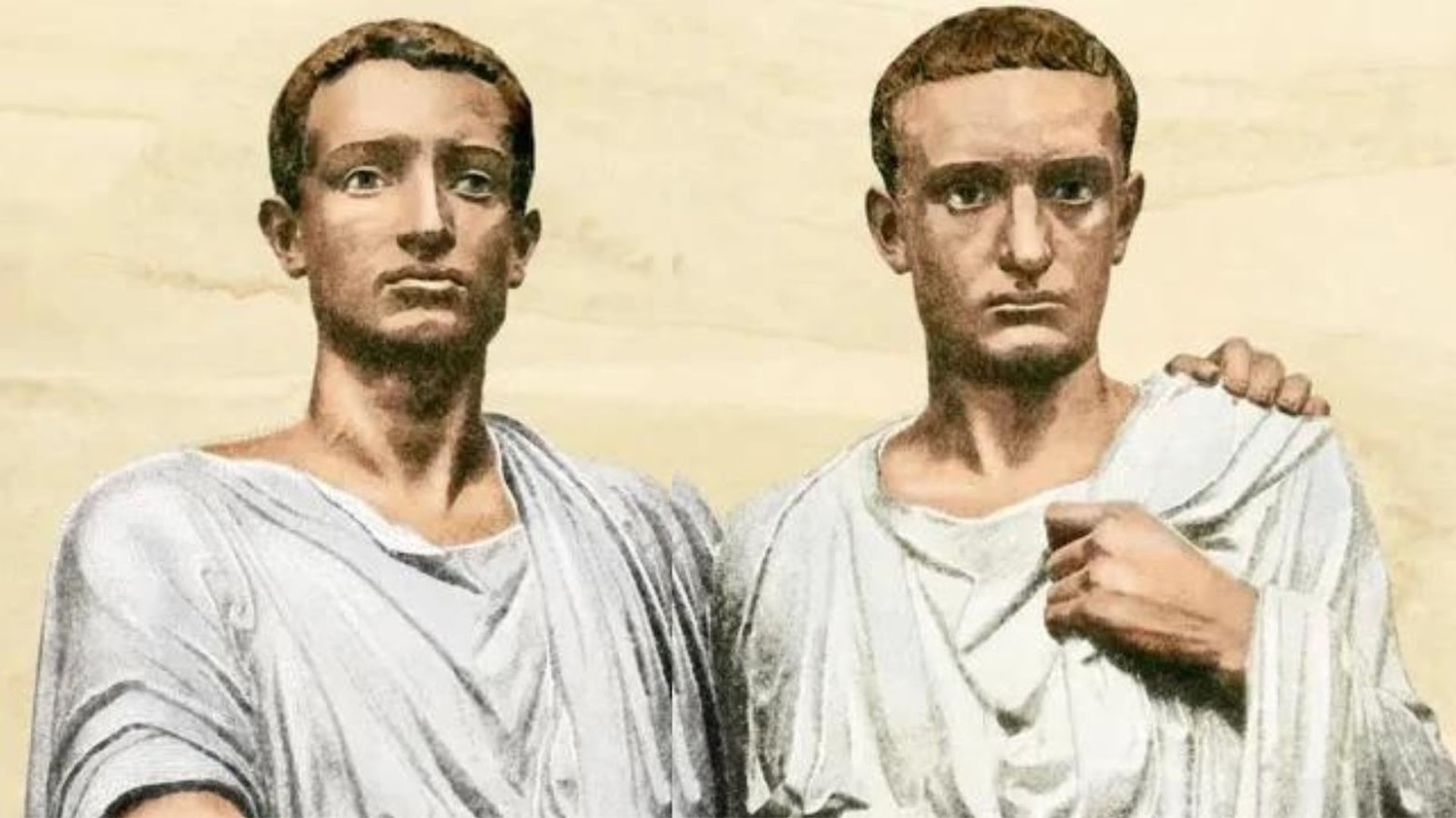
Although they both died after only a few short years in office, the majority of historians believe that the proposed reforms and ideas of the two men did, in fact, change the Roman Empire forever.
As the Senate attempted to stomp out anyone fighting for reform, Roman citizens got angrier, and eventually revolted against their government in the Social War. And many agree that the Gracchi brothers were the spark that ignited it all.