What Happened to the Knights Templar?
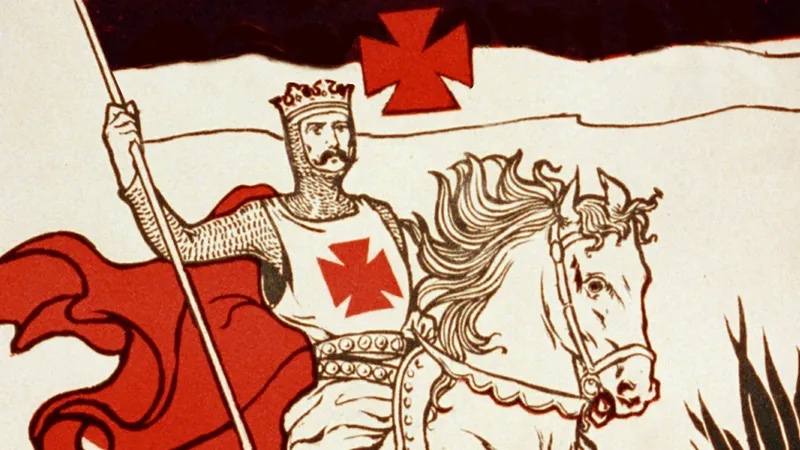
The Knights Templar, a 12th-century militant monastic order, has been the center of several conspiracy theories. From devil-worshiping to the Holy Grail to “discovering” the Americas, the militant monastic movement has been at the forefront of some of the biggest questions in Christian history.
But what is the truth behind these conspiracies? And why do we still talk about the Knights Templar centuries after the disbanding? Let’s get into it!
Who Were the Knights Templar?
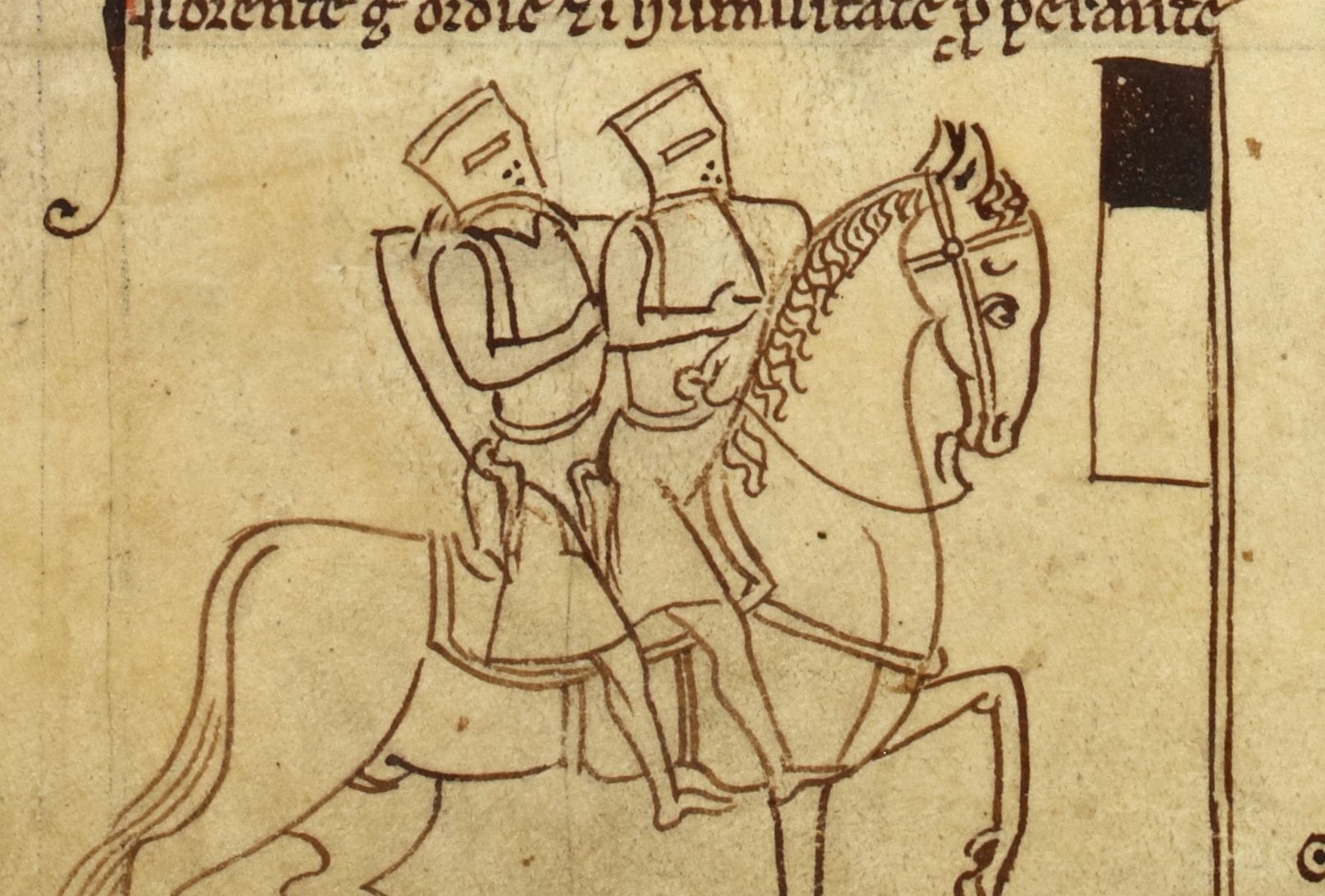
The Knights Templar was a powerful and enigmatic military order of the Catholic Church, founded in the wake of the First Crusade, according to the History Channel. The mission of the Templars was to protect Christians and fight against Muslims in the Holy Land. Engaging in banking and finance also propelled them to become one of the wealthiest organizations in Europe.
While they were one of the most wealthy and influential organizations of the Middle Ages, their story remains shrouded in mystery and legend.
Why Were They Called the Knights Templar?

French knight Hugh de Payns (sometimes spelled Hugues de Payens) led a group of knights, naming themselves after the al-Aqsa Mosque in Jerusalem, which Christians mistakenly believed to be the ancient Temple of Solomon.
This temple is where the city’s king, Baldwin II, provided shelter for the Poor Knights of Christ and the Temple of Solomon.
What Happened to the Knights Templar?
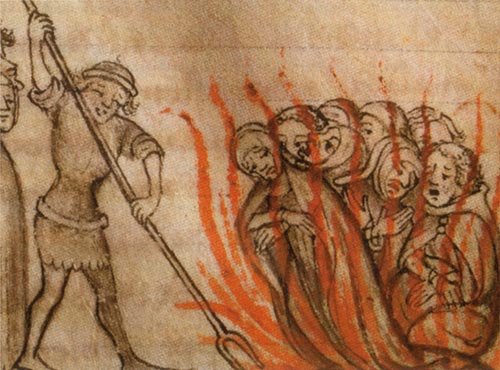
The Knights Templar began to lose their fortunes around the 13th century when the Crusades failed. In 1307, King Philip IV of France launched a scathing attack on the Templars, accusing them of heresy and immorality. Within a few years, the order he once praised as "fearless warriors of Christ" found itself suppressed by Pope Clement V in 1312.
After this, many Templars were arrested on the morning of October 13, and the bloodiest and most brutal episodes in the church’s history began to unfold.
History Remembers the Knights Templar, but Not With Accuracy
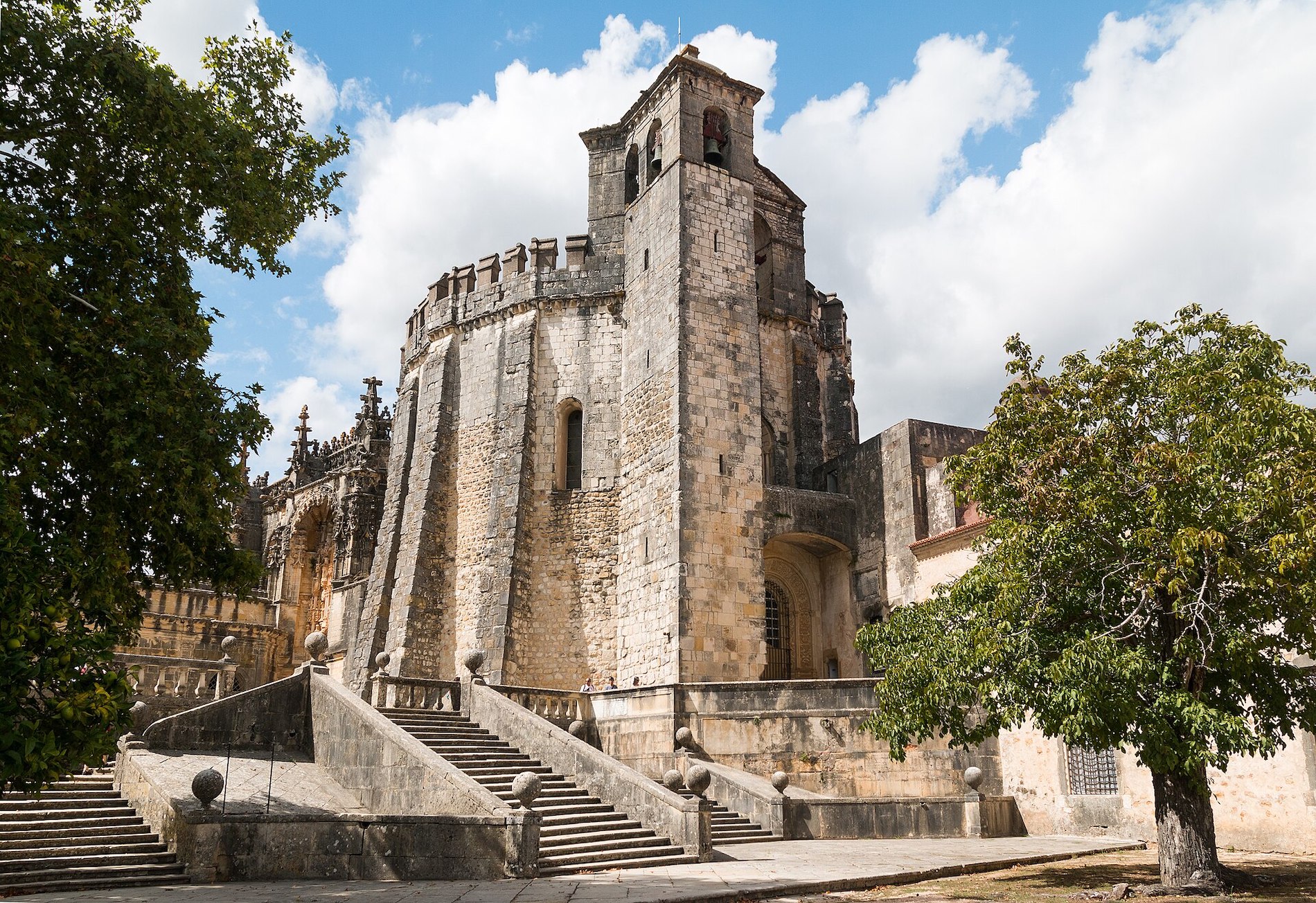
One of the longest-running threads in every conspiracy about the Templars is that they survived their dissolution. Rather than make a grand return to power, the group of knights acted in shadows, guarding ancient wisdom and treasure collected throughout their reign.
Among the treasures that the “existing” Templars supposedly hold onto is the legendary Holy Grail. This legend is so well known that Monty Python made a movie about it!
The Knights Templar Protects the Holy Grail
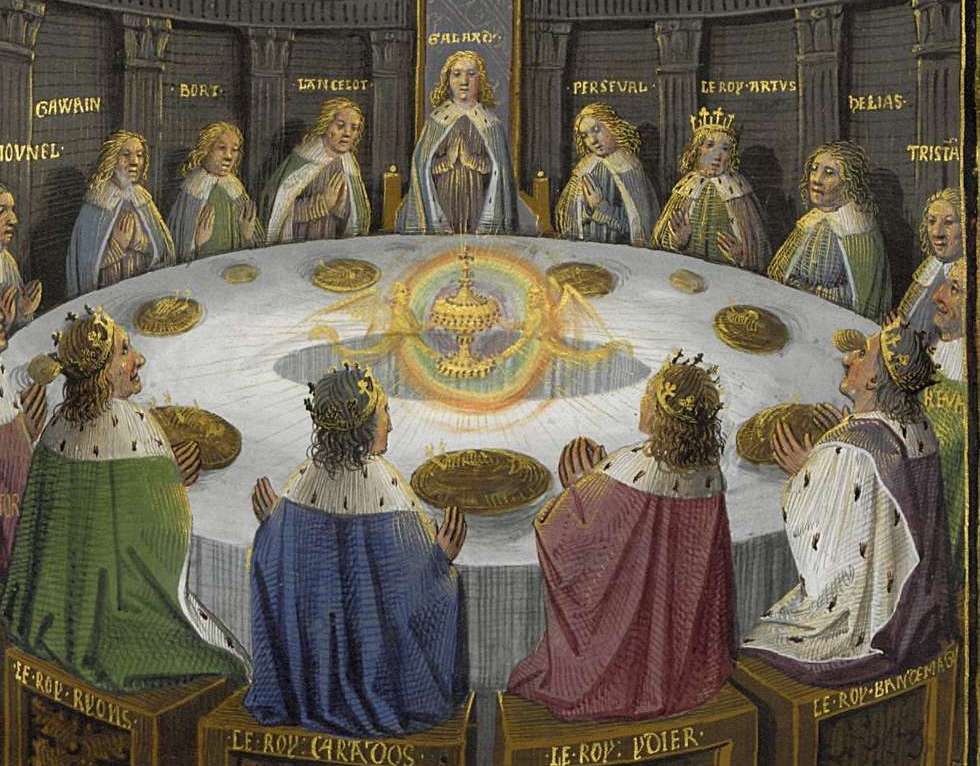
The Holy Grail has been long talked about. During the 12th century, “you find people talking about it. The Genoese … believed that they’d been able to buy the Holy Grail” and take it back to Italy,” historian Steve Tibble tells History Extra.
“We have to remember, we’re in a time where everybody is much more pious,” says Tibble, and that holy relics were a confirmation of faith.
What Is the Holy Grail?
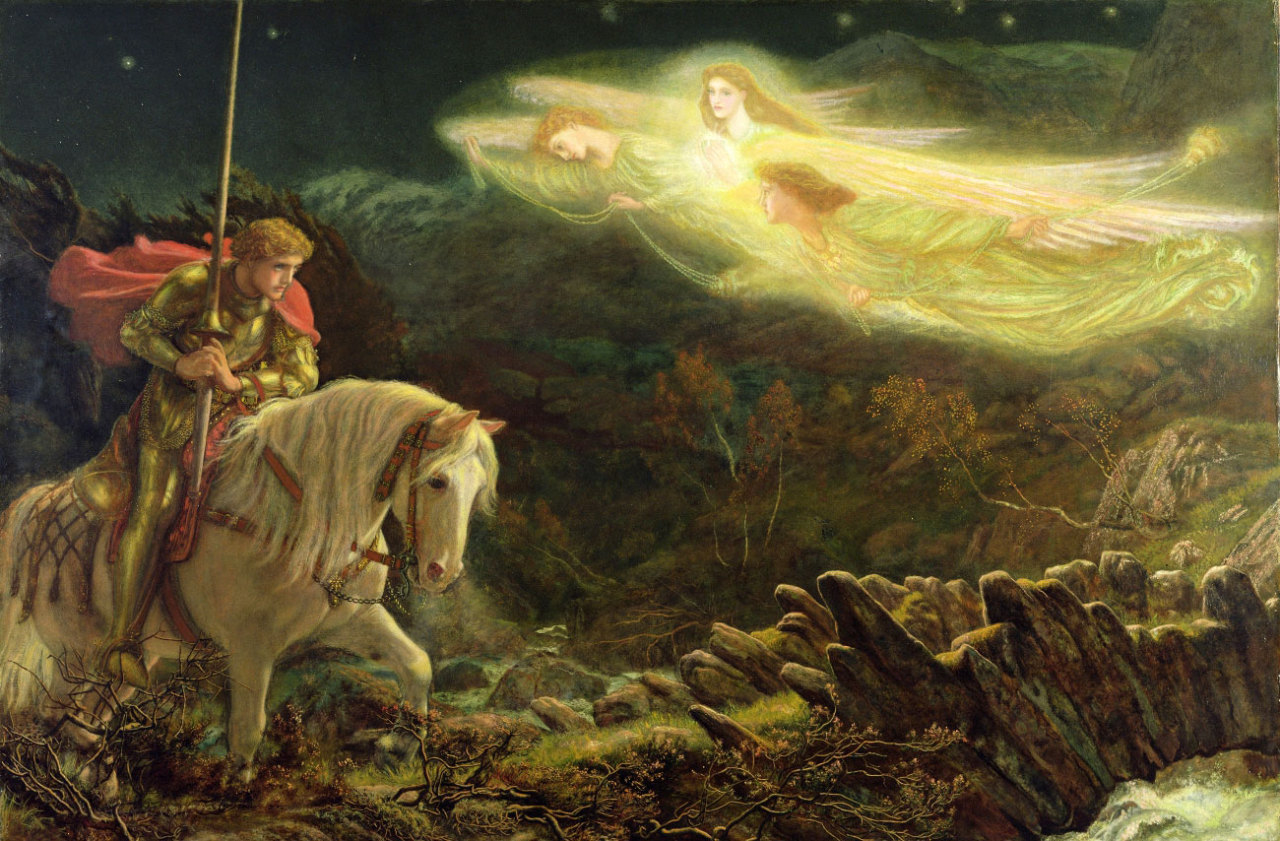
For those unfamiliar with this piece of Catholic iconography, the Holy Grail is a legendary treasure that appears in Arthurian literature as a mystical object with attributed powers. The first known mention of the Grail appears in an unfinished romance by Chrétien de Troyes, who described it as a processional platter.
In Arthurian legends, the Grail is a central object of a knight's quest. Finding the Grail symbolizes a journey of spiritual growth and moral perfection.
How Did the Theory Originate?
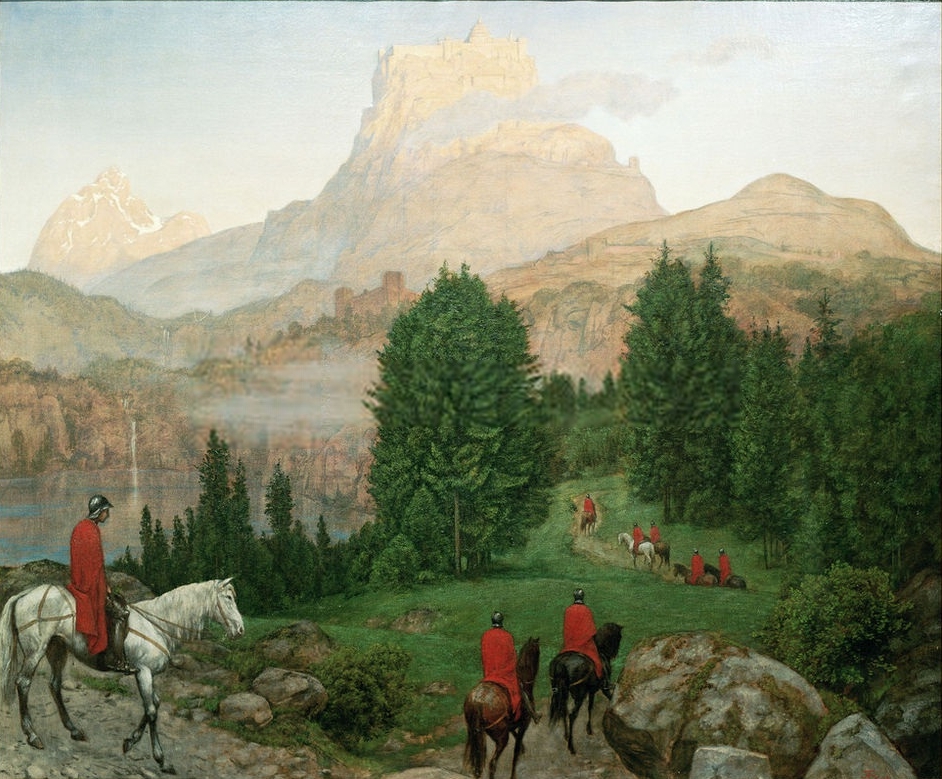
The belief that the Templars knew where the Holy Grail emerged much later after the order’s existence thanks to authors who portrayed the Templars as enigmatic protectors of sacred objects.
The sudden downfall shrouded the Templars in mystery, and public imagination ran wild with these stories of wealthy and powerful knights.
Another Conspiracy Started by the French Crown
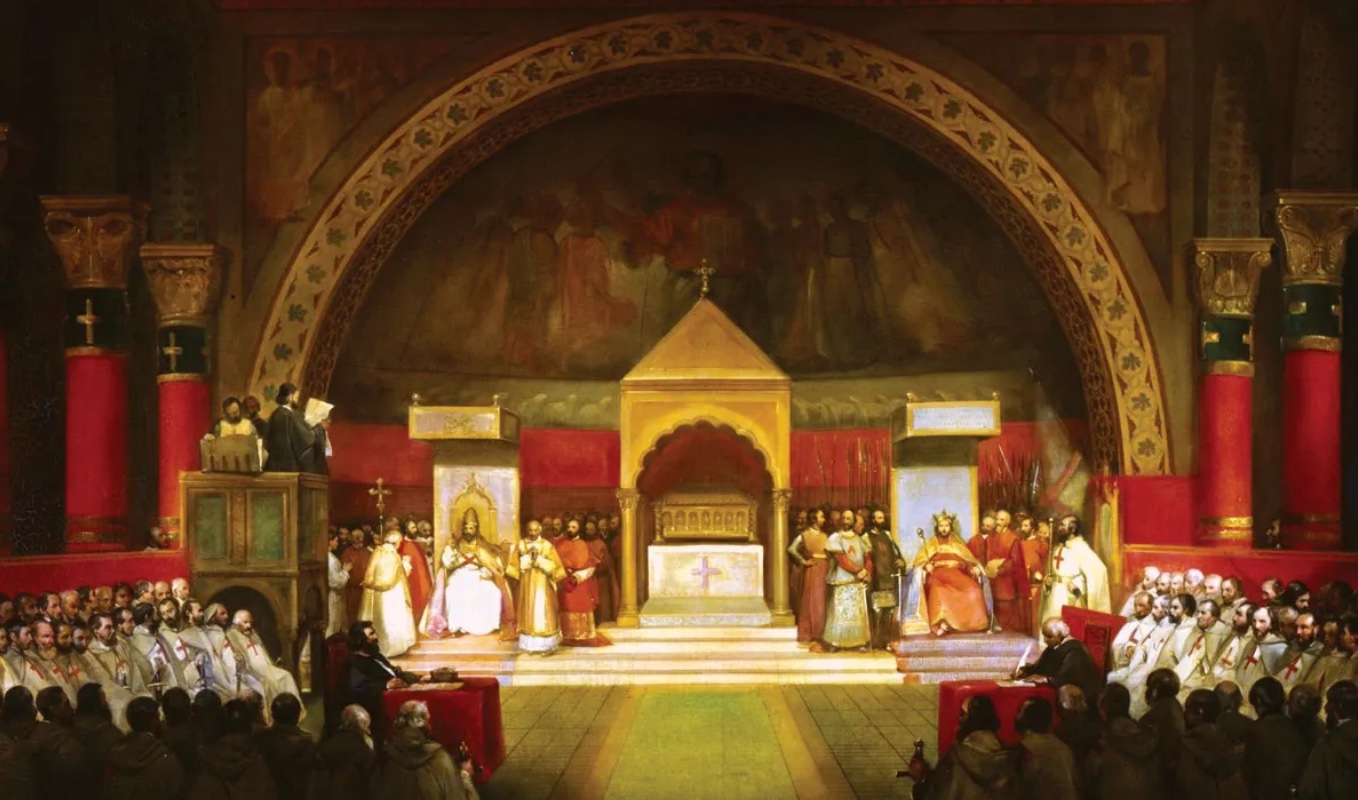
Another popular conspiracy theory that has roots in Philip IV’s plans against the Knights Templar bucks against the idea that these knights were protectors of all things holy. The Crusades were a time when people were god-fearing and took religion seriously.
French crown launched a witch-hunt to dismantle the Templars, who were hoarding much of the country's wealth.
Were the Templars Devil Worshipers?
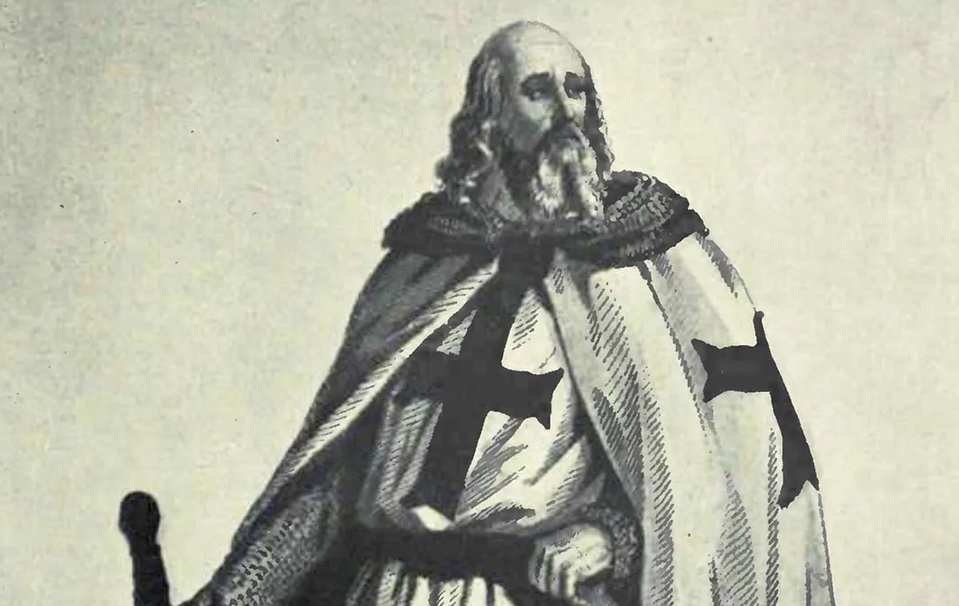
While some Templars fled into hiding during the arrests, some did admit “to being heretics, to being Satan worshippers, to committing acts of bestiality with cats. You name it, they confess[ed] to it,” Tibble says. To him, this proves that “if you torture somebody, they’ll say whatever you want."
The purpose of torture “was not to obtain the actual truth,” writes French historian Alain Demurger in his 2019 book, “The Persecution of the Knights Templar,” “but to elicit the specific truth that the accusers wanted to hear—it was that truth or death.”
The Revival of Interested in the Templars
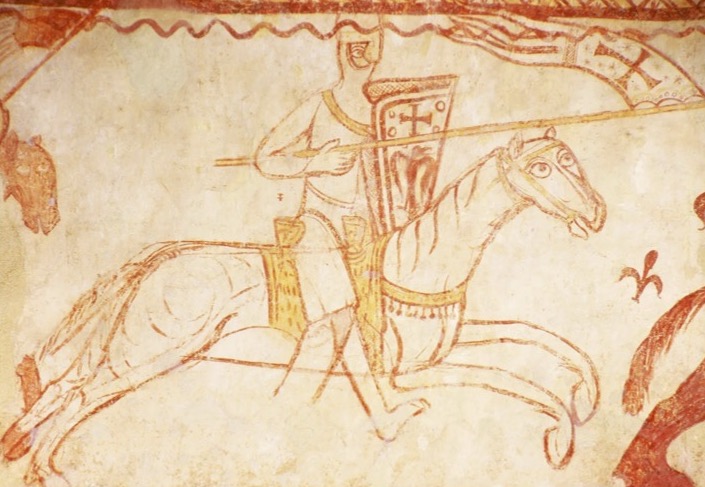
Centuries after the Templars were no longer around, the Victorian era sought to revive the intrigue and mystery around the knights through the novella. Tibble lays much of the blame on Scottish historian and novelist Sir Walter Scott for turning the Knights Templar into “larger-than-life pantomime villains.”
Adding fuel to the fire were organizations like the Freemasons, which boldly claimed that they inherited the Templars’ cache of ancient knowledge.
The Knights Templar Will Always be a Point of Fascination
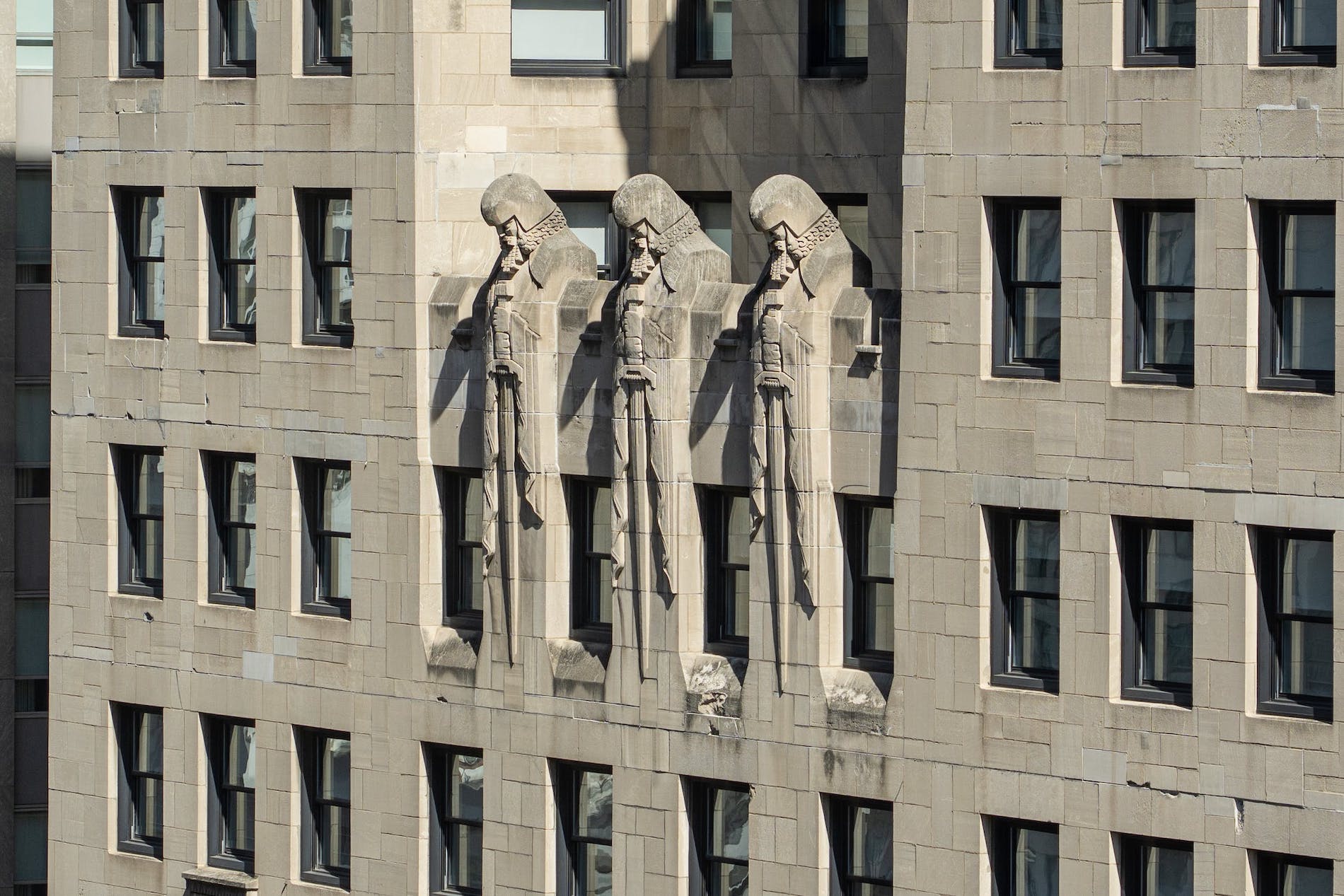
The Knights Templar's past, shrouded in mystery, romanticism, and conspiracy, beckons for further exploration. Though much remains shrouded, the very lack of information fuels the flames of conspiracy surrounding this complex organization.
The Templars are “a blank piece of paper [on which] we can write whatever fantasy we want,” Tibble says. There’s no question that they have provoked fascination throughout the centuries and will continue to do so long after we leave this world.