Did You Know the Iroquois Inspired the Women's Rights Movement?
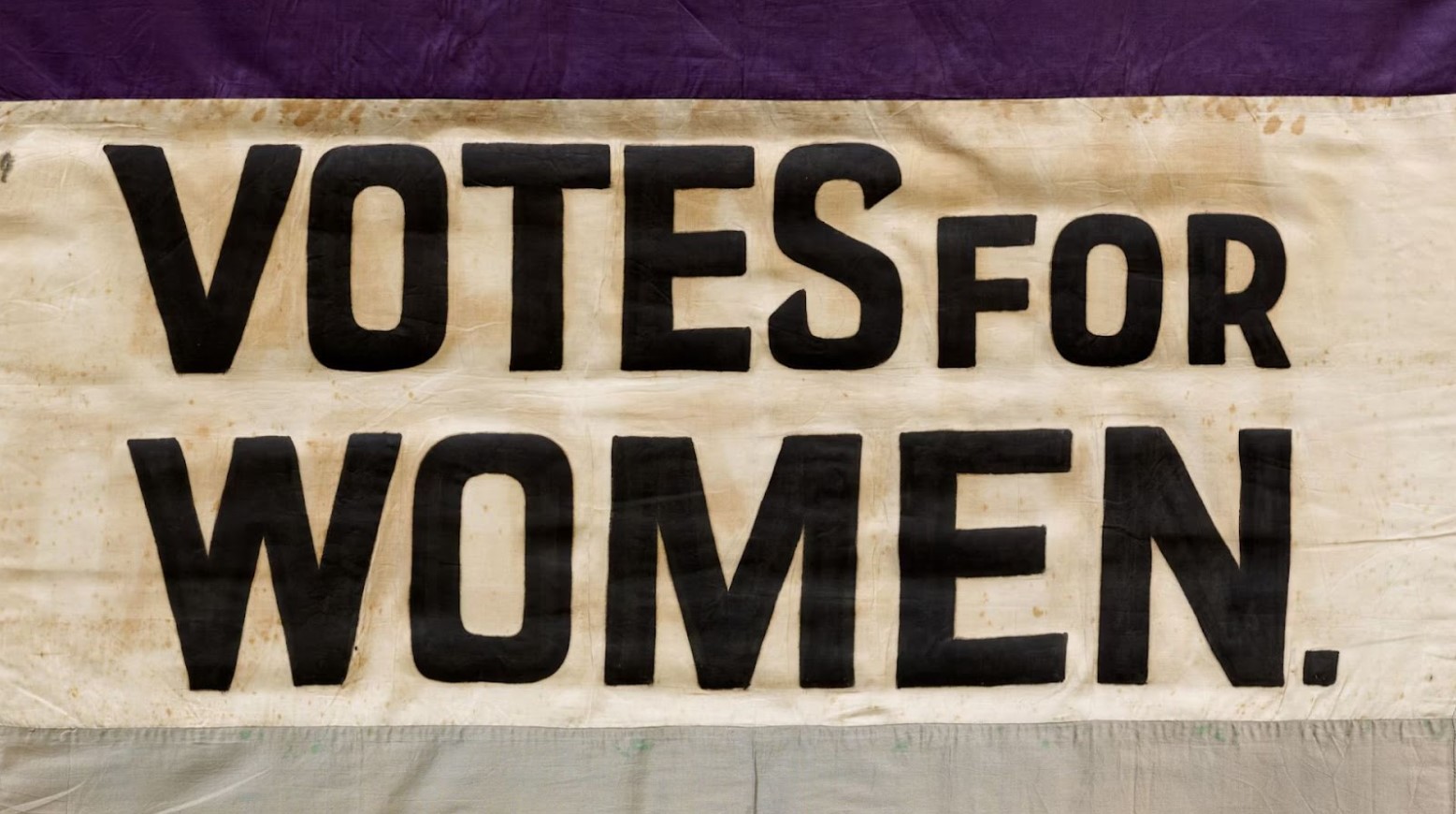
Women in the U.S. have only had the right to vote for slightly over 100 years.
However, the Iroquois Confederacy inspired the fight for the right to vote, even though these women could not vote in some parts of America for decades after this right was given.
The Iroquois Were the Oldest Democracy in the World
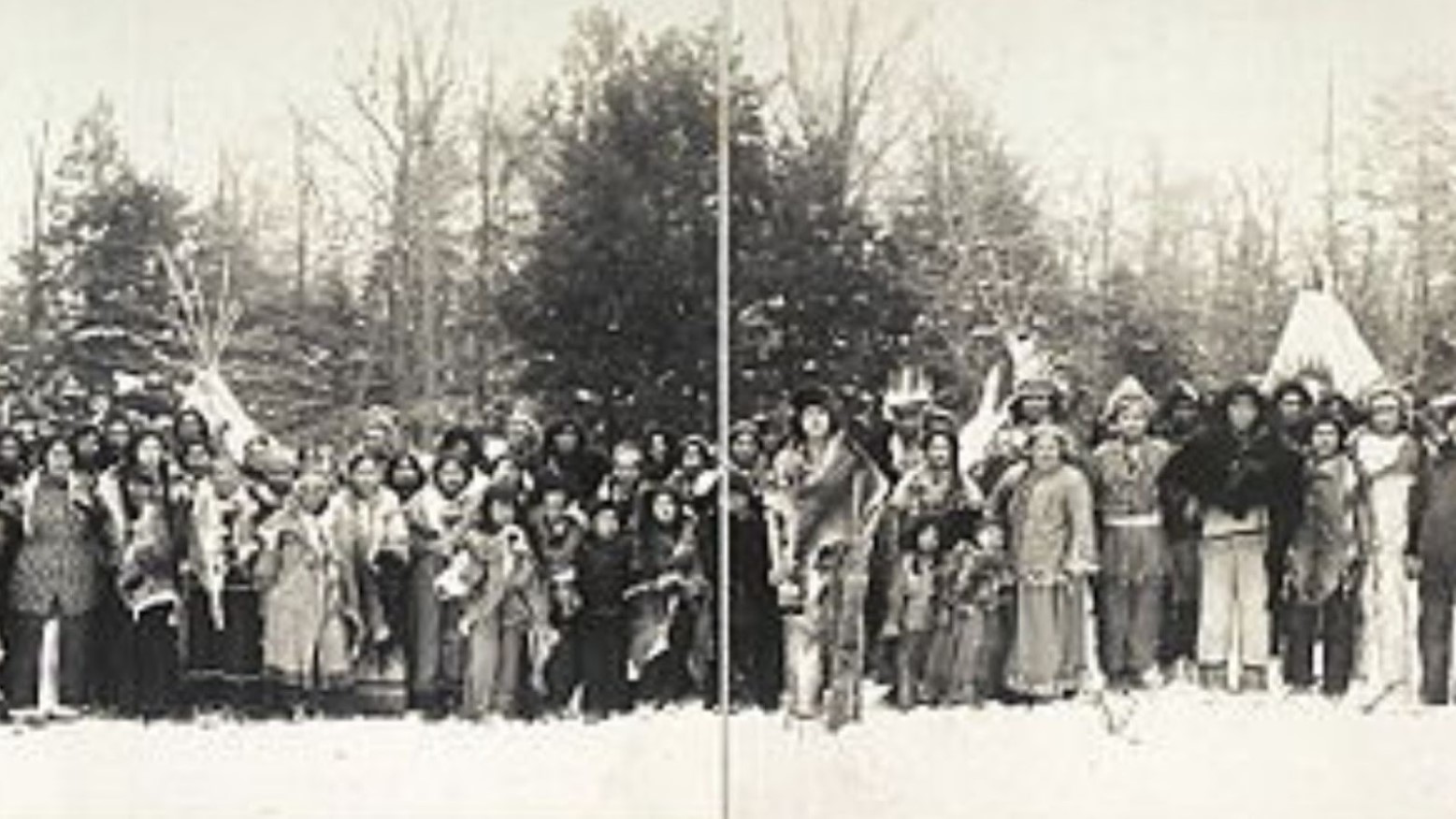
According to The Collector, the Iroquois, also known as the Haudenosaunee, are the oldest democracy in the world.
They were a group of five nations and originated in the area now known as New York.
The Iroquois Were a Matrilineal Society
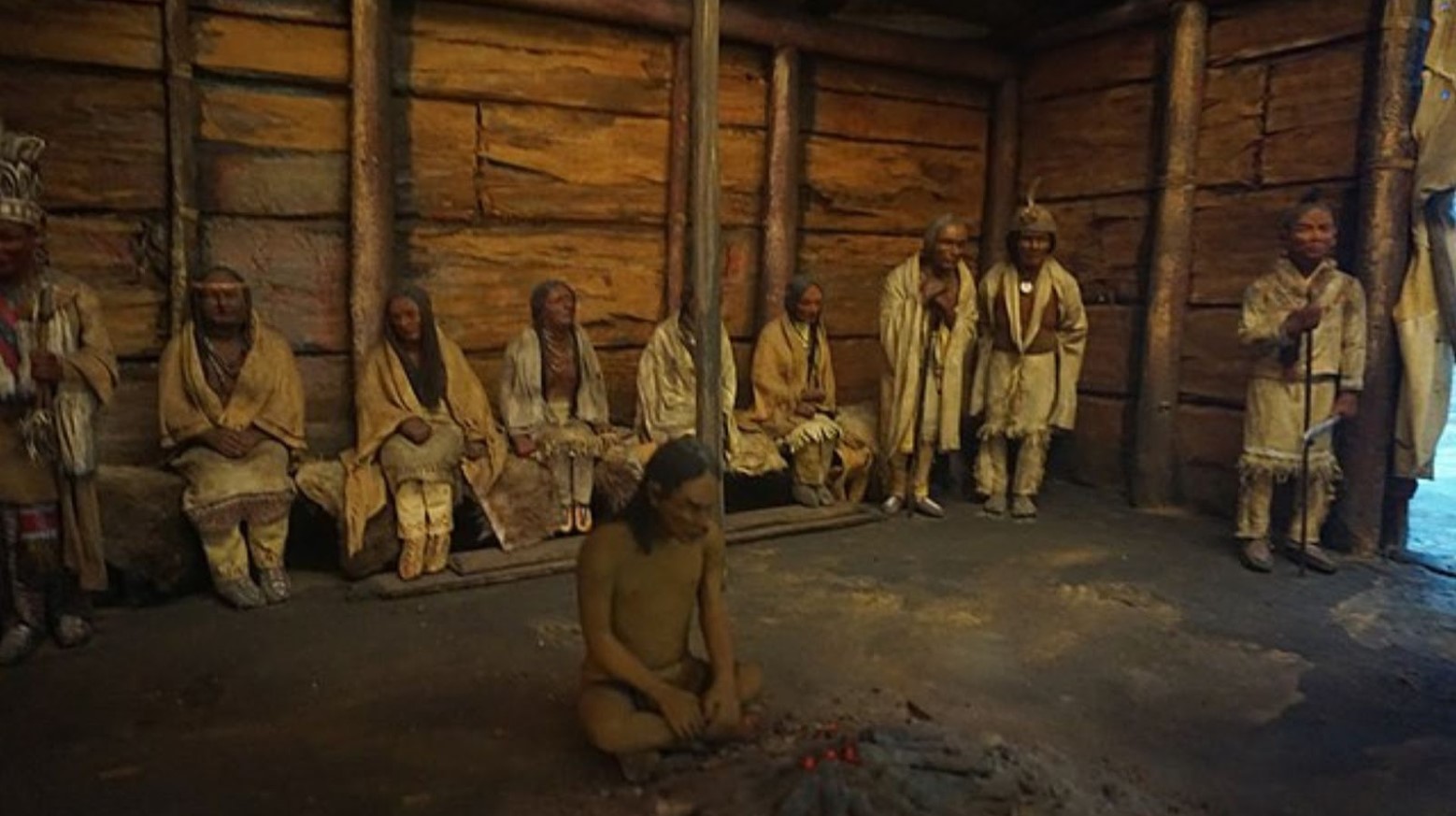
One thing that made the Iroquois stand out against other societies from centuries ago was that they were a matrilineal society.
Portland State University says this means that descent was traced through the mother instead of the father, and that while the chief leaders were often men, they were nominated for leadership positions by women.
Iroquois Women Were Involved in Male Activities
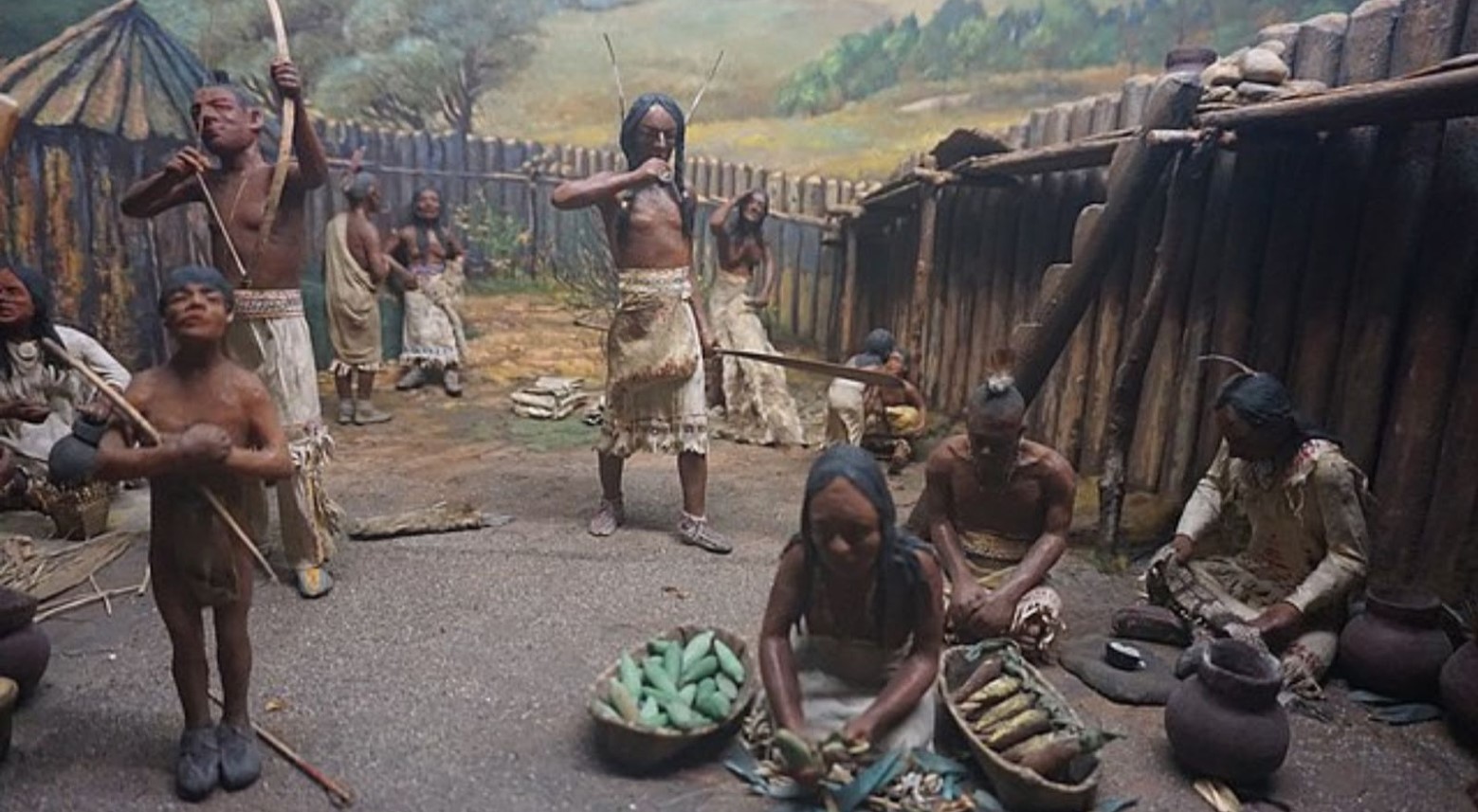
The men may have been leaders, but that didn’t stop the Iroquois women from engaging in what were historically considered male activities.
They would gamble, be in medicine societies, participate in political ceremonies, and farm land. This was all alongside the typical female activities, such as washing, preparing food, and looking after children.
Iroquois Had Clan Mothers
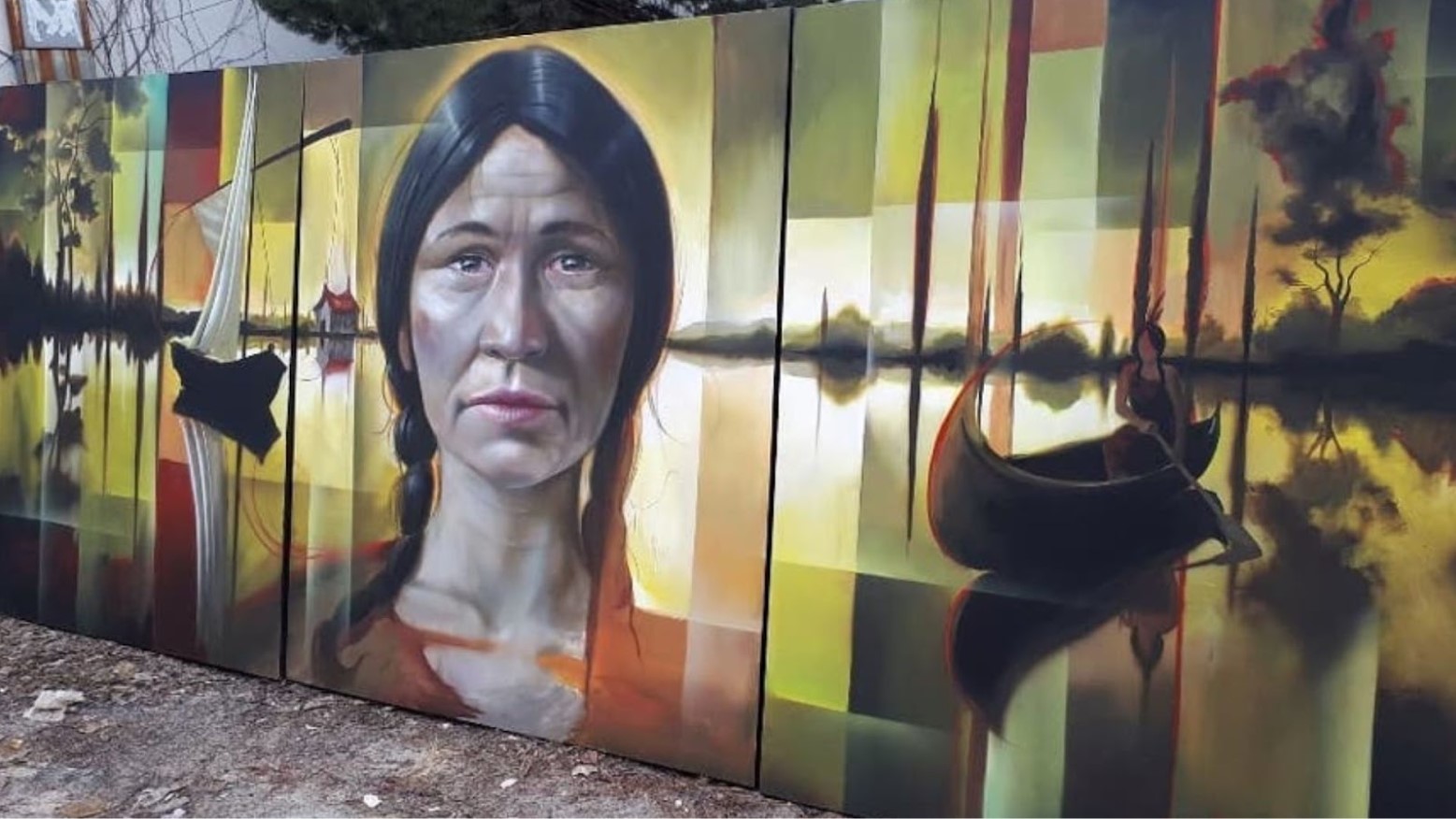
Women may not have been leaders, but they were able to be clan mothers.
According to the National Museum of the American Indian, clan mothers were involved in the selection for office. They could remove someone from office if they were not serving the nation's best interests.
Iroquois Women Held the First Feminist Rebellion
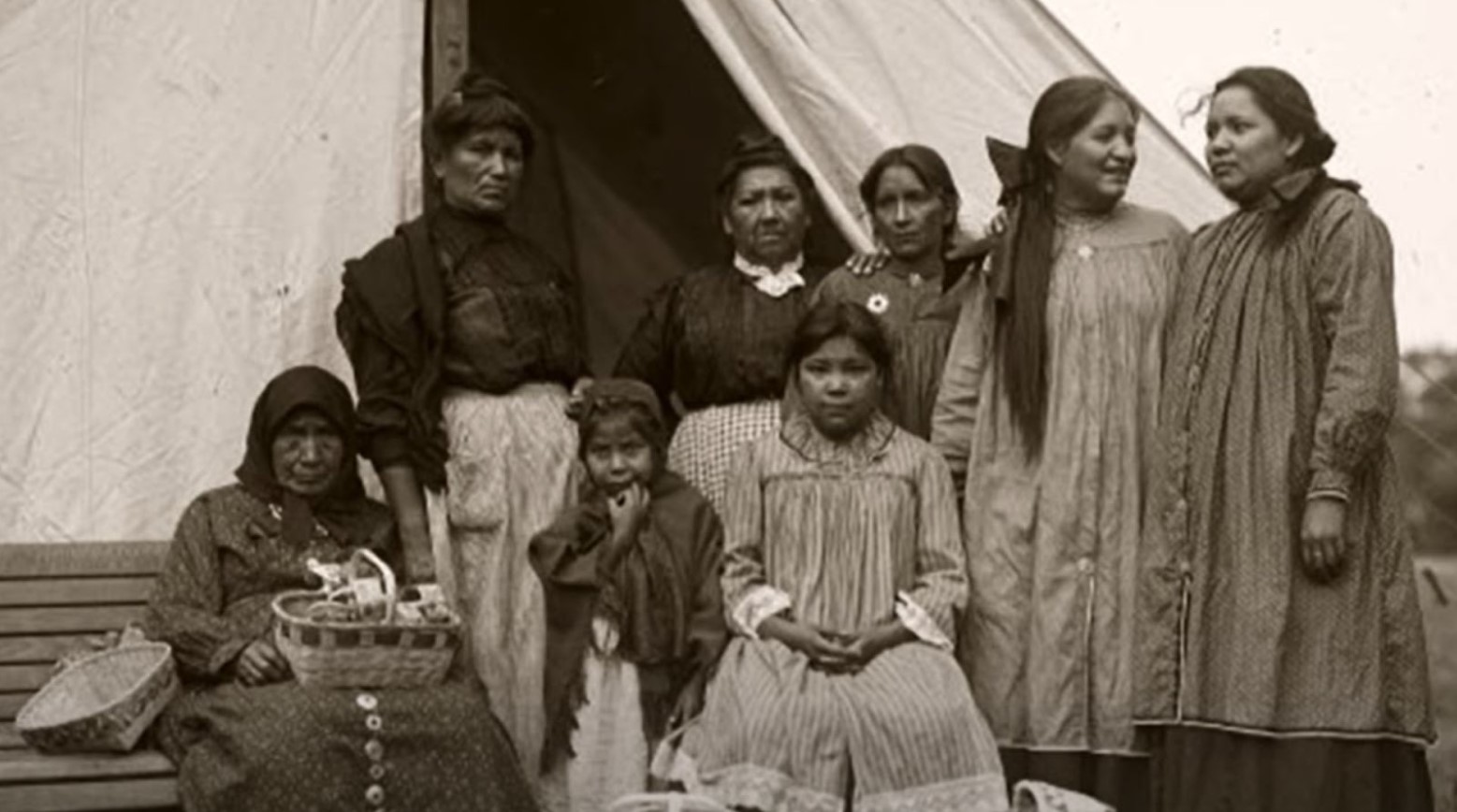
Despite Iroquois women typically having more rights than any other women throughout history, they still had to fight for their rights.
The League of Women Voters reports that Iroquois women held what is believed to have been the first feminist rebellion in the 17th century, which gave them an equal voice to men in defense matters.
Iroquois Women Were Rarely Abused
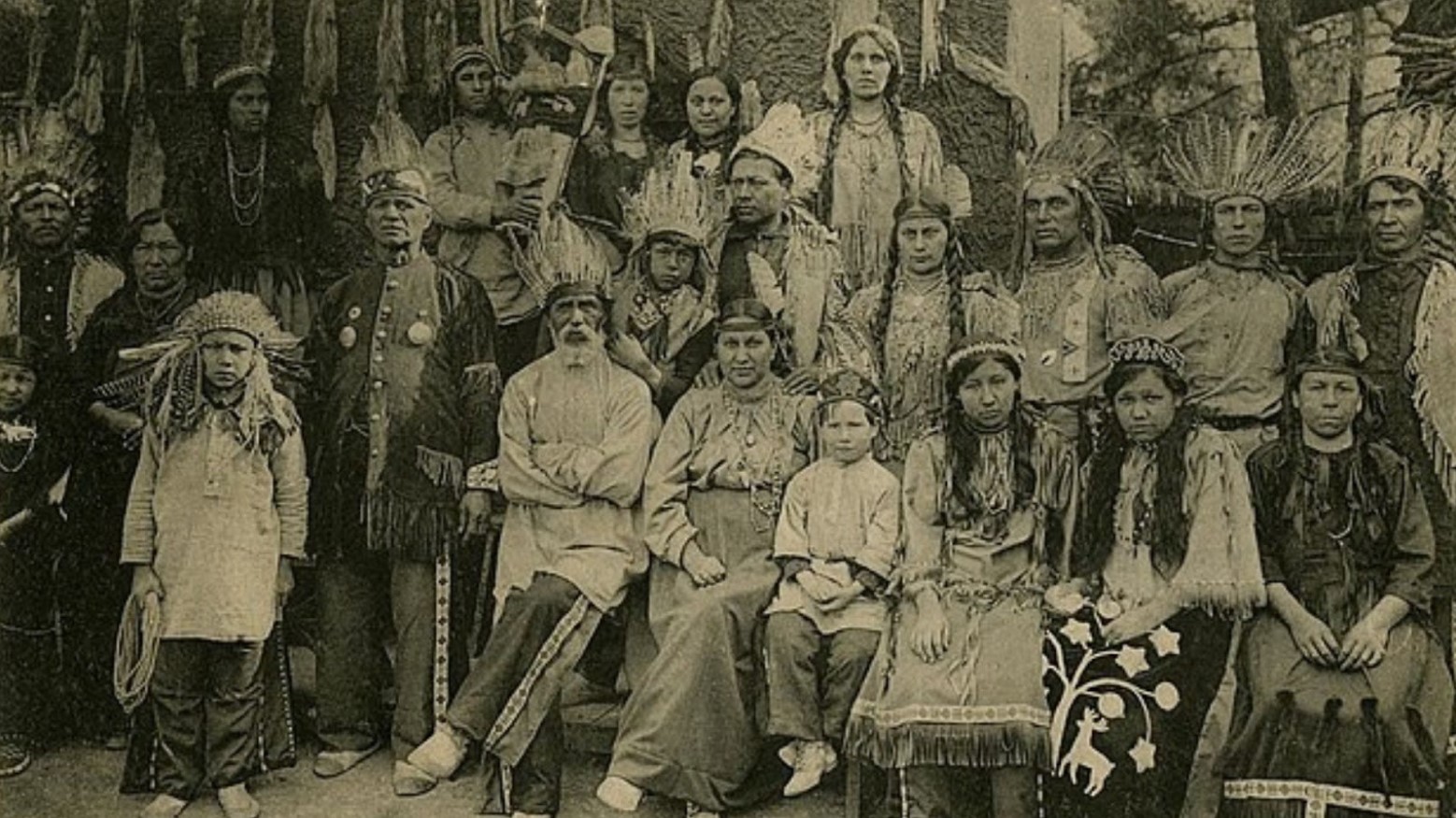
Women outside of the Iroquois have long been subject to varying forms of abuse by men simply for being women.
However, the National Park Service says that Iroquois men rarely abused women. In fact, for an Iroquois man to become chief, he could not be a warrior, he could not have stolen anything, and he couldn’t have abused a woman, as women were seen as sacred to the Iroquois people.
The Seneca People Inspired Lucretia Mott
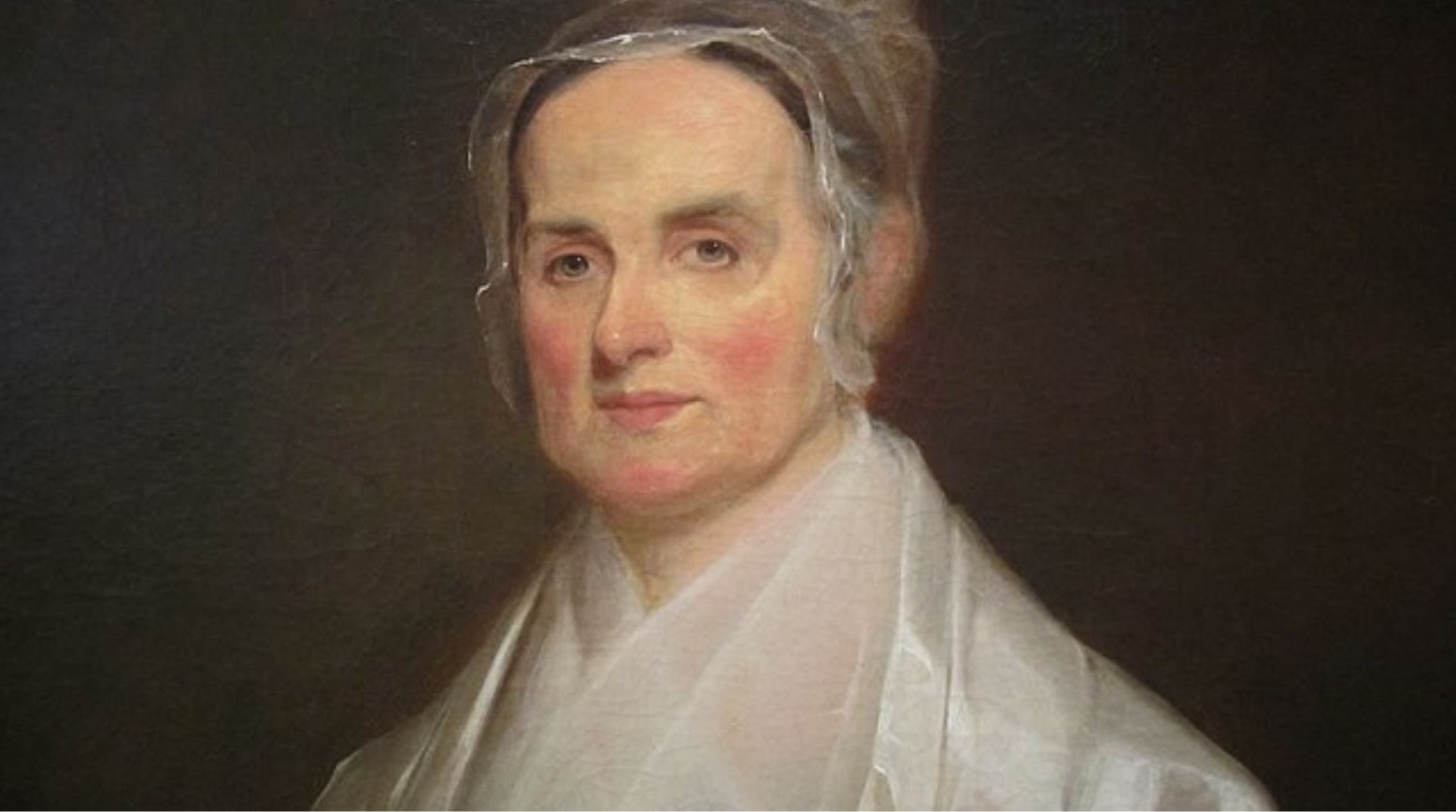
Lucretia Mott was a leader of the Suffragette movement, inspired by the Seneca people, one of the Iroquois nations.
She went with her husband to visit them in the summer of 1848, and according to the Peace Council, this inspired her to hold the first women’s rights convention in Seneca Falls.
Iroquois Divorce Inspired Elizabeth Cady Stanton
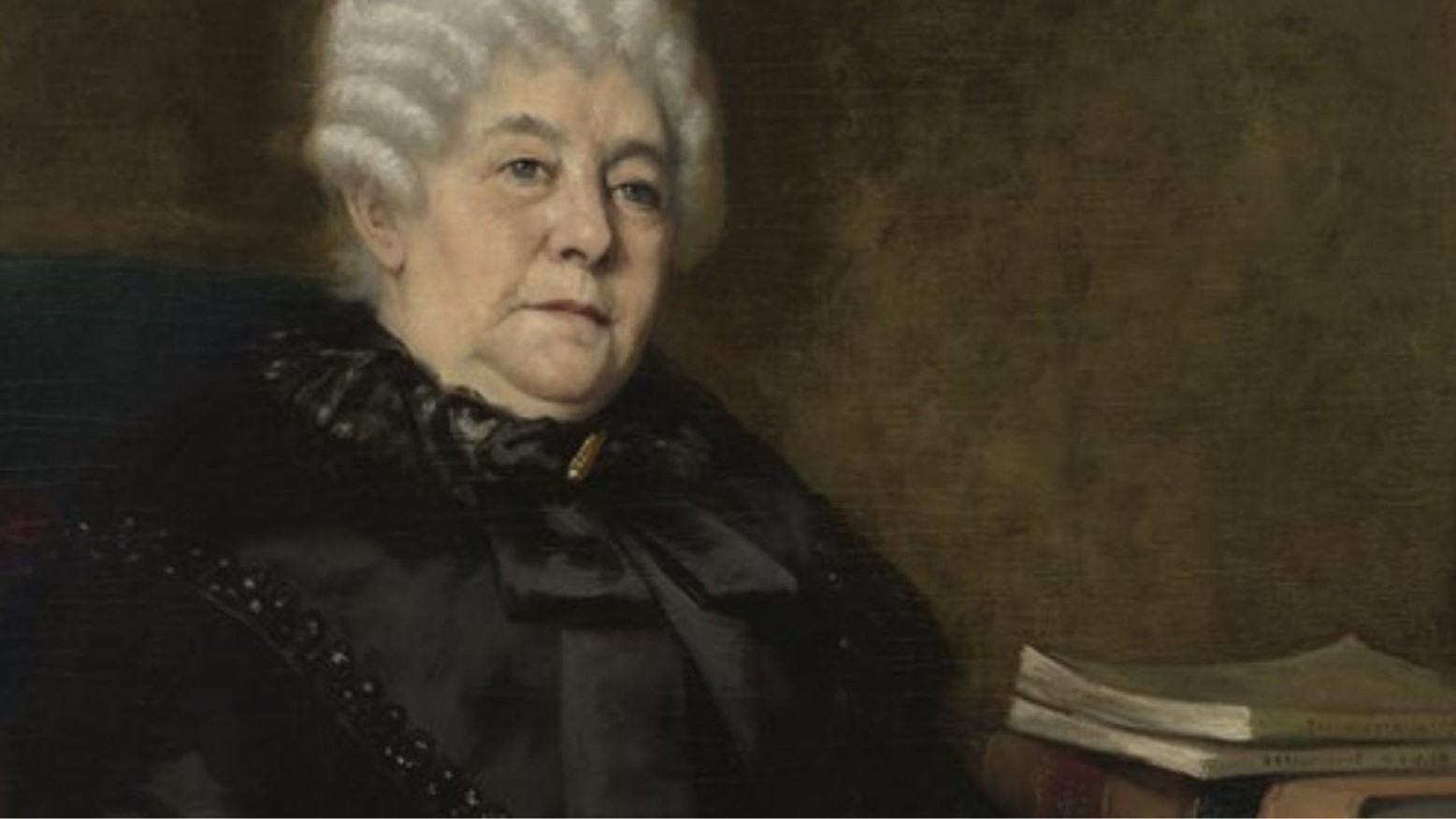
Elizabeth Cady Stanton, another leader of the Suffragette movement, had long advocated for women's right to leave a loveless marriage.
Stanton saw that Iroquois women were able to divorce their husbands and still have access to their children, something American women were not entitled to at that time due to patriarchal Christianity.
The Iroquois Inspired Another Movement
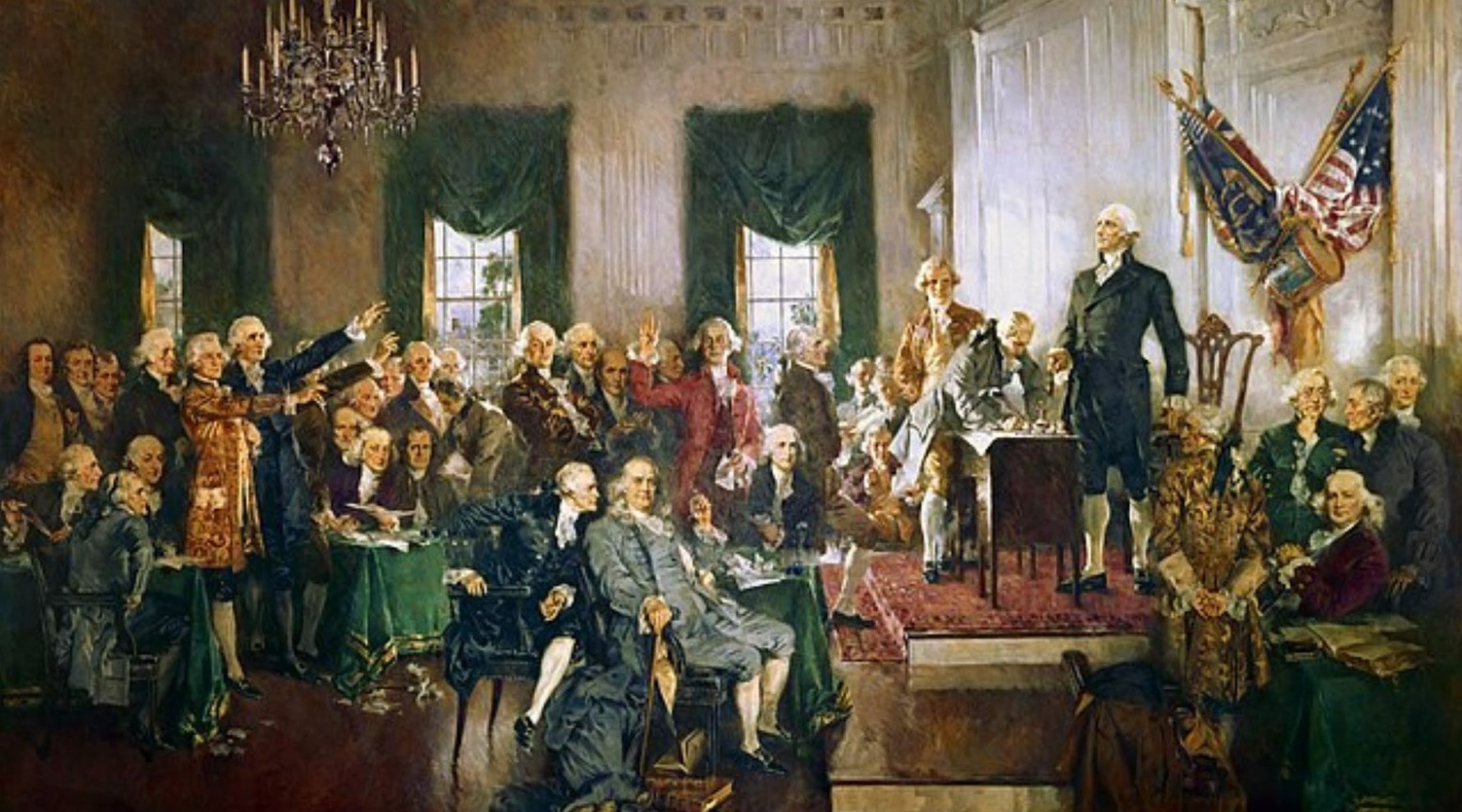
Not only did the Iroquois inspire the women’s right to vote movement, but they also inspired another important piece of American history.
Teaching History has reported that the Iroquois Confederacy inspired the Founding Fathers to write the U.S. Consitution, telling them it would give them strength and power.
Indigenous Americans Were Given U.S. Citizenship in 1924
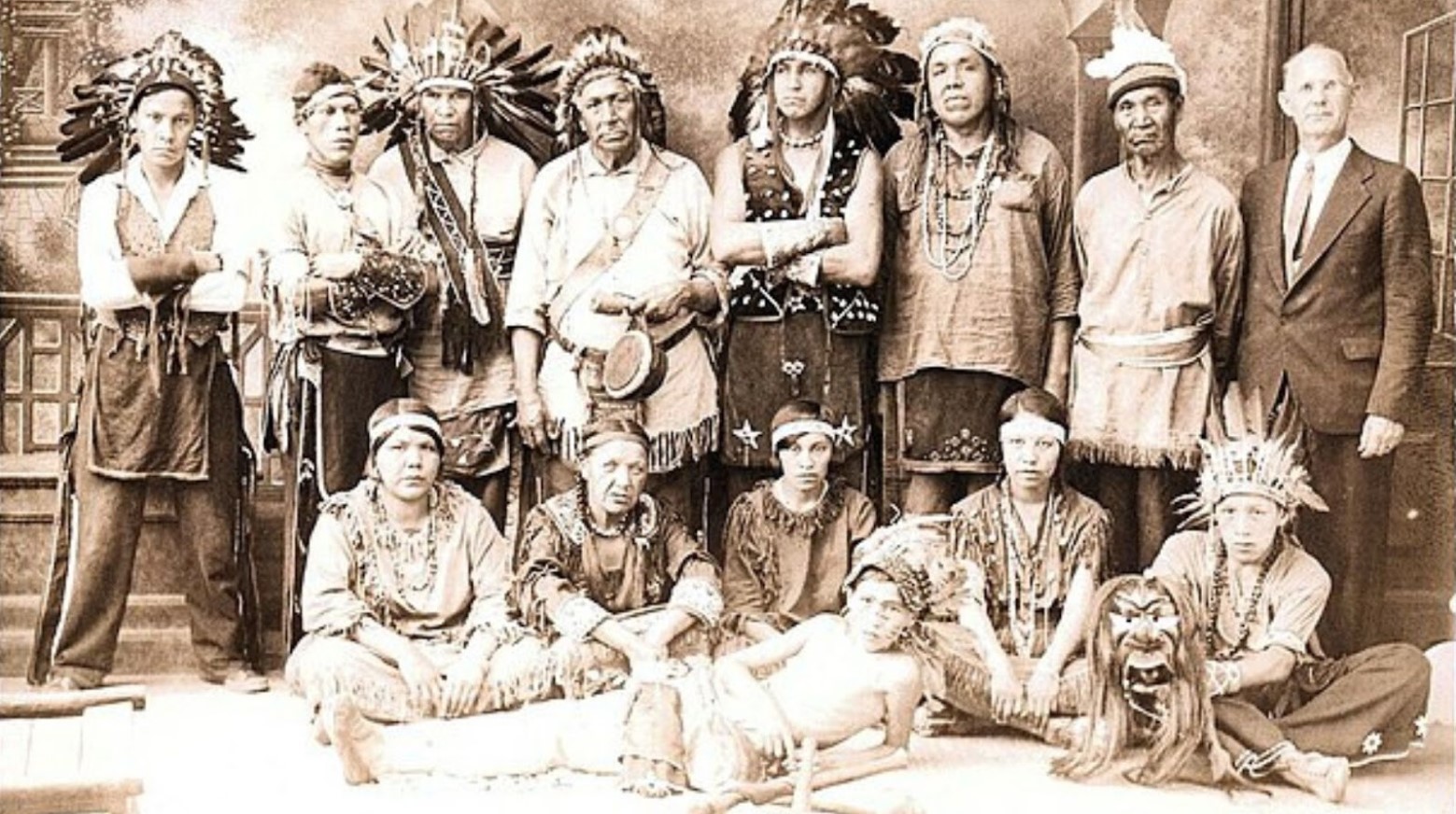
Although women’s votes may have been allowed in 1920, according to the League of Women Voters, it took another four years for Native Americans to gain U.S. citizenship.
This is despite them having been born and lived on the land for centuries and also despite them inspiring the U.S. Constitution and the Suffragette movement.
Indigenous Americans Were Not Allowed to Vote
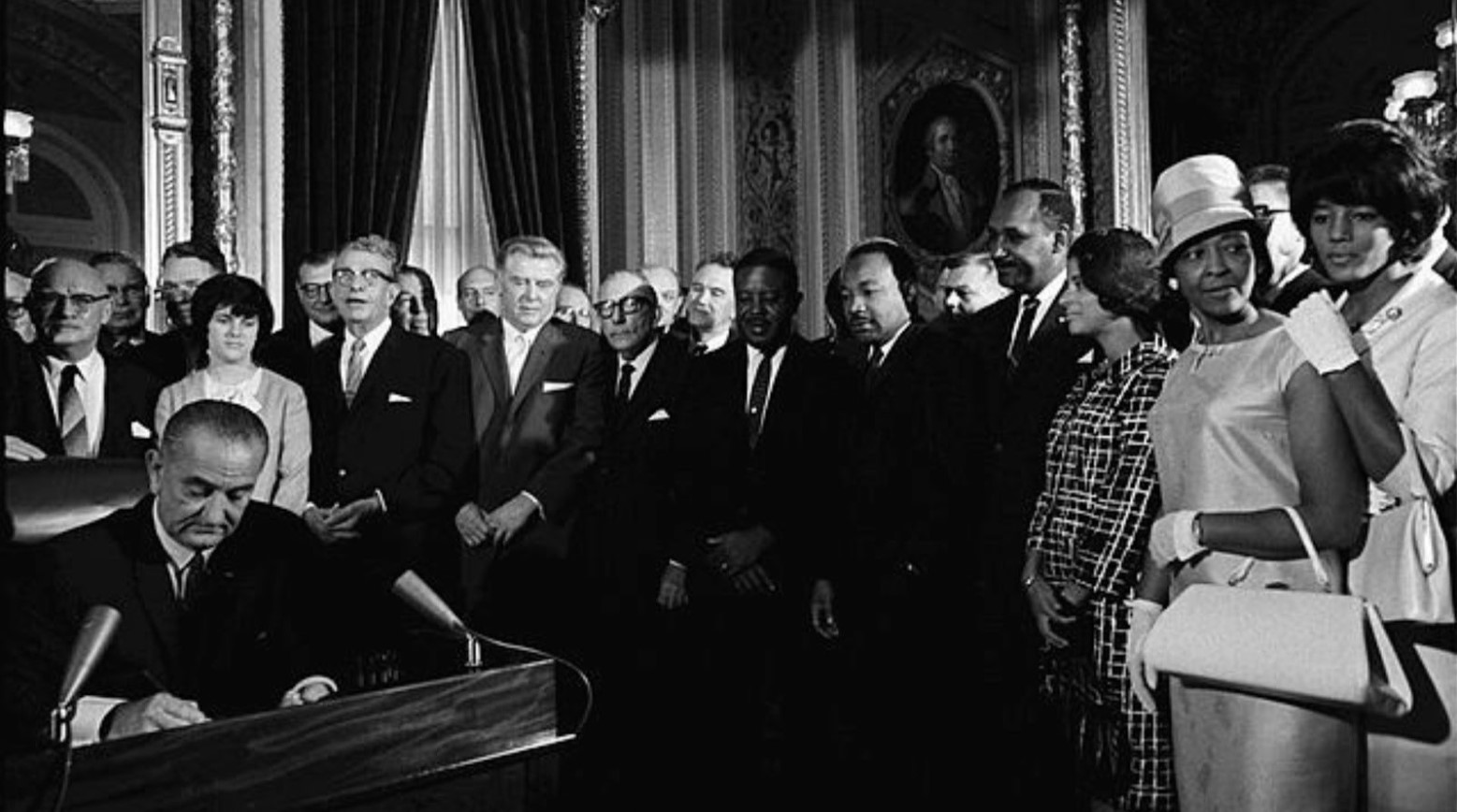
Despite having been an inspiration for the U.S. Suffragette movement, Indigenous Americans weren’t initially given the right to vote in U.S. states.
The Library of Congress has reported that Indigenous Americans were unable to vote until the 1965 Voting Rights Act, with other pieces of legislation in 1970, 1975, and 1982.