Farmers' Skeletons Discovered in a Tomb With Their Skulls Mysteriously Missing

Archaeologists from Gothenburg University and Kiel University made a captivating discovery last summer—an ancient dolmen, a stone burial chamber, in Tiarp near Falköping, Sweden.
As they delved into the excavation, the team stumbled upon a peculiar anomaly that added an intriguing layer to their findings.
Tiarp Dolmen Among Scandinavia's Oldest
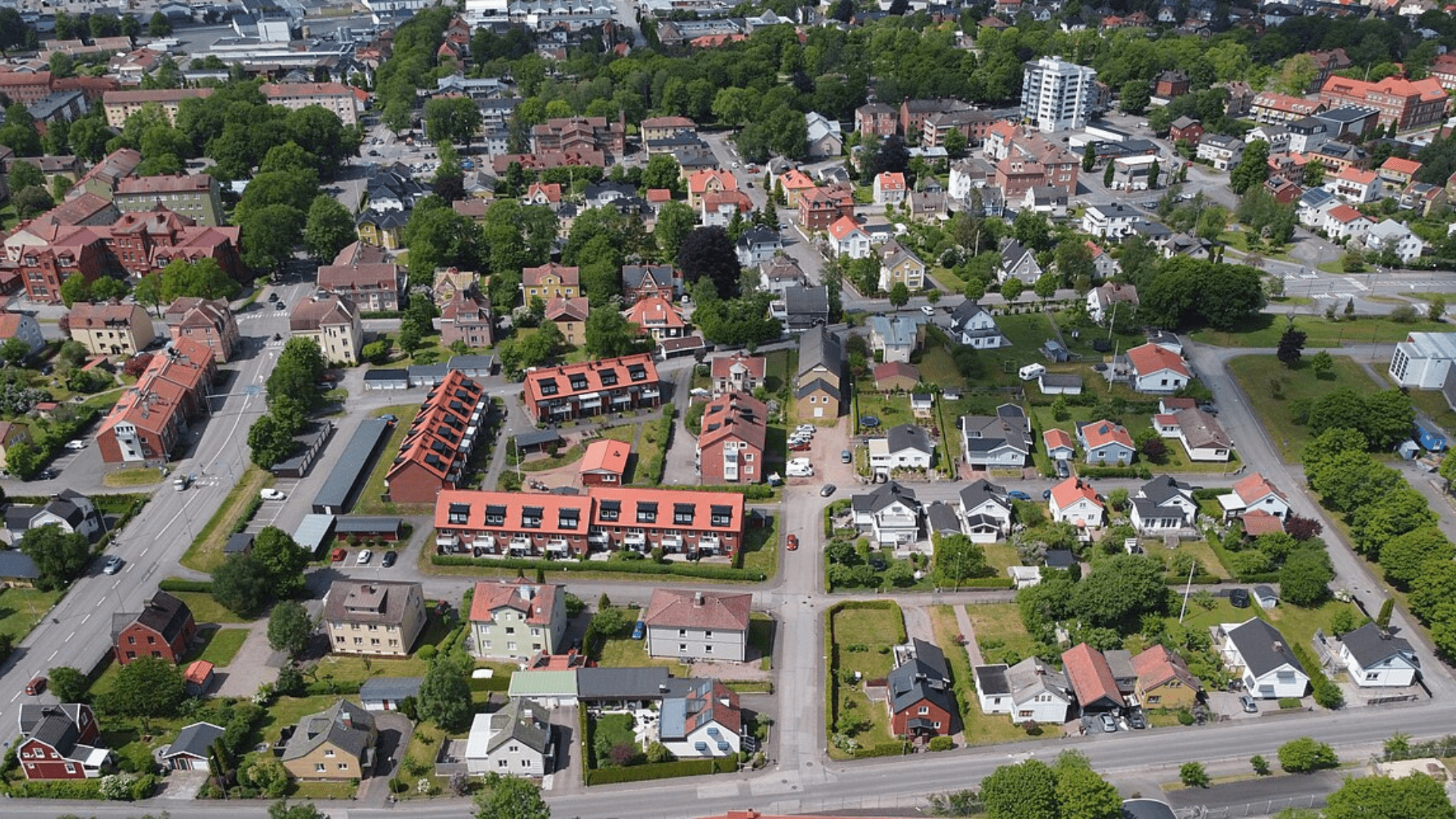
Tiarp's dolmen stands out not just for its archaeological significance but for its age, dating back to the Early Neolithic period around 3,500 BC.
Remarkably, this makes it one of the oldest stone burial chambers in all of Scandinavia, adding a unique historical dimension to its allure.
Skulls and Bones Vanish: An Enigmatic Twist

The initial excitement over the dolmen's age took an unexpected turn when researchers noticed a conspicuous absence—missing skulls and thigh bones.
Archaeologist Karl-Göran Sjögren acknowledges this anomaly, stating, "Skulls and large bones are missing and may have been removed from the grave." The mystery of these missing elements adds an enigmatic layer to the excavation.
Ritual Practices or Unknown Factors?
The research team, intrigued by the absent skulls and bones, contemplates various possibilities.
Sjögren suggests, "We don’t know whether that has to do with burial rituals or what’s behind it." The absence of expected skeletal components prompts speculation about potential ritual practices during the Early Neolithic period or other undiscovered factors at play.
Megalith Graves Depart from the Norm
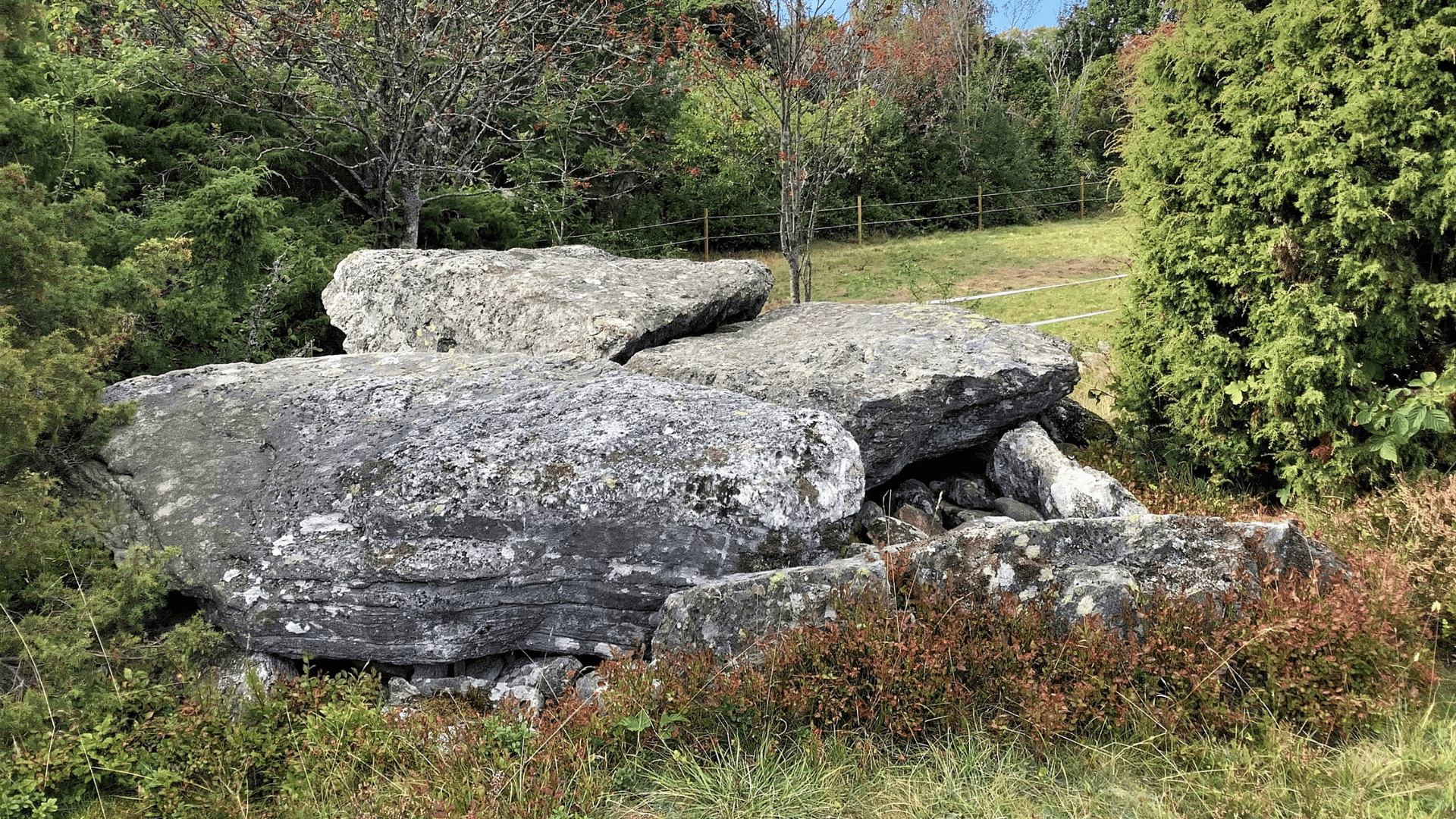
The dolmen's skeletal composition deviates from the typical megalith graves of the Neolithic period.
Sjögren notes, "This differs from what we usually see in megalith graves," highlighting the uncommon absence of smaller bones from hands and feet. The unique nature of the Tiarp dolmen raises questions about burial practices and cultural nuances during that era.
A Closer Look: Bones and Fragments Unearthed
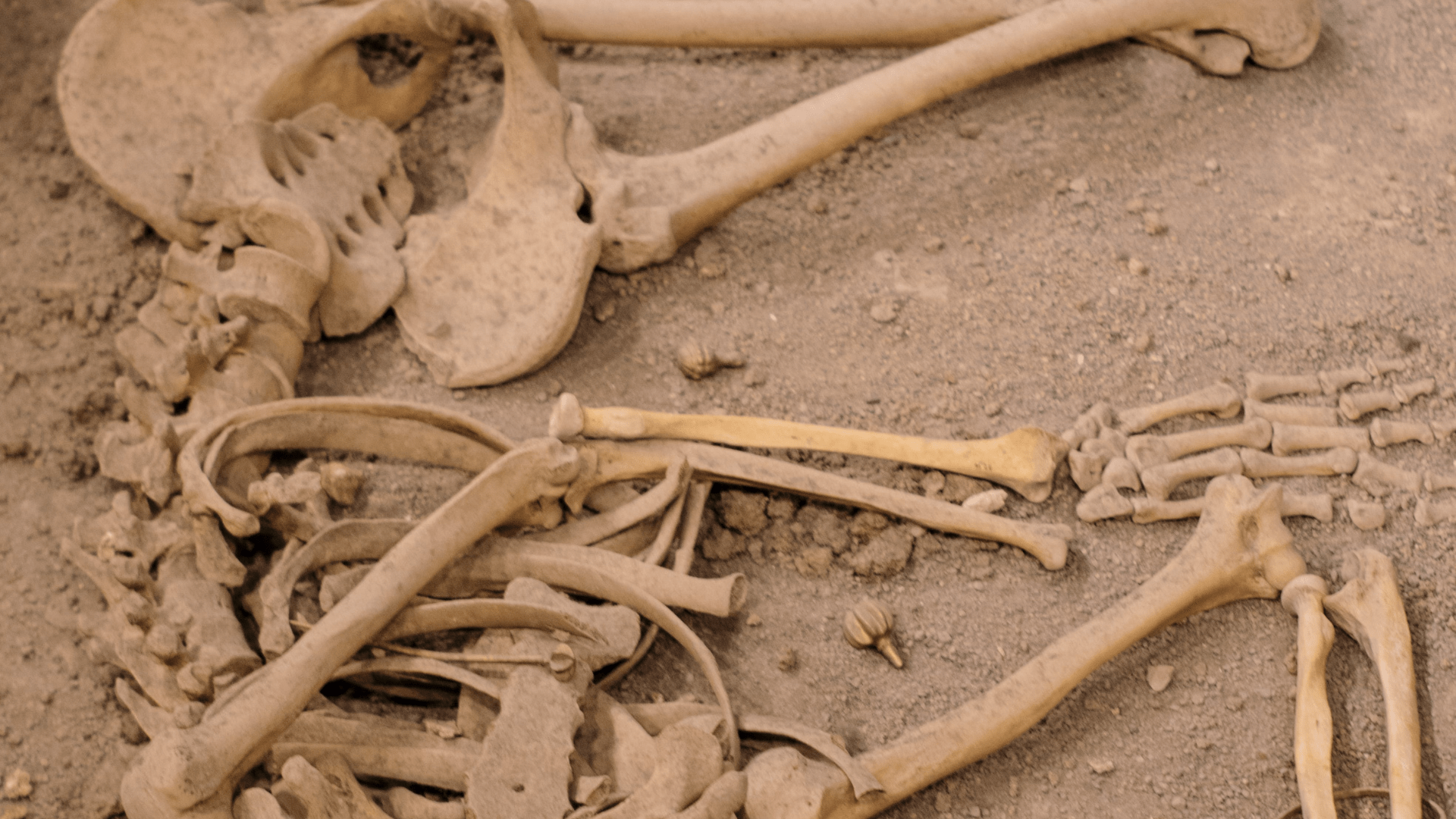
Despite the missing elements, the dolmen yielded a collection of bones, including those from hands and feet, rib fragments, and teeth.
Sjögren emphasizes the scarcity of larger bones, offering an intriguing contrast to conventional megalith graves. The composition of the skeletal remains fuels the quest for understanding the burial practices of these ancient individuals.
Tiarp's Inhabitants: Farmers of the Stone Age
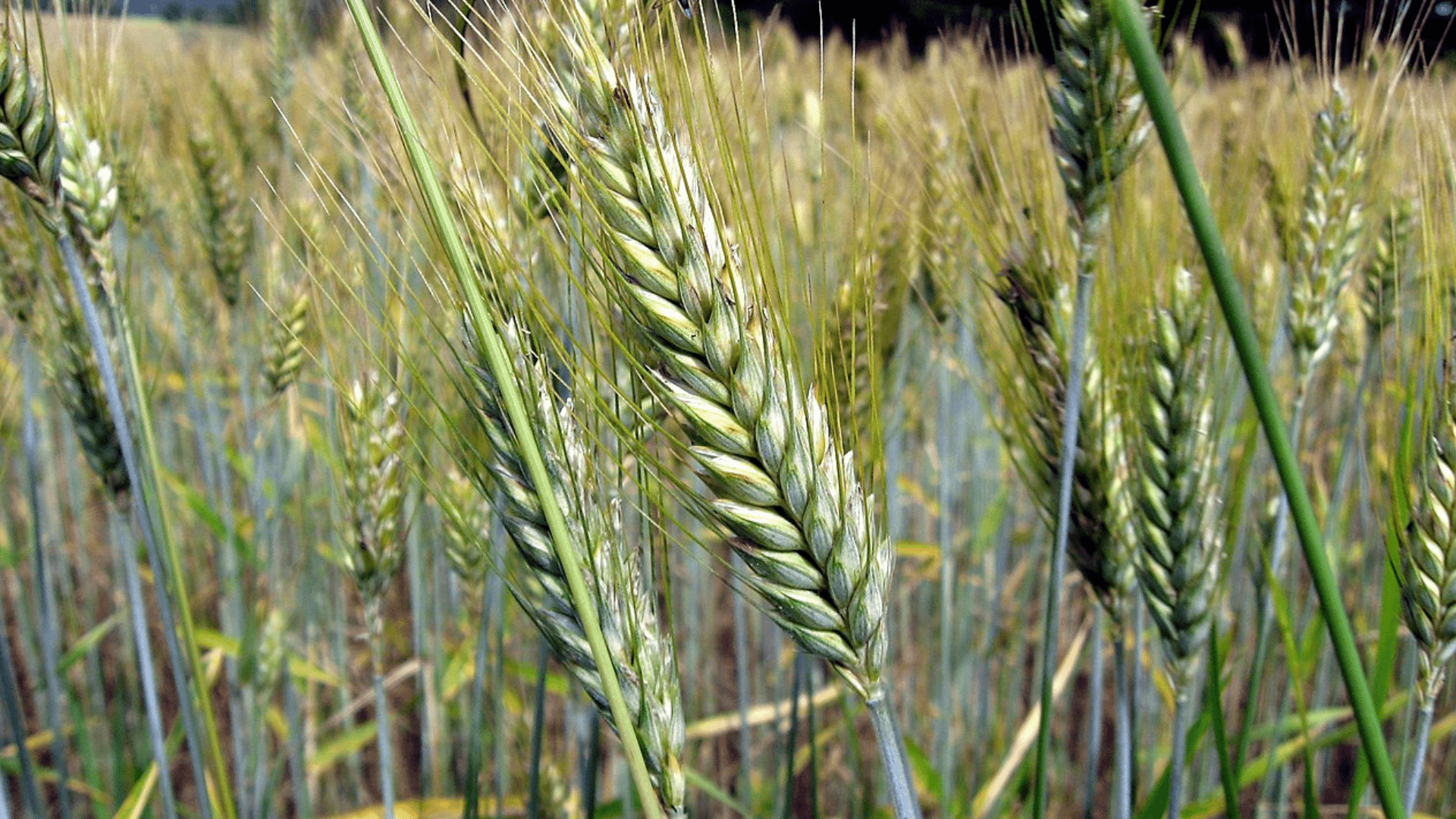
Given the dolmen's location in Falbygden, an agriculture-centric region, the likelihood emerges that the buried individuals were farmers.
Sjögren sheds light on their lifestyle, stating, "They lived by growing grain and keeping animals and they consumed dairy products." Unraveling the daily lives of these ancient farmers adds depth to the archaeological narrative.
DNA Clues: Decoding Family Relationships

To delve further into the lives of Tiarp's inhabitants, the researchers turned to DNA analysis.
Preliminary results showcase well-preserved DNA in the bones, offering a glimpse into family relationships. Sjögren anticipates uncovering connections between the individuals buried in the dolmen, providing insights into familial ties during the Early Neolithic period.
Absence of Trauma in Skeletal Analysis

While the missing skulls pose a mystery, Sjögren dismisses the likelihood of violence, stating, "We haven’t seen any injuries on the people buried so we don’t think violence is involved."
The absence of signs of trauma on the skeletal remains has driven researchers to attempt to understand the possible causes of death and the overall health of these ancient individuals.
Falbygden's Rich History: More Than 250 Passage Graves
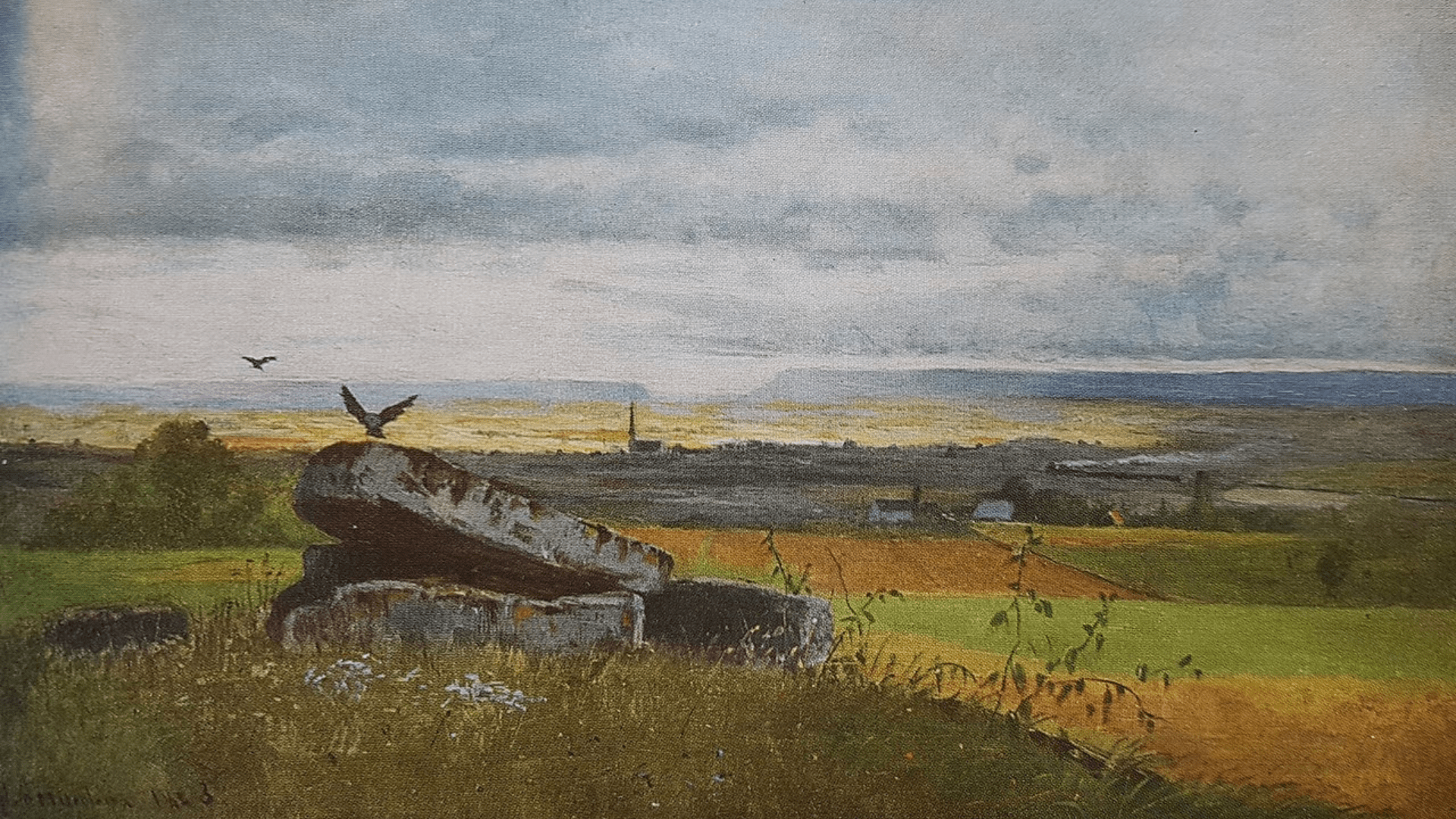
Falbygden has long been recognized for its archaeological wealth, boasting over 250 passage graves from a somewhat later period around 3300 BCE.
The Tiarp dolmen, unique in its construction and age, adds a distinctive thread to the rich tapestry of Falbygden's historical landscape.
Climate, Rituals, or Unknown Forces? Unraveling the Dolmen Mystery
As researchers continue to explore the Tiarp dolmen, questions persist about the missing skulls, the unique construction, and the ritual practices that may have shaped the burial chamber.
Speculations about climate-related factors, ritualistic choices, or undiscovered forces remain, creating a captivating puzzle for archaeologists to solve.
A Glimpse into Early Neolithic Life
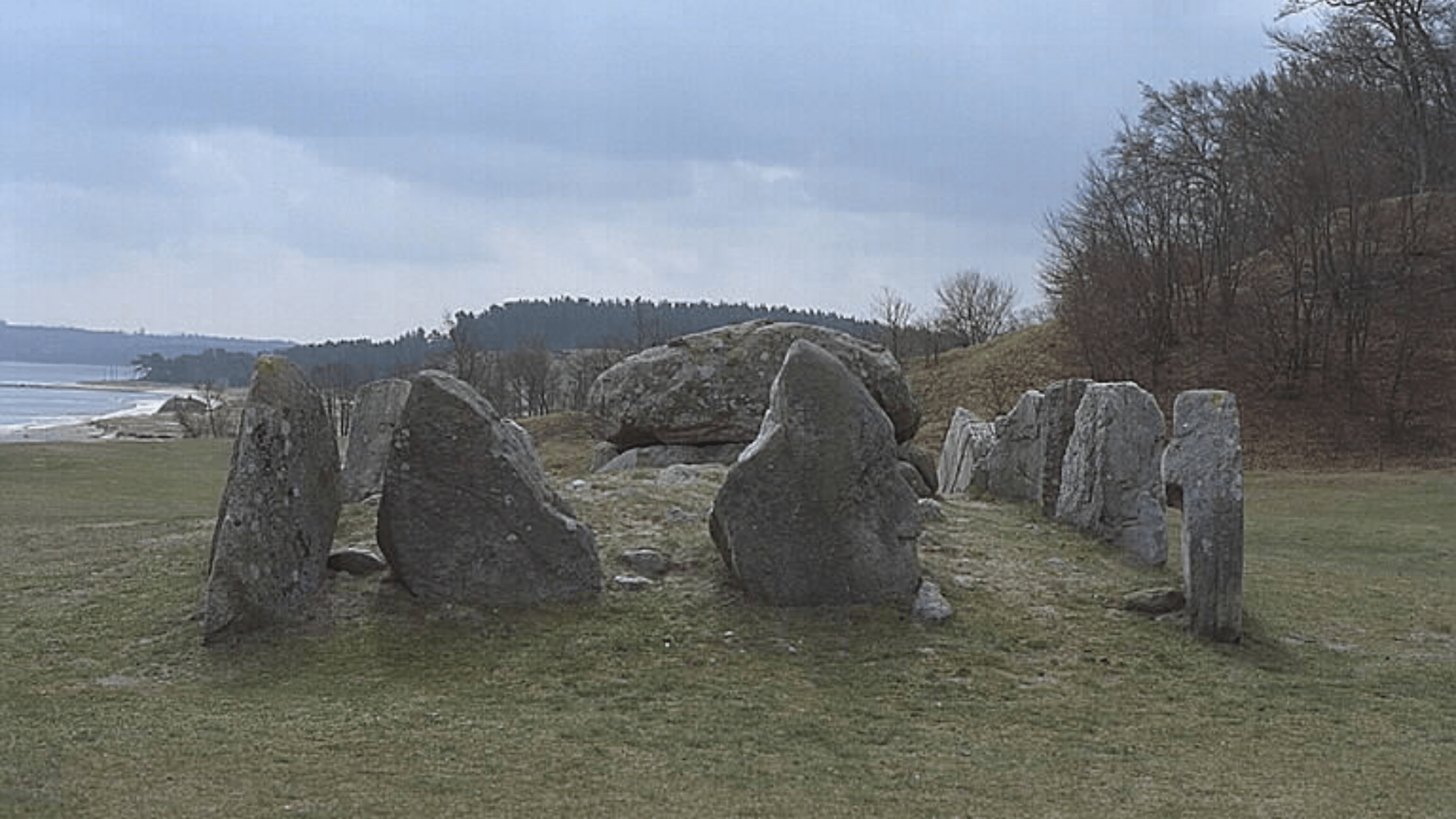
In the heart of Tiarp, Sweden, the dolmen stands as a silent witness to Early Neolithic life, offering glimpses into burial rituals, familial ties, and the mysteries that shroud this ancient burial chamber.
As researchers meticulously unravel the threads of Tiarp's legacy, each discovery contributes to our understanding of a bygone era.