Strange Marbles Uncovered in Deep Sea May be Clues of "Alien Life"
Dr. Avi Loeb, a distinguished theoretical physicist at Harvard, has unveiled an intriguing discovery that could potentially reshape our understanding of the cosmos.
More than 800 tiny spheres, described as 'magnetic marbles,' were retrieved from the profound depths of the Pacific Ocean, offering tantalizing clues that may point to the existence of extraterrestrial life. In an exclusive interview with Metro.co.uk, Dr. Loeb sheds light on the groundbreaking project and its implications for our cosmic comprehension.
Mysterious Spheres Recovered in the Remote Pacific Ocean
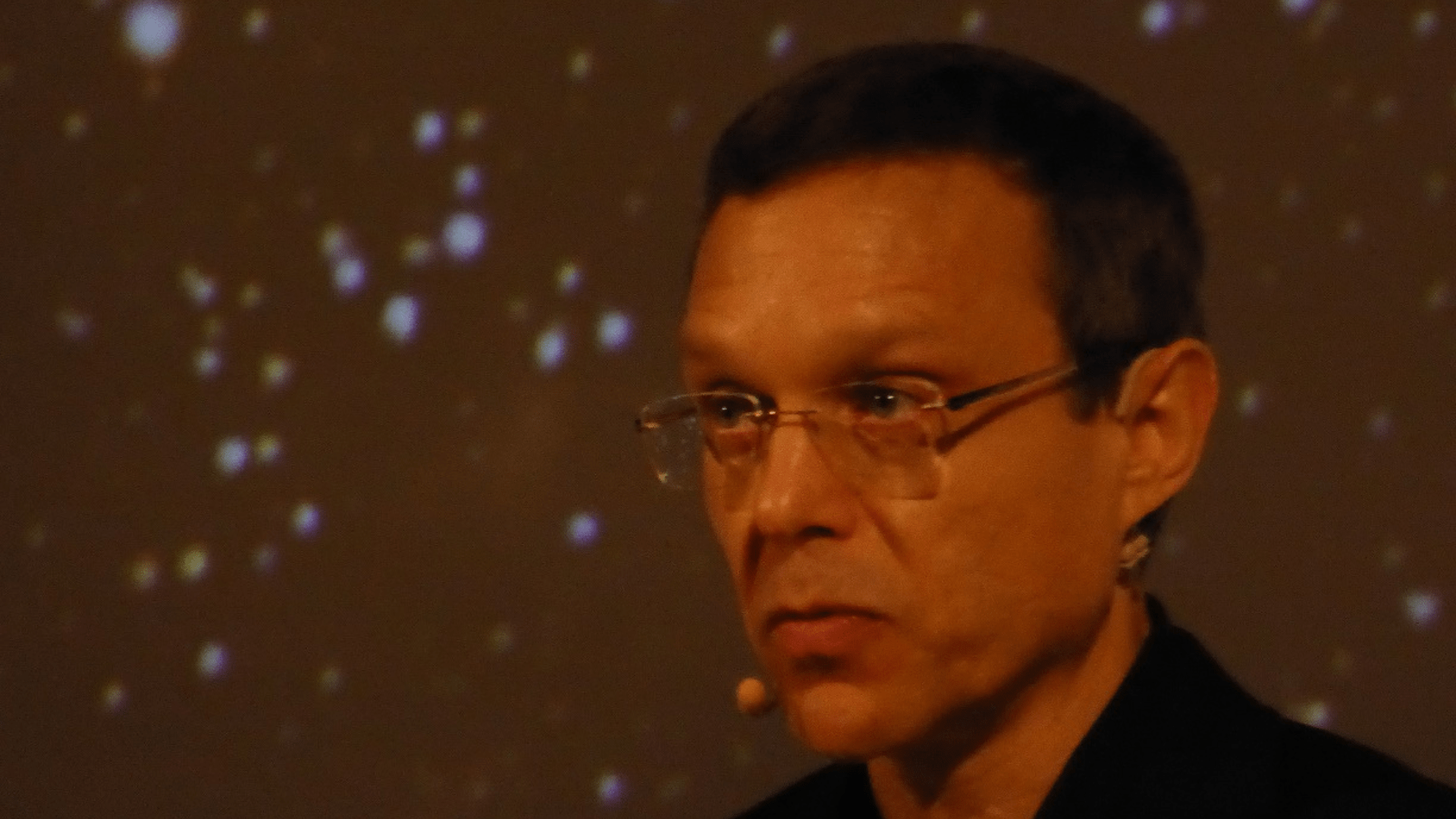
At the helm of the Harvard-hosted Galileo Project, Dr. Loeb and his pioneering team have embarked on a mission to monitor the skies continuously, employing cutting-edge technology to identify and study celestial objects.
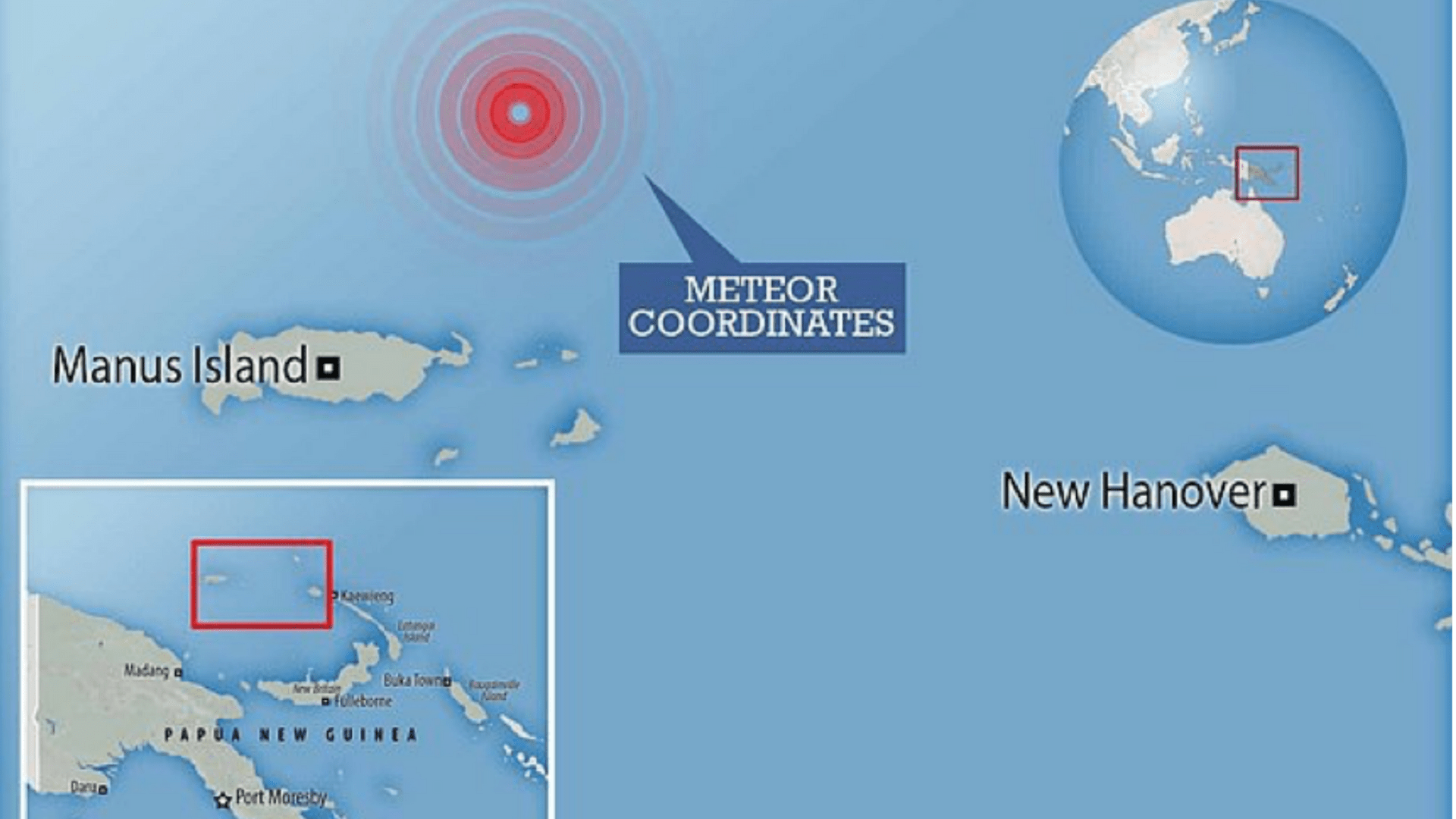
The recent revelation stems from an expedition to a remote part of the Pacific Ocean in June 2023, where the team retrieved these mysterious spheres from the ocean floor, situated beneath the point where an interstellar meteor explosively disintegrated approximately 20 kilometers above sea level.
Composition of Spheres Not Previously Recorded on Earth
The composition of these 'spherules' has ignited scientific curiosity, as initial analyses suggest a unique makeup not previously recorded on Earth. Dr. Loeb speculates that these tiny objects, molten droplets approximately the size of a grain of sand, might be remnants of an interstellar meteor and could carry clues to the mysteries of our cosmic neighborhood.
While the analysis is ongoing, the prospect that these spherules could be of 'natural or artificial' origin adds an extra layer of intrigue to the scientific narrative.
A Bigger Cosmic Picture Emerges
The significance of the discovery is highlighted by Dr. Loeb's anticipation of a bigger cosmic picture emerging from these minuscule clues.
The expedition successfully recovered 850 spherules, with about 10% believed to have an extrasolar origin never before documented in scientific literature. The remainder comprises materials consistent with our solar system. Dr. Loeb emphasizes the need for larger pieces to glean more insights into the original meteor, paving the way for future expeditions that promise to be more extensive and financially demanding.
IM1 Meteor
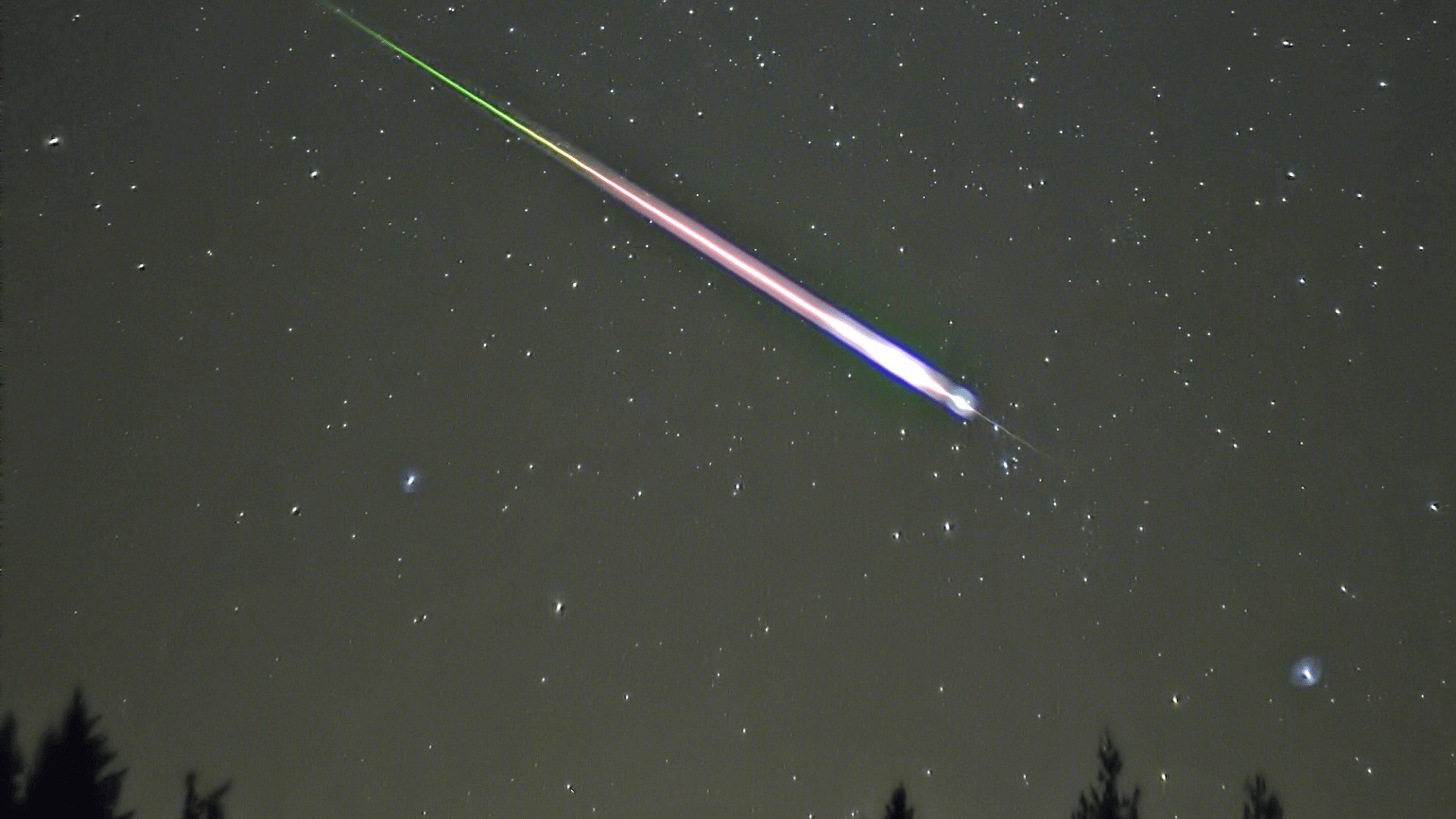
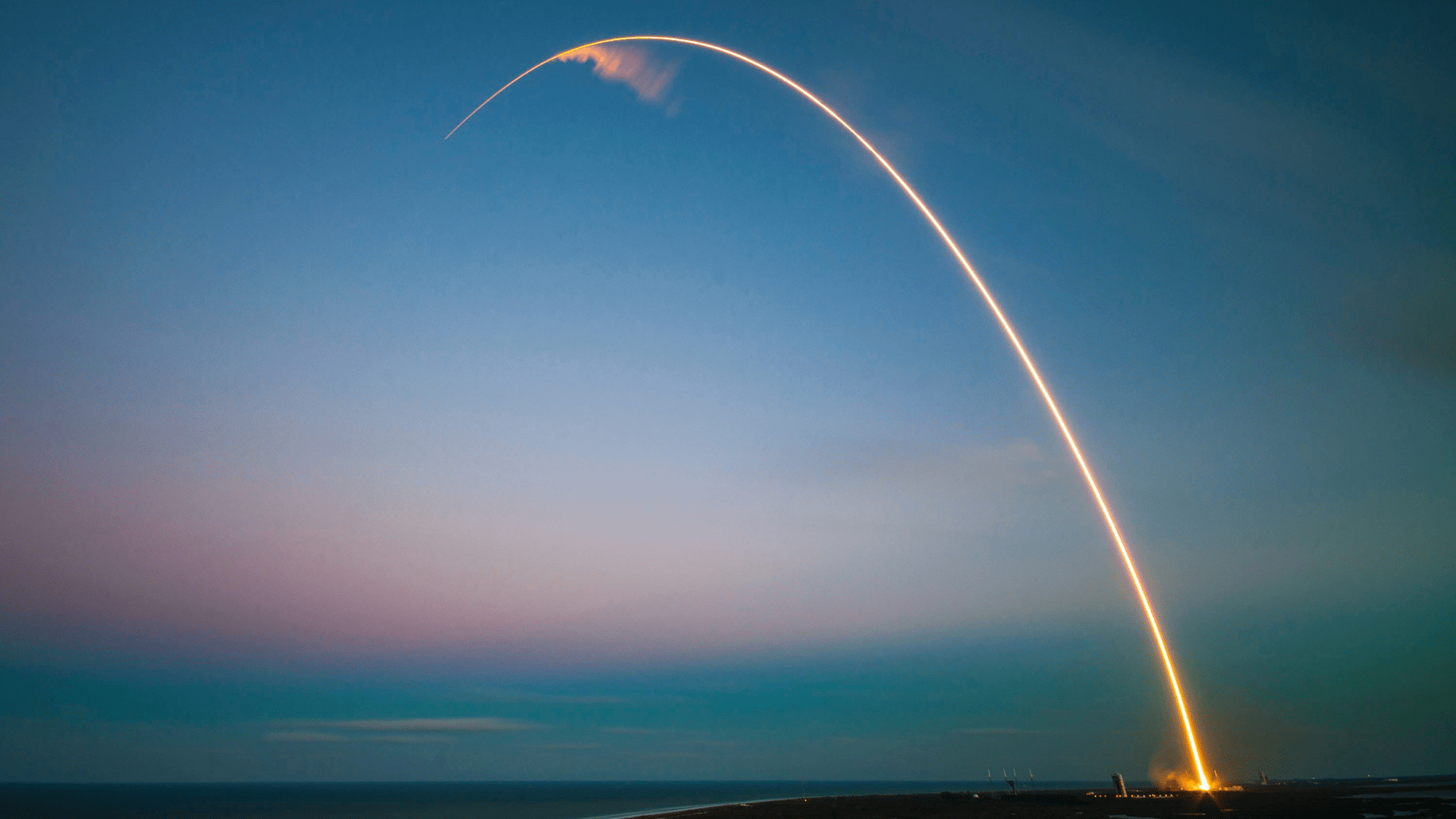
The meteor in question, designated IM1, is thought to have hurtled into our solar system from beyond its boundaries at a staggering speed of 60 kilometers per second.
The airburst off the coast of Papua New Guinea in January 2014 marked a significant celestial event that laid the groundwork for the subsequent scientific exploration.
Galileo Team Undertakes Complex Expedition
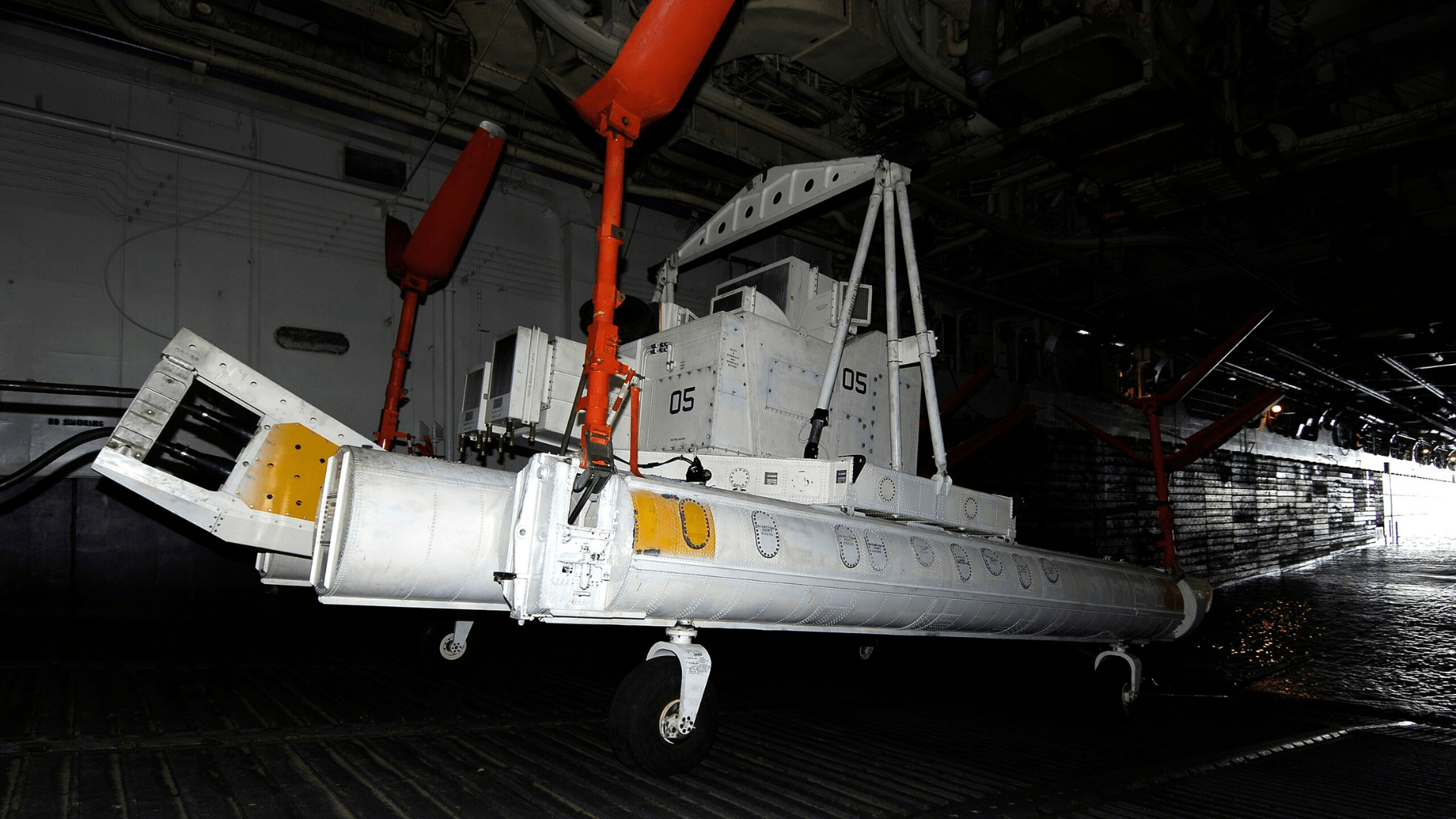
To recover these magnetic marbles, the Galileo team undertook a challenging and risky expedition, utilizing a magnetic sled to trawl the sea floor.
Dr. Loeb acknowledges the complexity of the endeavor, involving a region approximately 11 kilometers in size, with the ocean's depth reaching about six kilometers. Despite the inherent challenges, the team's perseverance and the alignment of circumstances led to the successful retrieval of the spherules.
Renowned Team Collaborates on Research
The financial support for this ambitious endeavor came from a generous donor, contributing one and a half million dollars.
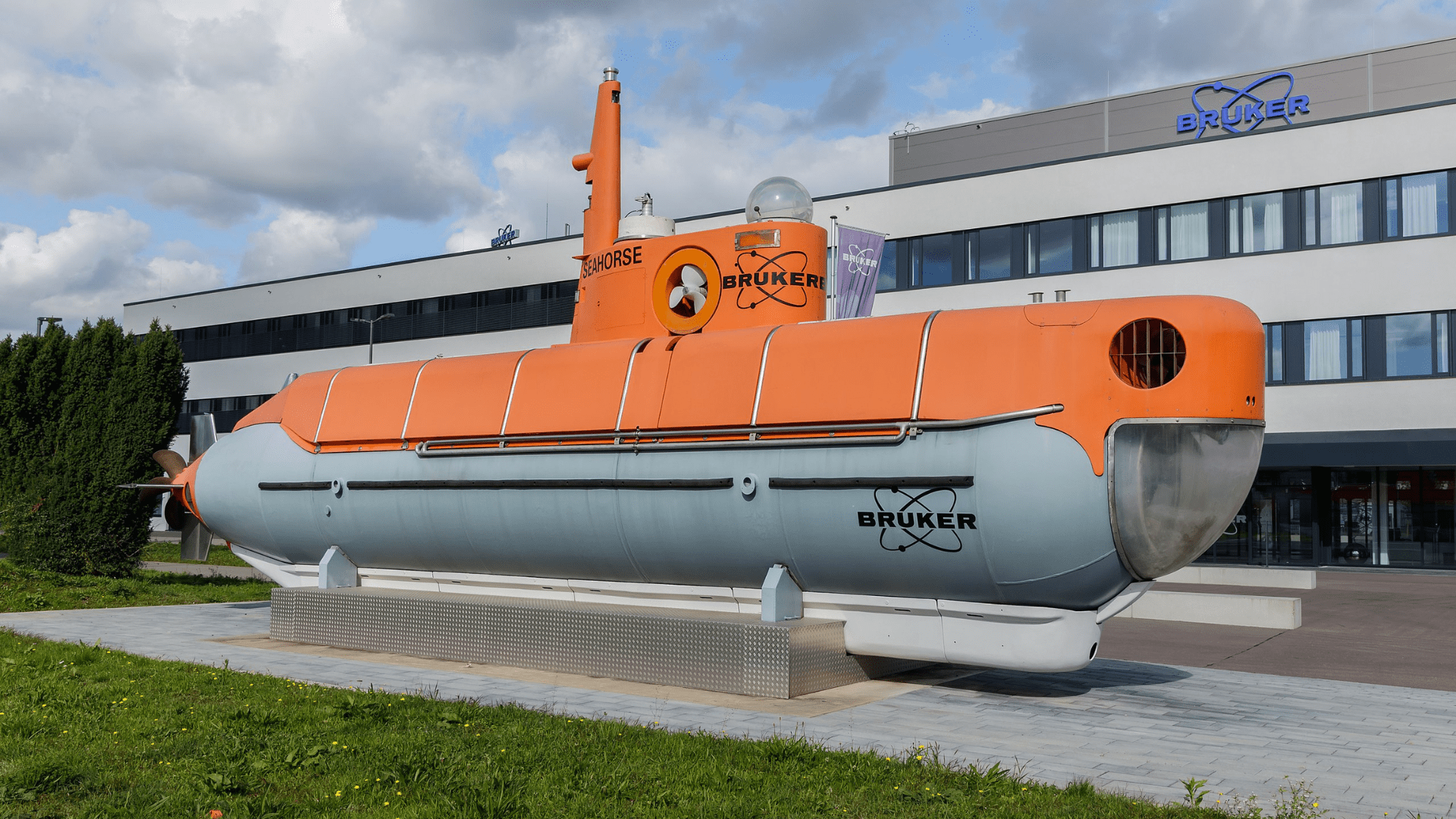
The engineering prowess of the team, alongside collaborations with experts like Stein Jacobsen, a renowned geo-chemist from Harvard, and the Bruker Corporation in Berlin, facilitated the analysis of the recovered material. Dr. Loeb reveals that two papers detailing their findings were recently published, with a comprehensive account expected in a forthcoming paper.
Spheres Contain Unusual Iron Isotope Ratios
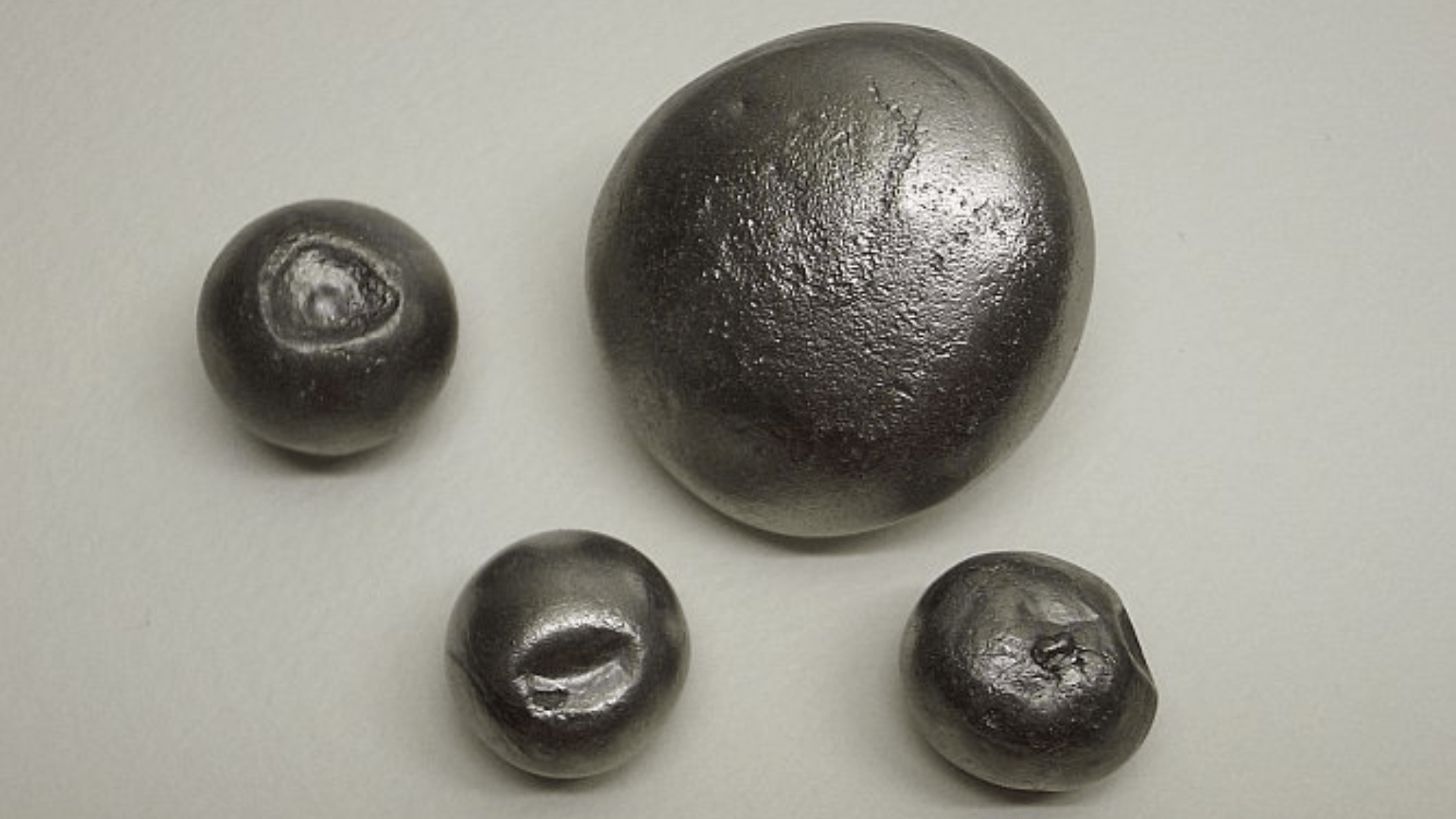
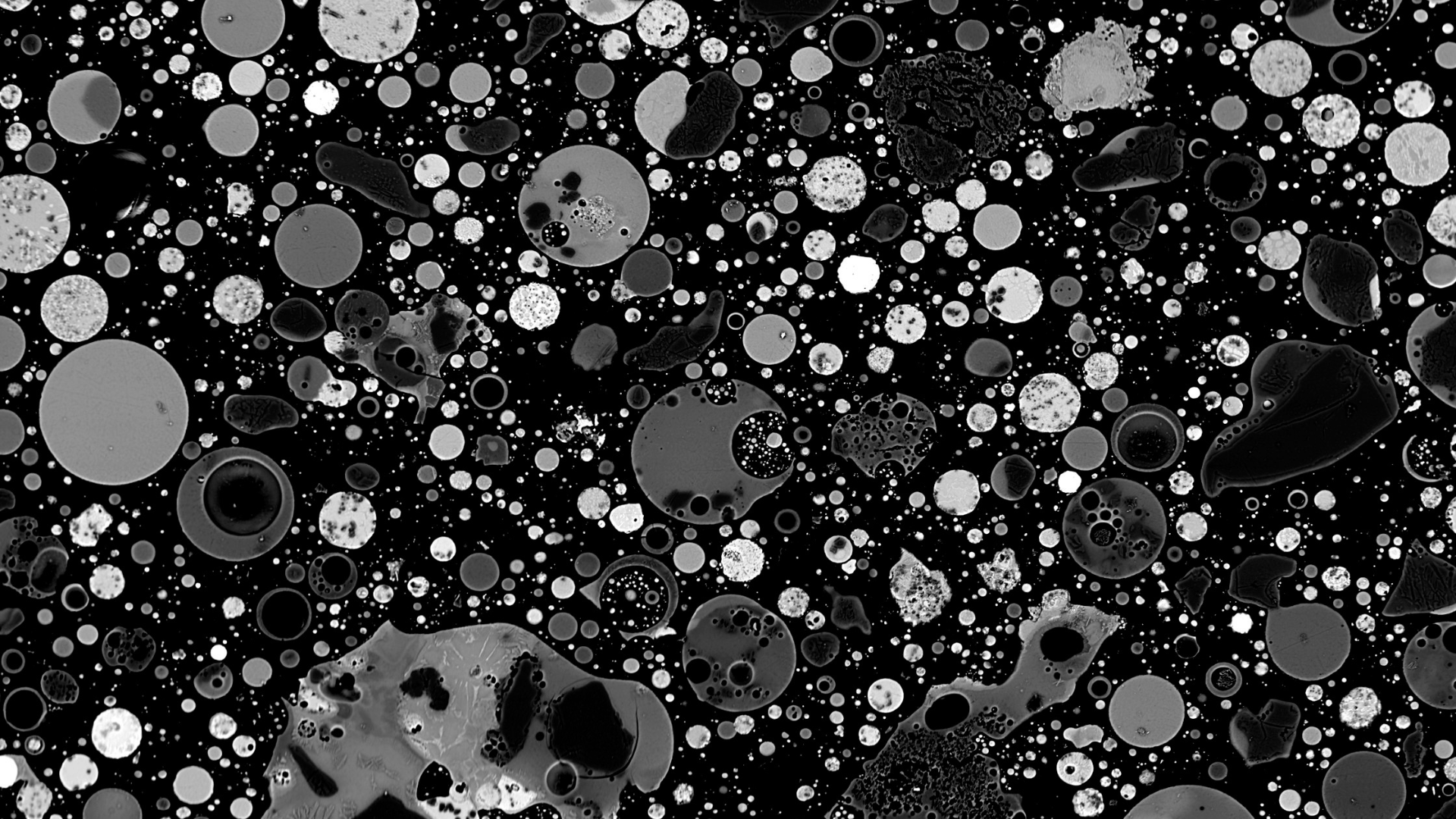
The composition of these spherules presents a puzzle to scientists. The Galileo team identified extremely high abundances of beryllium, lanthanum, and uranium, leading to the designation of a 'BeLaU' composition.
Additionally, the iron isotope ratios found in these fragments differ from those observed on Earth, the Moon, or Mars. Dr. Loeb draws parallels with melting a semiconductor or computer screen, highlighting the challenge of discerning the original object's nature from droplets alone. Larger pieces become crucial for a more comprehensive understanding and the potential identification of artificial components.
Other Scientists Suggest the Spheres Might be Coal Ash
In response to a claim suggesting that the spherules might be coal ash, Dr. Loeb robustly refutes such assertions.
He emphasizes the distinct concentration of elements, citing uranium levels up to 1,000 times larger than the standard composition of solar system material. Dr. Loeb dismisses the coal ash hypothesis, underlining that the scientists making the claim lacked access to their material, and the observed differences in composition render the assertion baseless.
The Galileo Project’s Search for an Interstellar Partner
The Galileo Project's research encompasses both oceanic exploration and sky monitoring from an observatory at Harvard.
Machine learning is deployed to analyze the vast array of celestial data continuously collected. Dr. Loeb reflects on the romantic aspects of the Galileo mission, likening it to the search for a partner in interstellar space. He highlights the optimism that guided the project, despite initial skepticism, drawing parallels with life's meaningful pursuits and the pursuit of cosmic partners.
A Letter in Our Mailbox from Another Civilization

From a scientific perspective, Dr. Loeb envisions the potential discovery of technologies representing our future.
He speculates on the transformative impact of encountering a civilization more advanced than ours, suggesting that such an event could alter humanity's priorities. In a world rife with conflicts and substantial financial expenditures, the prospect of finding a 'letter in our mailbox from another civilization' opens the door to a broader perspective, considering the vast real estate in outer space.
Galileo Project Findings Precede Participation in UFO and UAP Conference

Dr. Loeb's revelations precede his participation in the 10th Contact in the Desert gathering, a significant annual event focused on UFOs and UAPs. Scheduled for May 30 to June 3 in Indian Wells, this event attracts renowned figures in the field, including Nick Pope, Ron James, George Knapp, and Linda Moulton Howe.
Operating under the theme 'Conscious Contact,' the conference expects thousands of attendees from around the world, solidifying its status as the largest and most prestigious gathering in the realm of unidentified anomalous phenomena.