Test Your Knowledge of the Truth of El Dorado
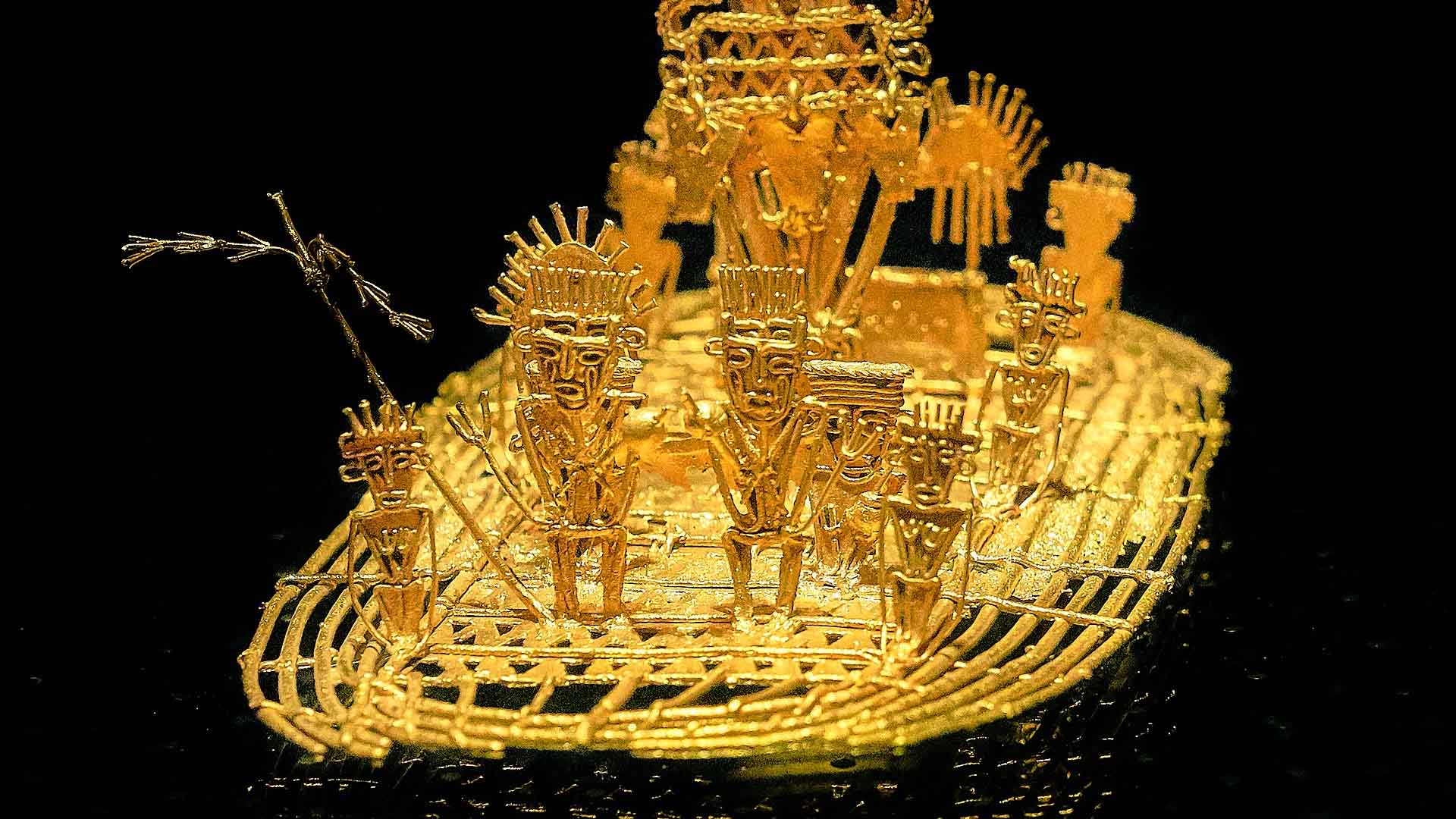
For centuries, the tale of El Dorado, a mythical city of gold, has captivated explorers, historians, and dreamers worldwide. However, the true story behind this legend is rooted in the rich cultural practices of the Muisca people of South America, far removed from the European myths of endless riches.
This quiz will take you on a journey through the real events, cultural significance, and historical misunderstandings that have shaped the narrative of El Dorado. Prepare to explore the depths of historical truths and debunk the myths that have led many astray. Are you ready to uncover the golden truths behind the legend of El Dorado?
What true form does the legend of El Dorado originally refer to?
- A) A golden city
- B) A mountain of gold
- C) A golden man
- D) A river of gold
Answer:
C) A golden man
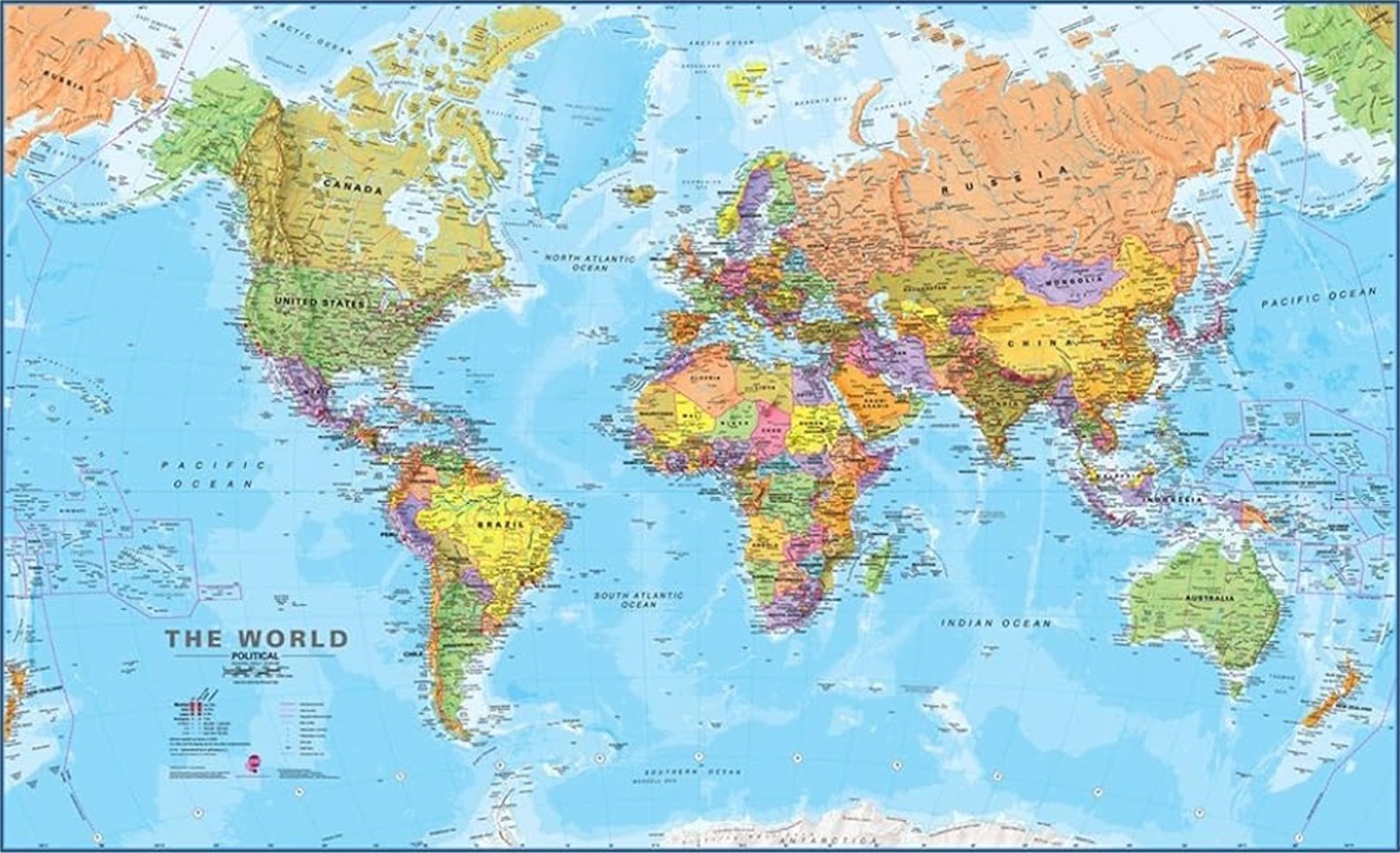
In which country did the Muisca people, associated with the El Dorado ceremony, live?
- A) Brazil
- B) Venezuela
- C) Colombia
- D) Peru
Answer:
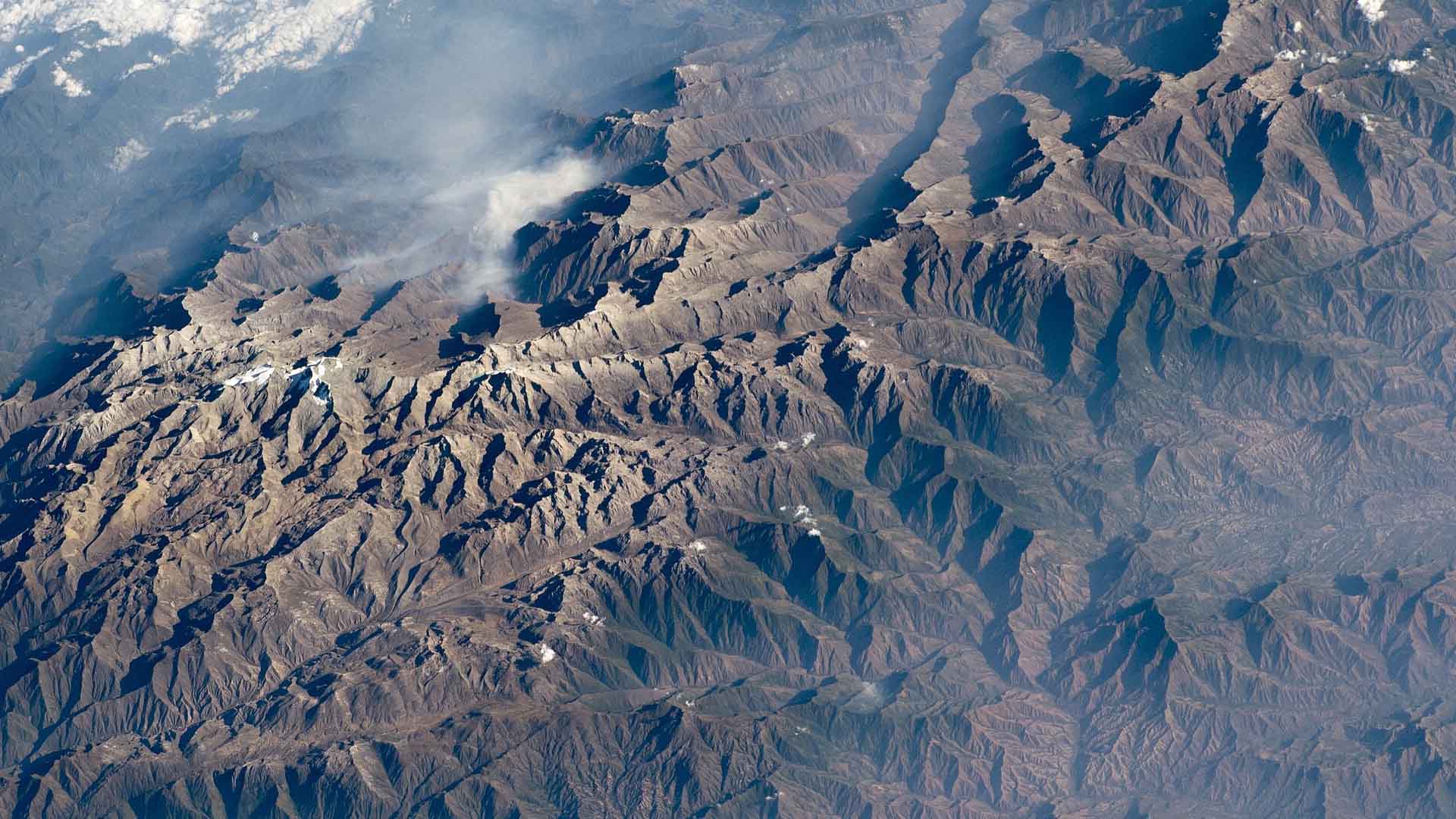
C) Colombia
What was the main purpose of the Muisca El Dorado ceremony?
- A) To display wealth
- B) To find a new leader
- C) To offer tributes to the gods
- D) To prepare for war
Answer:

C) To offer tributes to the gods
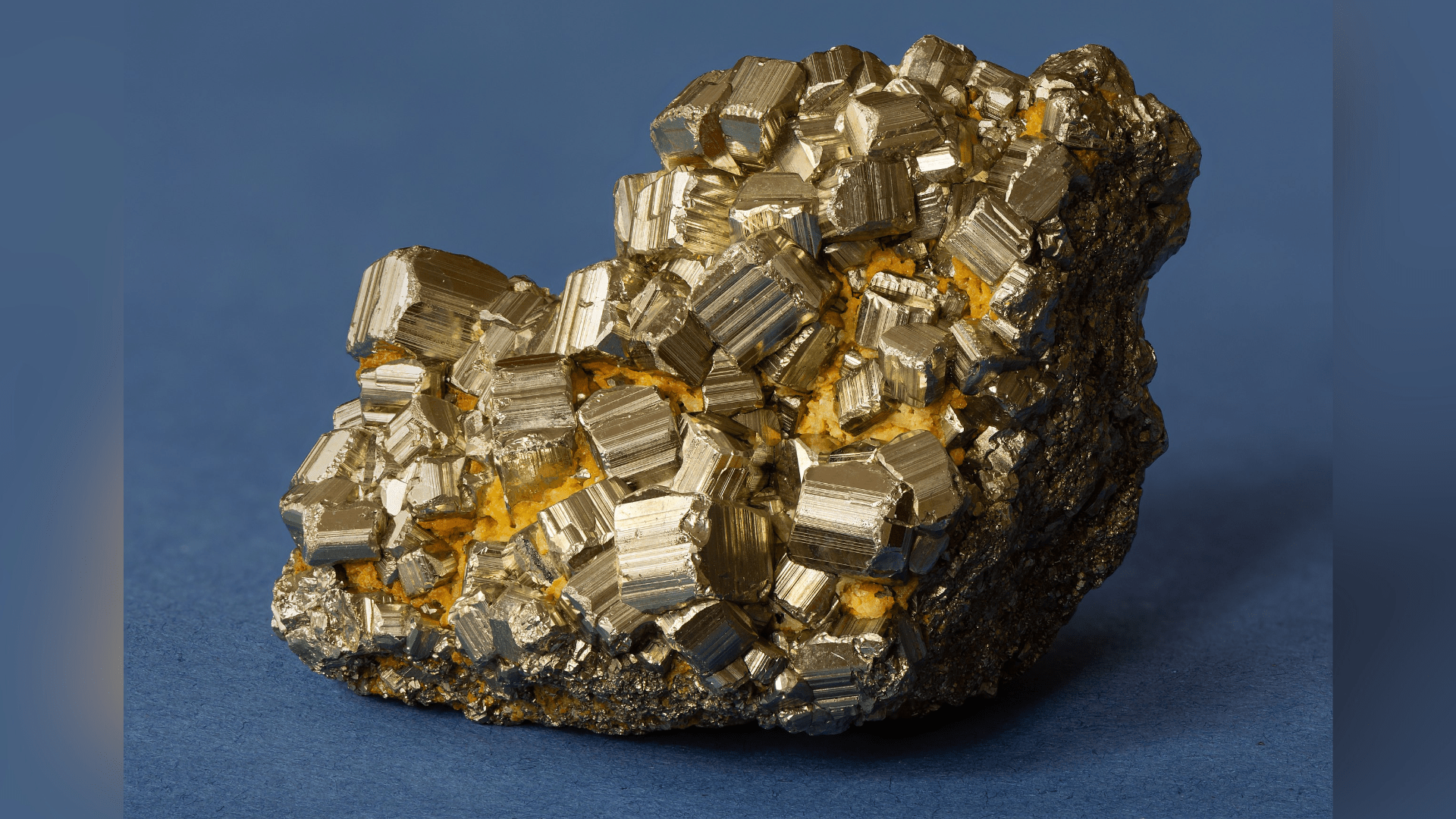
What material was not solely for material value but had spiritual significance to the Muisca people?
- A) Silver
- B) Tumbaga
- C) Iron
- D) Platinum
Answer:
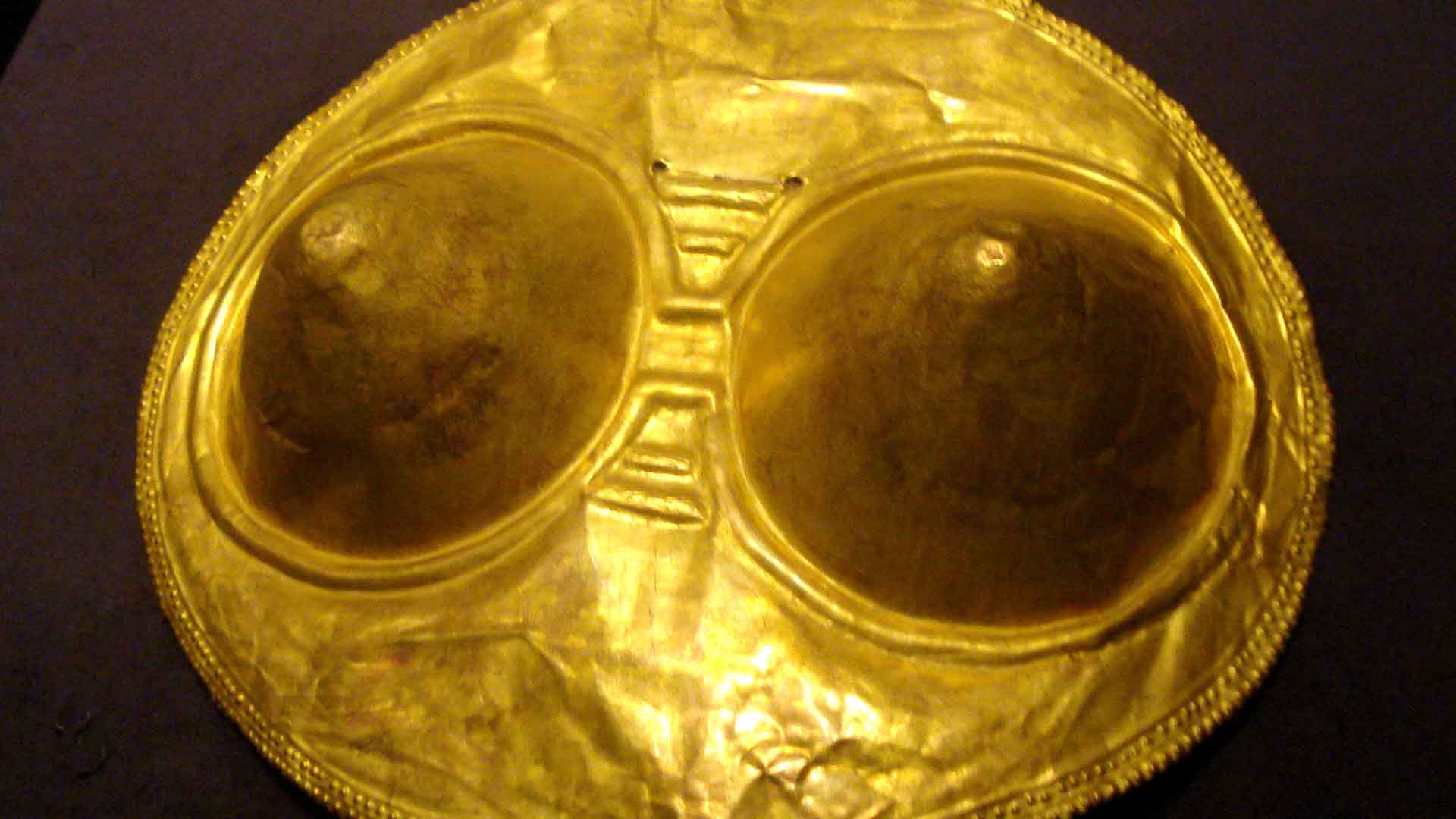
B) Tumbaga
Which lake was central to the El Dorado ceremony?

- A) Lake Titicaca
- B) Lake Guatavita
- C) Lake Maracaibo
- D) Lake Atitlán
Answer:
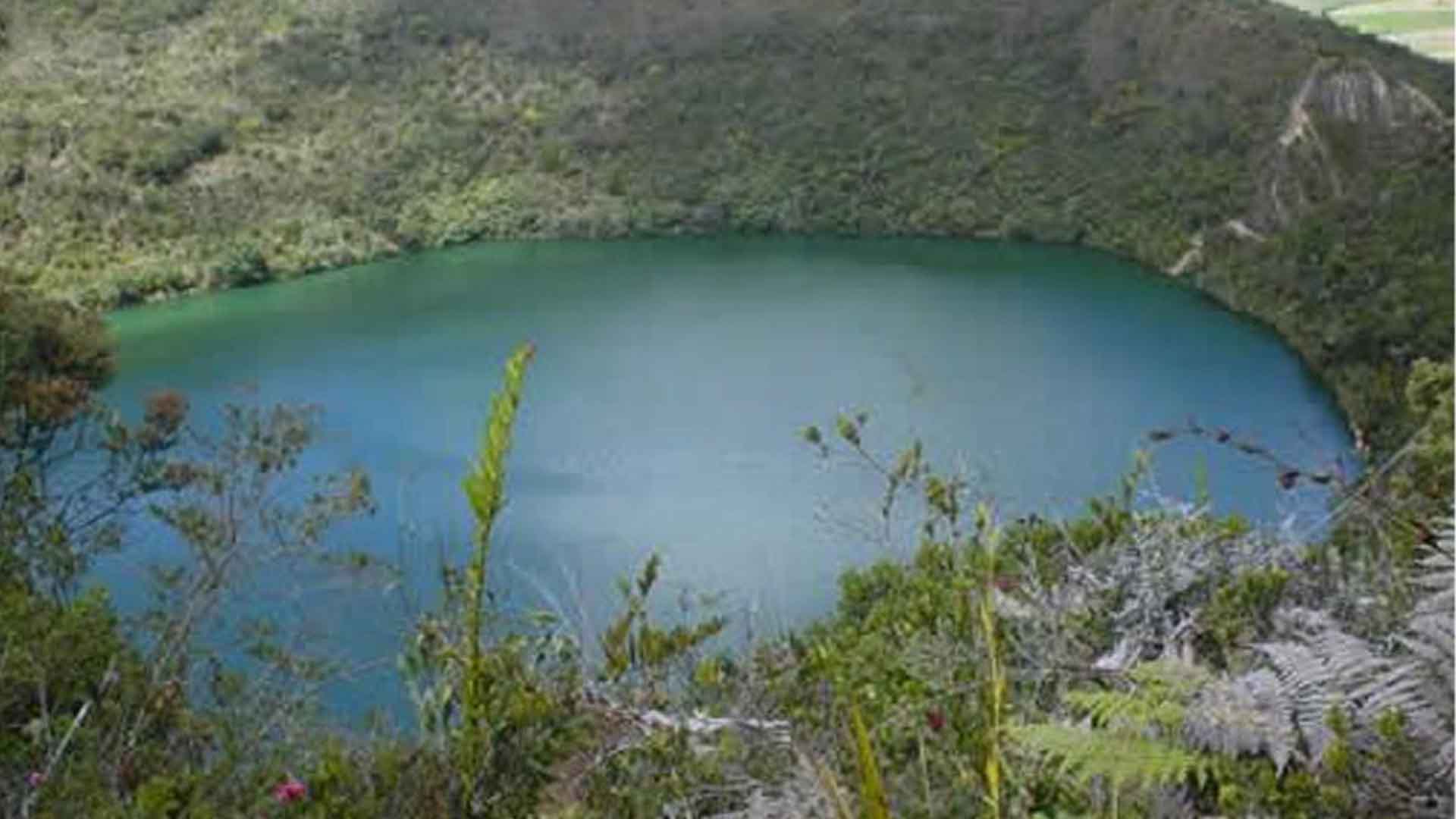
B) Lake Guatavita
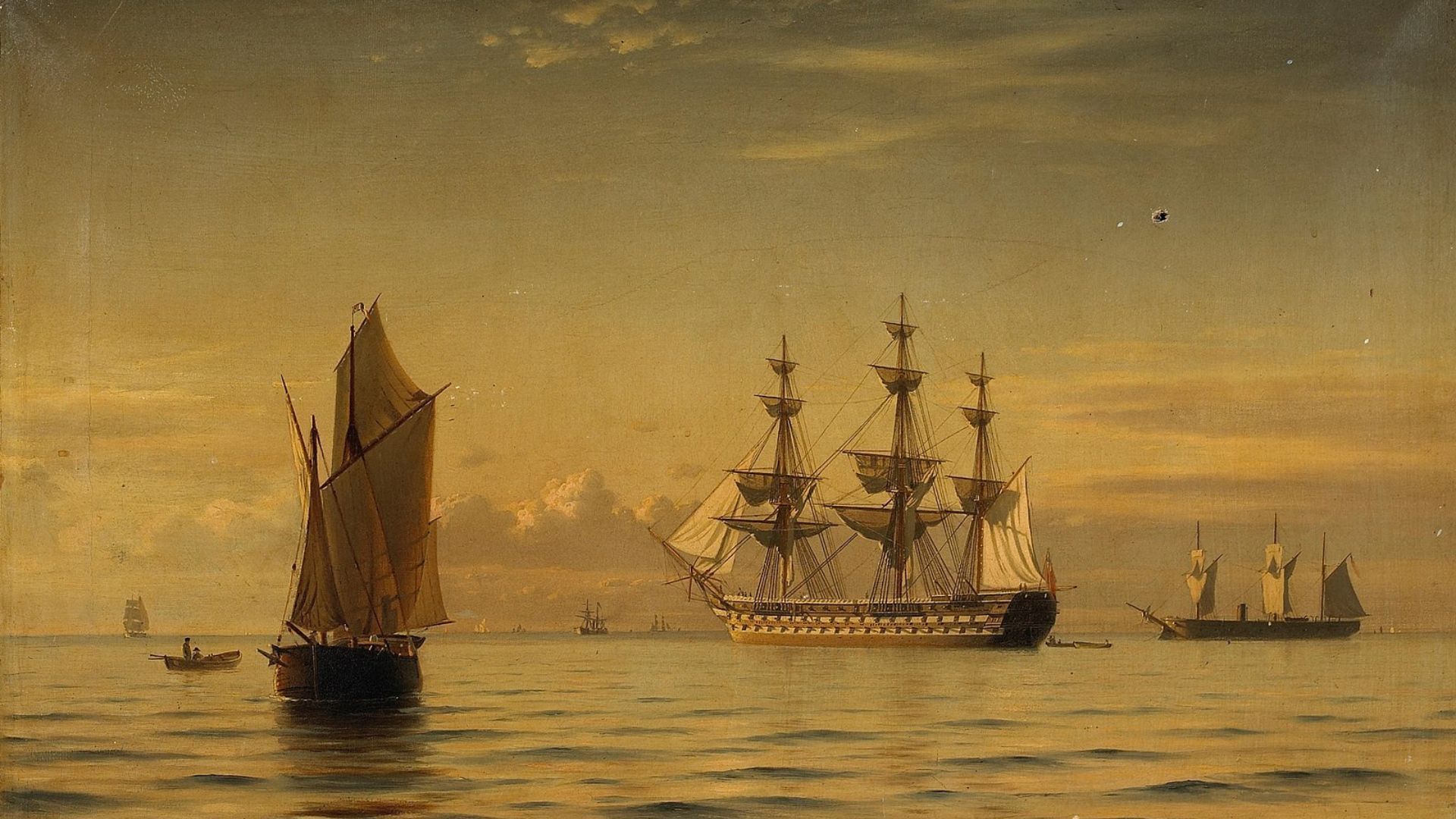
Who was the European explorer that made two trips to search for El Dorado in the early 17th century?
- A) Christopher Columbus
- B) Sir Francis Drake
- C) Hernán Cortés
- D) Sir Walter Raleigh
Answer:
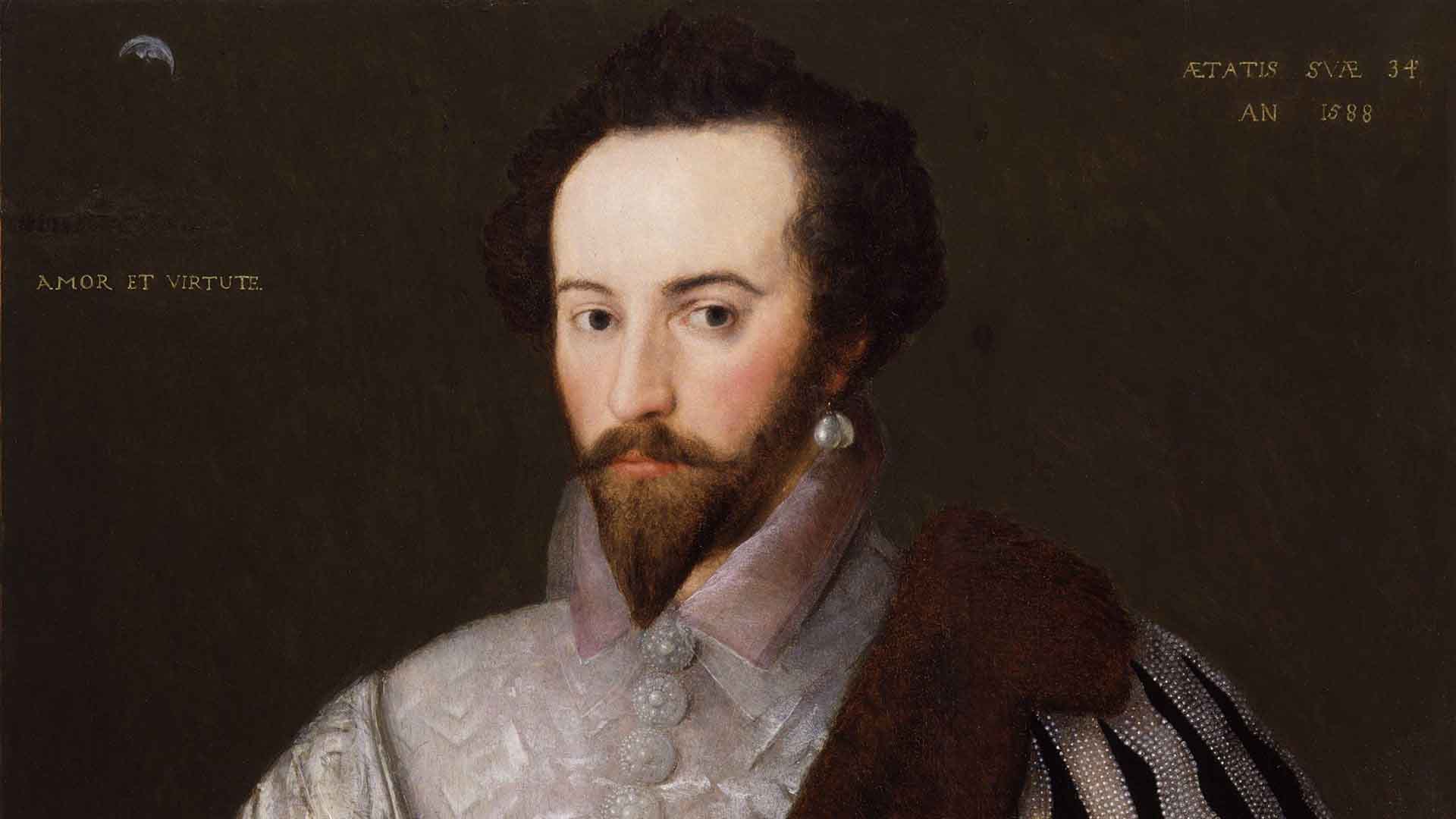
D) Sir Walter Raleigh
How did Europeans misinterpret the Muisca ceremony of El Dorado?
- A) As a healing ritual
- B) As a fertility ceremony
- C) As a myth of a city of gold
- D) As a declaration of war
Answer:
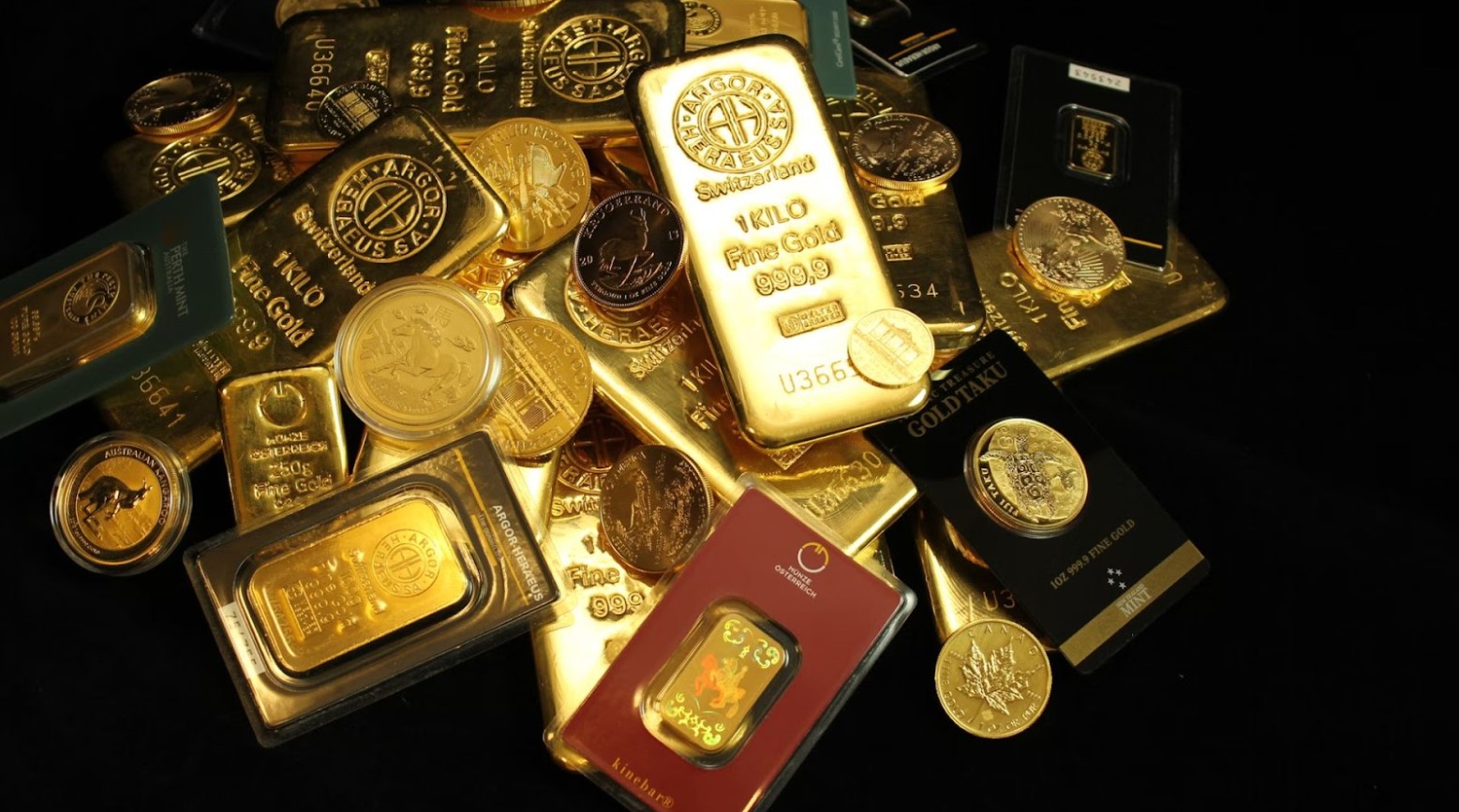
C) As a myth of a city of gold
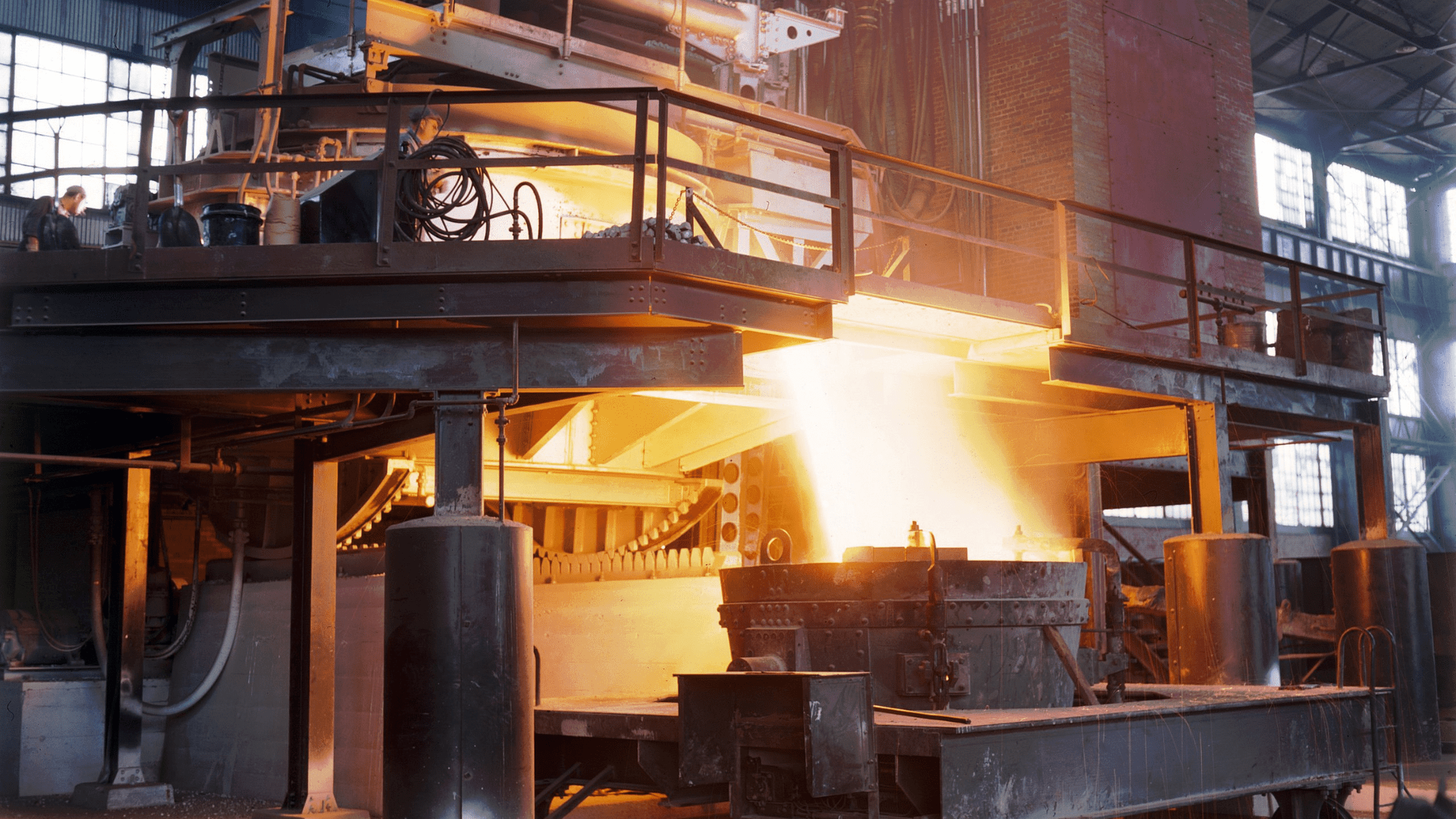
What is the metalworking process used by the Muisca to create gold objects for offerings?
- A) Forging
- B) Lost wax process
- C) Smelting
- D) Enameling
Answer:
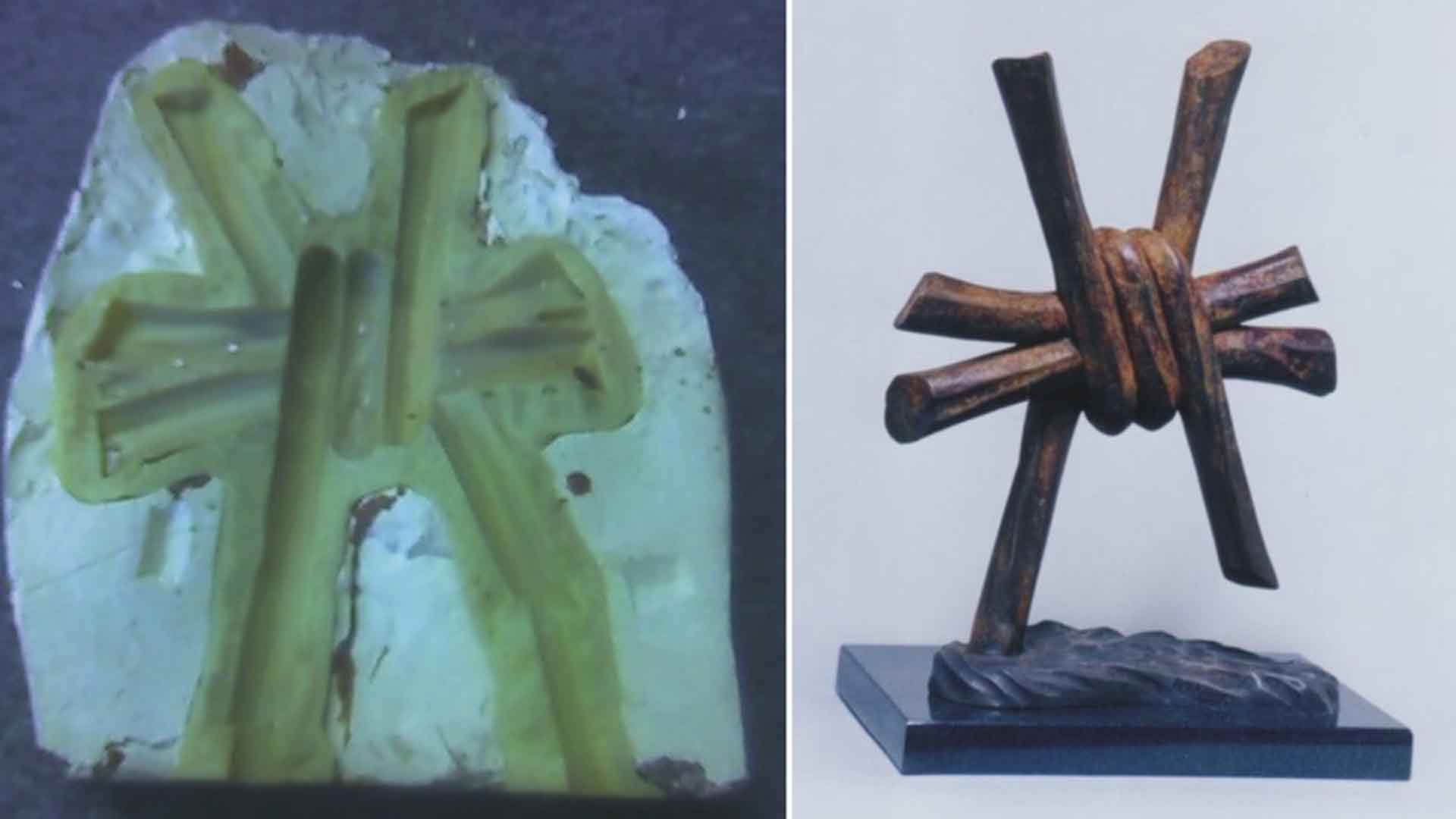
B) Lost wax process
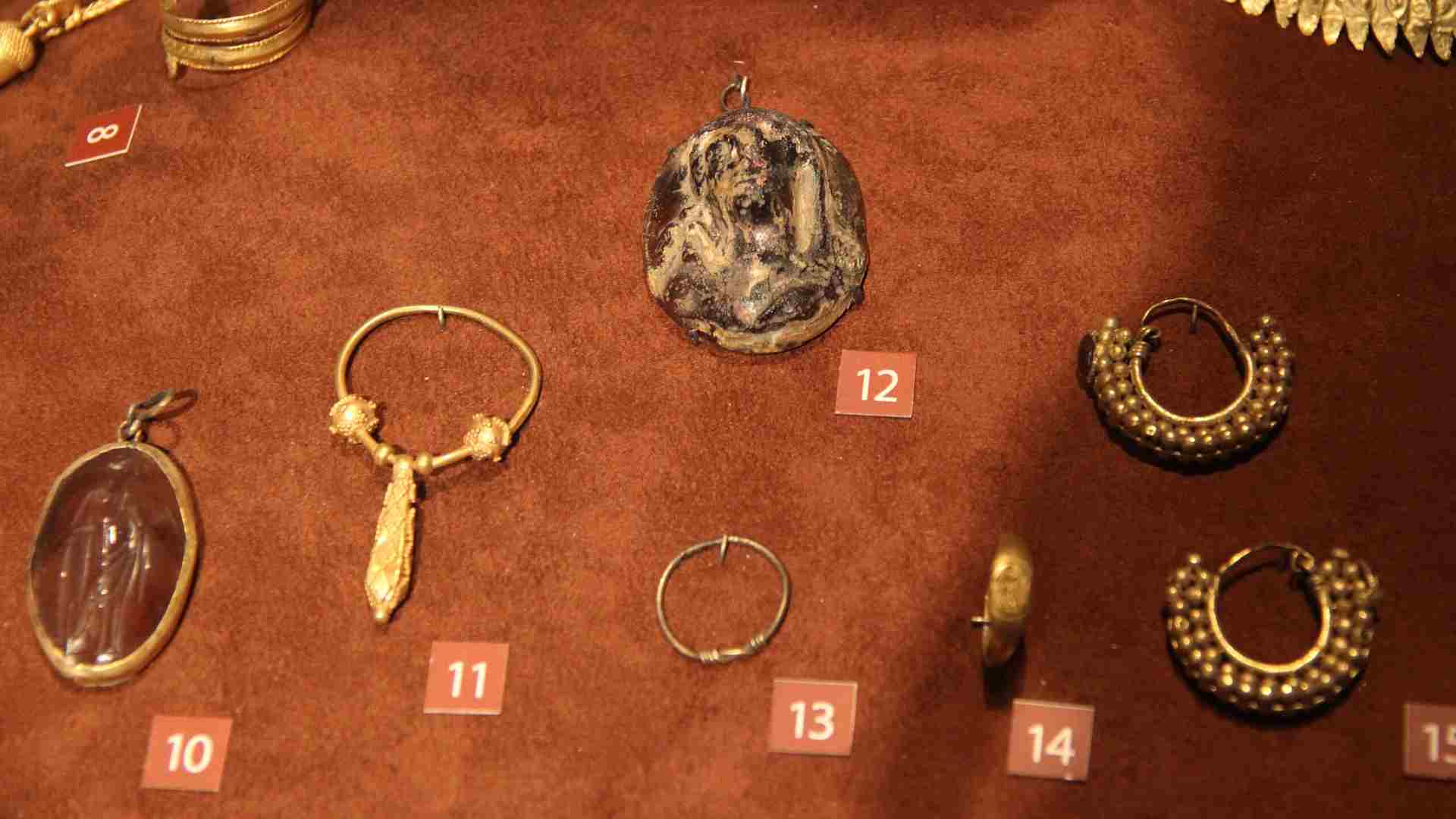
What percentage of Muisca production was dedicated to votive offerings, according to experts?
- A) Over 25%
- B) Over 50%
- C) Over 75%
- D) Over 90%
Answer:
B) Over 50%
What does gold represent to the Muisca people, contrary to European belief?

- A) Power
- B) Wealth
- C) An offering
- D) A currency
Answer:
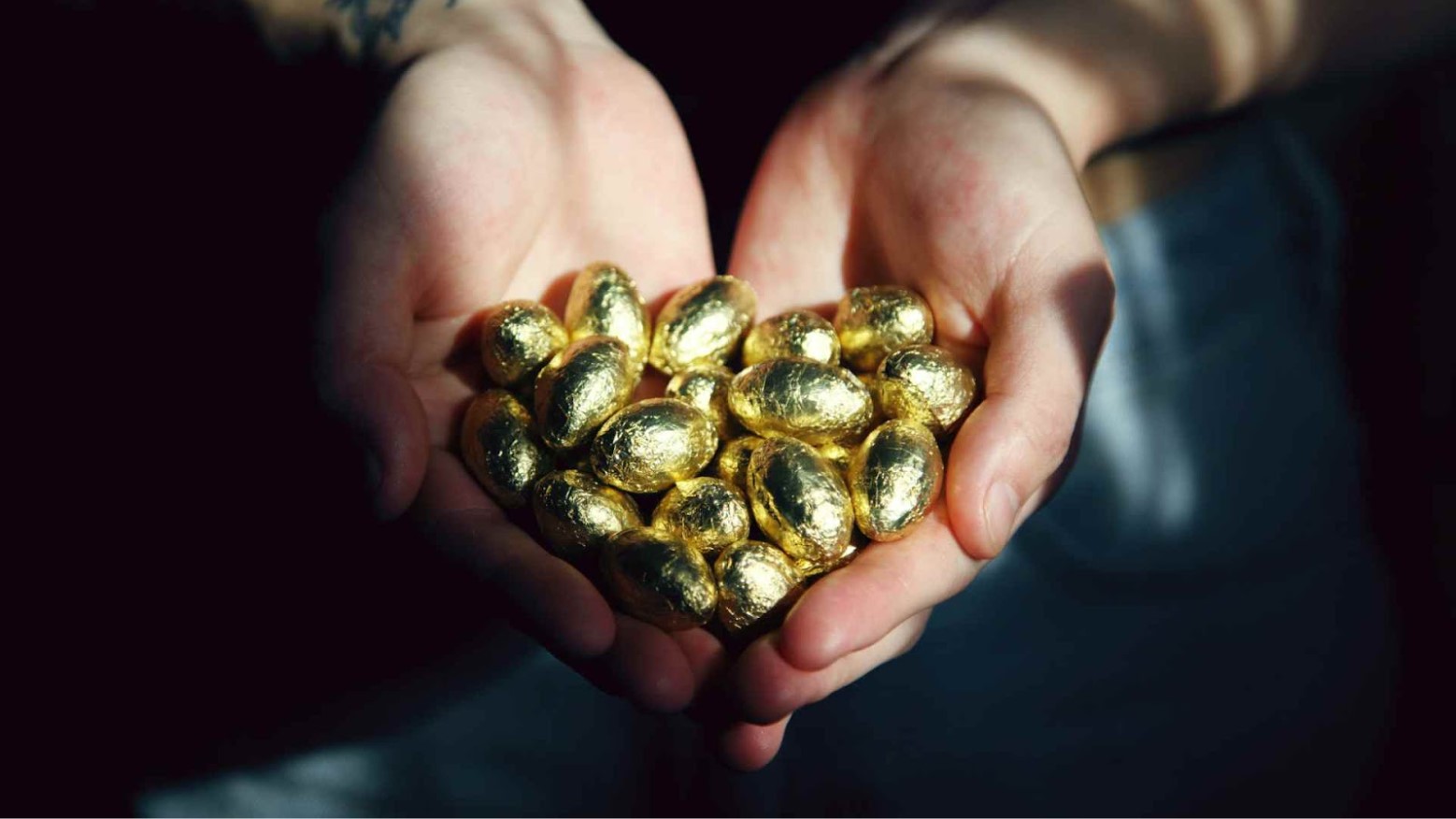
C) An offering
Which institution in Bogota is known for its research and exhibits on the Muisca and their gold?

- A) National Museum of Colombia
- B) Museo del Oro
- C) Bogota Historical Museum
- D) Colombian Museum of Archeology
Answer:
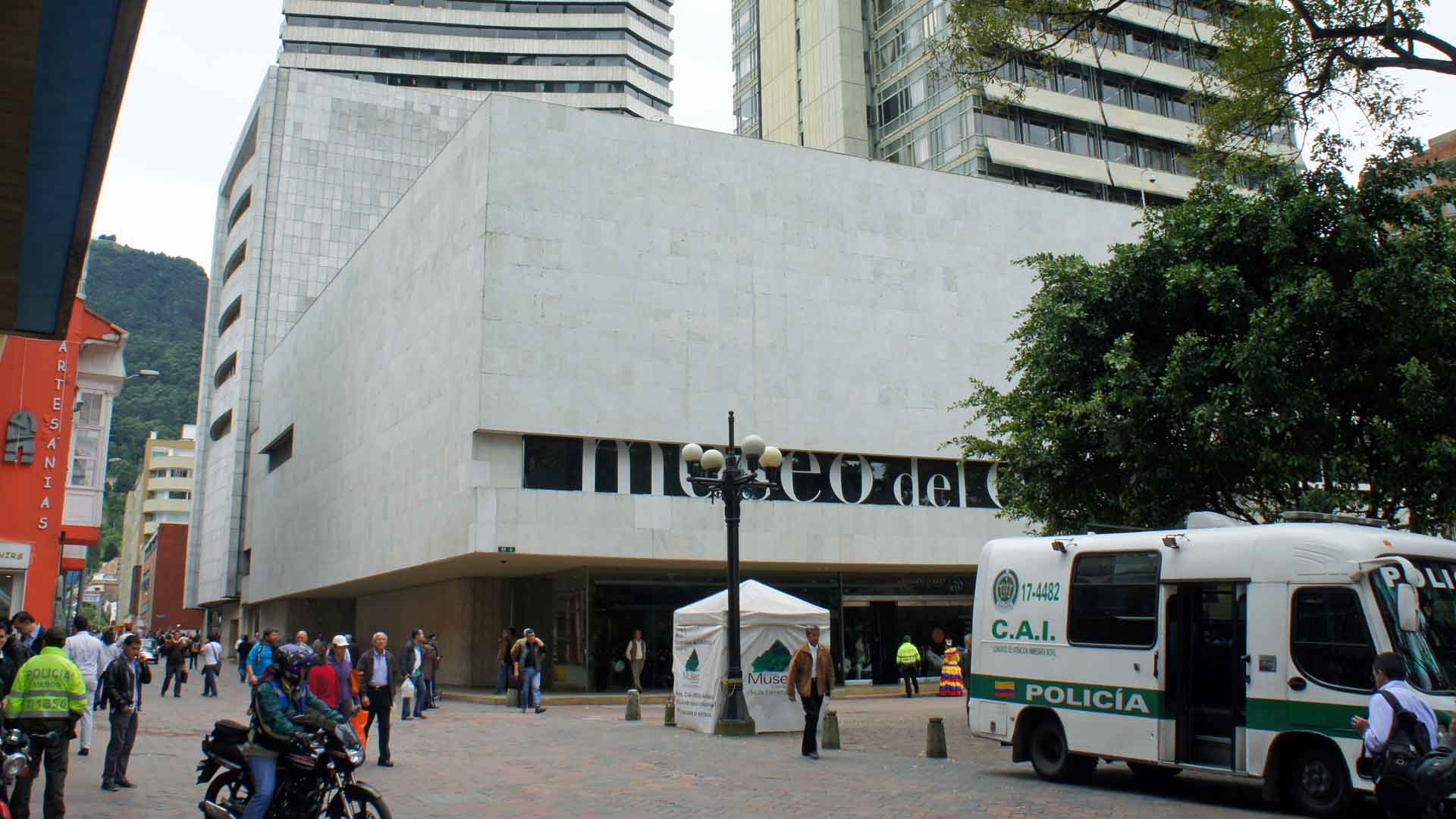
B) Museo del Oro
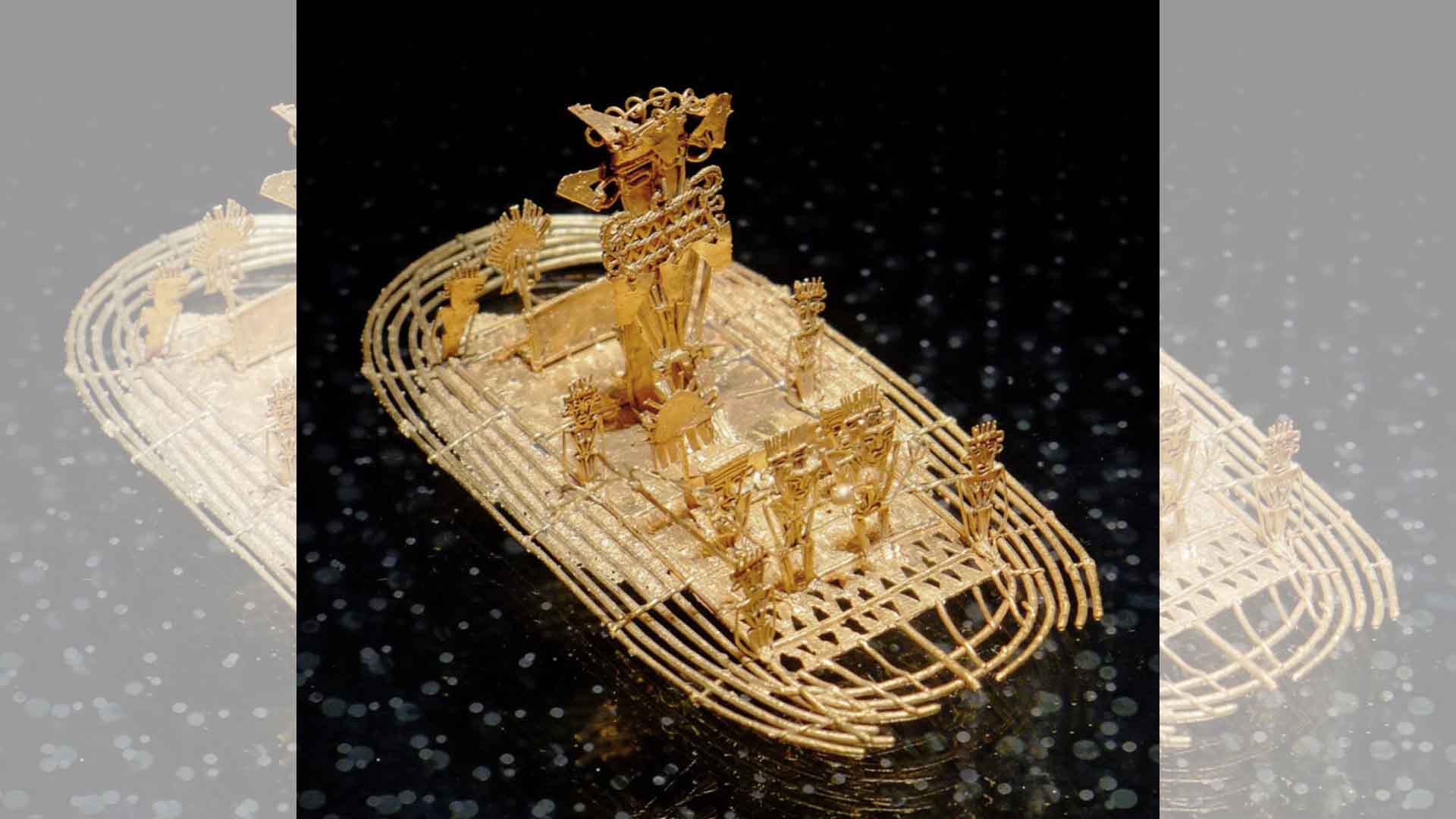
Which artifact found in 1969 provides physical evidence of the El Dorado ceremony as described by early chroniclers?

- A) A gold crown
- B) A gold mask
- C) A gold raft
- D) A gold chalice
Answer:
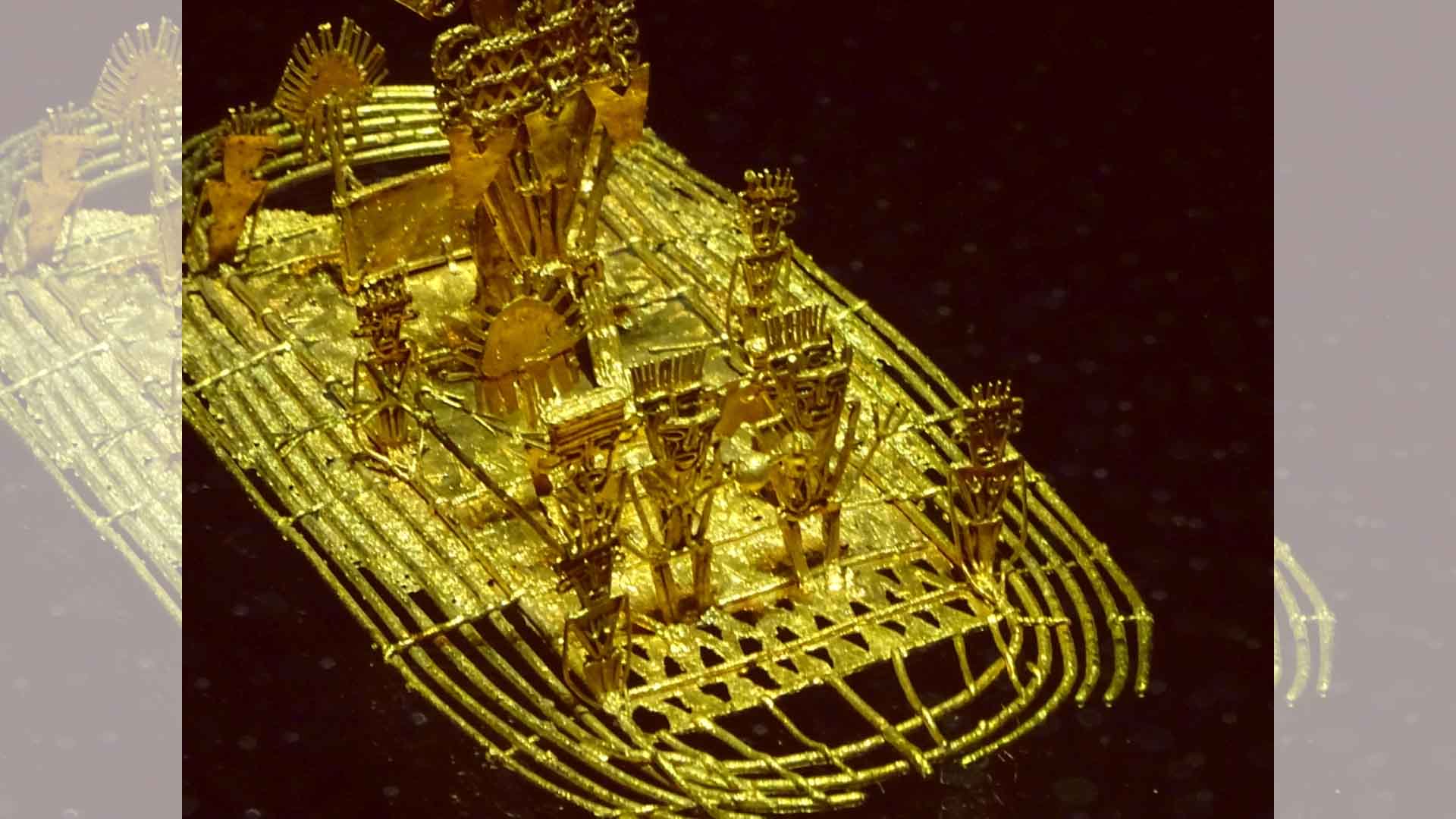
C) A gold raft
Who wrote the account that gives one of the best descriptions of the El Dorado ceremony?

- A) Gonzalo Jiménez de Quesada
- B) Juan Rodriguez Freyle
- C) Francisco Pizarro
- D) Bartolomé de las Casas
Answer:
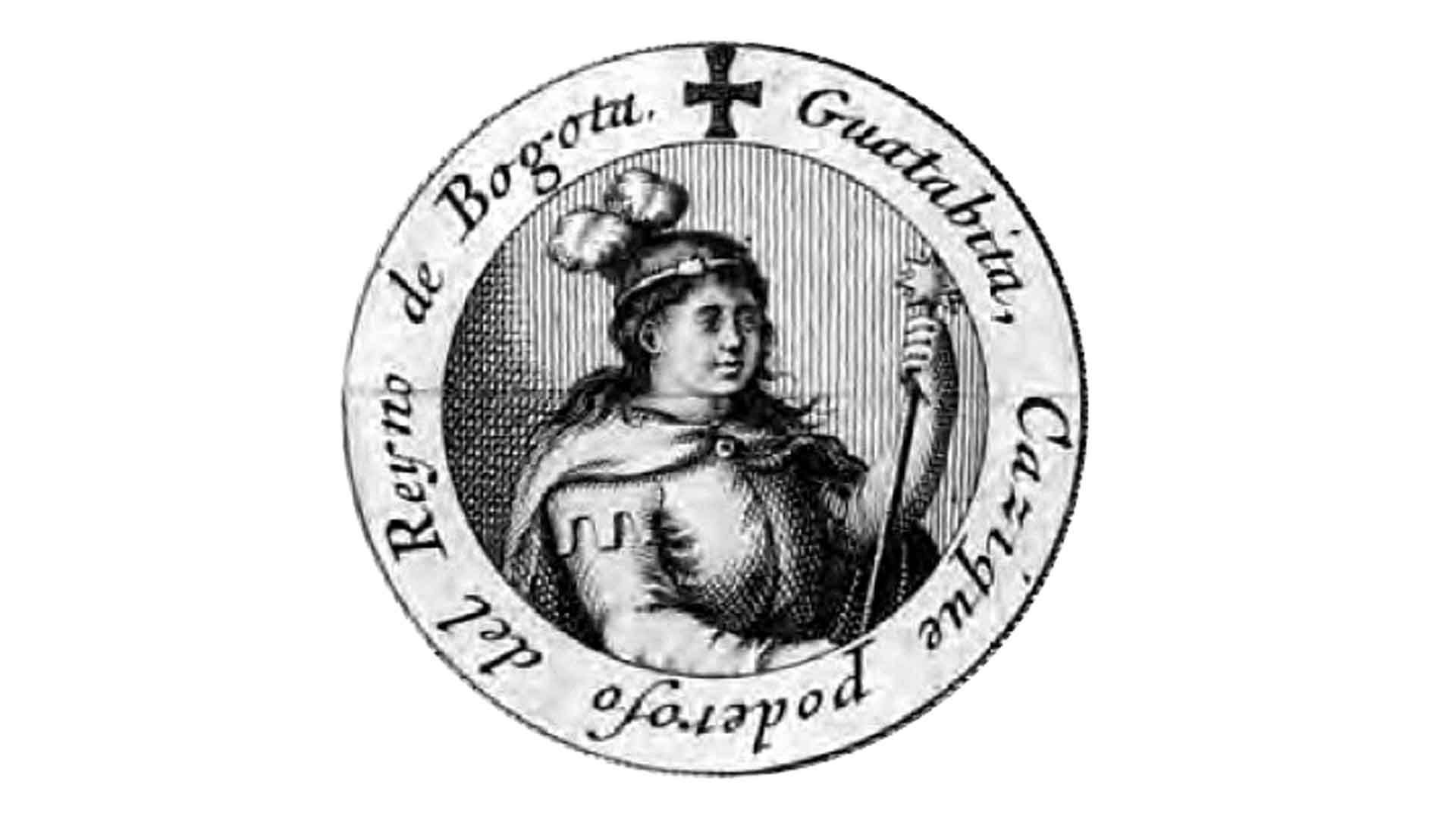
B) Juan Rodriguez Freyle
How did the European conquerors’ interpretation of gold differ from that of the Muisca people?
- A) They viewed it as purely decorative
- B) They saw it as a symbol of divine right
- C) They considered it as a material for weaponry
- D) They regarded it as a source of wealth
Answer:
D) They regarded it as a source of wealth
What outcome has resulted from the misinterpretation and legend of El Dorado over the years?
- A) Increased cultural appreciation
- B) Scientific advancements in metalworking
- C) Widespread looting and loss of cultural artifacts
- D) Peaceful integration of different cultures
Answer:
C) Widespread looting and loss of cultural artifacts