The Tree Where Isaac Newton Discovered Gravity Is Still Thriving to This Day
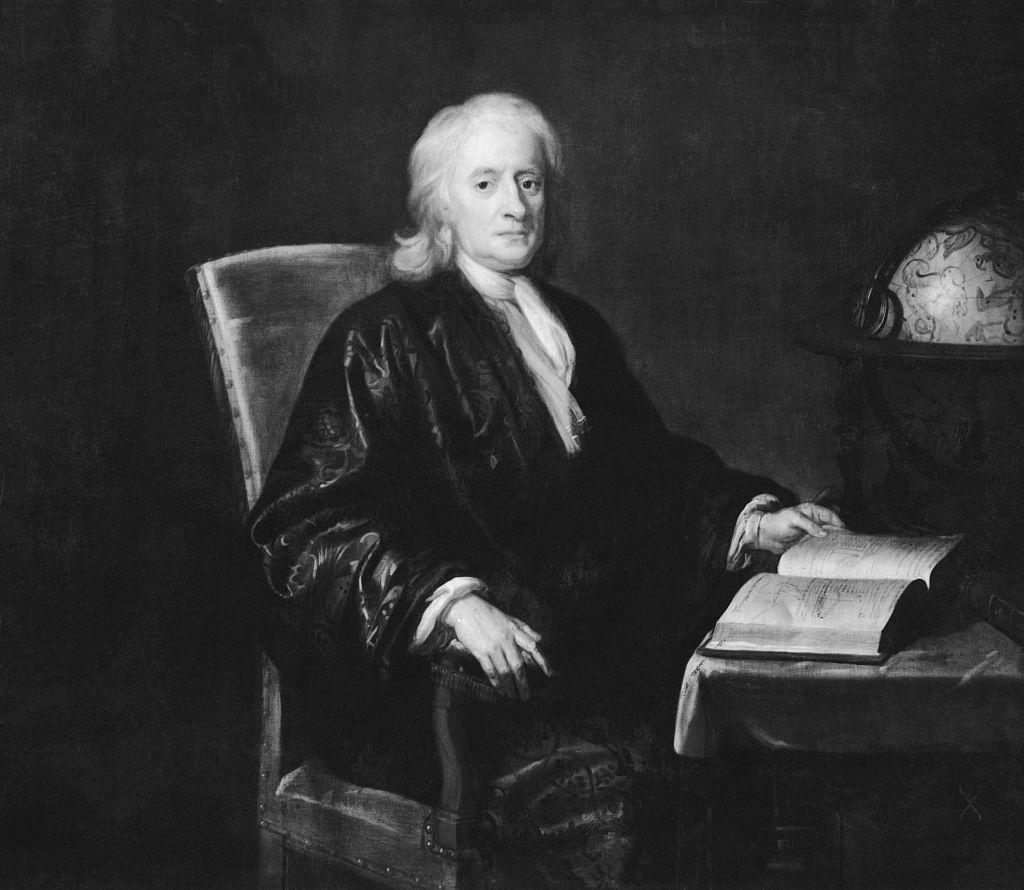
Almost 400 years ago, Isaac Newton was born, and science, mathematics, physics, and philosophy changed forever.
And while almost everyone has learned Newton’s name for one reason or another, not everyone knows the story of Newton and the apple tree, and even fewer know that the tree still stands tall today.
Who Was Isaac Newton?
Isaac Newton lived from 1643 to 1727 in England, and he was considered a polymath as he actively studied and worked in mathematics, physics, alchemy, theology, philosophy, and even astronomy.
Throughout his life, he made several impressive advancements, such as developing infinitesimal calculus, laws of motion, the first reflecting telescope, and maybe most famously, universal gravitation.
Newton’s Theory of Gravity
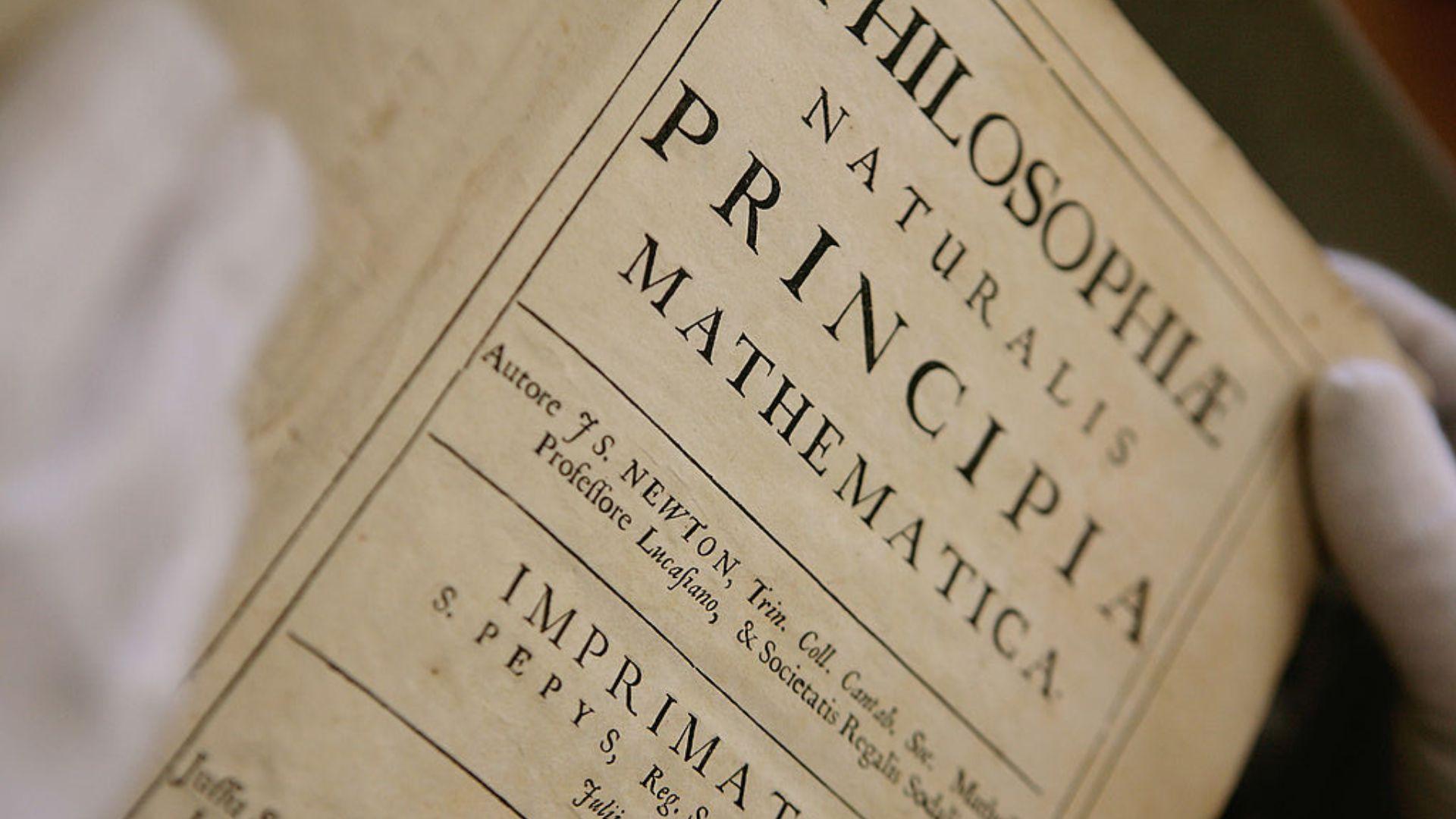
Newton explained his theory of universal gravitation in the pages of his book, “Philosophiæ Naturalis Principia Mathematica,” or “Mathematical Principles of Natural Philosophy.”
Here, he wrote that every particle attracts the other particles of the universe with a force that is directly proportional to their mass and inversely proportional to the distance between them.
Isaac Newton’s Inspiration
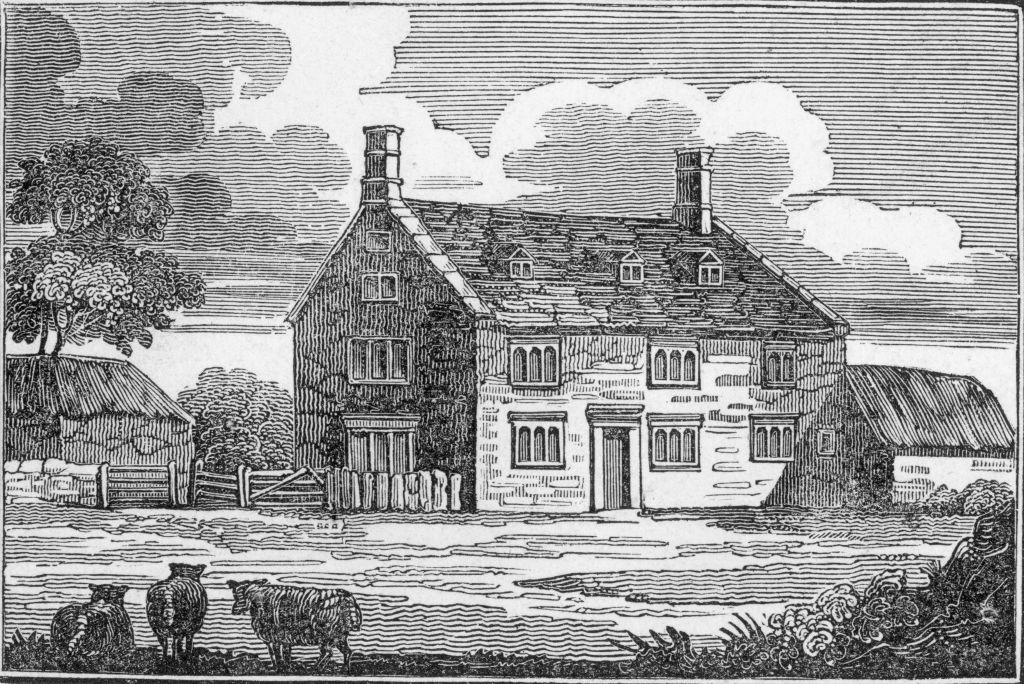
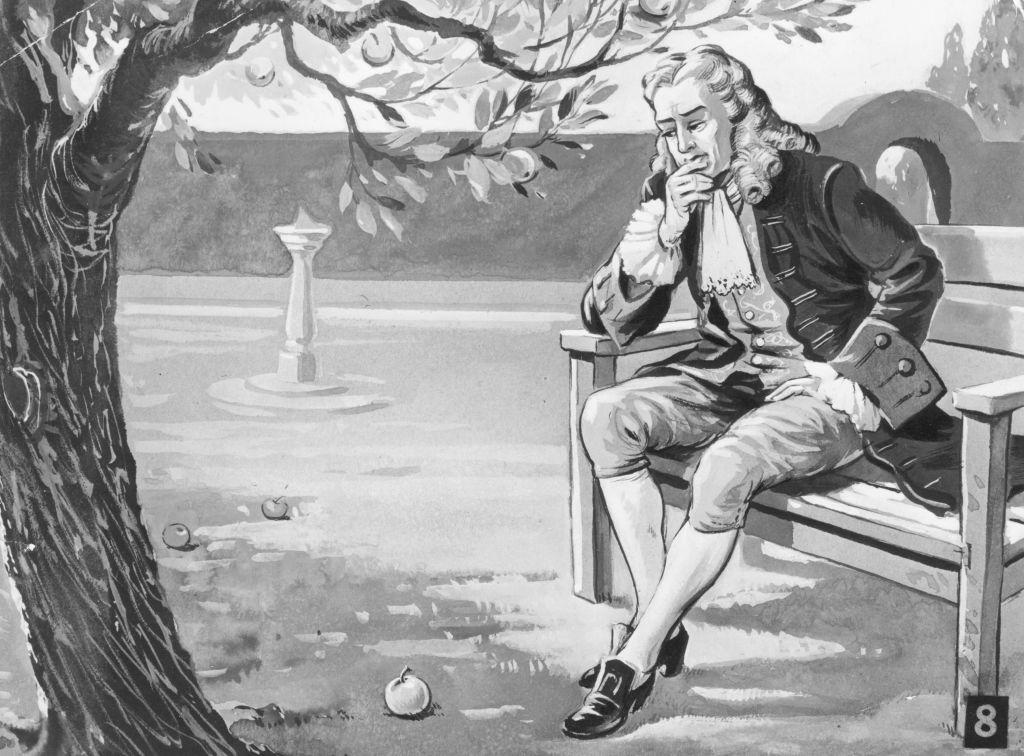
Although it took an incredible amount of time and research to finalize the mathematical equation to support Newton’s gravitational theory, the initial idea came to him in just seconds.
Supposedly, Newton was sitting under an apple tree at his childhood home at Woolsthorpe Manor when an apple fell from the tree, thus sparking his theory of gravity.
Is the Story of Newton and the Apple Tree True?
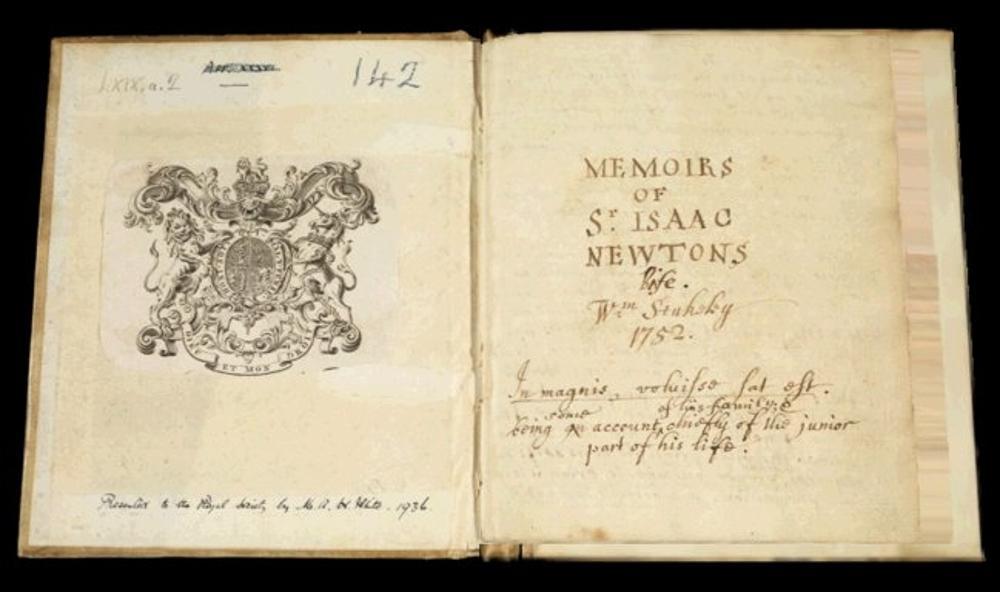
Although it sounds like a tall tale, there is evidence to support the story through several first-hand accounts of conversations with the mathematical genius, including in William Stukeley’s “Memoirs of Sir Isaac Newton.”
William Stukeley wrote, “After dinner, the weather being warm, we went into the garden, & drank tea under the shade of some appletrees, only he, & myself. amidst other discourse, he told me, he was just in the same situation, as when formerly, the notion of gravitation came into his mind.”
The Famous Tree at Woolsthorpe Manor
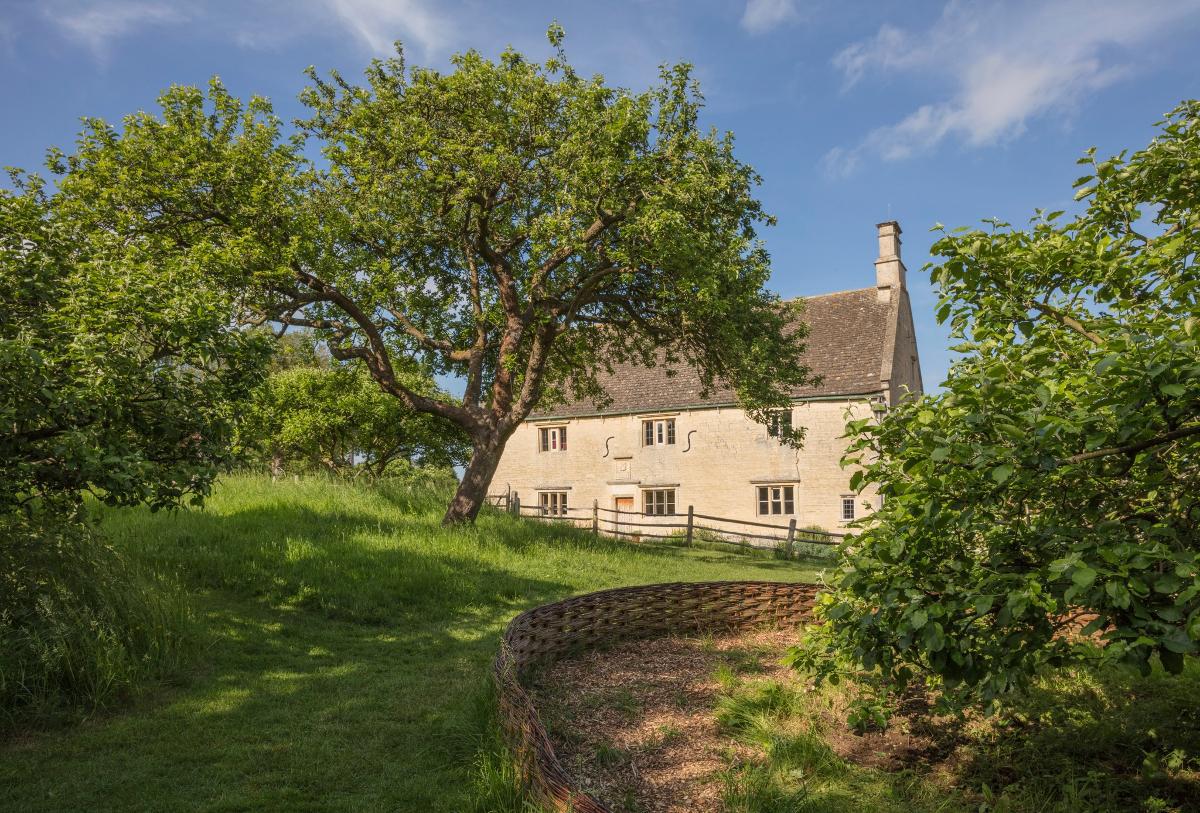
There are several apple trees at Woolsthorpe Manor, and no one can know for sure which tree Newton was sitting under when he had his incredible realization.
But many believe the now giant and ancient apple tree that sits behind the house is the exact tree Newton was referring to when he told his friends the enthralling anecdote.
That Tree Is Still Thriving Today
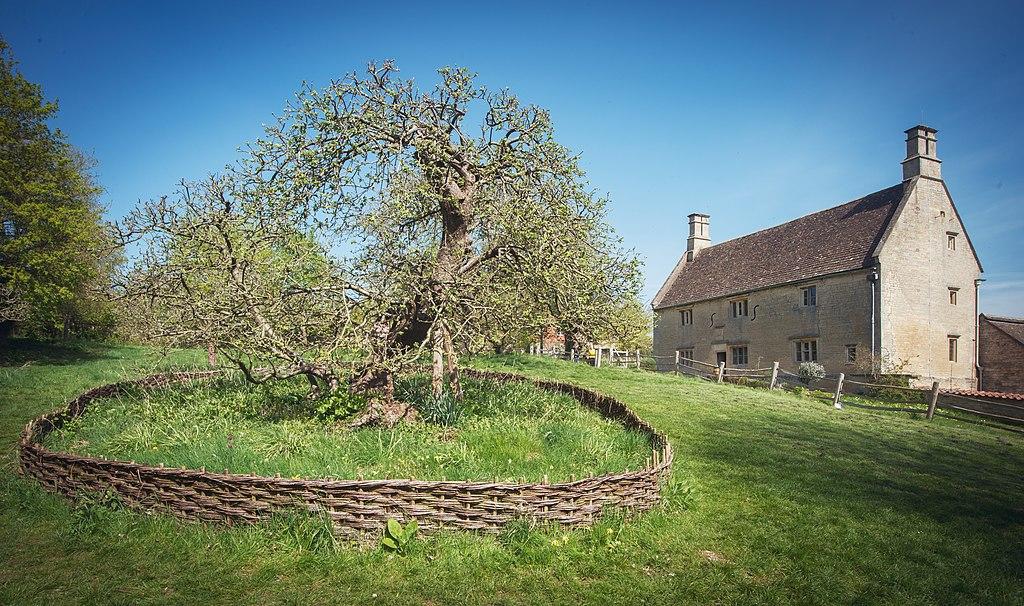
And due to special care and consideration from historians, that tree is still alive and well today in the same spot it was 350 years ago.
And since this tree is considered so vitally important within the world of academia, various institutions around the world have even grown their own version with offshoots from the original tree.
Newton’s Tree at Trinity College
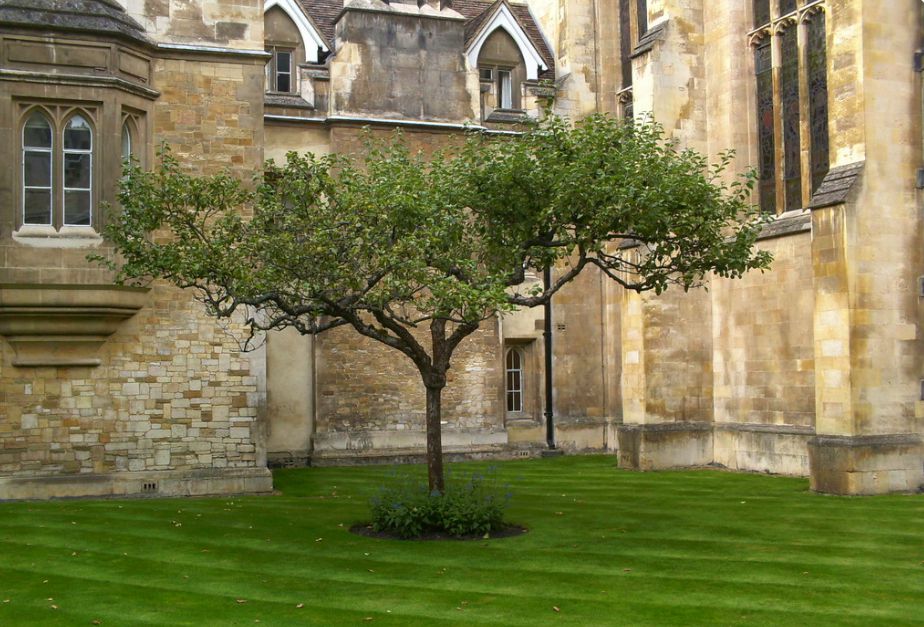
Sir Isaac Newton was an accomplished student; he attended Trinity College in Cambridge in 1661 and received his Bachelor of Arts degree in Natural Philosophy.
And to honor one of their most beloved students, the college decided to plant an offshoot from the original tree at Woolsthorpe Manor on campus, which has now grown into a beautiful and important part of the school’s landscape.
Newton’s Tree Made it Across the Atlantic
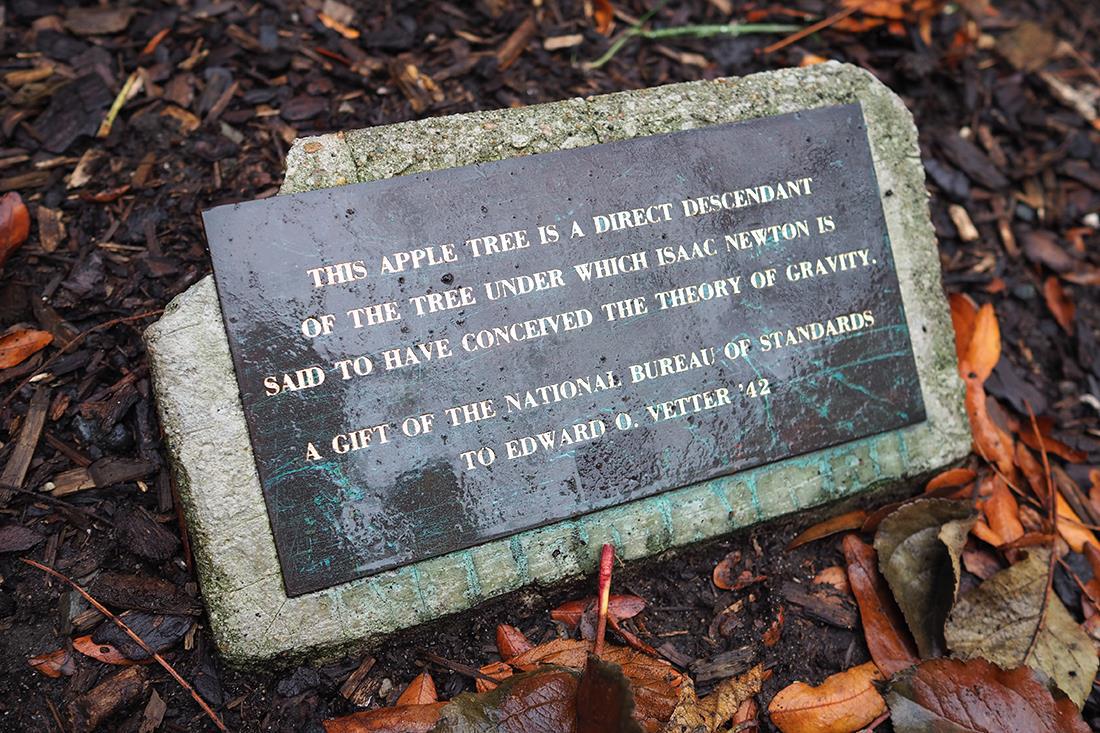
Another offshoot of the famous tree was transported across the Atlantic Ocean to Boston, Massachusetts.
Today, the now fruitful apple tree grows tall at Massachusetts Technical Institute (MIT) to inspire students hoping to formulate their own life-changing theories.
The Tree Is an Important Symbol of Inspiration
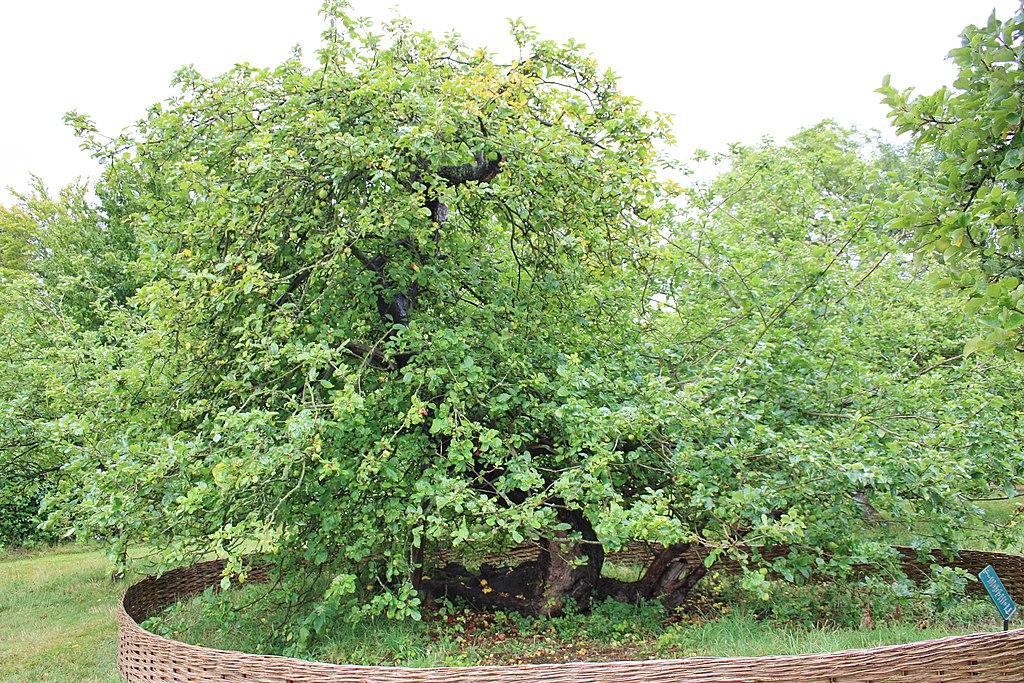
The truth is that the original apple tree, as well as its descendants, do not offer any kind of magic. They are simply trees.
However, they stand as a testament to inspiration and imagination and the sheer magnitude of what the human mind can do.
Sir Isaac Newton’s Theory Has Since Been Superseded
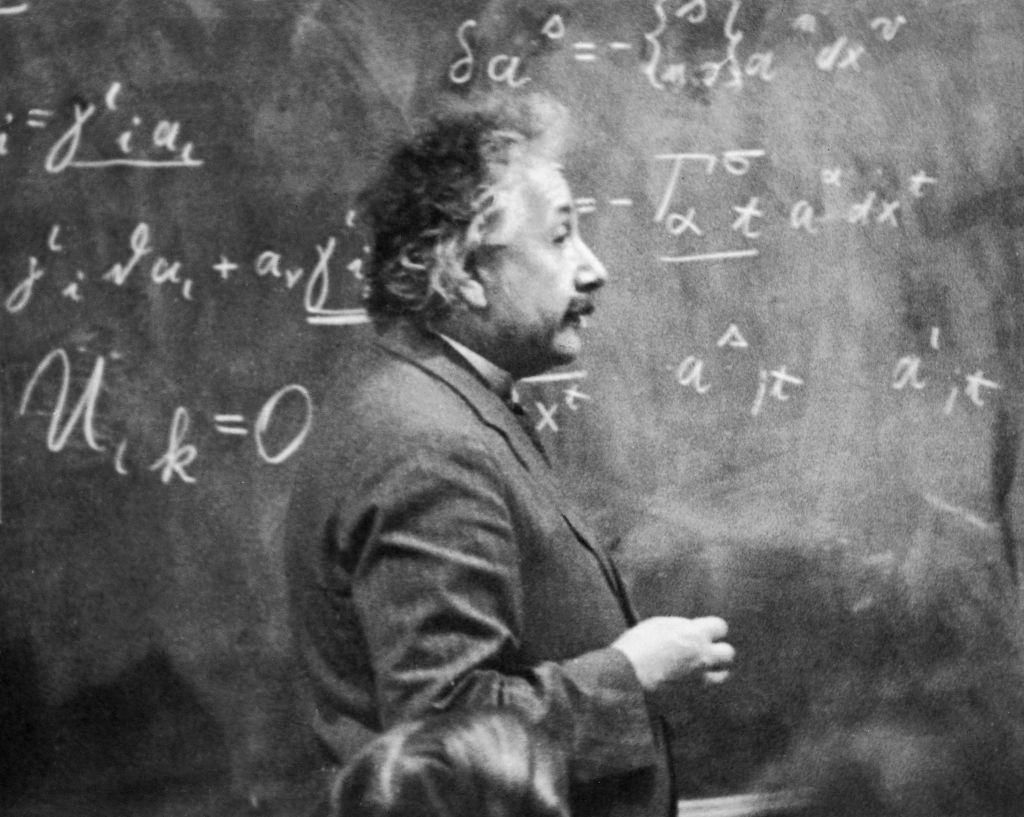
Hundreds of years after the apple fell next to Sir Isaac Newton, thus beginning his journey toward understanding gravity, his theory was superseded by another genius, Albert Einstein.
Einstein’s theory of general relativity did not entirely disprove Newton’s equation but did offer a more accurate theory for gravity, especially in cases of extremely dense or large objects, or those that are wildly close together.
Isaac Newton and His Apple Tree Will Live on Forever
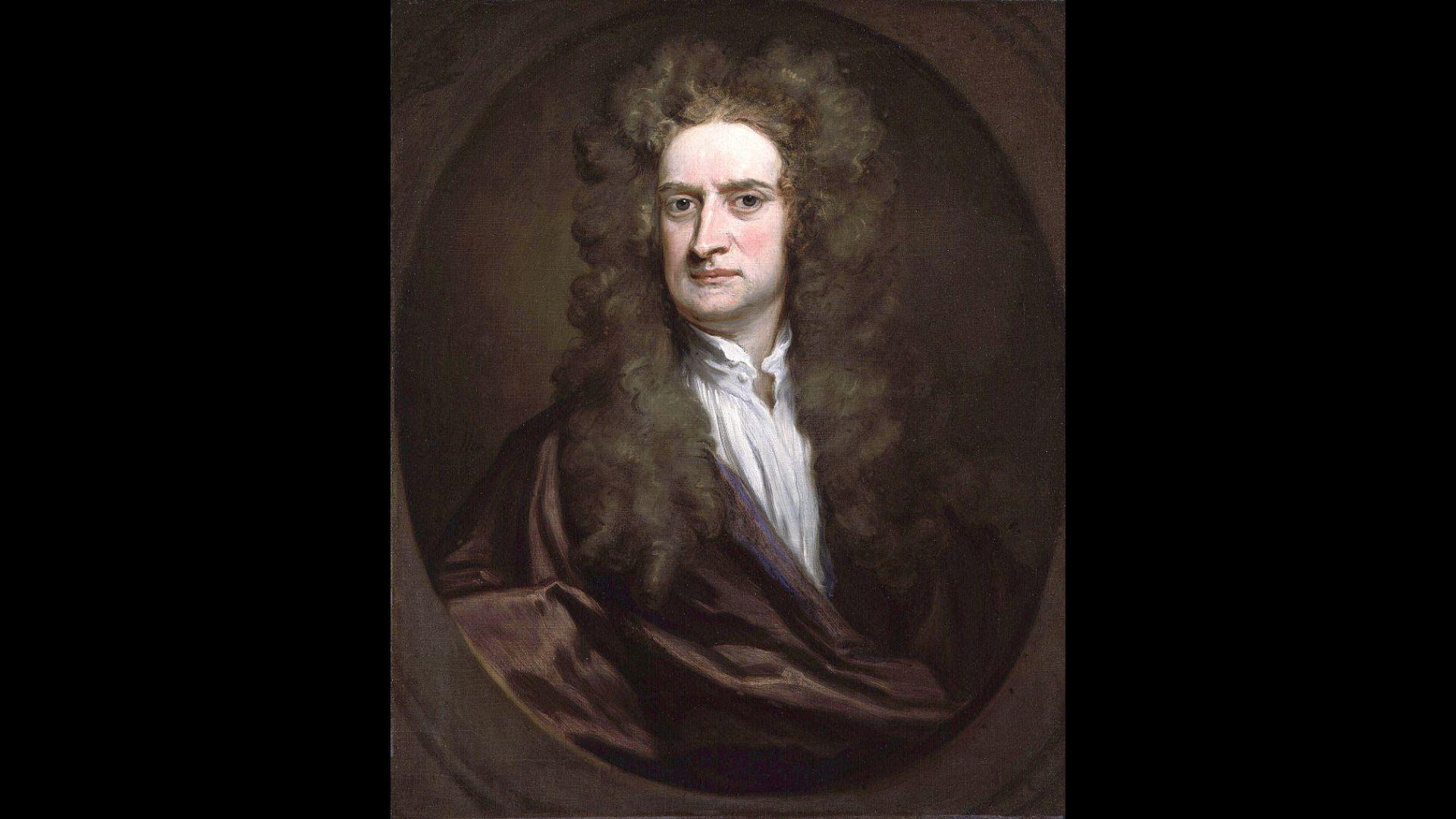
Even if something were to happen to Isaac Newton’s famous apple tree in Woolsthorpe, thanks to the several other trees sprouted from its offshoots, as well as the story itself, it will live on forever.
As will Newton himself who changed the world in numerous ways, including encouraging academics and really everyone that the mind can do amazing things.