Discovering History: How One Woman Discovered Spanish Shipwrecks Off Texas Shores
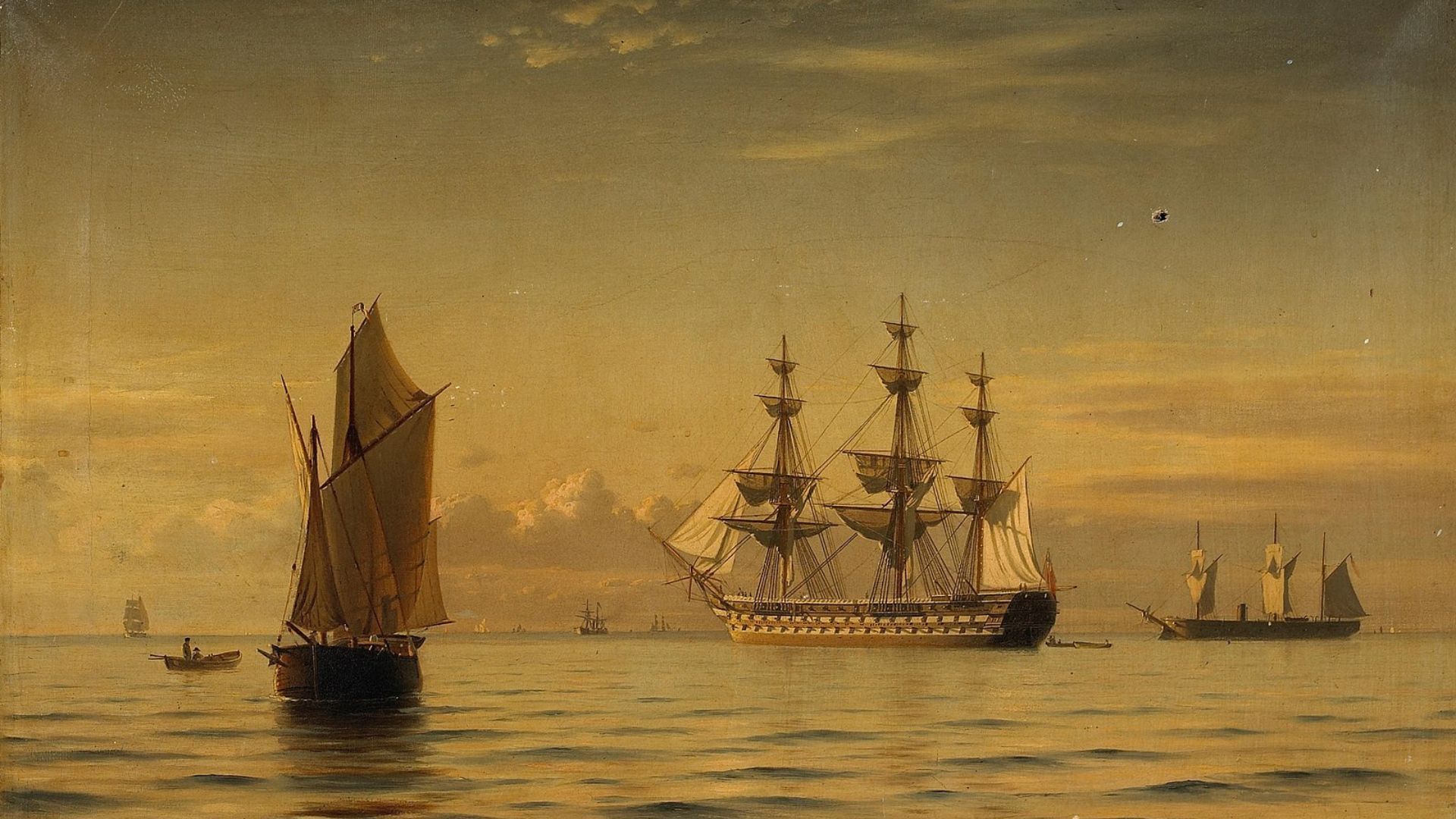
In the tumultuous waters of April 1554, a fierce storm separated four vessels of the Spanish Plate Fleet on their journey from San Juan de Ulúa, Mexico, to Spain.
Only the San Andres managed to reach Havana, Cuba, albeit heavily damaged. The remaining ships—San Esteban, Espíritu Santo, and Santa María de Yciar—met their tragic fate as they ran aground and sank off Padre Island, Texas. Nearly 300 souls succumbed to the disaster.
The Oldest Shipwrecks Excavated in the United States
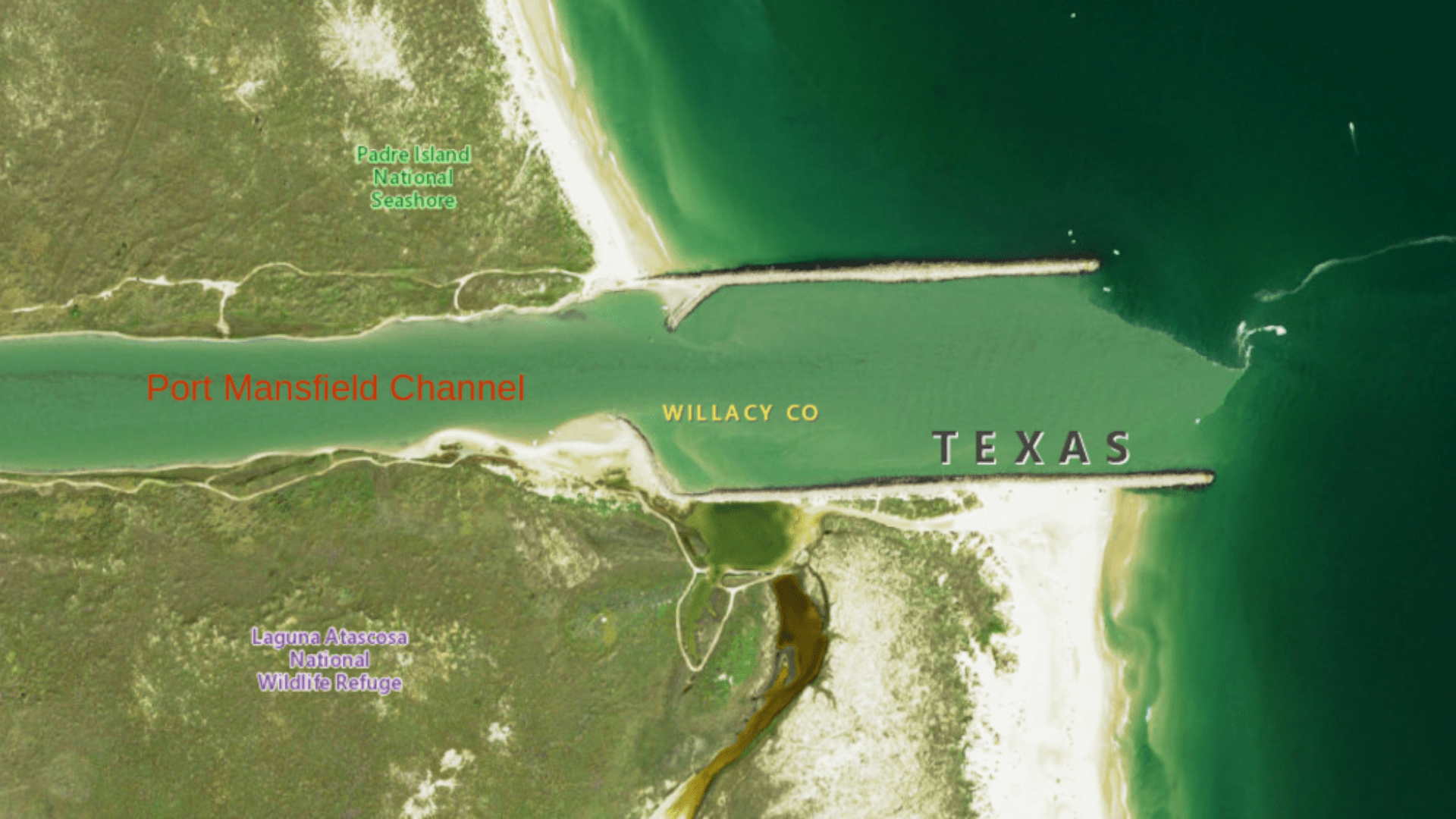
While two of the shipwrecks were unearthed during the 1960s, the third vessel remains undiscovered, presumed lost due to the dredging and creation of Mansfield Cut.
These shipwrecks, the oldest excavated in the U.S., not only mark a significant historical event but also triggered the enactment of the Antiquities Code of Texas (ACT) and the establishment of the Texas Antiquities Committee (TAC), a precursor to the Texas Historical Commission (THC), in 1969. The excavation of San Esteban in 1967 and the ensuing legal battle became a pivotal moment, setting the stage for underwater archaeology and resource management in the United States.
Vida Lee Connor has been Overshadowed
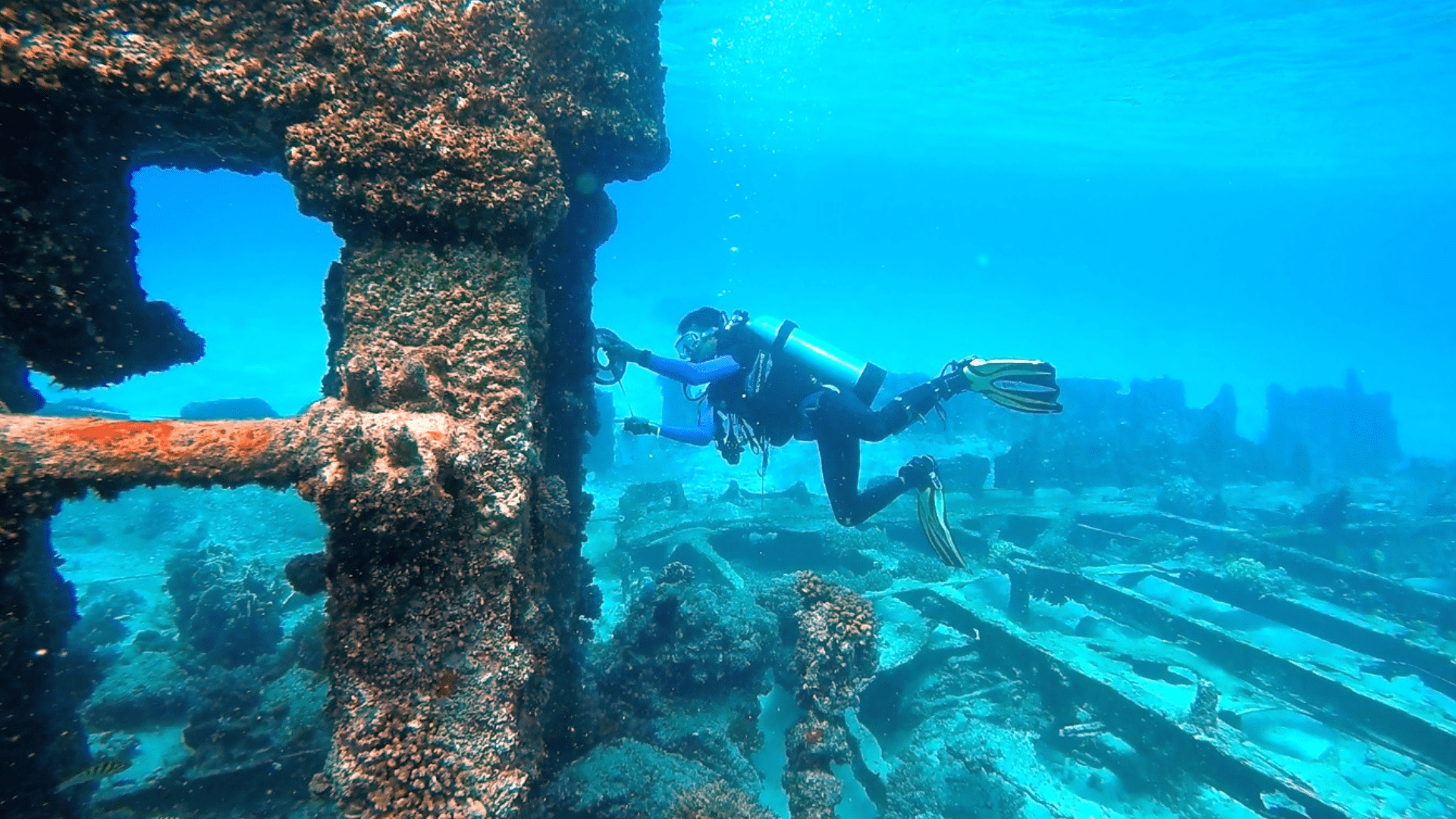
Yet, amidst the historical significance of these shipwrecks, the story of the woman behind their discovery, Vida Lee Connor, has been overshadowed.
This oversight neglects the remarkable contribution of a Texan icon whose exploratory endeavors reshaped underwater archaeology in the 1960s.
The Quintessential Texan Woman
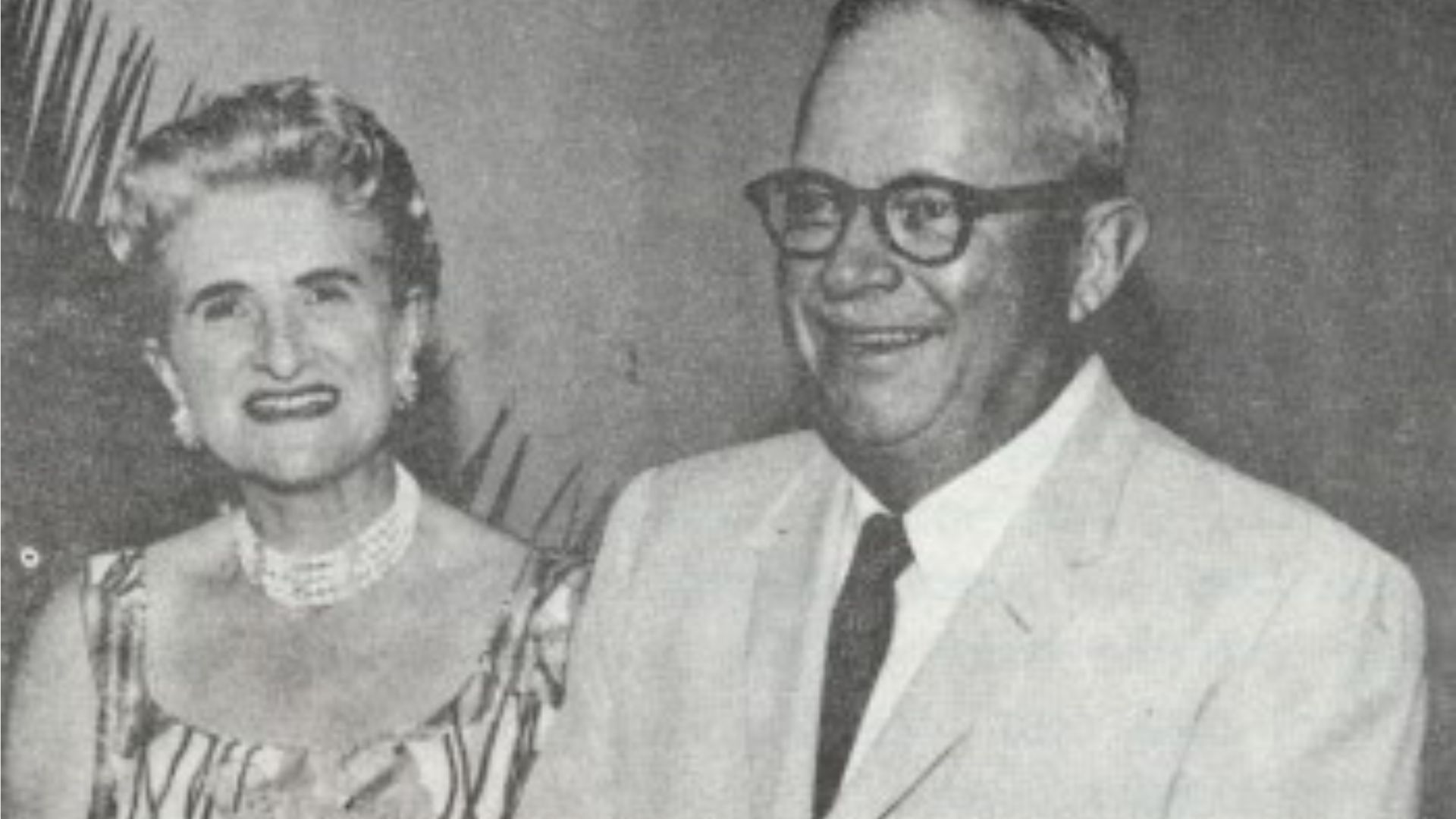
Vida Lee Connor, a quintessential Texas woman, distinguished herself as a dynamic yachtsman, trophy fisherman, and spirited adventurer.
Born on August 31, 1913, in Sweetwater, Texas, to William B. Hartgraves and Mary Ella Pelton, she embarked on a life filled with passion and audacity. Married to Dr. Edwin Connor, owner of Parkview General Hospital in Corpus Christi, her pursuits expanded through access to the hospital's yacht, Vida Lee III, and a private plane. Connor's exploits included the discovery of 19th-century steamboat Mary Summers and an aircraft wreck in the Gulf of Mexico, showcasing her indomitable spirit.
Connor Discovered a Series of Reefs Near Port Mansfield
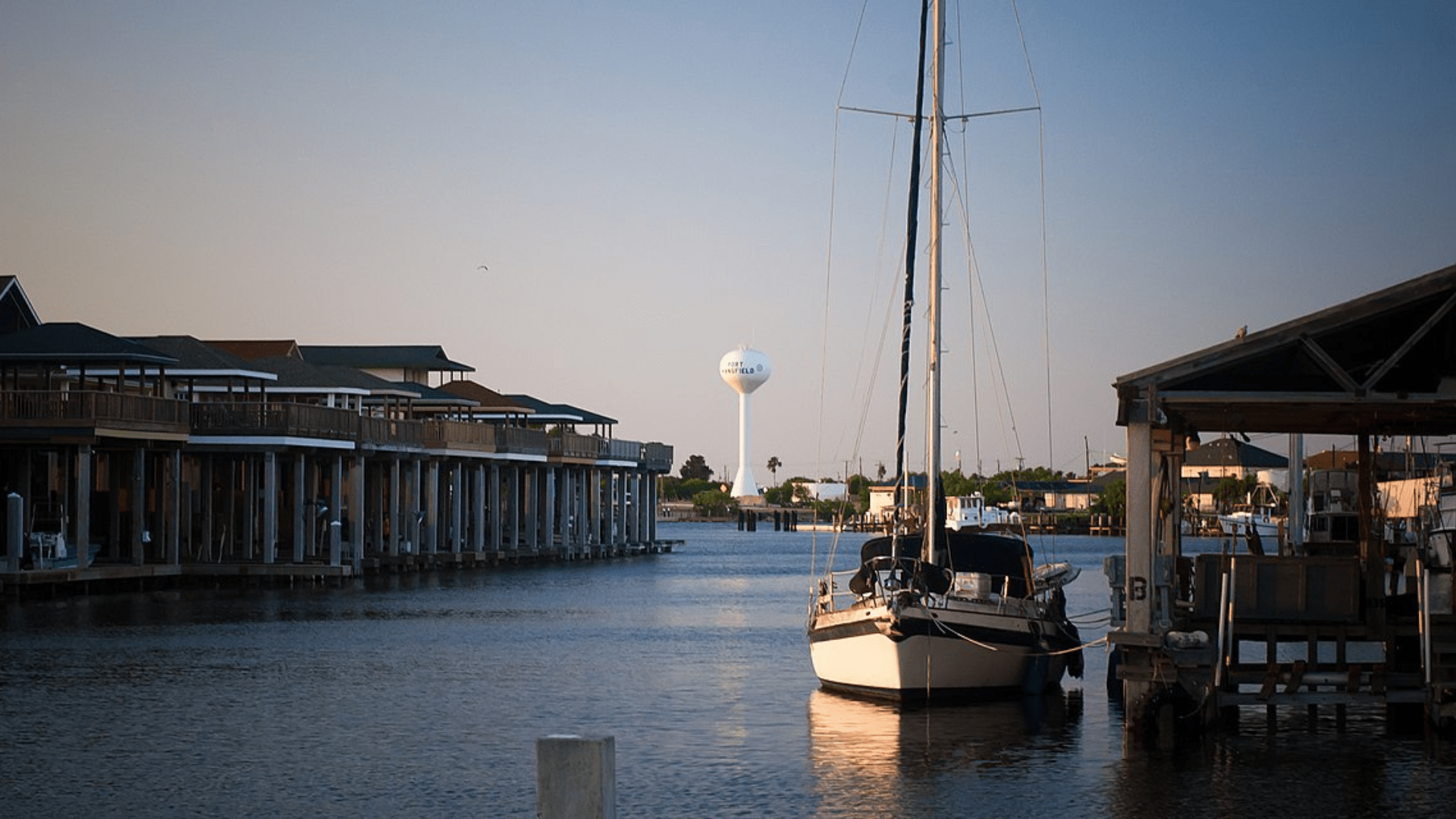
In 1962, Connor unveiled an expansive series of reefs near Port Mansfield, a discovery that enlisted the expertise of oceanographers Dr. Harold Geis and Dr. Wendell Pierce.
These collaborations foreshadowed her groundbreaking work on 16th-century shipwrecks, marking her as a true Texan among Texans.
Artifacts from the 1554 Spanish Plate Fleet
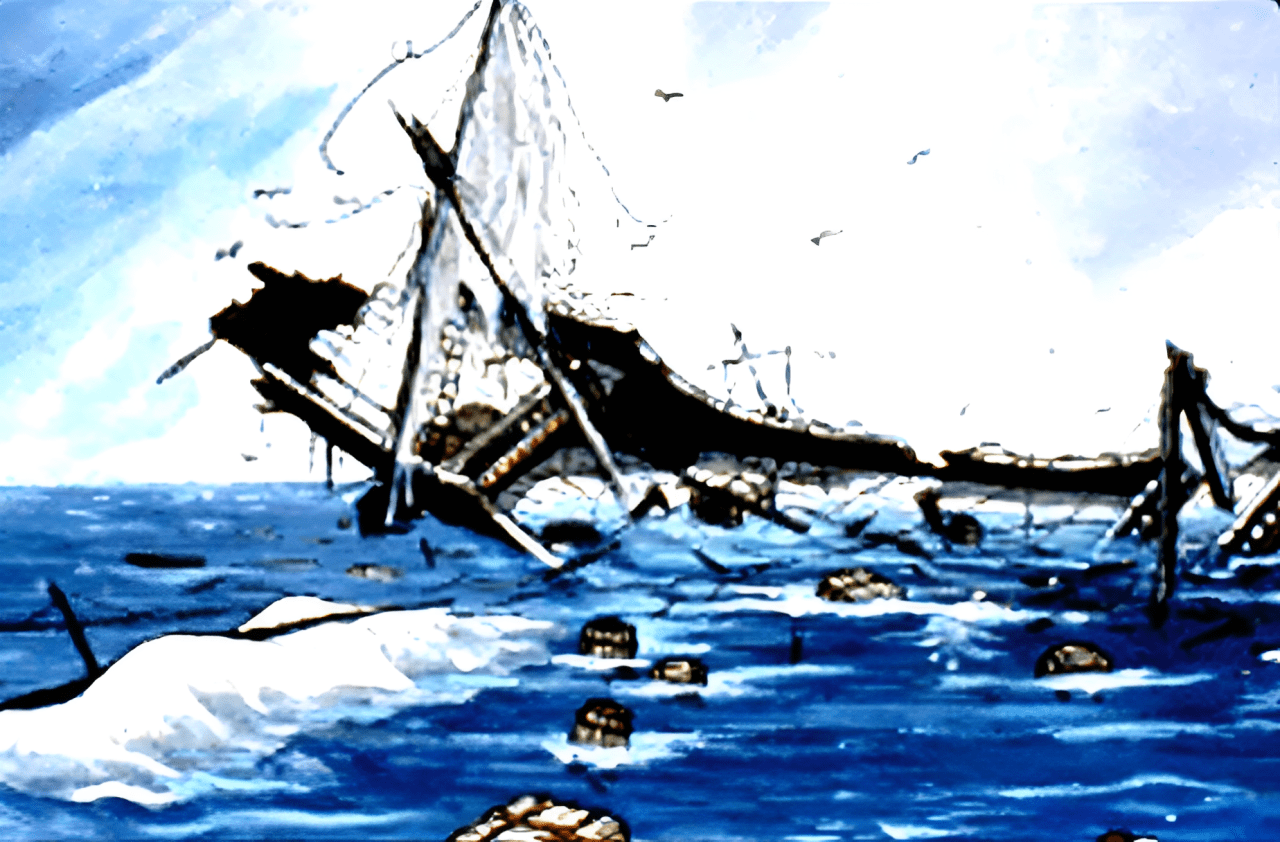
The serendipity of Connor's involvement in maritime exploration emerged during an aerial survey in 1964, originally aimed at locating coral reefs.
Exceptional marine visibility revealed 16 shapes underwater, which she believed to be distinct shipwrecks. The subsequent dive investigation identified polished stones, the ship's ballast, and other artifacts associated with the anchor. Unbeknownst to her, these artifacts belonged to the 1554 Spanish Plate Fleet.
Connor was Remarkably Open about Her Discoveries
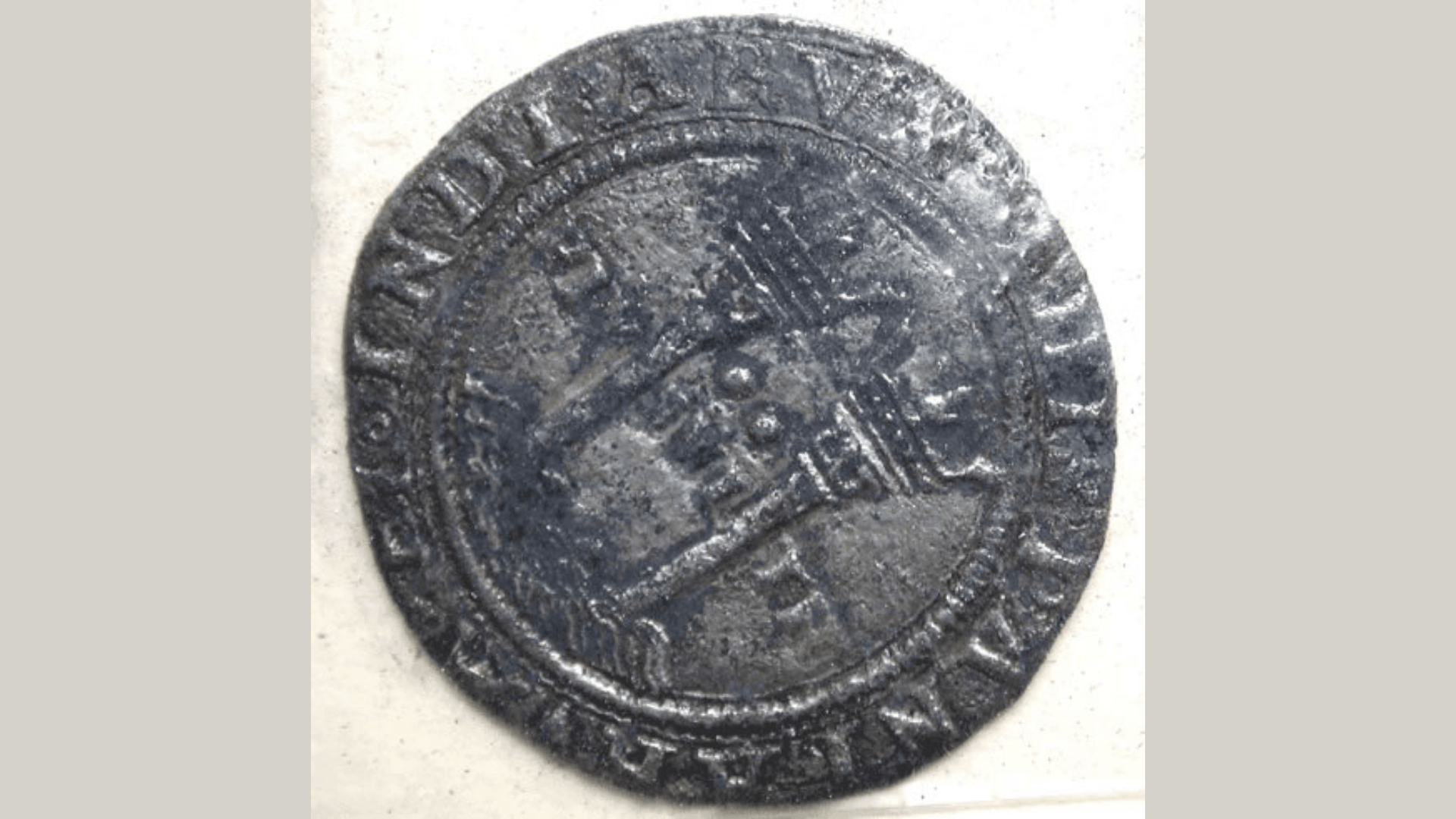
Connor's openness about the discovery, marked by detailed newspaper accounts and buoy-marked wreck positions, set her apart.
Her altruistic approach sought validation from fellow divers, contrasting with the secrecy often associated with valuable finds. Her candidness, however, may have contributed to the later salvage of the shipwrecks by other parties.
Interruption in Investigations and a 17-Year Legal Dispute
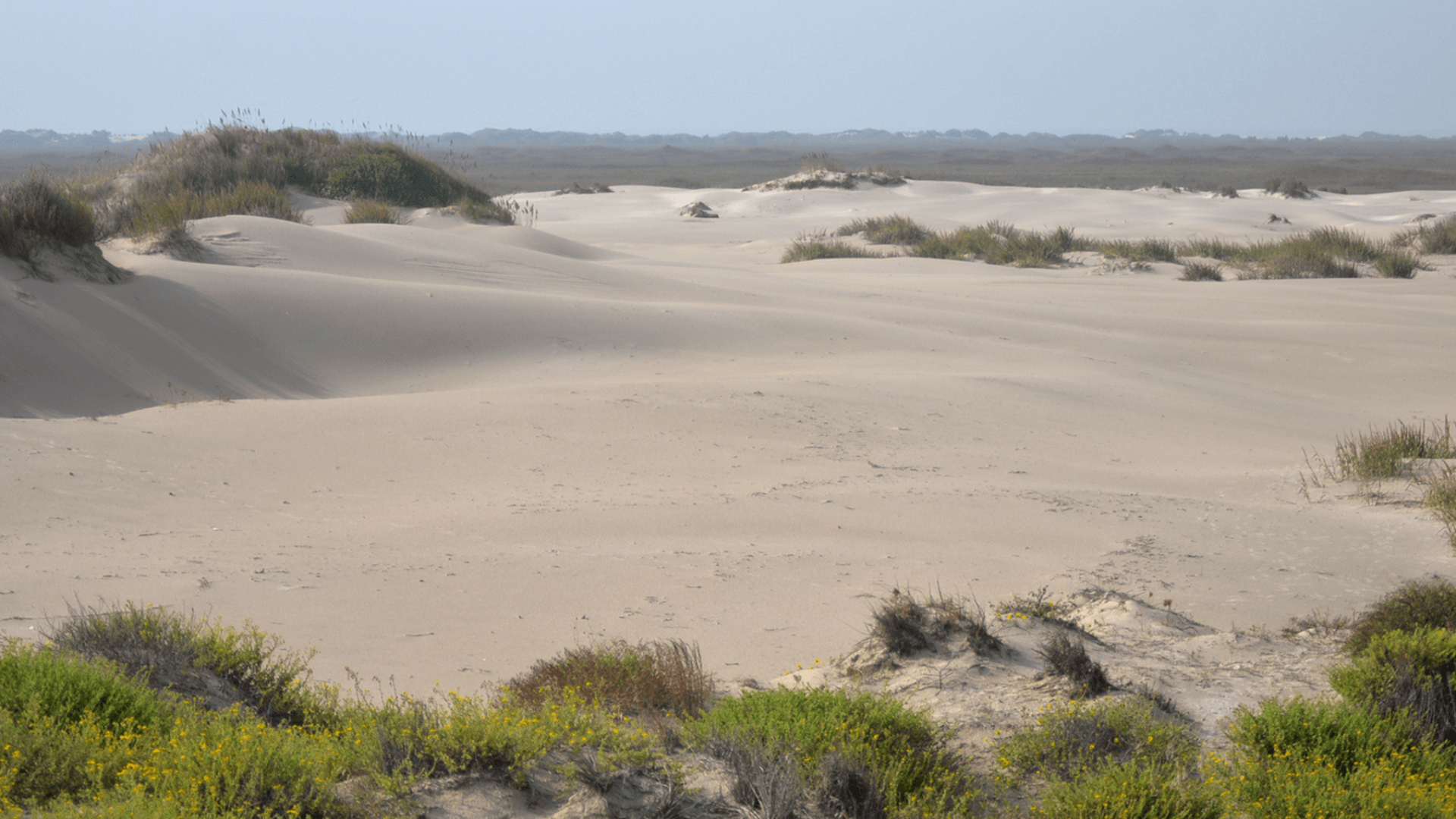
The unexpected sinking of Vida Lee III during an August 1965 site investigation and a severe automobile accident in November 1966, which resulted in serious injuries, disrupted Connor's ability to fully examine the shipwrecks.
Upon her return, she encountered another vessel salvaging artifacts from Espíritu Santo, presumed to be Platoro Ltd., Inc., an Indiana salvage company. This marked the beginning of a 17-year legal dispute over jurisdictional rights in state waters.
Connor’s Involvement with Students of Science
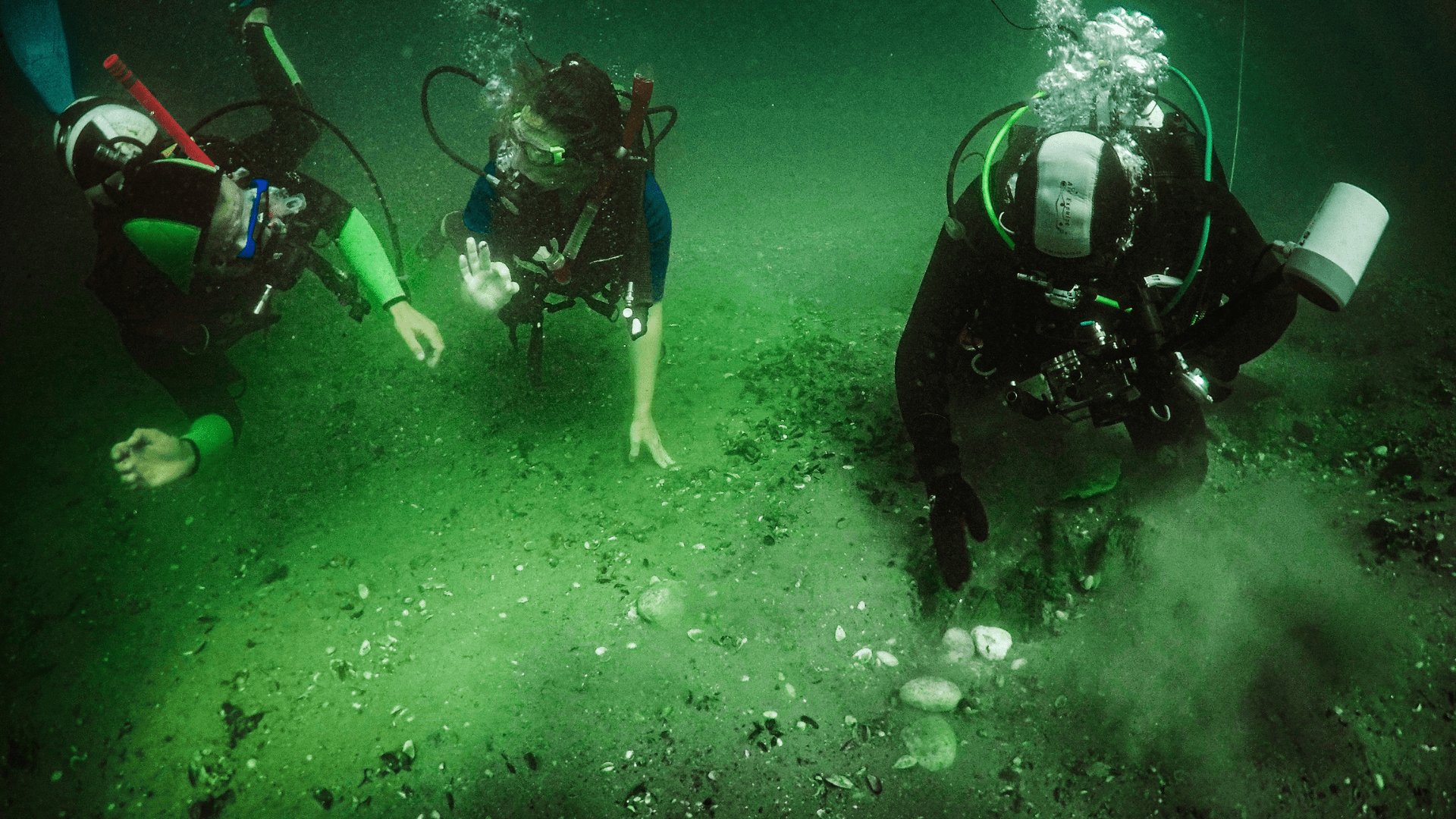
Despite these challenges, Connor's dedication to coastal archaeology and marine science remained undeterred.
Her involvement in scientific ventures, marked by the use of Vida Lee III for dives with marine biology students, showcased her commitment. Connor's passion for historical preservation was evident in her co-sponsorship of student research in Spanish archives in 1965, aligning the Padre Island discovery with the 1553 Spanish expedition.
Connor’s Discoveries Coincided with the Emergence of Underwater Archaeology
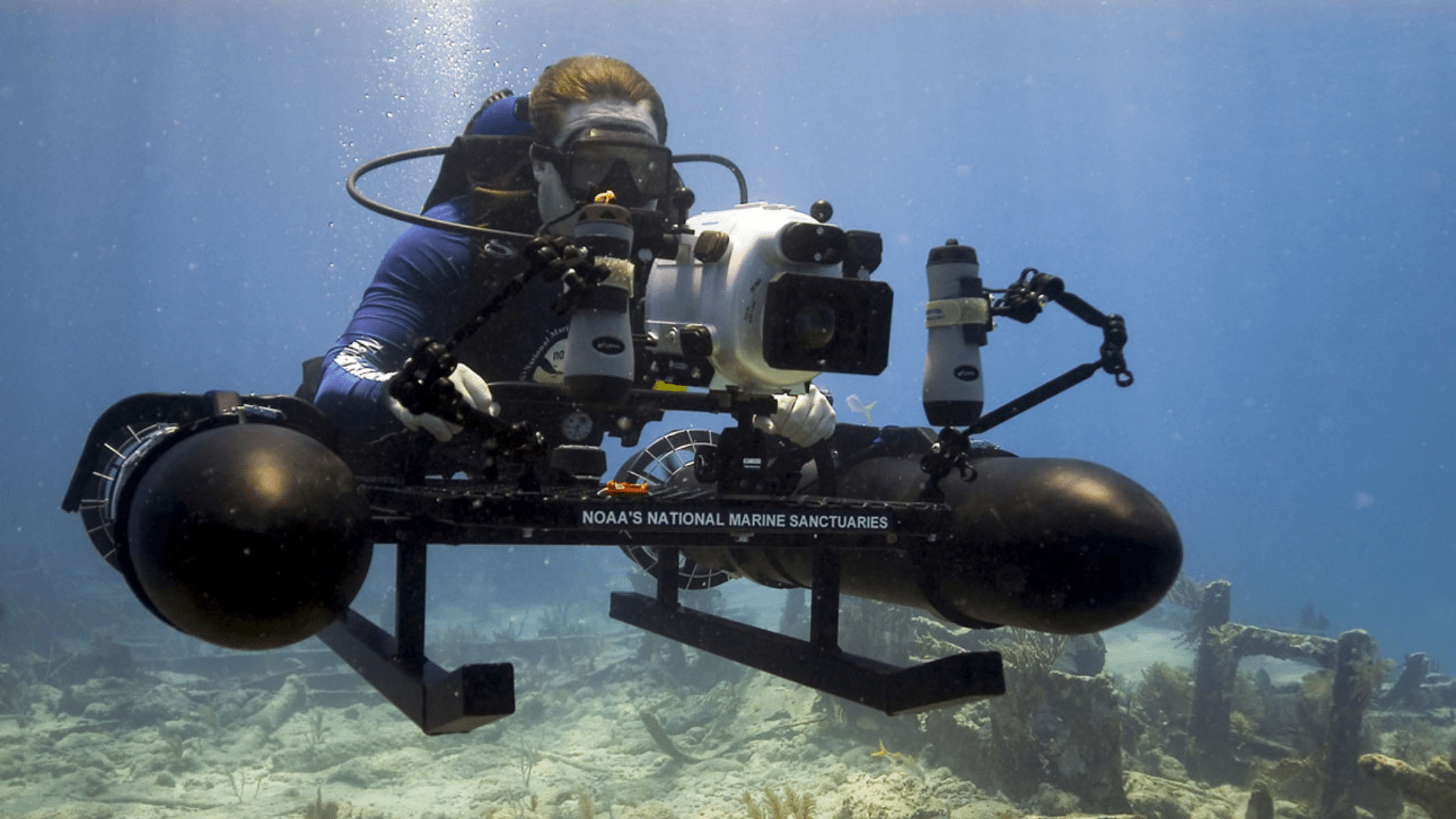
The discovery of these shipwrecks coincided with the evolution of underwater archaeology into a formal science.
In 1969, Connor articulated the transformative nature of the discoveries, stating, "Objects representing a way of life four hundred years ago are the real treasures." Her words resonate as a testament to the emerging academic emphasis on scientific approaches to submerged sites.
The Emergence of Underwater Archaeology
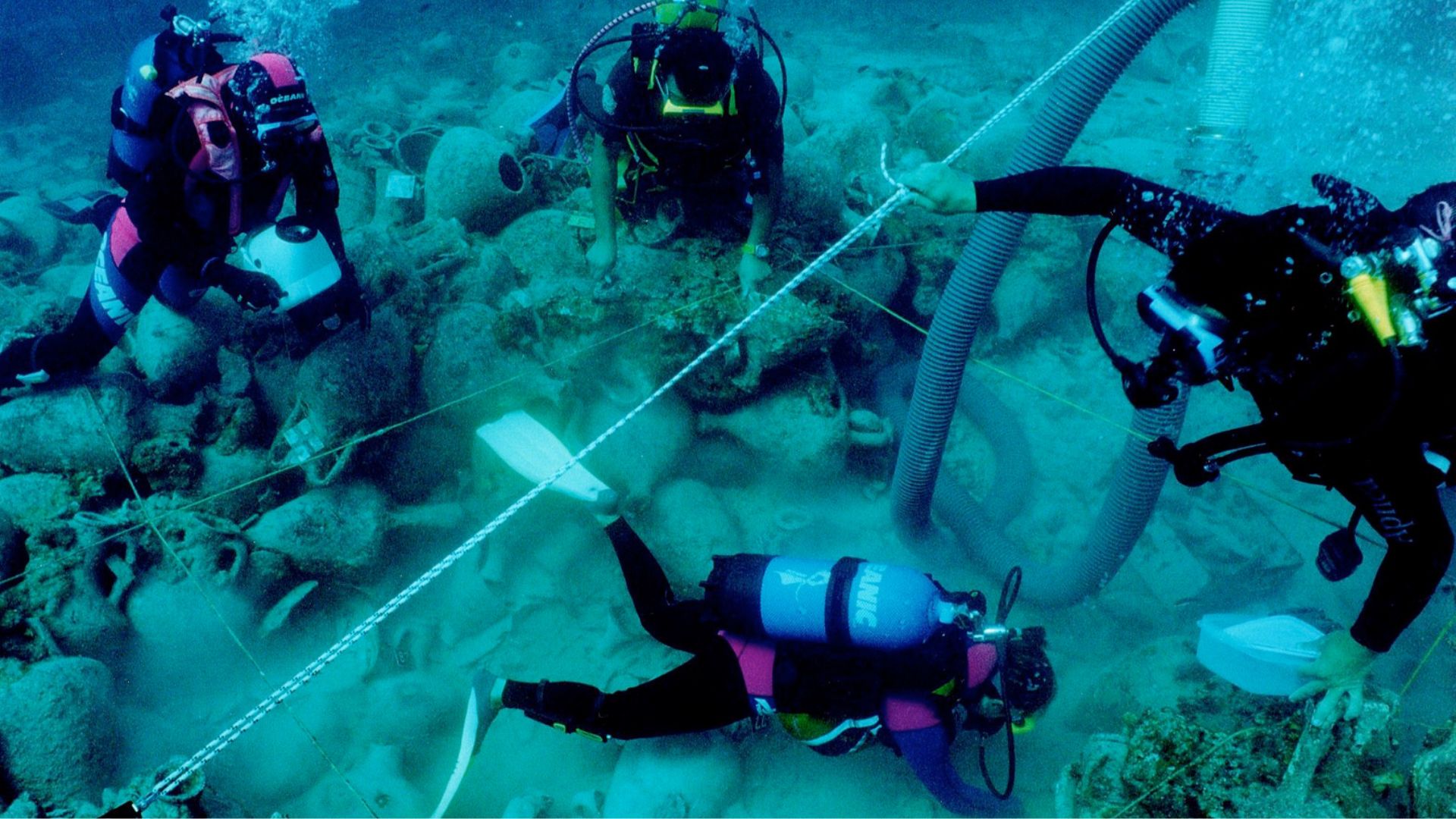
Underwater archaeology unveils hidden treasures beneath water bodies. It extends beyond the exploration of shipwrecks to encompass ancient human remains and submerged settlements, like portions of ancient Alexandria.
This discipline is intricate and has gained momentum with recent technological advancements, making it one of the most dynamic areas in archaeological research today.
The Evolution of Underwater Archaeology
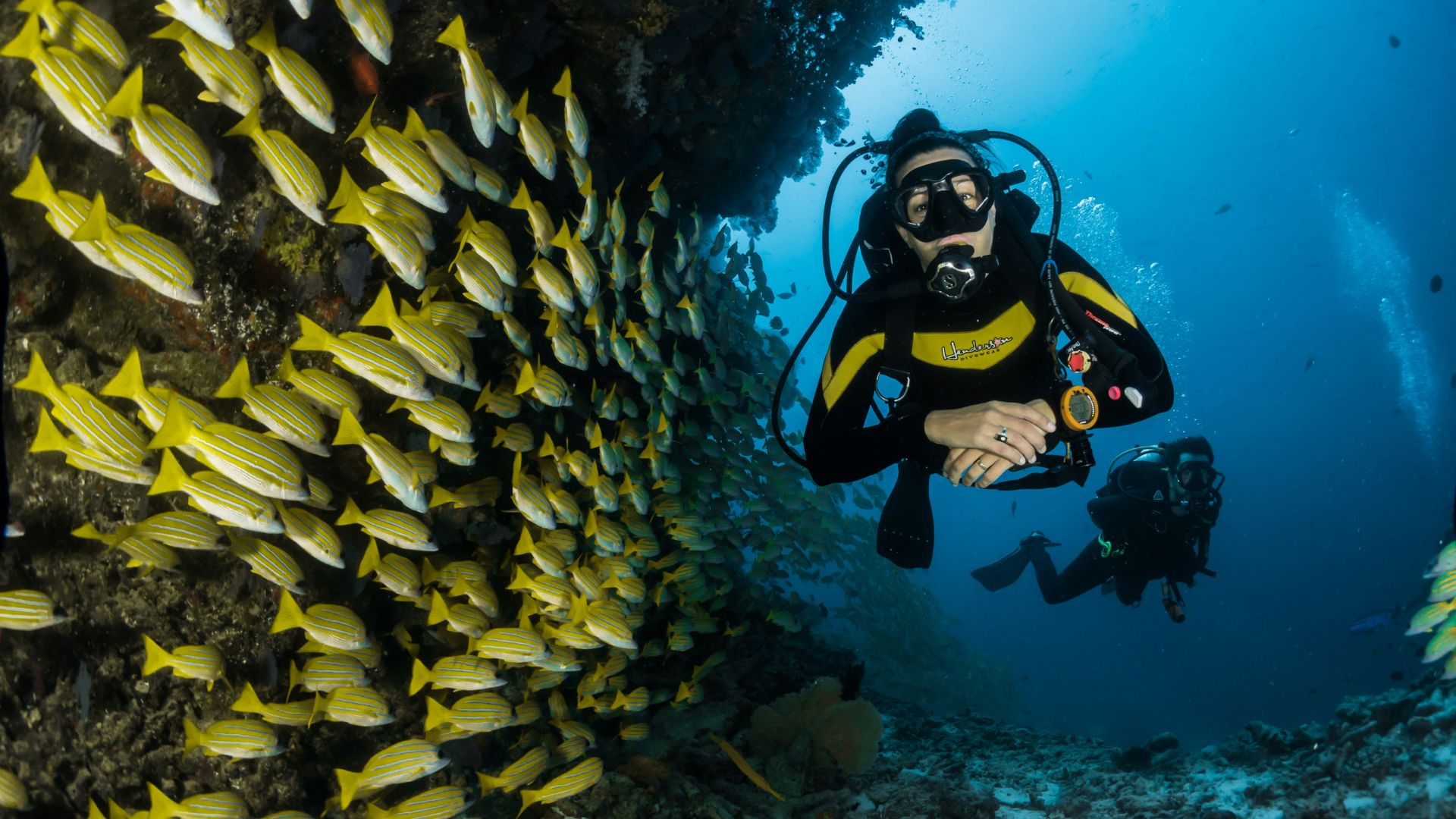
The inception of underwater archaeology is linked with the advent of scuba diving in the mid-20th century, which opened new avenues for research under the sea.
This field has since diversified into various subdisciplines, each examining different aspects of the underwater world and human interaction with water, showcasing the depth and breadth of this intriguing field.
Logistical Challenges in Underwater Excavations
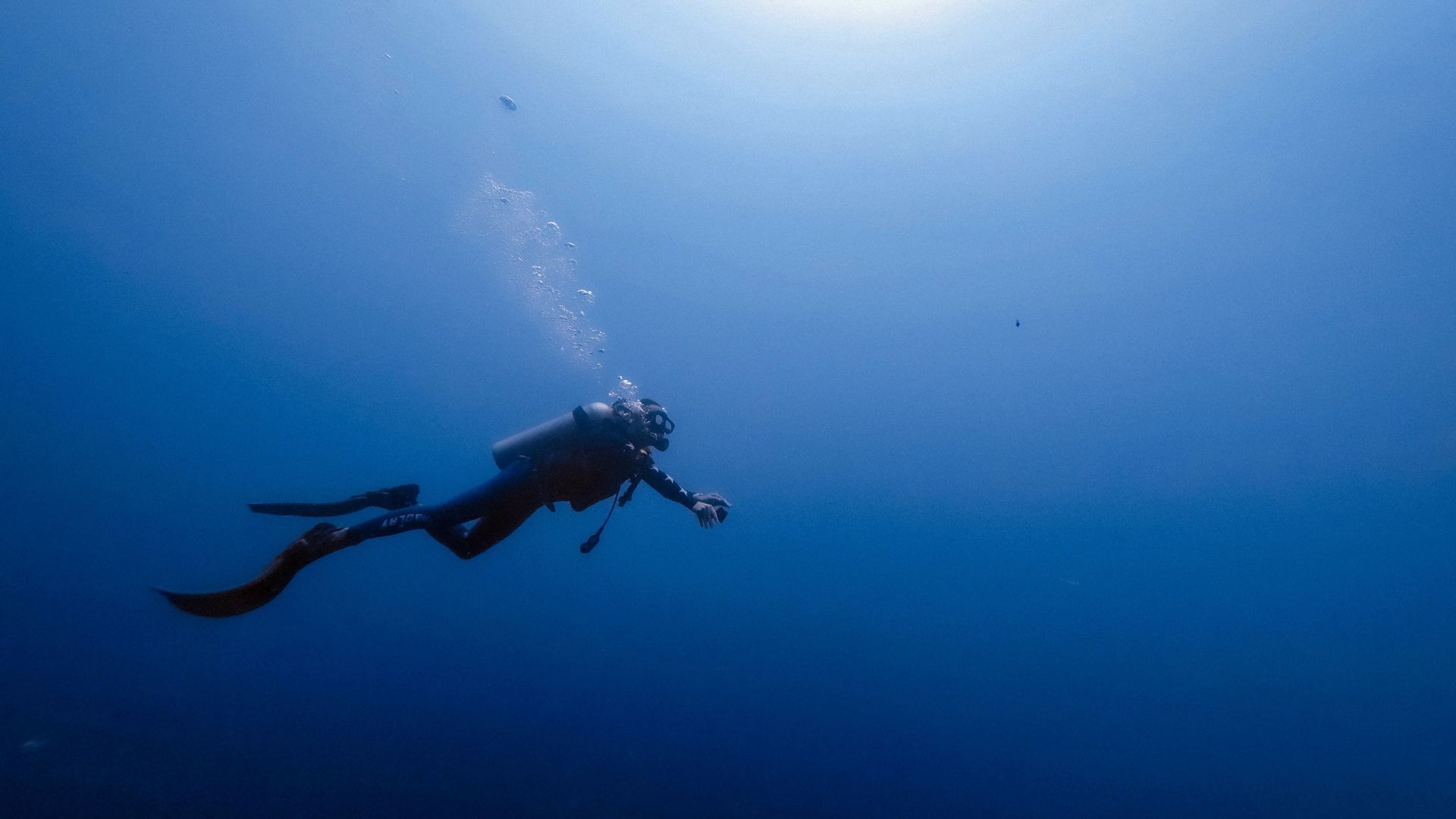
Underwater archaeology faces unique challenges, from logistical issues to the interpretation of findings.
Diving conditions, weather, and water currents can complicate research efforts. Moreover, archaeologists must possess the skills to meticulously document and handle artifacts underwater, showcasing the demanding nature of this field.
Interpretative and Conservation Challenges
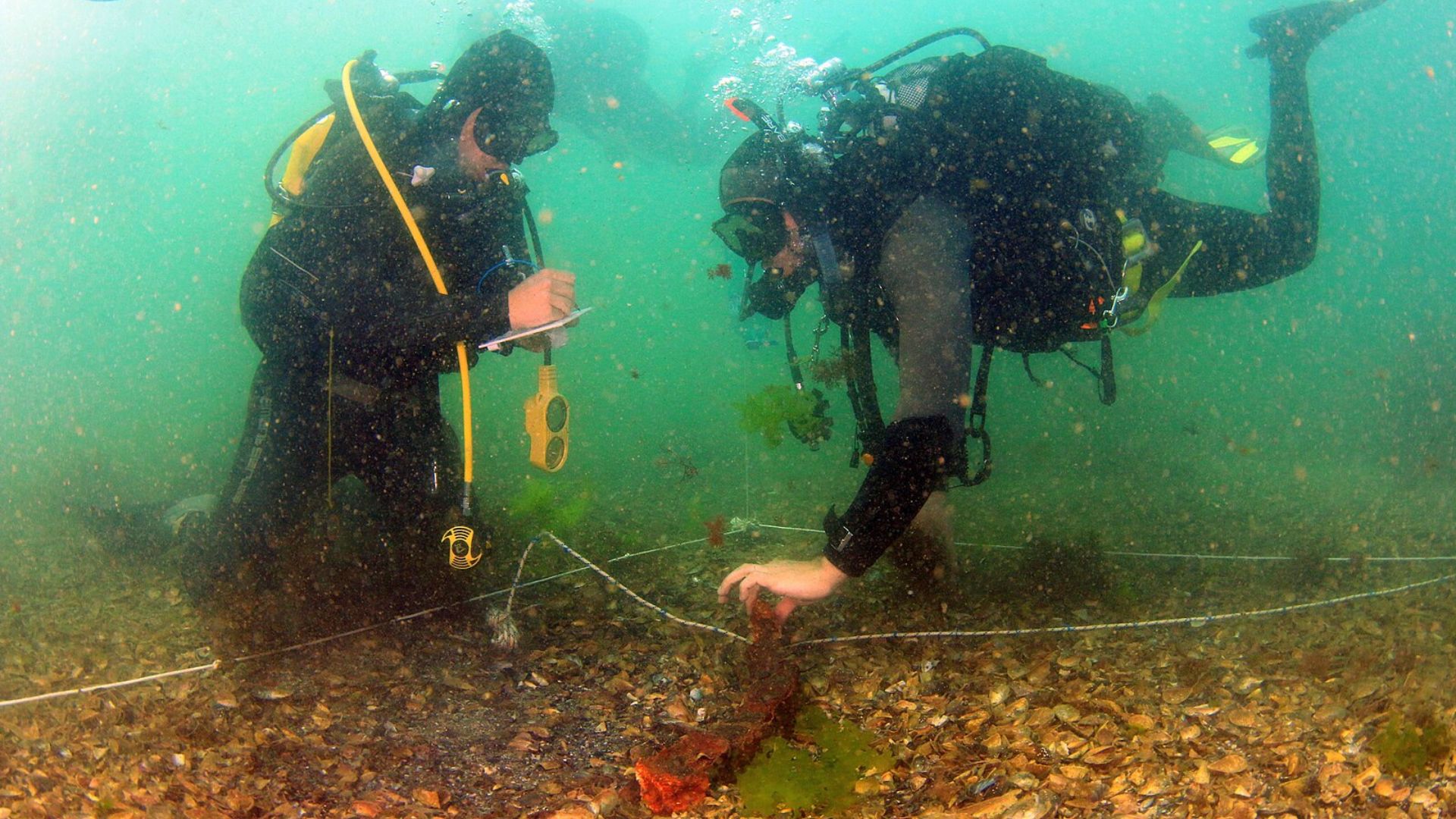
Studying submerged sites is complex due to water's dynamic nature, which can displace and degrade artifacts.
This environment makes both the interpretation and conservation of finds particularly challenging.
Technological Advances in Underwater Archaeology
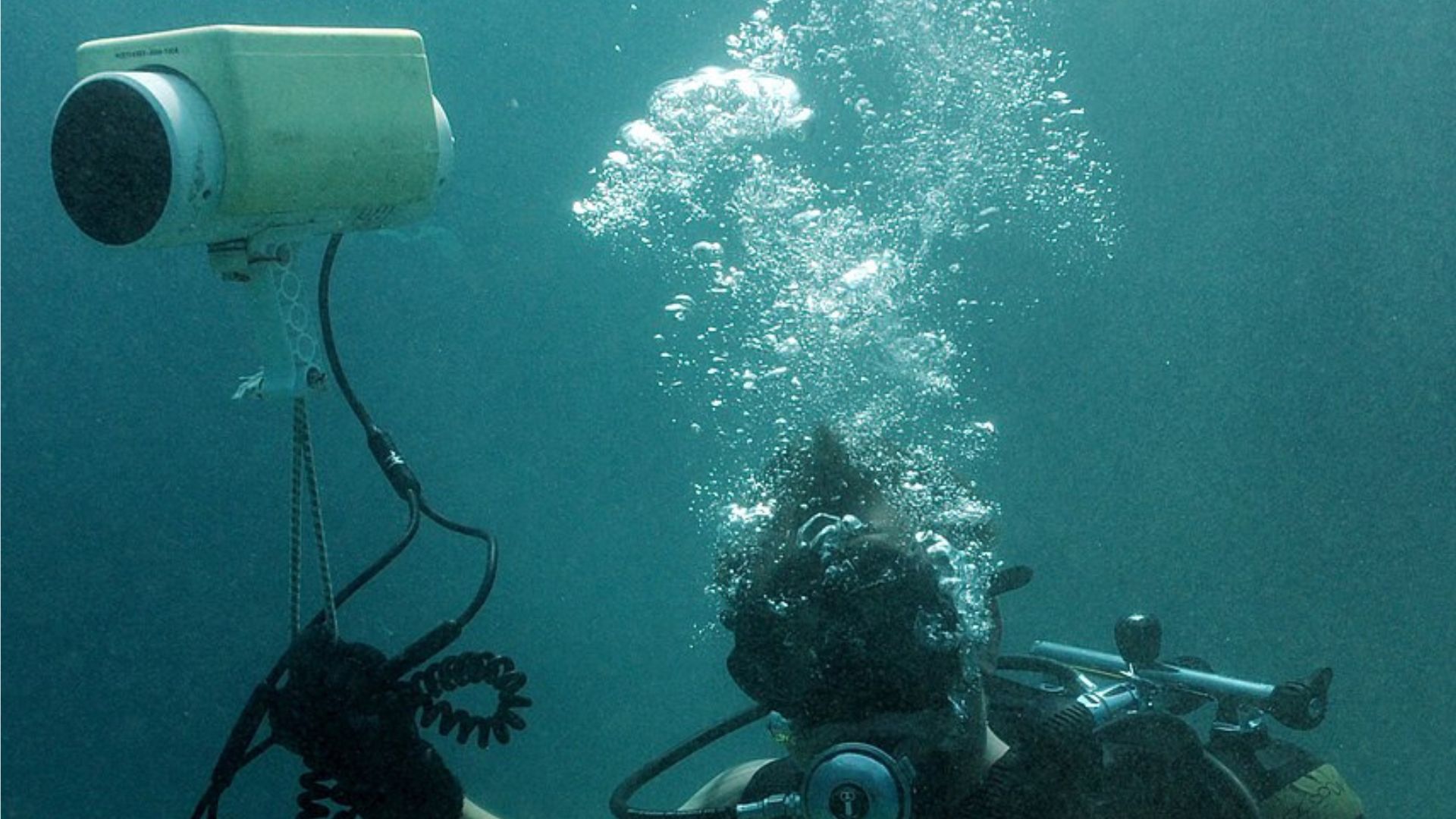
Technological innovations have significantly advanced underwater archaeology. Tools like LiDAR, sonar, and advanced imaging techniques have transformed how researchers locate and study submerged sites.
The use of submersibles and robotic equipment, as seen with the R/V Petrel, has enabled the discovery of significant underwater sites, pushing the boundaries of exploration.
Community Engagement and Collaborative Discoveries
Local communities often play a crucial role in underwater archaeological discoveries. For instance, a local fisher's tip led to the discovery of multiple shipwrecks near Fourni, Greece.
Such collaborations highlight the importance of local knowledge in uncovering hidden underwater treasures, demonstrating the field's reliance on community engagement.
Adherence to International Laws and Ethics
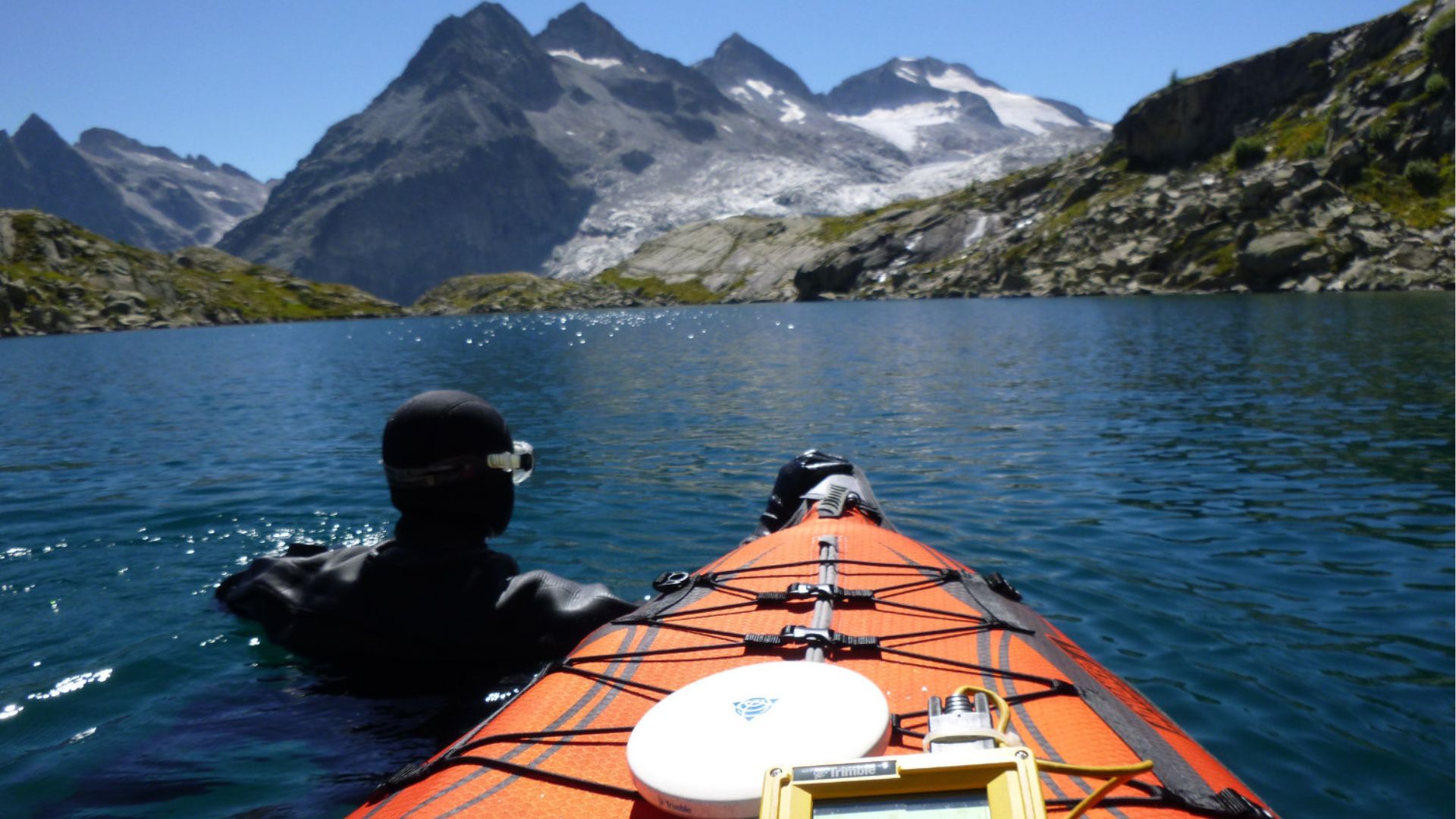
Underwater archaeology is governed by international laws and ethical standards, with UNESCO playing a pivotal role in establishing guidelines for the preservation of underwater cultural heritage.
These laws advocate for the in situ preservation of artifacts, emphasizing the need for ethical research practices and the protection of submerged sites from looting and vandalism.
Public Engagement and Underwater Museums
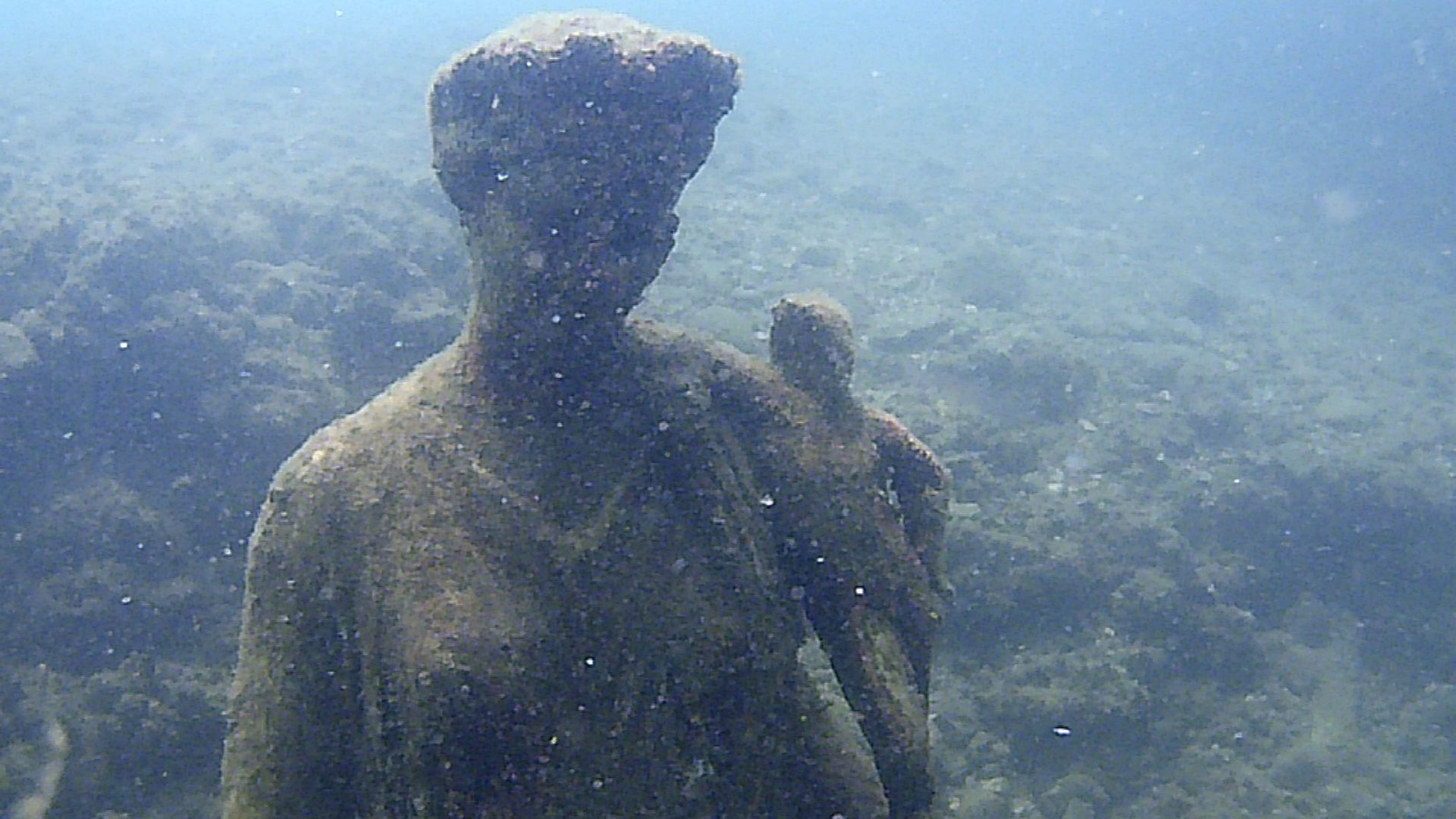
Some underwater archaeological sites, like the Roman seaside resort of Baiae, have been transformed into underwater museums, allowing the public to engage with history in a direct and immersive manner.
These sites offer a unique perspective on the past, making ancient history accessible and engaging for a broad audience.
Future Prospects in Underwater Archaeology
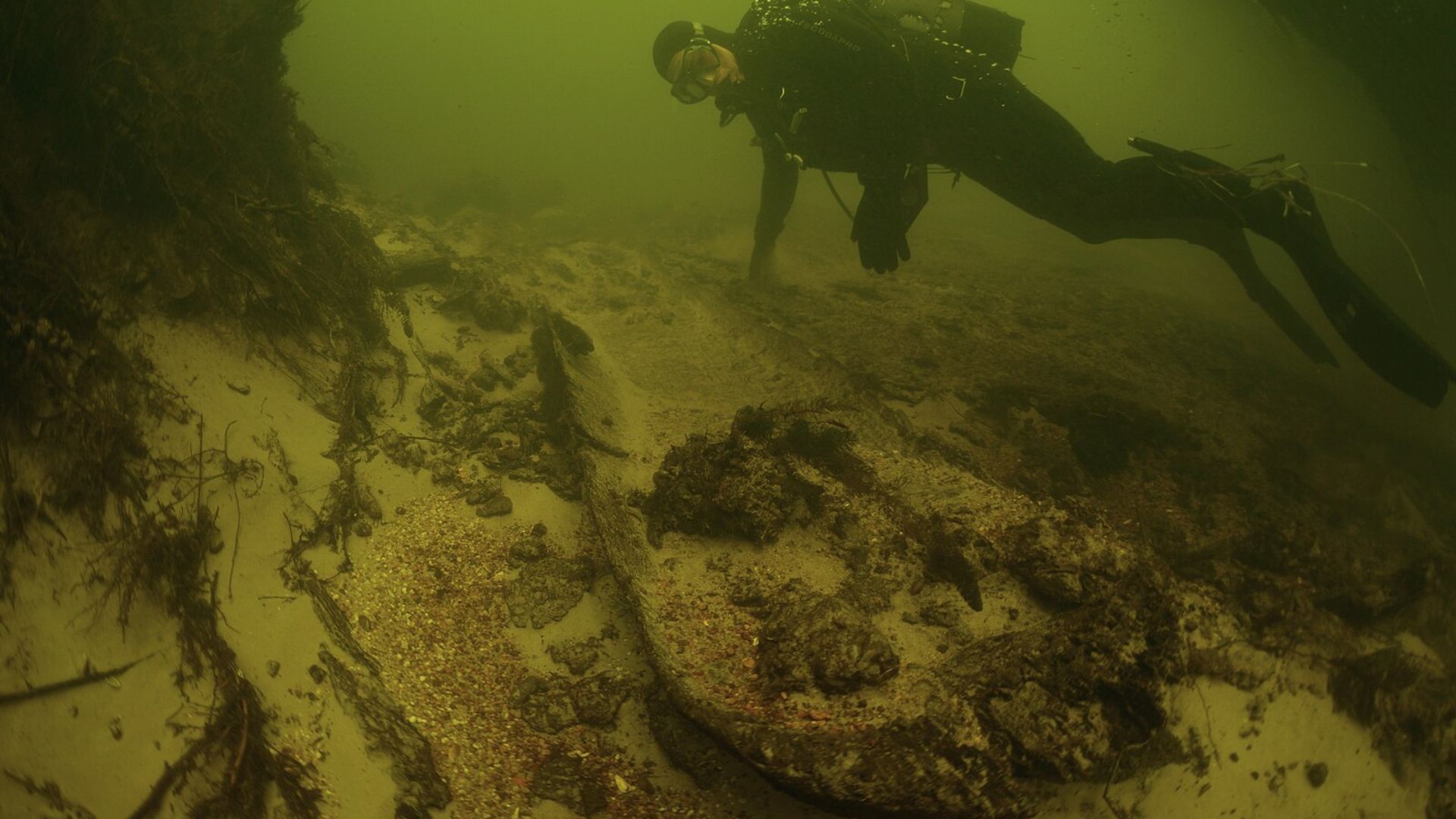
Underwater archaeology continues to evolve, with each discovery contributing to our understanding of human history.
The field promises to uncover more about our past, offering insights into previously inaccessible aspects of human life and civilization, and highlighting the continuous evolution of archaeological research methodologies.
Financial and Resource Challenges
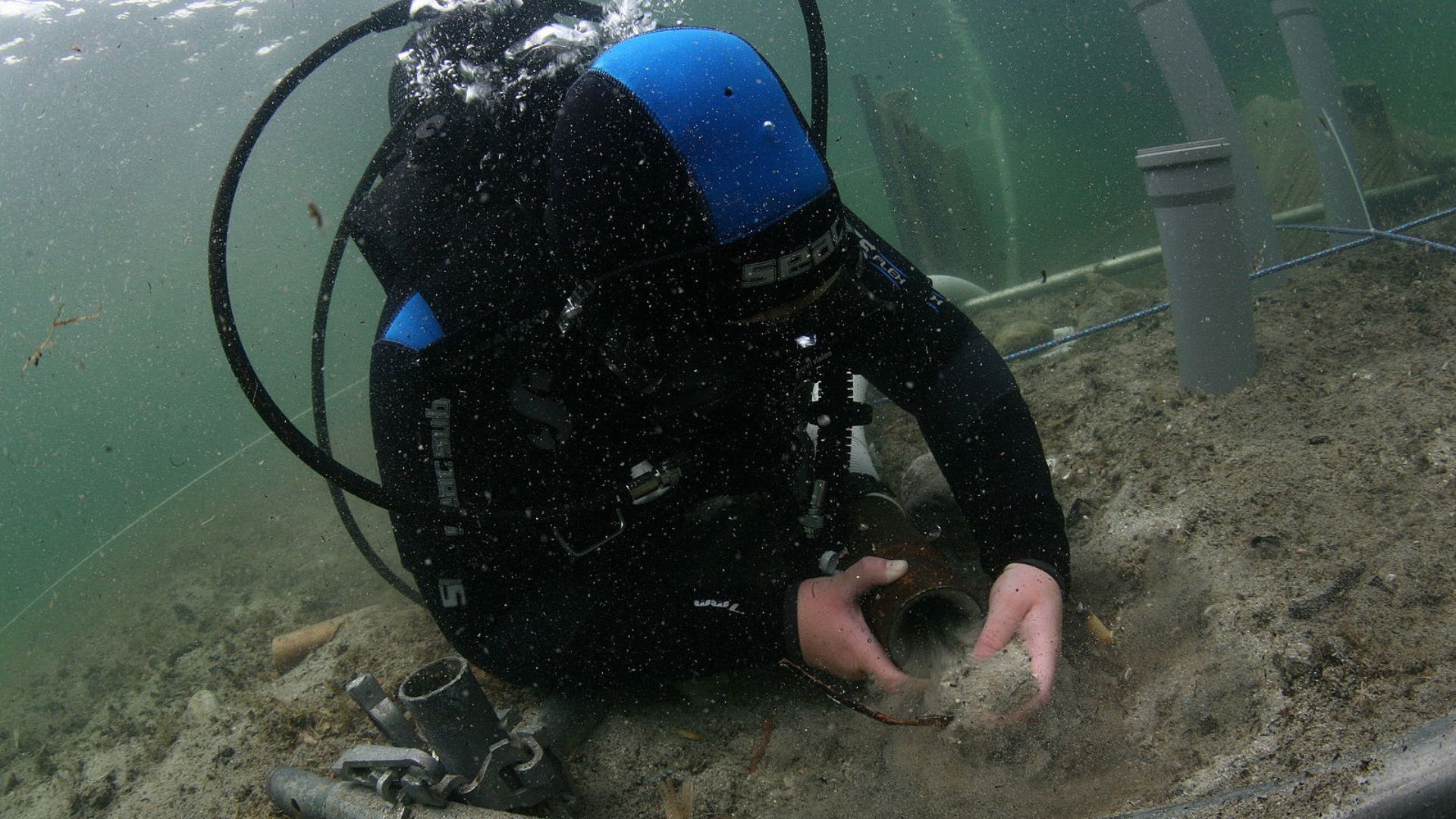
The field of underwater archaeology requires significant financial investment and resources, given the complexities of underwater research.
The cost associated with deploying advanced technology and skilled personnel illustrates the commitment to uncovering and preserving our underwater heritage.
The Art and Science of Conservation
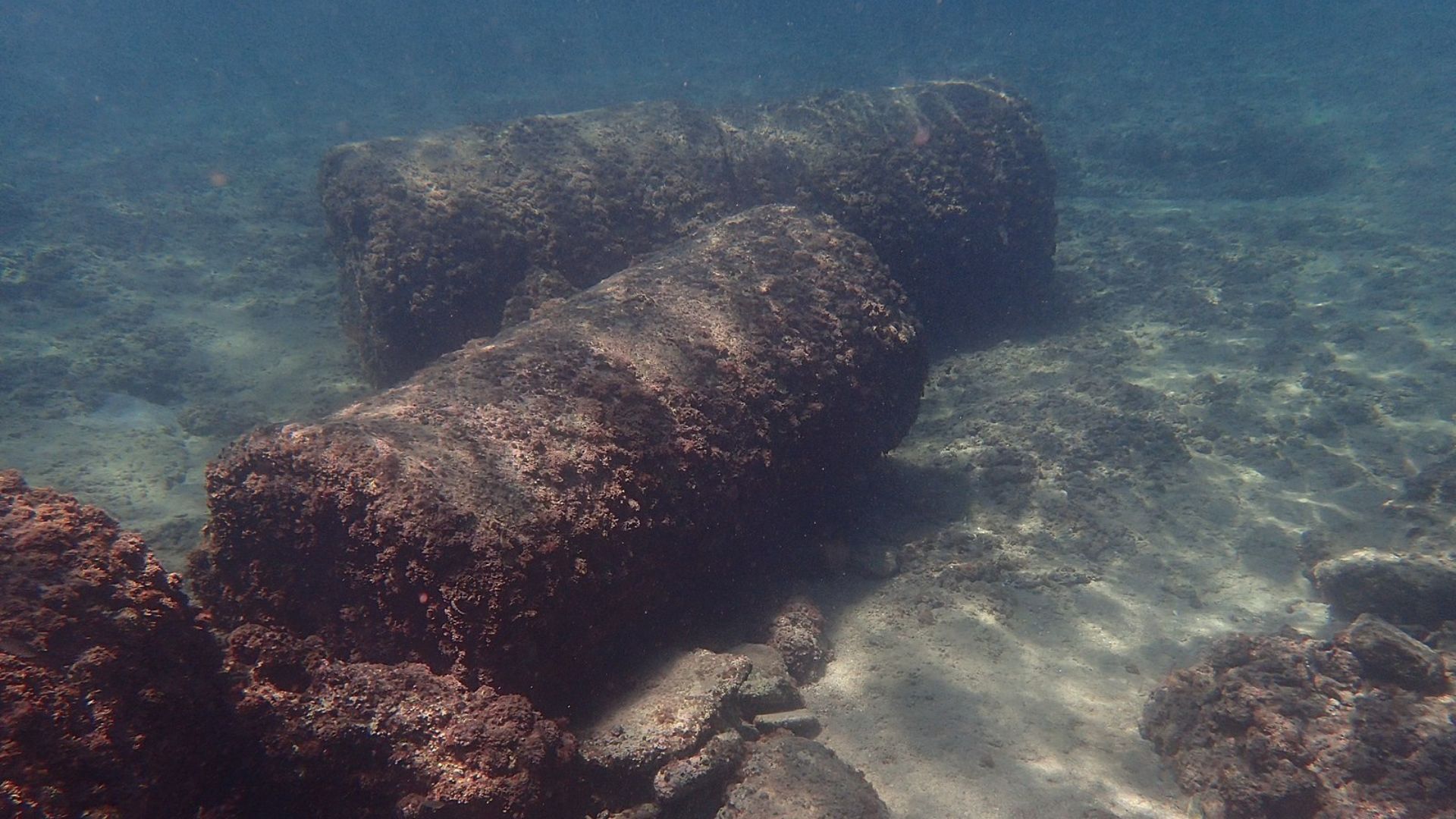
Conservation in underwater archaeology is a meticulous process, vital for the preservation of artifacts that have been submerged for centuries.
The delicate nature of these artifacts requires specialized techniques and careful handling to ensure that they are preserved for future study and appreciation, emphasizing the field's dedication to heritage preservation.
Participatory Opportunities in Underwater Archaeology
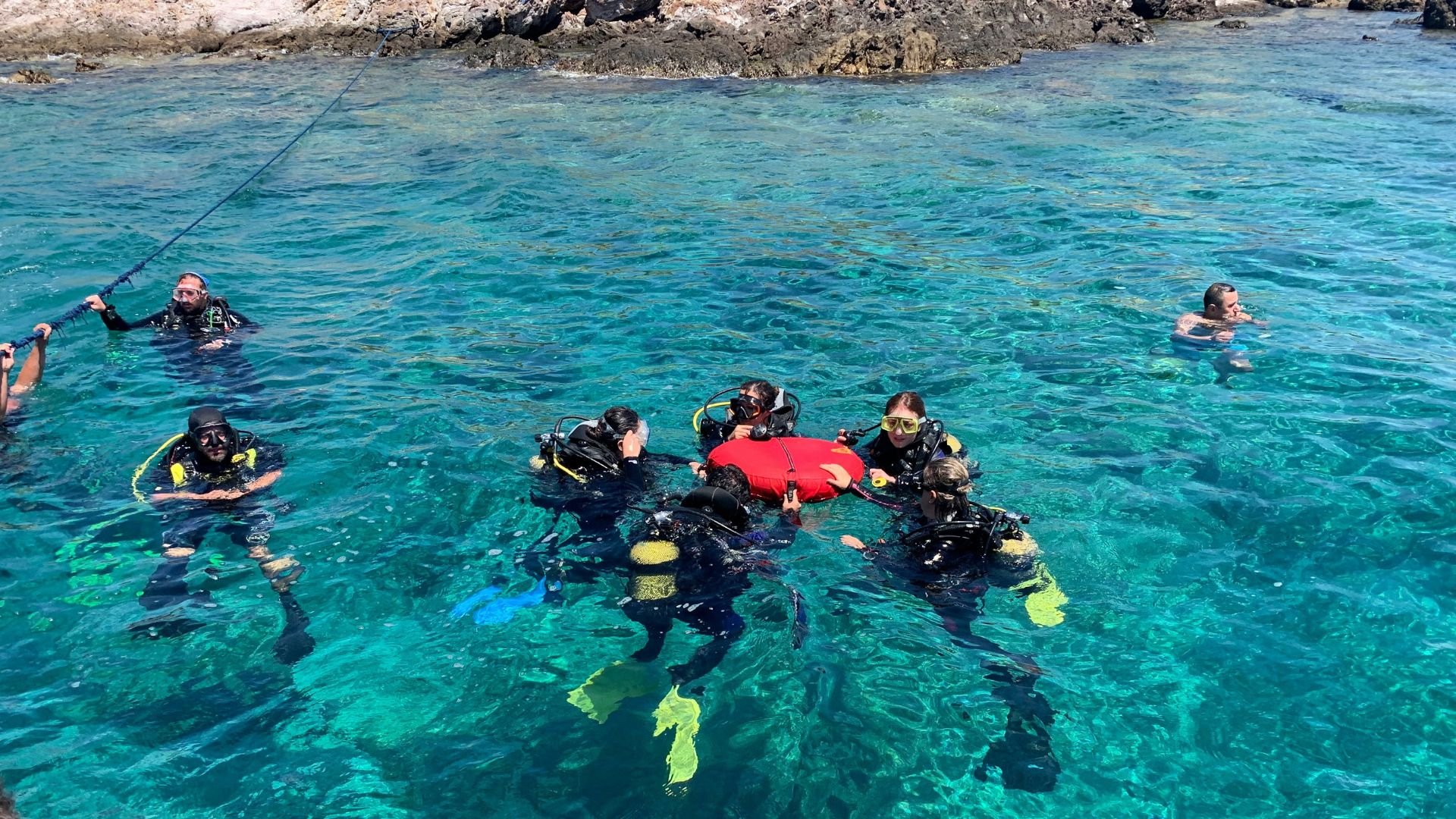
The field of underwater archaeology is not just for researchers and professionals; it also offers opportunities for public participation and engagement.
Through various programs and initiatives, individuals can contribute to the exploration and preservation of underwater cultural heritage, connecting with the past in a hands-on and meaningful way.
Death, Financial Trouble, and Not Being Taken Seriously
Tragedy struck Connor's life with the unexpected death of her husband in 1972, coupled with financial challenges, limiting her ability to pursue her passions.
In her later years, she expressed a sense of not being taken seriously, a sentiment that echoes the unfortunate oversight of her contributions.
The Legacy of Vida Lee Connor
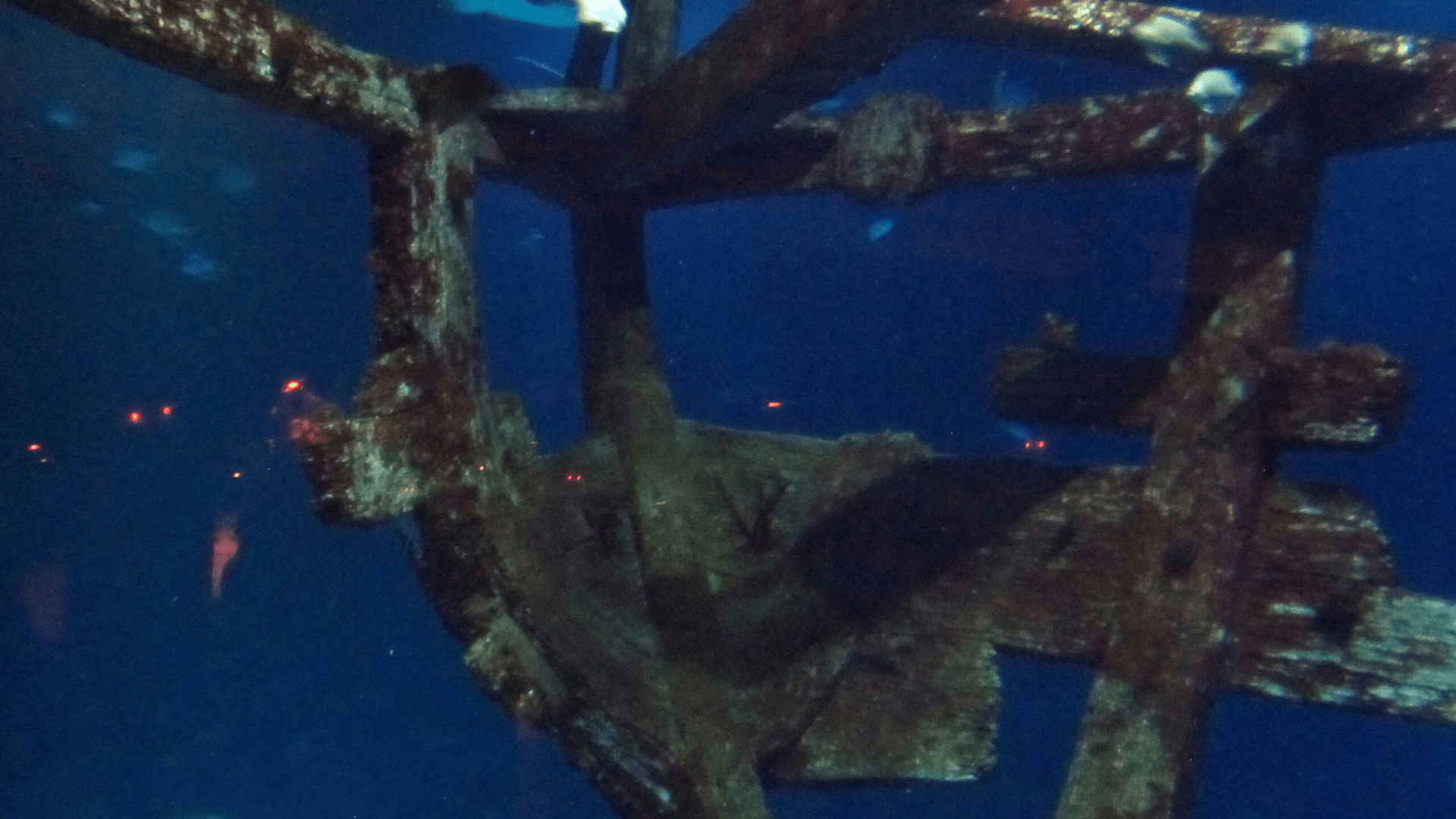
Vida Lee Connor's legacy endures, inspiring generations with her groundbreaking discoveries. Her 1966 insight, describing the find as the greatest field of shipwrecks ever discovered, holds true over 50 years later. The shipwrecks off Padre Island remain unparalleled in significance, embodying a crucial chapter in Texas history.
As we revisit the narrative of the 1554 Spanish Plate Fleet discovery, it is essential to honor Vida Lee Connor—the woman whose tenacity, openness, and love for exploration shaped the course of underwater archaeology in Texas and beyond. Her story deserves recognition as a testament to the Texan spirit and the unyielding pursuit of uncovering hidden treasures buried beneath the waves.