The World's Oldest Diseases
The world has changed drastically over the past few centuries. From modern medicine to technology, as well as physics and religion, it’s challenging to find anything that has stayed the same.
However, there are some diseases that have stood the test of time. Thanks to scientific investigation, researchers understand that these are 10 of the world’s oldest diseases, and all but one still exist today.
Cholera Dates Back to the 5th Century BCE
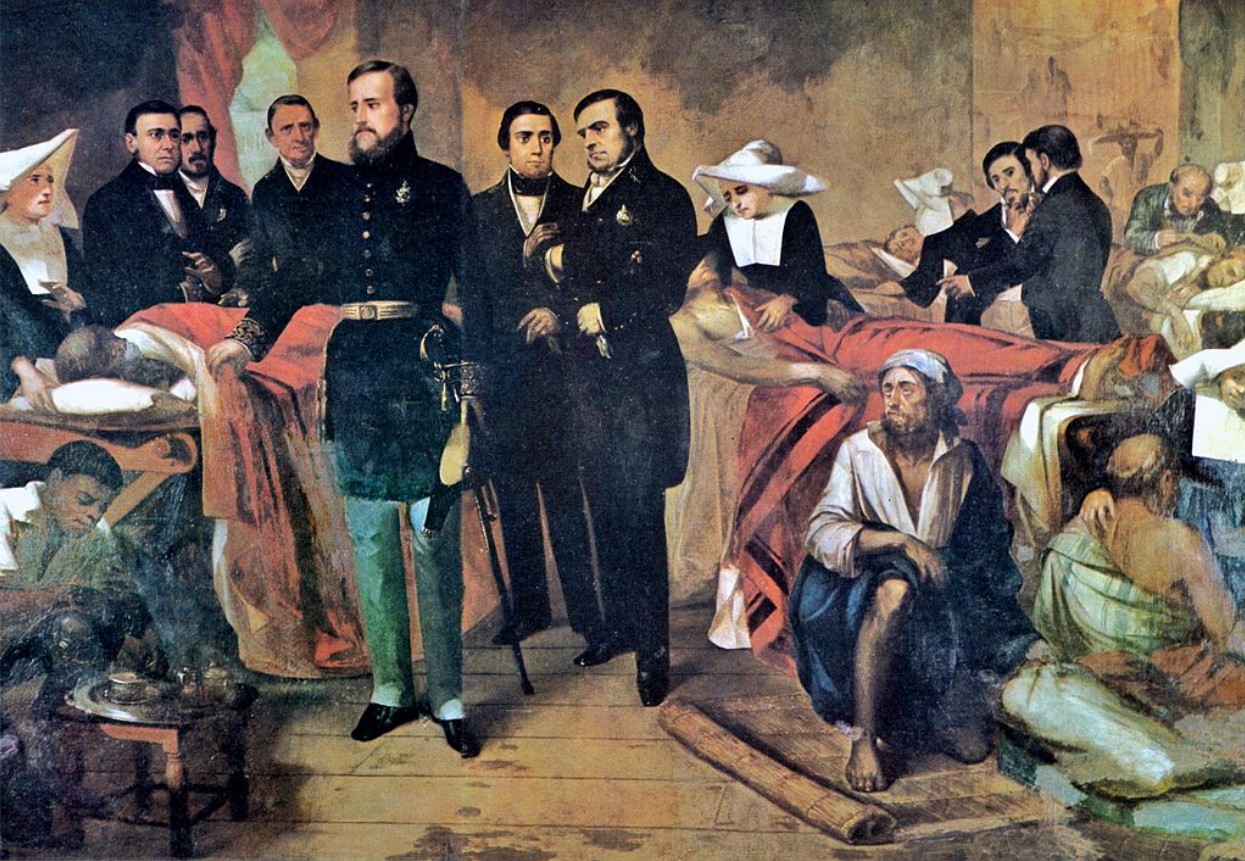
Cholera is an intestinal disease caused by bacteria found in water or food. Historians have found records of patients with symptoms of the disease as early as the 5th century BCE.
In the 19th century, there was a great Cholera pandemic in India and doctors at the time realized that people could carry the disease without showing symptoms. Cholera still exists today, but fortunately, there is a vaccine and it can be easily treated with antibiotics.
Rabies Has Existed for More than 4,000 Years
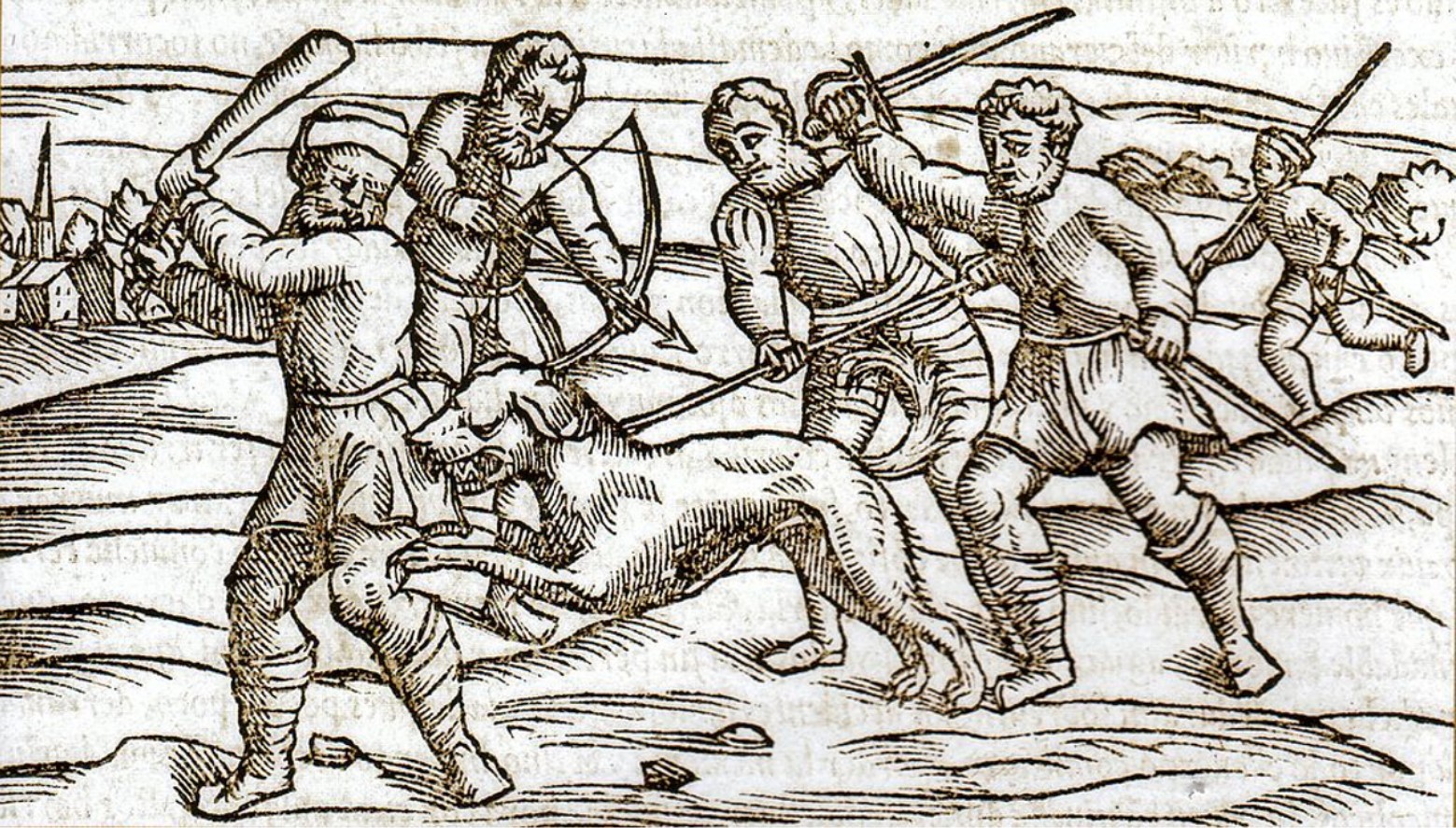
Thanks to historical texts and artifacts, historians understand that rabies, which is spread through animal bites and their infected saliva, has been prevalent for more than 4,000 years.
As of 2024, there is a rabies vaccine as even medicine one can take if they believe they’ve been infected. However, once the disease sets in, there is no modern medicine that can cure it. And, sadly, almost 60,000 people around the world still die from rabies every year.
Mummies Found with Tuberculosis
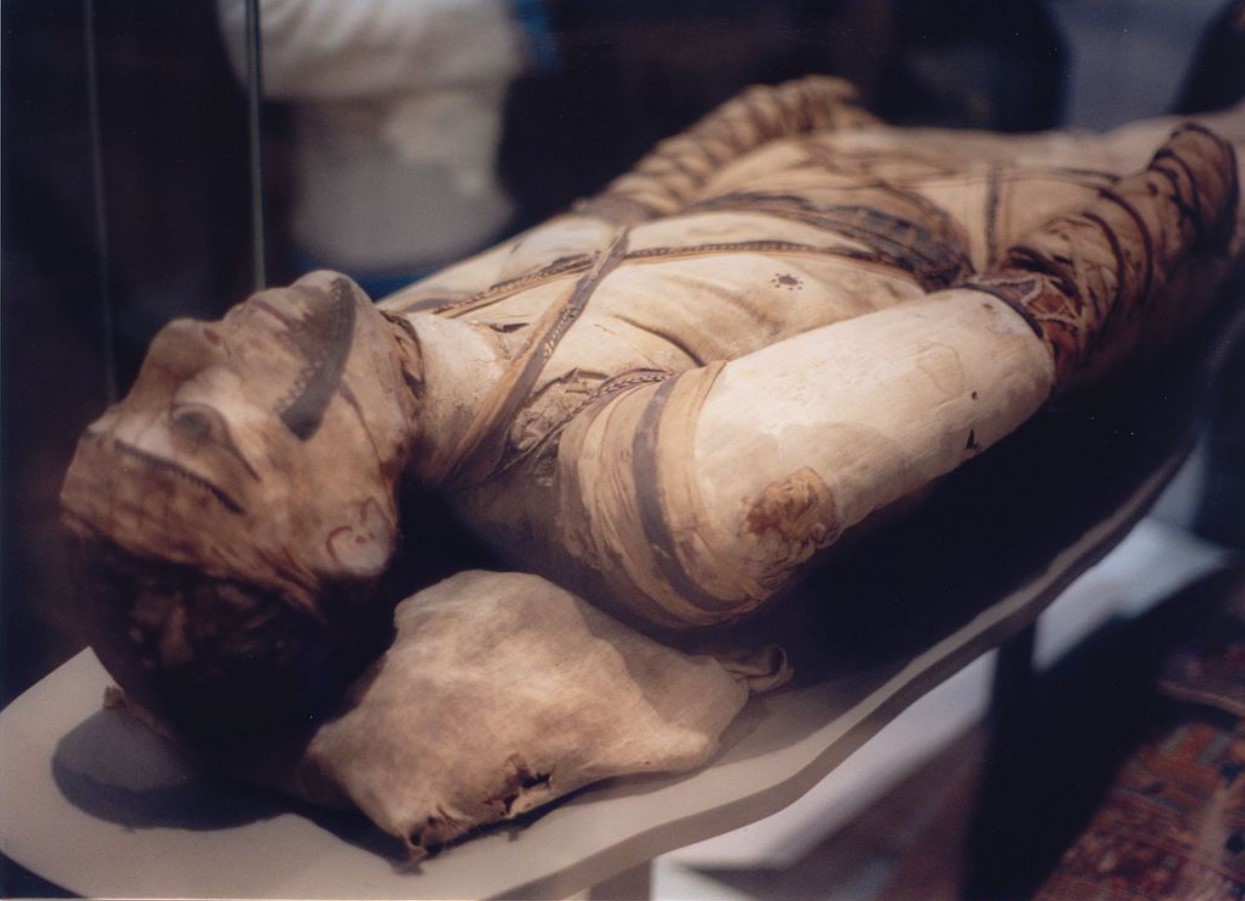
When archaeologists find the remains of ancient humans, they often conduct medical tests on the bones. And in several cases, they’ve found signs of tuberculosis decay.
While the oldest body with confirmed tuberculosis lived during 7000 BCE, some experts believe the disease has existed for over 3 million years. To this day, about 1.5 million people die of tuberculosis every year, but thanks to antibiotics, that number is going down.
Hippocrates Had Pneumonia
Greek philosopher Hippocrates is believed to have had pneumonia in the 4th century BCE. While historians wondered for years, they now know that his symptoms were caused by the bacteria Streptococcus pneumoniae.
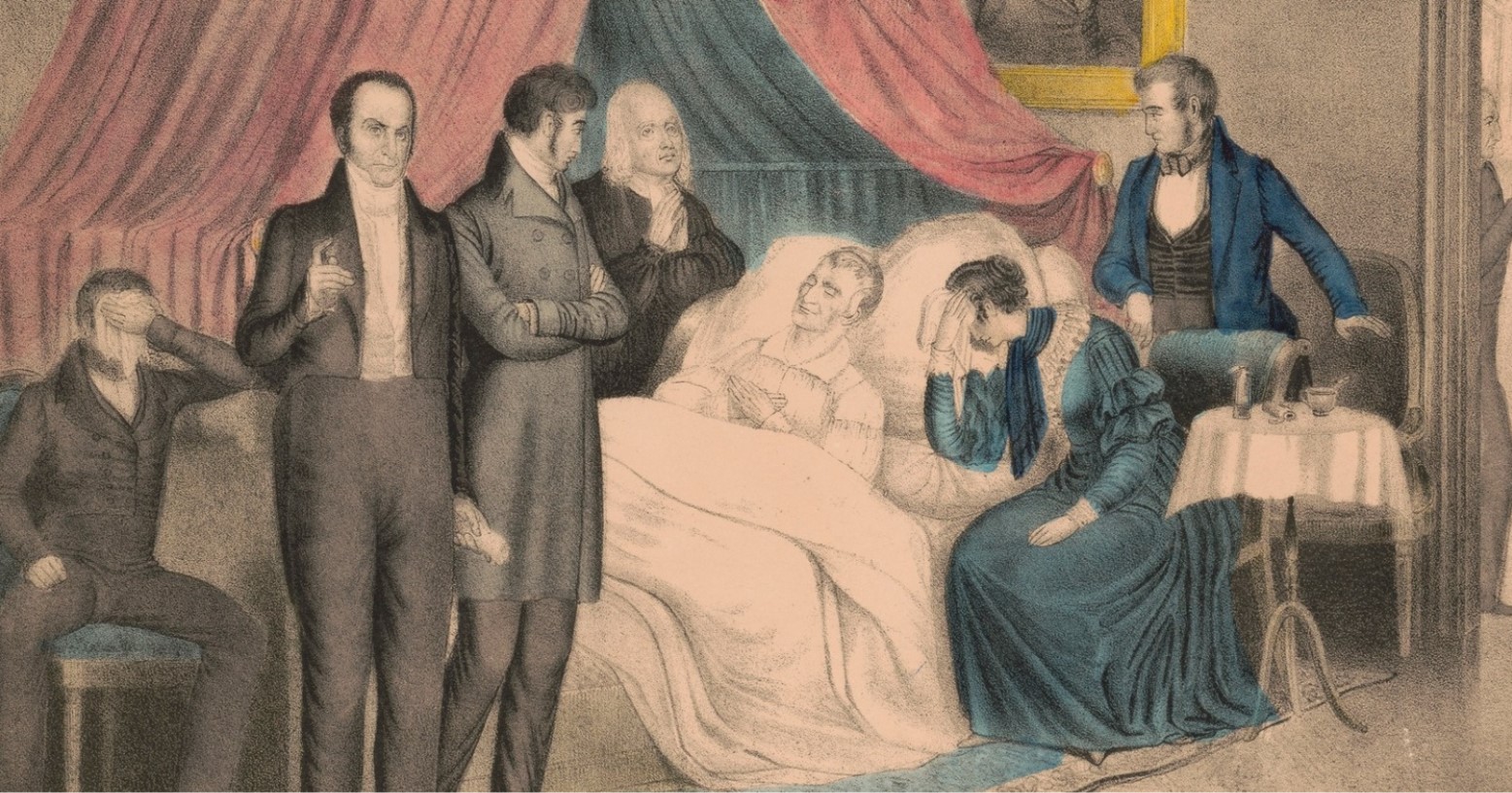
By the turn of the 19th century, pneumonia was rampant as the third leading cause of death around the world. In fact, US President Harrison died of the disease in 1841 just 31 days after taking office. The first drugs to fight the disease were released in the 1930s, and then, a vaccine was finalized in 1977.
Leprosy: The Biblical Disease
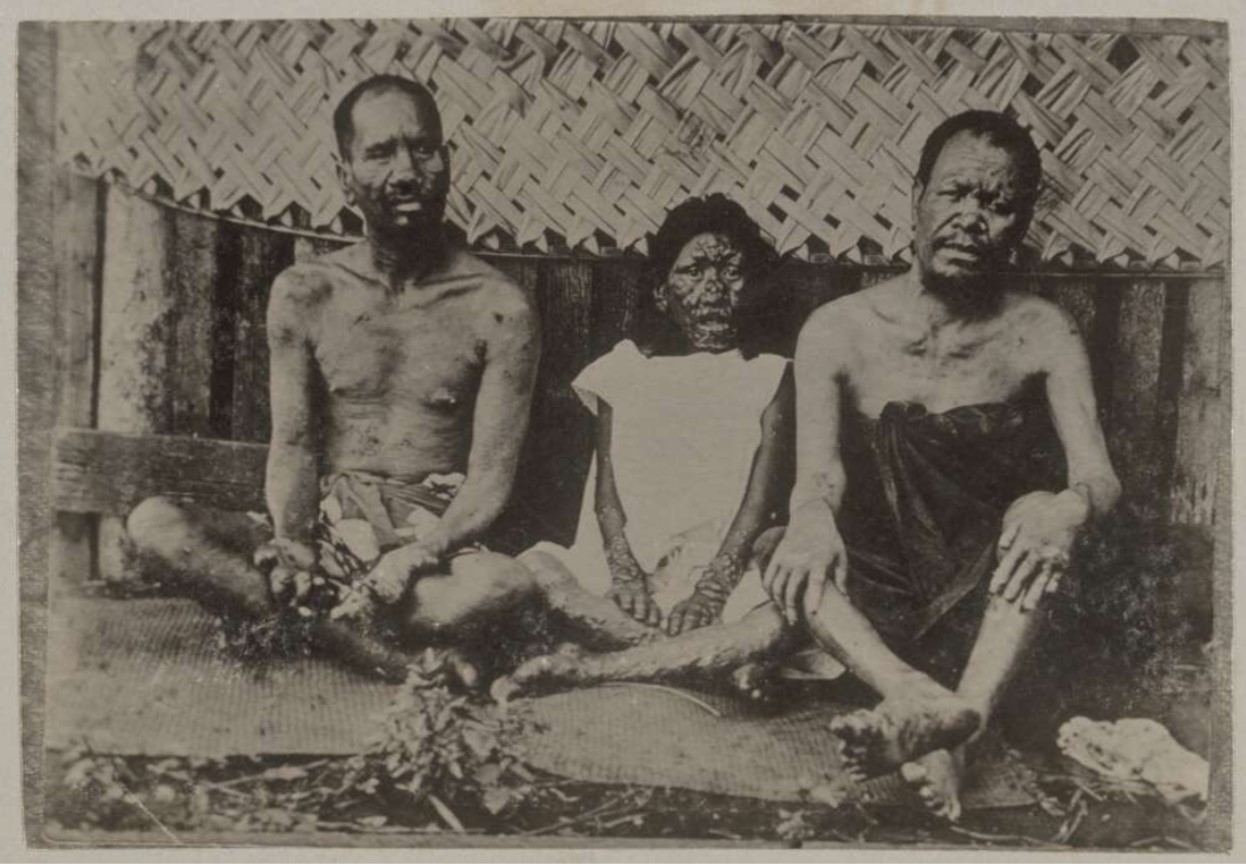
Leprosy is referred to several times within the Old Testament of the Bible. At that time, it was thought to be a punishment from God for sin. Outside of the Bible, historians have found written examples of the disease as early as 600 BCE.
Fortunately, leprosy is now incredibly rare. According to the WHO, around 208,000 currently struggle with it, but there are drugs to treat and even cure the once deadly disease.
Cancer Is Not a Modern Disease
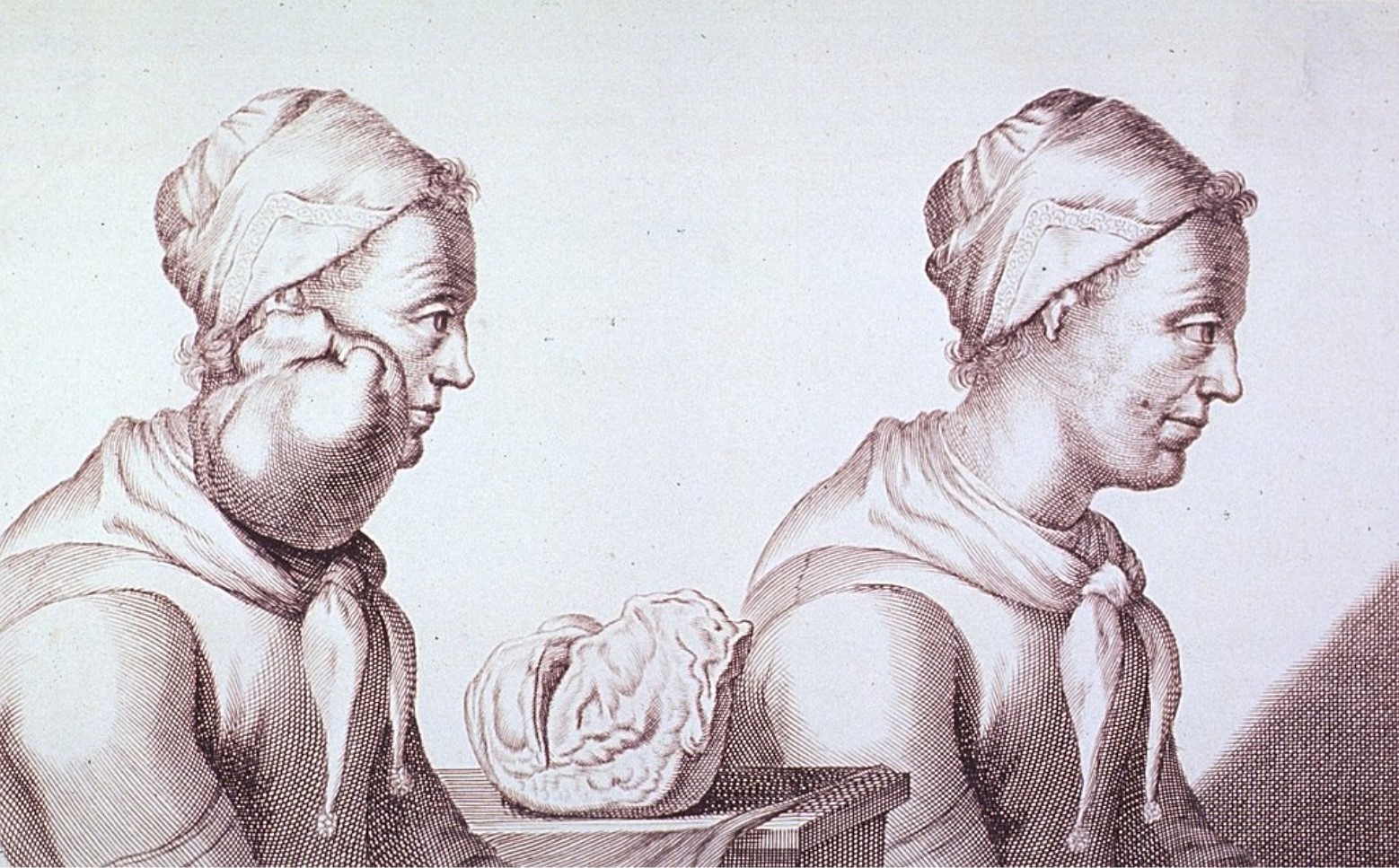
Almost 10 million people around the world die from cancer every year, making it the second-leading cause of death. But while many people see cancer as a modern disease, the earliest known cases were found in Egypt in 2800 BCE.
Thousands of years ago, cancerous tumors were treated with arsenic or even date-based pastes, but they were ineffective and even harmful. Effectual cancer drugs, now known as chemotherapy, weren’t invented until the 1940s.
Mosquitos Have Carried Malaria for at Least 5,000 Years
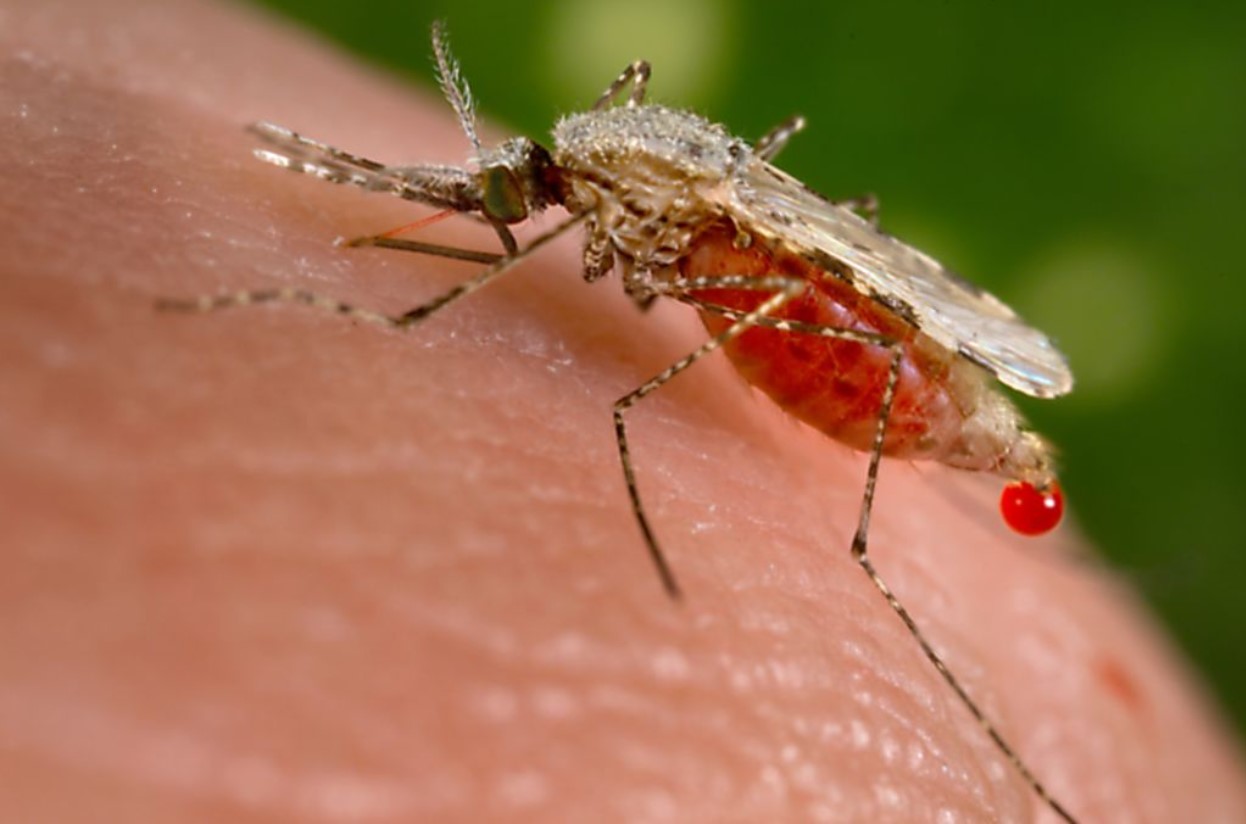
Most historians believe that malaria has existed since before homo sapiens walked the earth. However, the earliest written examples of the disease are from almost 5,000 years ago in texts from Asia and Mesopotamia.
Today, malaria is still extremely prevalent around the world with more than 249 million cases recorded in 2022. And while many are saved from vaccines and treatments, around 600,000 people still die every year.
Trachoma Has Existed for More than 10,000 Years

Trachoma is a bacterial infection of the eye which is highly contagious. While there are written examples of the disease from about 4,500 years ago, experts believe it has been plaguing humans for far longer.
Hippocrates attempted to treat trachoma in 500 BCE with copper acetate, which doctors now know would have caused damage to the eye. And sadly, trachoma is still responsible for visual impairment and blindness in 1.9 million people around the world.
Whooping Cough Has Been Killing Children for Millions of Years

Academics believe that whooping cough, a bacterial infection of the lungs, has been killing children and adults alike for more than 2.5 million years.
Thankfully, in 1914, a vaccine was developed and deaths have decreased by 75%, but it is certainly still prevalent today.
Smallpox: The Only Disease to Be Completely Eradicated
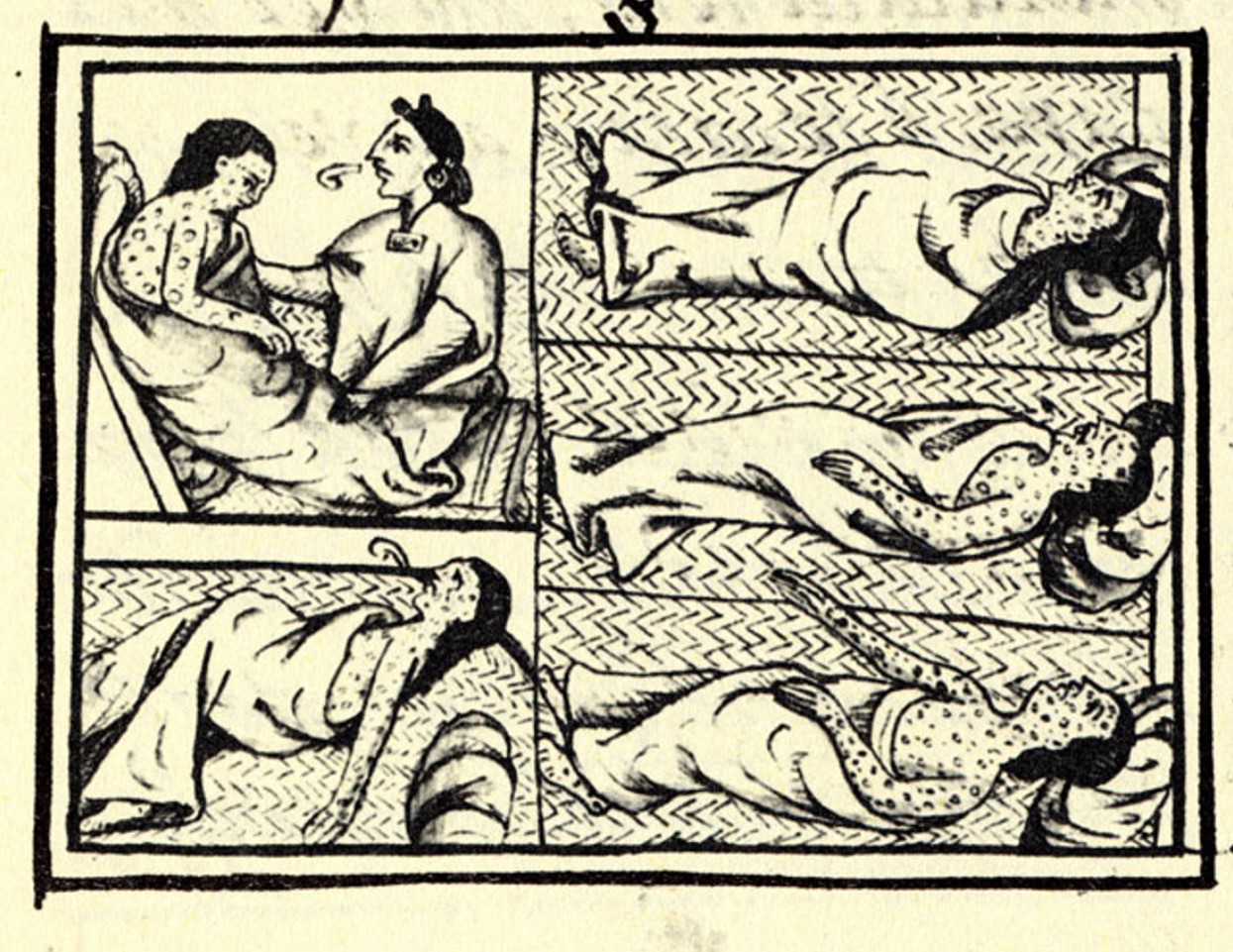
Of this list of 10 ancient diseases, only one is considered to be completely eradicated: Smallpox. The ailment was first noted in East Africa almost 4,000 years ago, and in the 1700s, the disease was used by British colonizers to murder Native Americans.
It wasn’t until 1980 that they were able to rid the world of this fatal disease. And while it technically still exists in labs, people no longer have to worry about contracting it.
Modern Medicine Has Changed the Way We See These Diseases

While all of these diseases, with the exception of smallpox, still exist in today’s world, modern medicine such as antibiotics and vaccines have certainly changed the way we treat and cure them.
However, in rural or underdeveloped countries around the world without access to these medicines, many of these diseases, which have lasted for millennia, are still taking lives.