
British Museum Will Display Stolen Items to Explore Forgotten Gemstones Through History
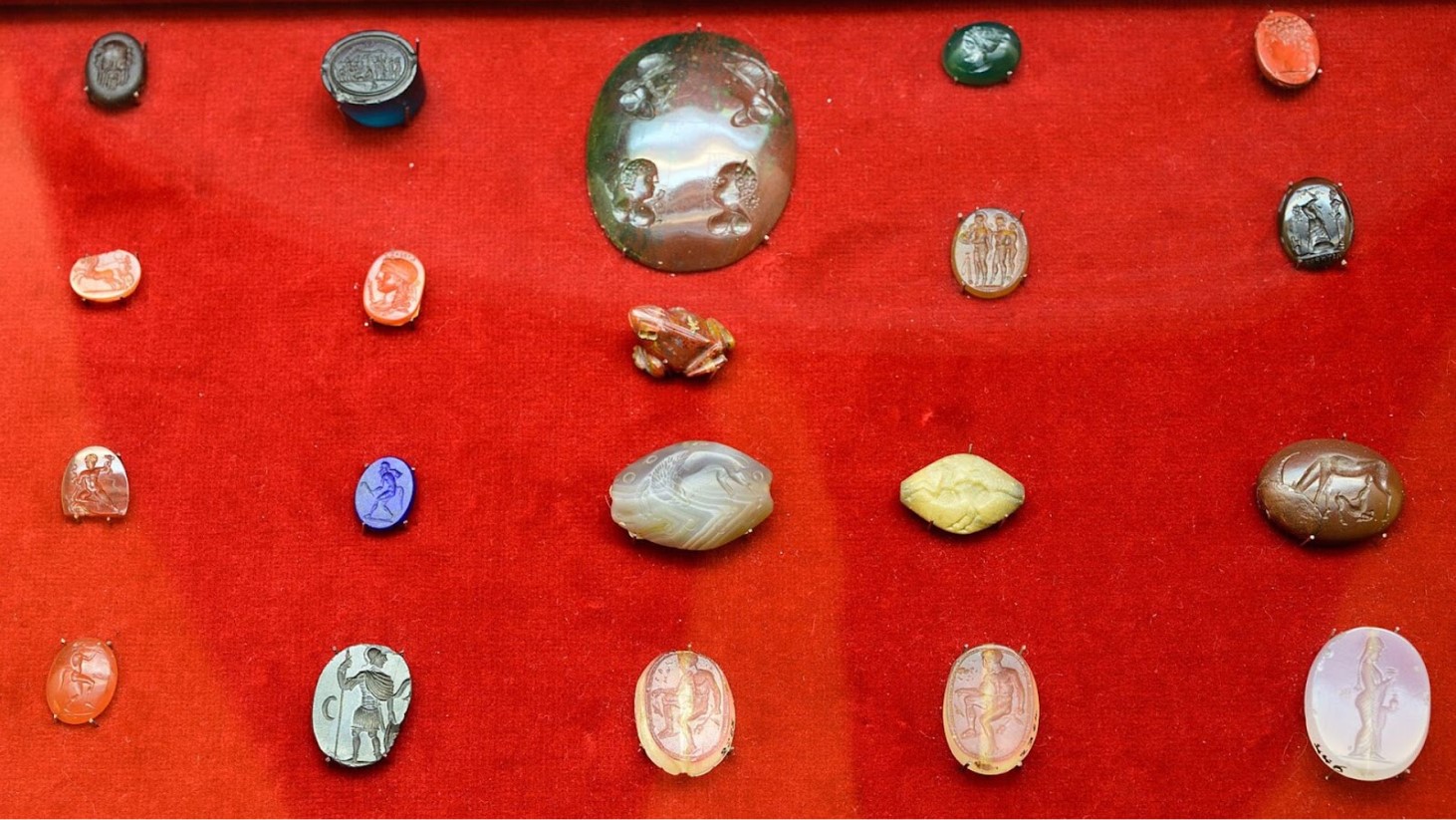
The British Museum has announced plans to exhibit 10 items that were previously stolen from its collection. This move comes after the museum disclosed in August that up to 2,000 objects from its storerooms were missing, stolen, or damaged.
This exhibition, titled “Rediscovering Gems” aims to shed light on the importance of classical gems throughout history, featuring pieces such as a cameo with a bust of Cupid from the 1st or 2nd Century AD.
Discovery and Recovery Efforts

The museum has been on a mission to recover the lost items and has successfully retrieved about 350 to date. The forthcoming exhibition aims to explore the historical and cultural significance of these classical gems.
The Independent reports that George Osborne, the Chair of the museum's Board of Trustees, emphasized the importance of this display as a step towards transparency and cultural shift within the institution, saying, “We promised we'd show the world the gems that were stolen and recovered - rather than hide them away.”
The Significance of the Stolen Gems
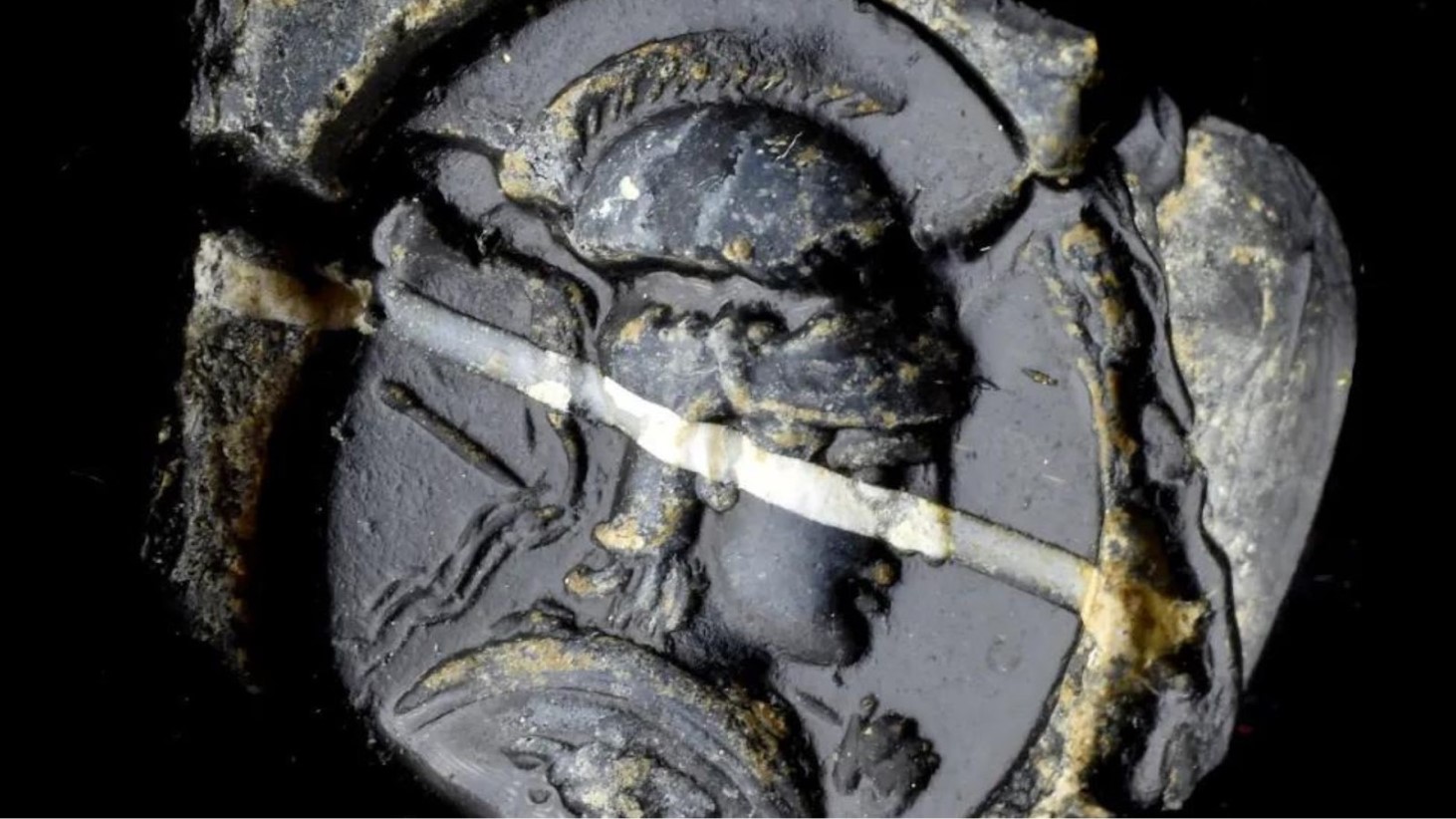
The items chosen for display include precious Roman gems that were part of a significant theft from the museum, BBC News reports.
The exhibition seeks to highlight the beauty and historical value of these items, reflecting a broader strategy of openness and accountability.
Internal Theft and Consequences

The discovery of the stolen items led to significant repercussions within the museum's staff. A senior curator, Peter Higgs, was identified as responsible for listing some of these precious items on eBay, with prices starting as low as $51, as reported by ArtNews.
This illicit activity, spanning approximately 25 years, resulted in his dismissal from the museum, highlighting a serious breach of trust and security within the institution.
Leadership Changes Following the Scandal

ArtNews reports that the thefts and the subsequent investigation led to a shakeup in the museum's leadership.
Both the museum director, Hartwig Fischer, and deputy director, Jonathan Williams, resigned in the wake of the scandal.
Commitment to Digitization and Transparency

In response to the crisis, the British Museum has committed to a £10 million digitization project.
This project, as announced by board chair Osborne, is intended to enhance the museum's record-keeping and prevent future thefts. The museum's initiative to digitize its collection aims to ensure greater transparency and accessibility of its vast array of artifacts, according to ArtNews.
The Role of Dr. Ittai Gradel in Recovery

Dr. Ittai Gradel, a key figure in the recovery process, initially alerted the museum to the thefts. Despite initial resistance, his persistence led to the return of numerous stolen items.
Dr. Gradel said, “I am greatly pleased also to see that the whole culture of the institution appears to be changing to one of much greater openness and willingness to confront problems, than what I encountered in 2021.” (via BBC News)
Deserving of Study

In comments to BBC, Gradel expressed his enthusiasm at these gems getting an opportunity to be looked at. He described them as having been overlooked previously and noted he would be happy to attend an exhibit.
"They are indeed deserving of far more study than they have received," he told the BBC. "I look greatly forward to visiting the exhibition".
A Cultural Shift at the British Museum

The British Museum's decision to publicly display stolen and recovered items marks a significant shift towards greater transparency and accountability.
According to BBC News, this move, as part of a broader “culture change” within the museum, aims to foster a more open dialogue about the challenges and responsibilities of managing and preserving historical collections for future generations.
Celebrating Classical Gems
The Independent reports that Tom Harrison, keeper of the British Museum’s department of Greece and Rome, expressed enthusiasm about the exhibition, saying, “We are delighted to be able to put on this exhibition and showcase some of the stunning recovered gems which are now safely back in the museum’s collection.”
This exhibition serves not only as a showcase of the recovered items but also as an opportunity to highlight the beauty and historical importance of classical gems, an art form Harrison describes as “underappreciated”.
Unearthing Forgotten Treasures

BBC News reports that these classical gems, once the darlings of the 18th century, fell out of favor over time. This change in taste could explain why they languished in the British Museum's storeroom, quietly awaiting rediscovery for more than a century.
Dr. Gradel said that these gems hold “beautiful and fascinating insights into the tastes and mindsets of the ancient Greeks and Romans.”
Exhibition Opening Date
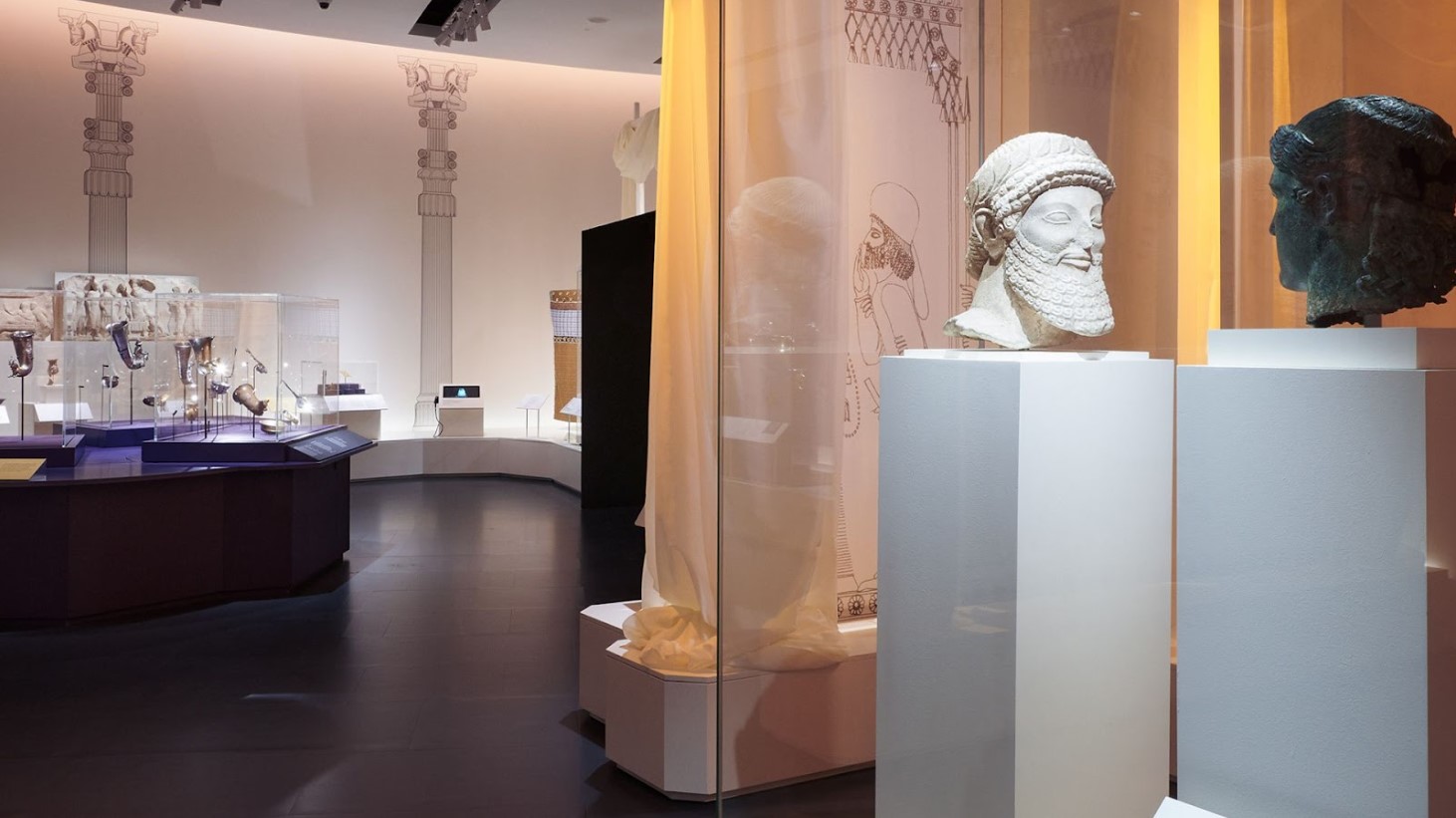
The British Museum has scheduled the exhibition for public viewing starting on February 15, 2024.
This event marks a significant moment for the museum, as it aims to share the recovered treasures with the world, providing insight into the historical and artistic significance of these items, ArtNews notes.
The Museum's Commitment to Recovery and Transparency
The British Museum's proactive approach in recovering stolen items and its commitment to transparency signify a pivotal moment in its history.
By openly addressing the issue of theft and loss, the museum sets a precedent for how cultural institutions can confront and overcome challenges, building trust and engagement with the public.
Discovery of Roman Gems
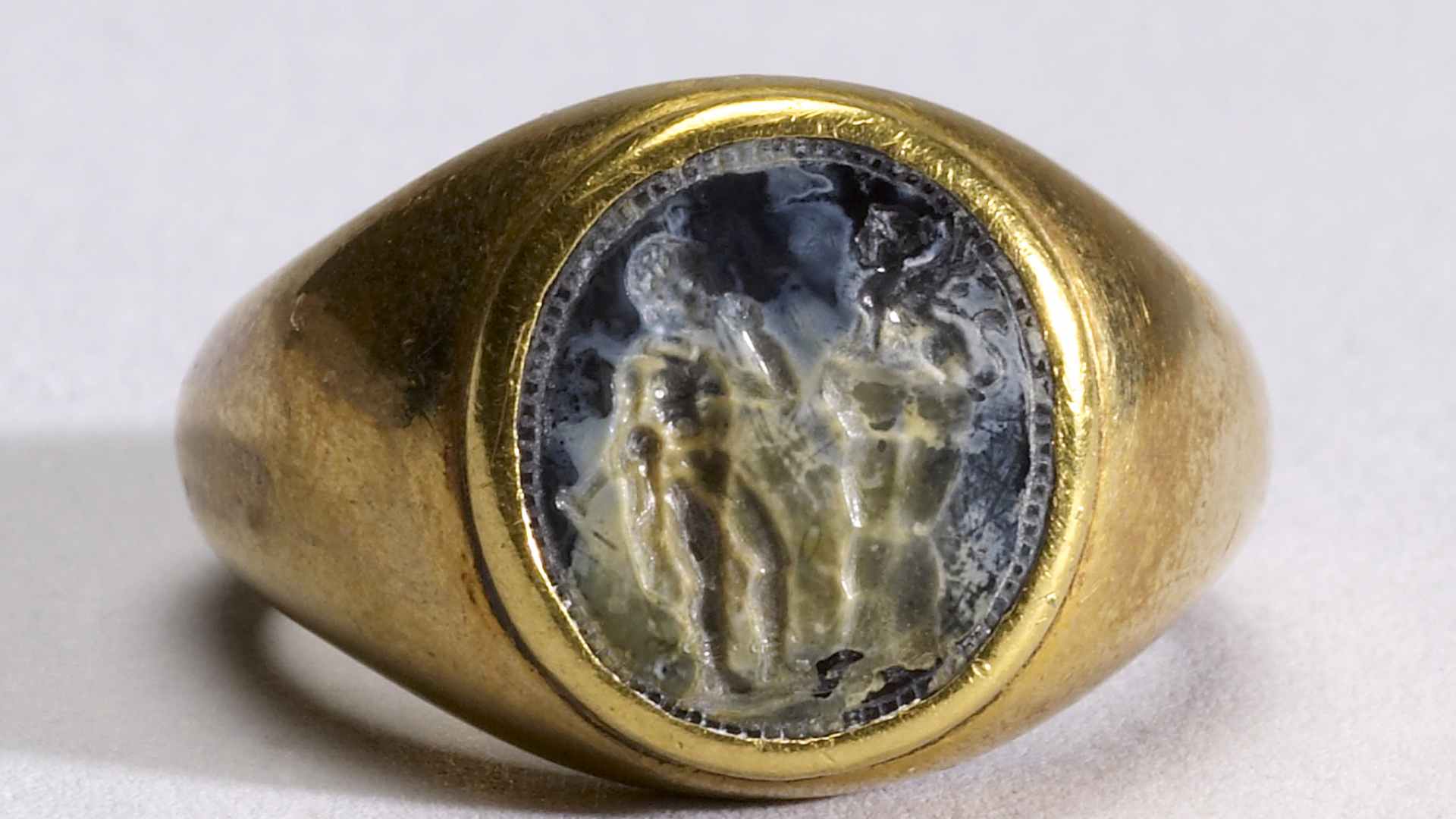
According to the BBC, other museums like Carlisle's Tullie House Museum and Art Gallery had previously recovered Roman precious stones and gems from the drains of old bathhouses.
These gems had engravings on them and were made from materials like amethyst, making them exquisite art pieces to behold in their own right.
How Do Precious Gems End Up In Bath Drains?

In ancient Rome, the public bath and bathhouses were an important fixture of life for many people. Countless people would go in and out to clean themselves daily.
The glue that held these precious gems to items like rings and bracelets would become undone with prolonged exposure to the steam from a bathhouse. This would result in these tiny pieces falling into drains, only to be discovered by archaeologists thousands of years later.
Did Many Romans and Greeks Wear Gems Like These?
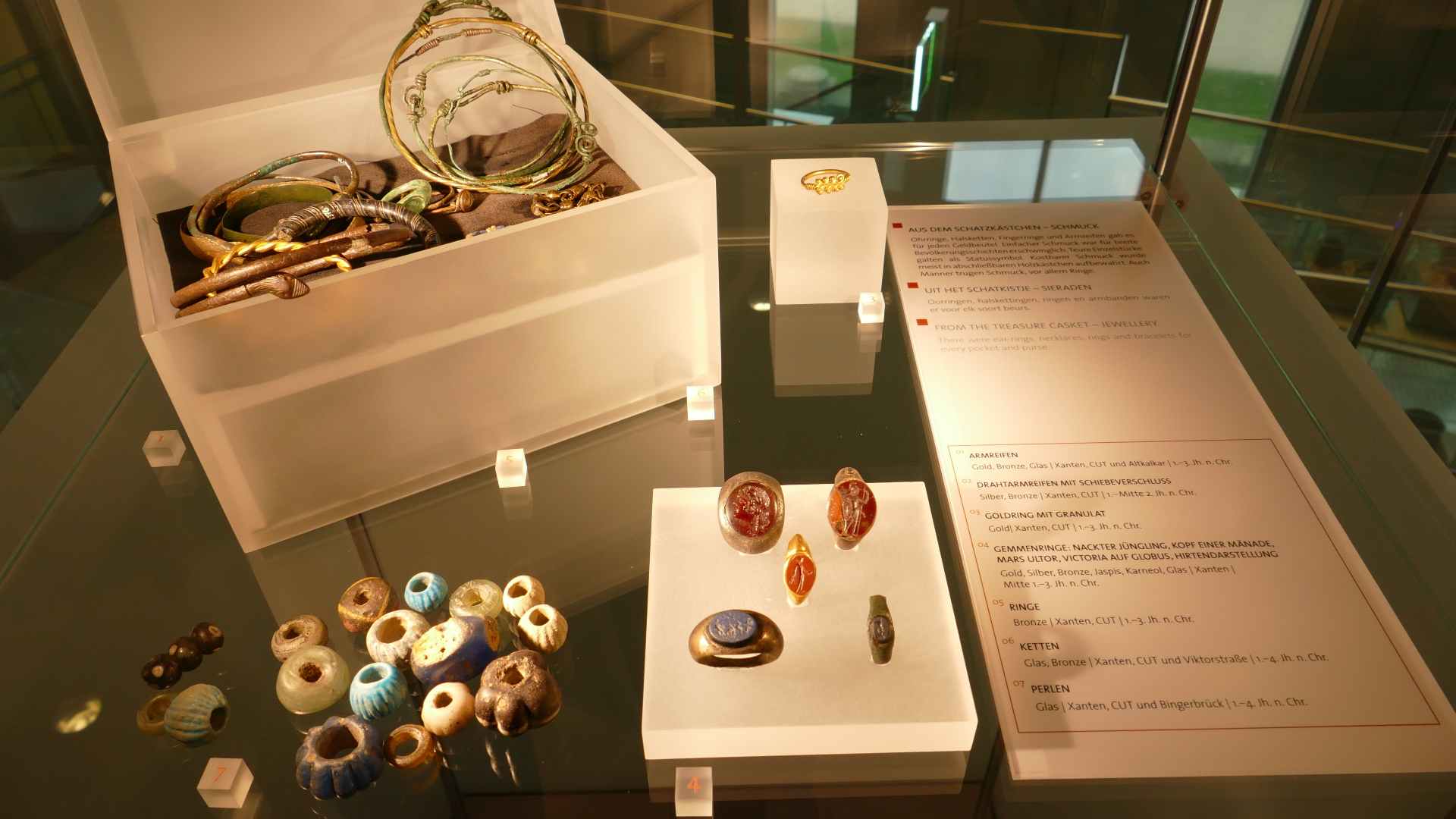
According to the Metropolitan Museum of Art Greek and Roman art pieces can often be seen depicting the wearing of bracelets and other jewelry. However, the practice of wearing precious gems and jewelry was not common among everyone.
Romans tended to wear more rings than Greeks for practical purposes. The rings Romans would wear would sometimes bear a seal known as an intaglio which could be imprinted onto important documents.
What Other Purpose Did Gems Have In Roman Society?

Gems were often considered magical by the Romans. According to the National Museums Liverpool, these ancient Romans could use the magic of gems to solve a variety of problems.
Gems could serve as protection charms for loved ones or be used as a cure-all for certain diseases. They were also often gifts between lovers and could help someone develop affection towards the giver.
Drill Cutting Techniques Led to More Intricate Designs
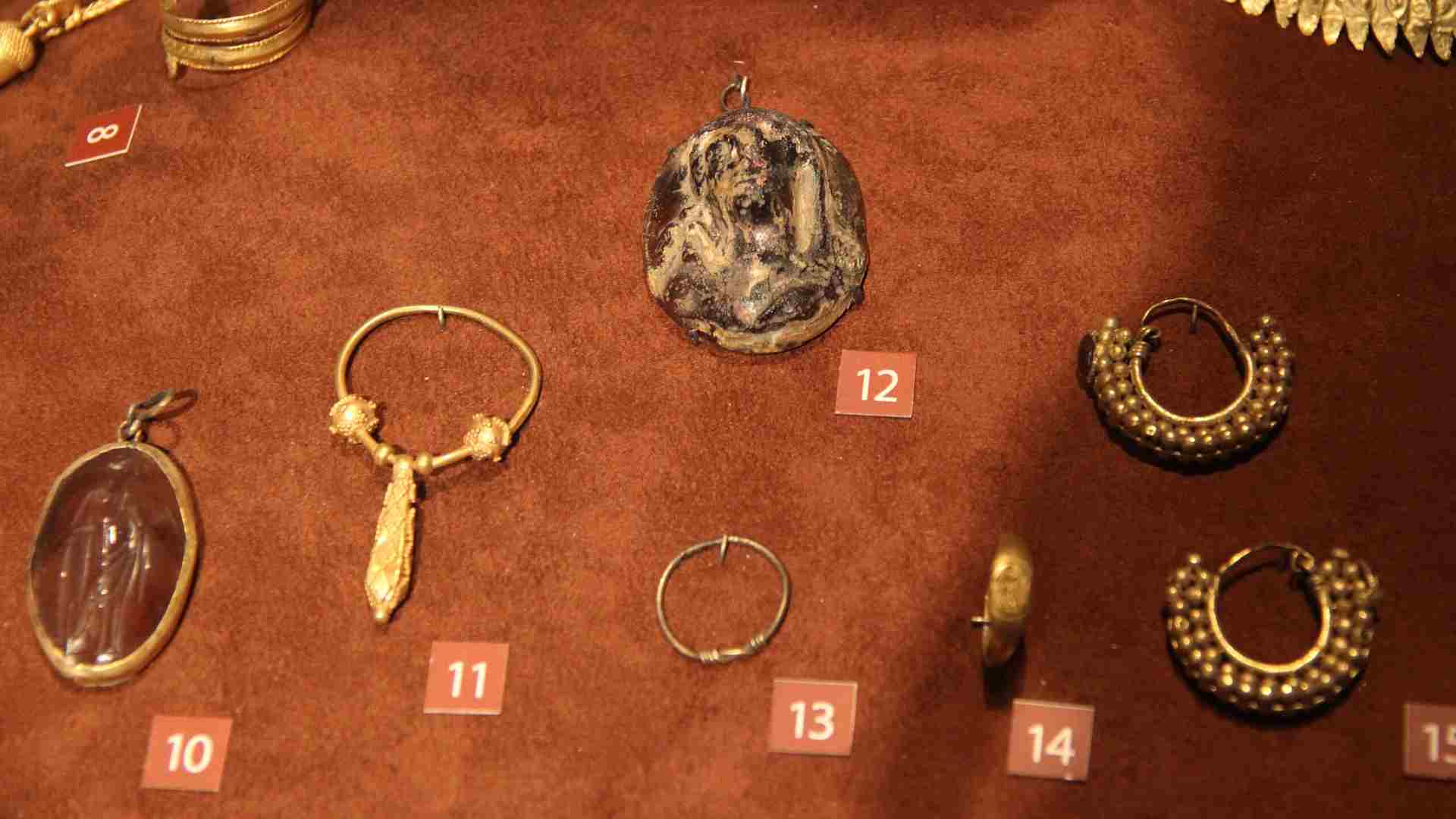
According to Antiquities, drill cutting techniques were created by the Greeks which later allowed Romans to make elaborate designs in their intaglios. Brightly colored gems like amethyst, emerald, and pearl were preferred by women.
Men tended to wear less jewelry, preferring just to have fingerrings or pendants. A Roman with a gold ring was meant to signify they held rank at the senate.
How Did Romans Get Gemstones?

The gemstones of Rome were often imported from areas that came under Roman rule or through trade with other nations. According to the Museum of Jewelry, precious stones like garnet, lapis, emeralds, or jasper would come from Egypt.
The Persian Gulf supplied the people of Rome with moonstone, amber, and onyx. Pearls were considered extremely rare and were a sign of nobility.
The Modern World Still Values Gemstones

The British Museum contending with the theft of their precious gemstones emphasizes how the modern world still holds these items in great esteem. While people may not be using them to cure diseases or as a way to make someone fall in love with them, they appeal to a seemingly innate desire in humans to see glossy, shiny textures.
According to a UNC Greensboro report, this tendency may come from early humanity needing to recognize the shiny surface of water to survive. This later translated into an aesthetic attraction to all manner of shiny objects.