Current Texas Immigration Causes Legislatures To Revisit Arizona's Historic 'Show Me Your Papers' Law
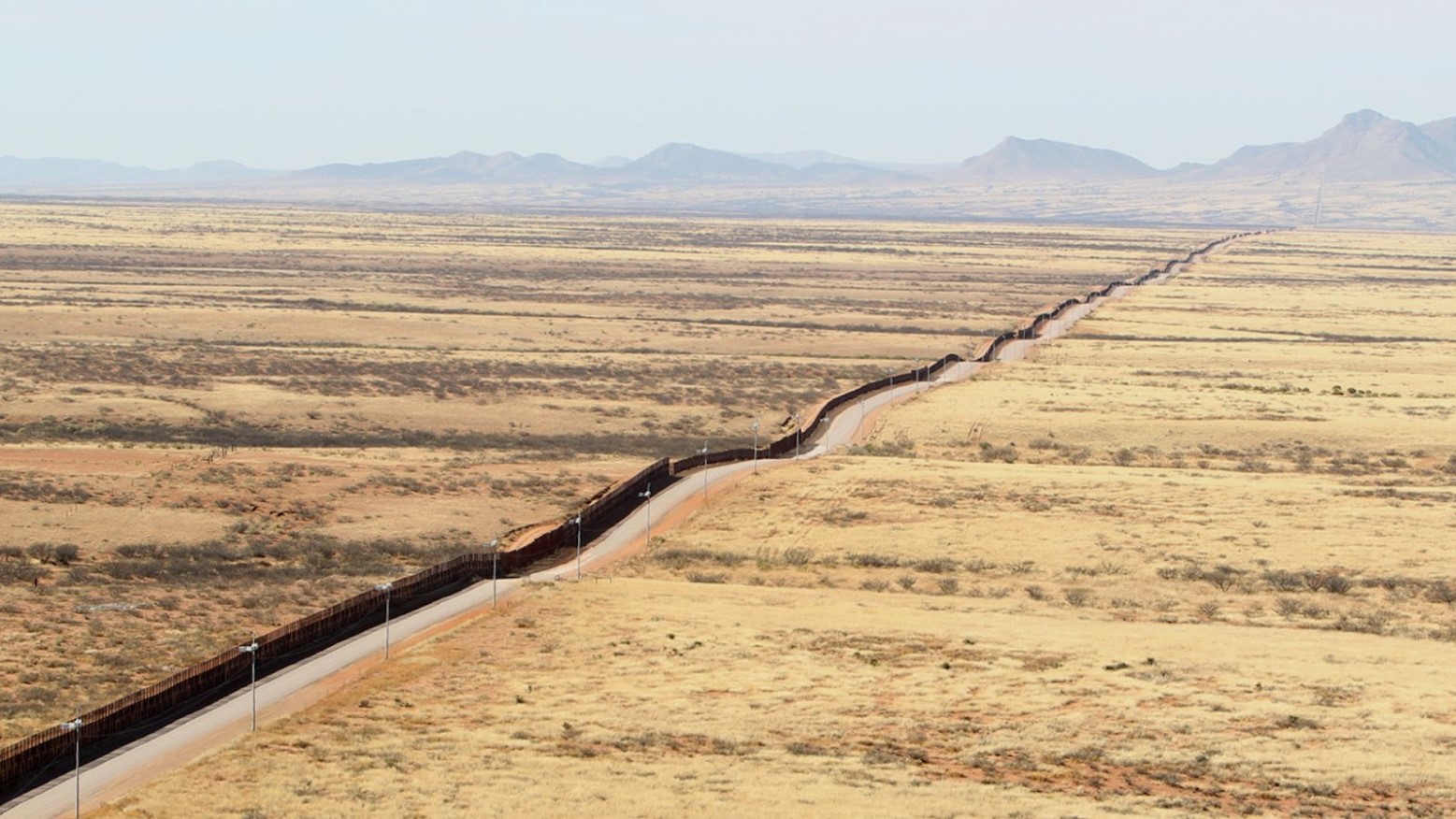
An ongoing legal battle between Texas and the United States government will likely end up in front of the Supreme Court in the near future. Once this eventually happens, the Court may have the chance to revisit Arizona’s historic “Show Me Your Papers” law.
This latest legal battle between Texas Governor Greg Abbott and President Joe Biden’s White House administration comes as states and the federal government try to deal with the ongoing southern border crisis.
Texas’ SB 4 Law
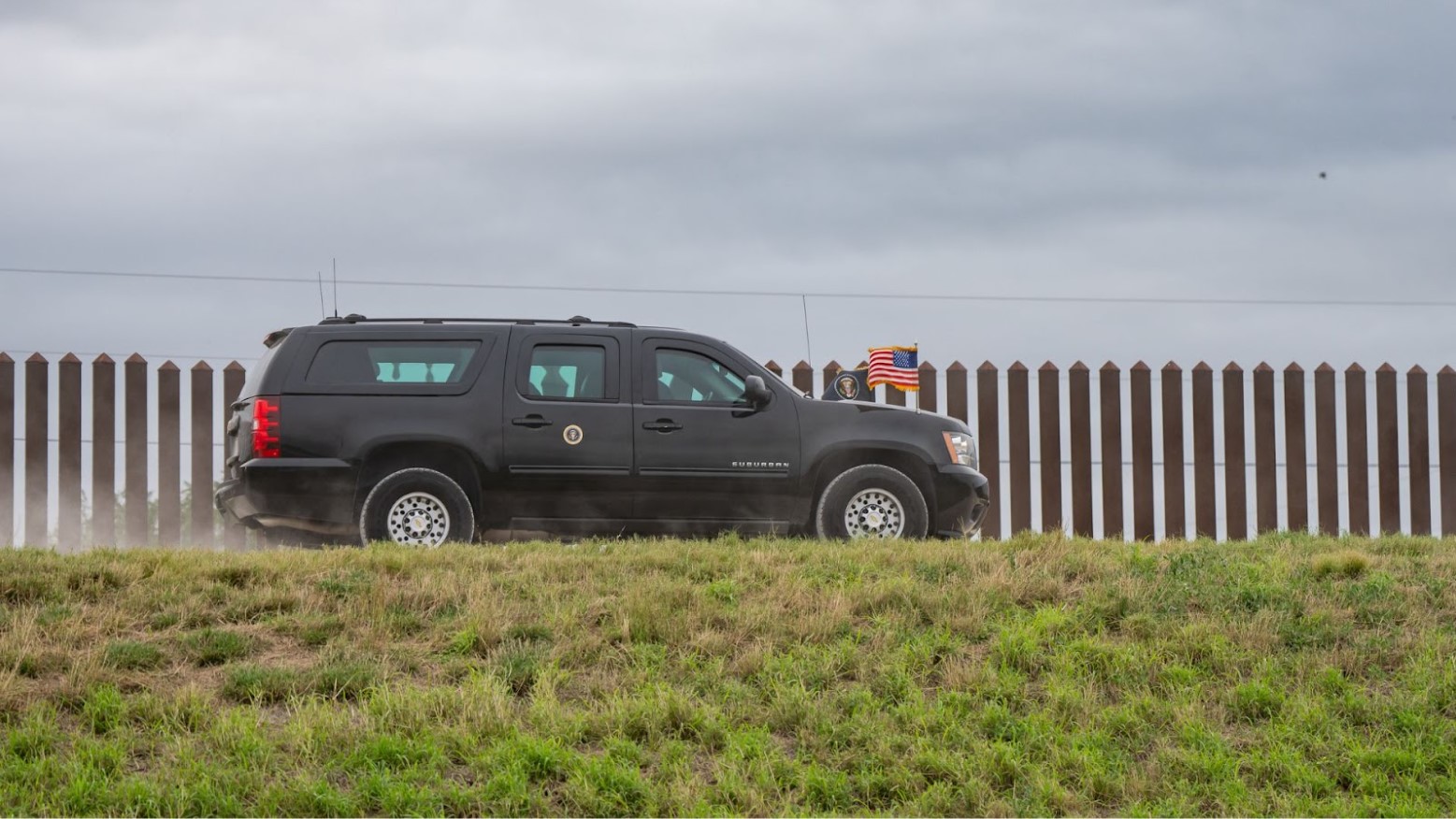
Recently, Texas passed the SB 4 law, which gives state officials, such as state police officers, the power to both arrest and detain people they believe entered the country illegally.
This law also gives state judges the power to have these illegal immigrants deported back to Mexico. Overall, the legislation has made entering Texas illegally a state crime.
Criticisms of the Law

Immediately upon the passing of this law, many critics came out to say that the legislation could end up harming many legal immigrants who are just trying to work and live their lives in Texas.
Many analysts are worried that this law could be used by the police to stop anyone they believe is in the state illegally. This can very quickly lead to racial profiling.
State Government vs Federal Government
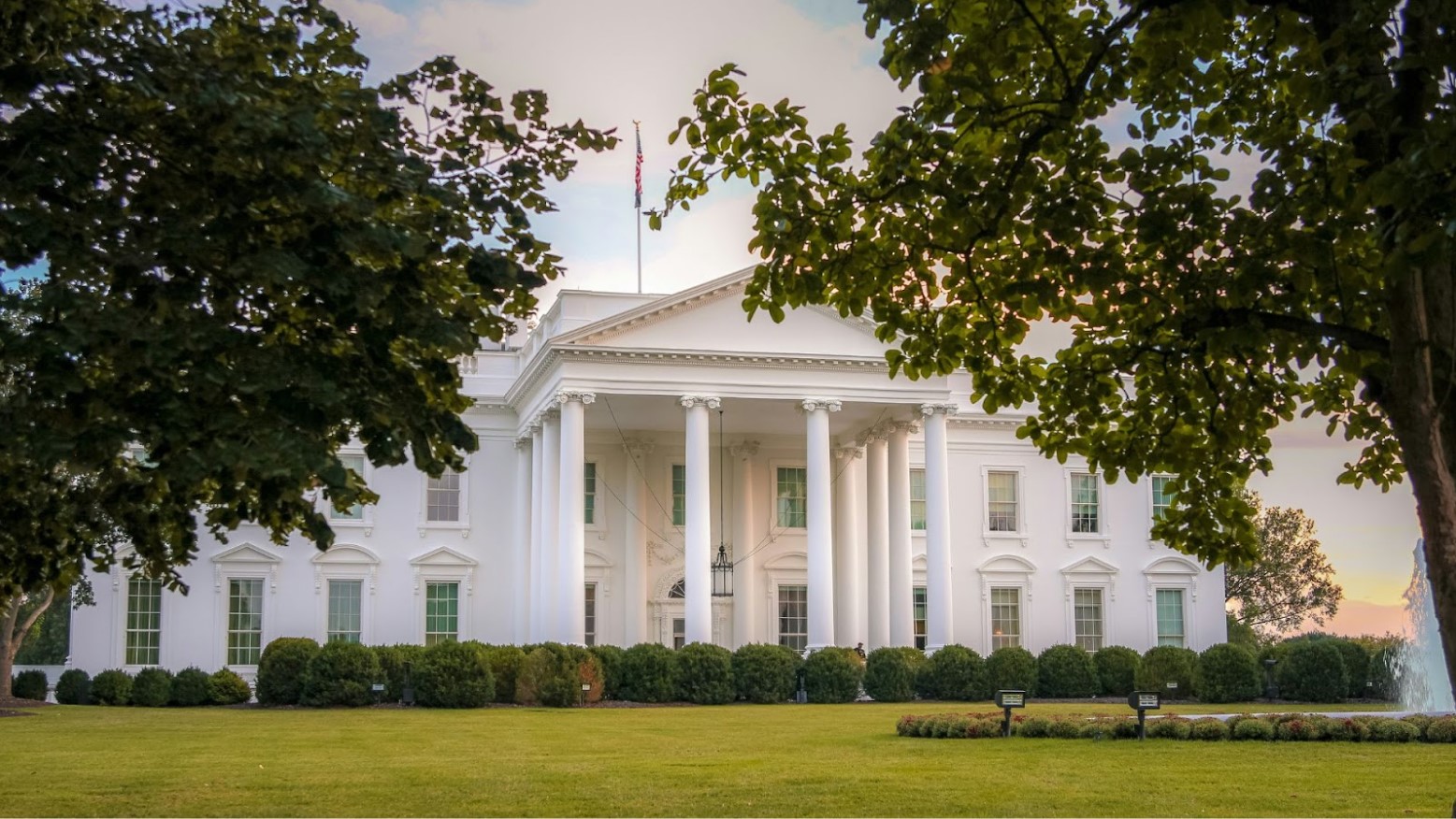
However, the reason the Biden administration has taken Texas to court over the passing of this legislation has to do with what power the state has over immigration.
Experts have long said that the Constitution clearly states that the federal government is the one who controls immigration policies — not the state government. Therefore, Texas doesn’t have the right to make these laws. Only the federal government does.
An Immediate Blocking

Once Abbott signed SB 4 into law, a court case began. The Biden administration, as well as El Paso County and two immigration advocacy organizations, brought forth cases against this legislation.
This led to a federal judge blocking the enforcement of the law. However, Texas did appeal this initial judgment, which brought the case to the 5th Circuit.
Similarities to Arizona’s Past Law
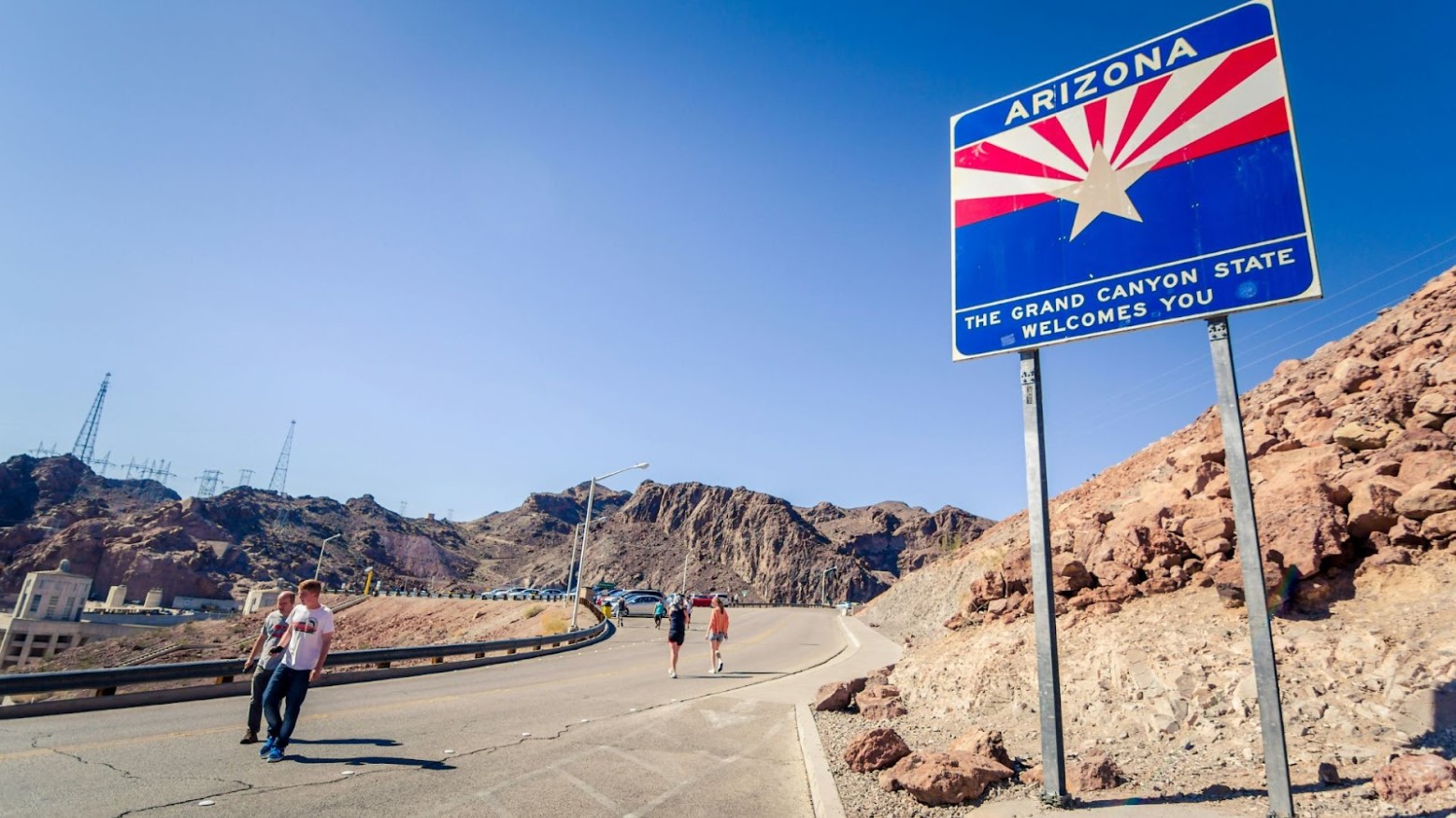
The public attention on Texas’ SB 4 law has brought attention back to Arizona’s SB 1070 law, commonly known as the “Show Me Your Papers” law.
In 2010, then Arizona Governor Jan Brewer signed the act into law. This legislation allowed police the power to determine a person’s immigration status during situations like traffic stops.
The “Show Me Your Papers” Law
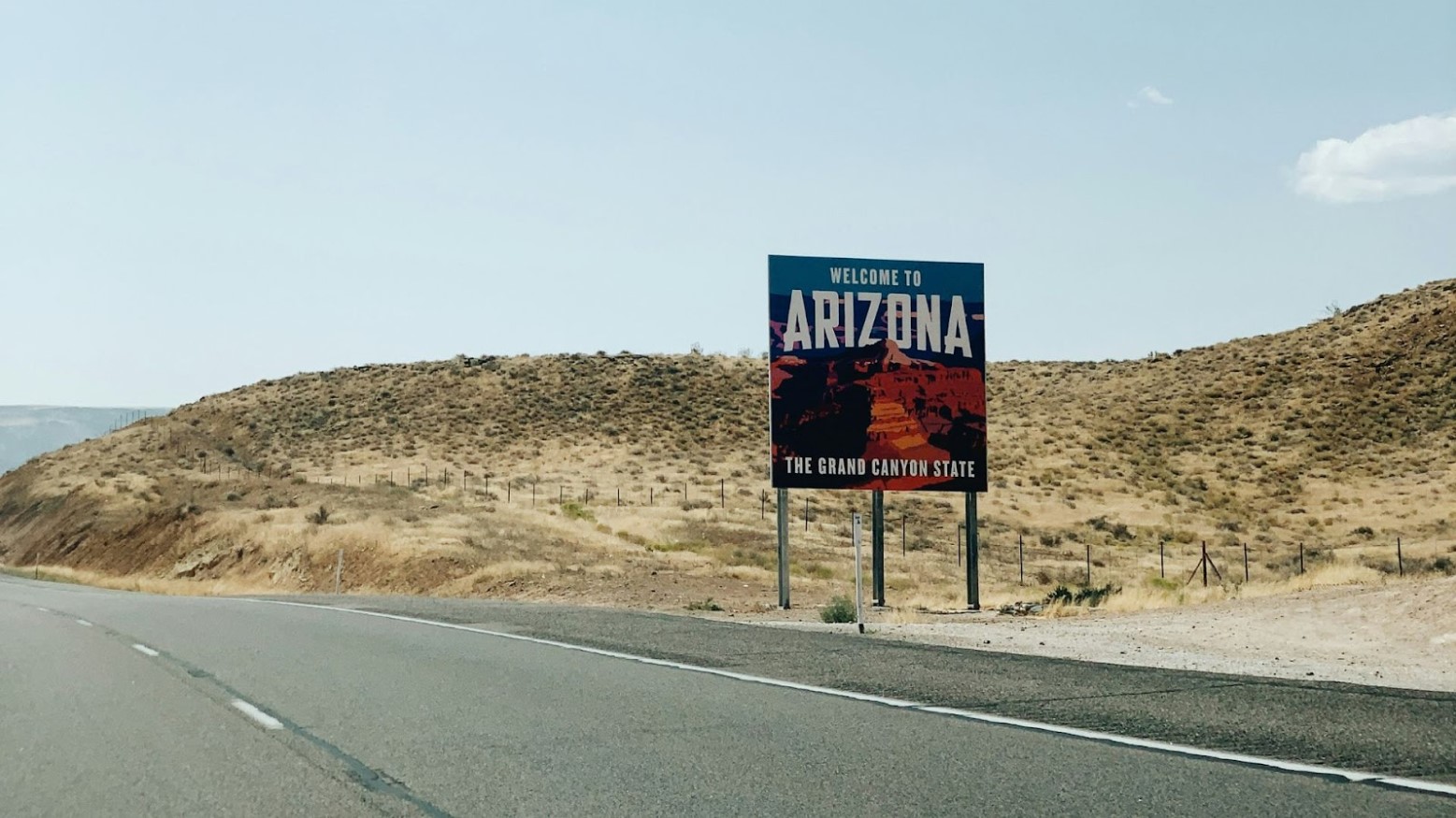
This law in Arizona also made it illegal for immigrants to not carry around their proper identification papers. They had to always have these papers on them.
Police also gained the power to arrest any undocumented immigrants, without any warrants, if they felt that they had enough probable cause that the person committed a crime. This could then lead to deportation.
A Supreme Court Battle
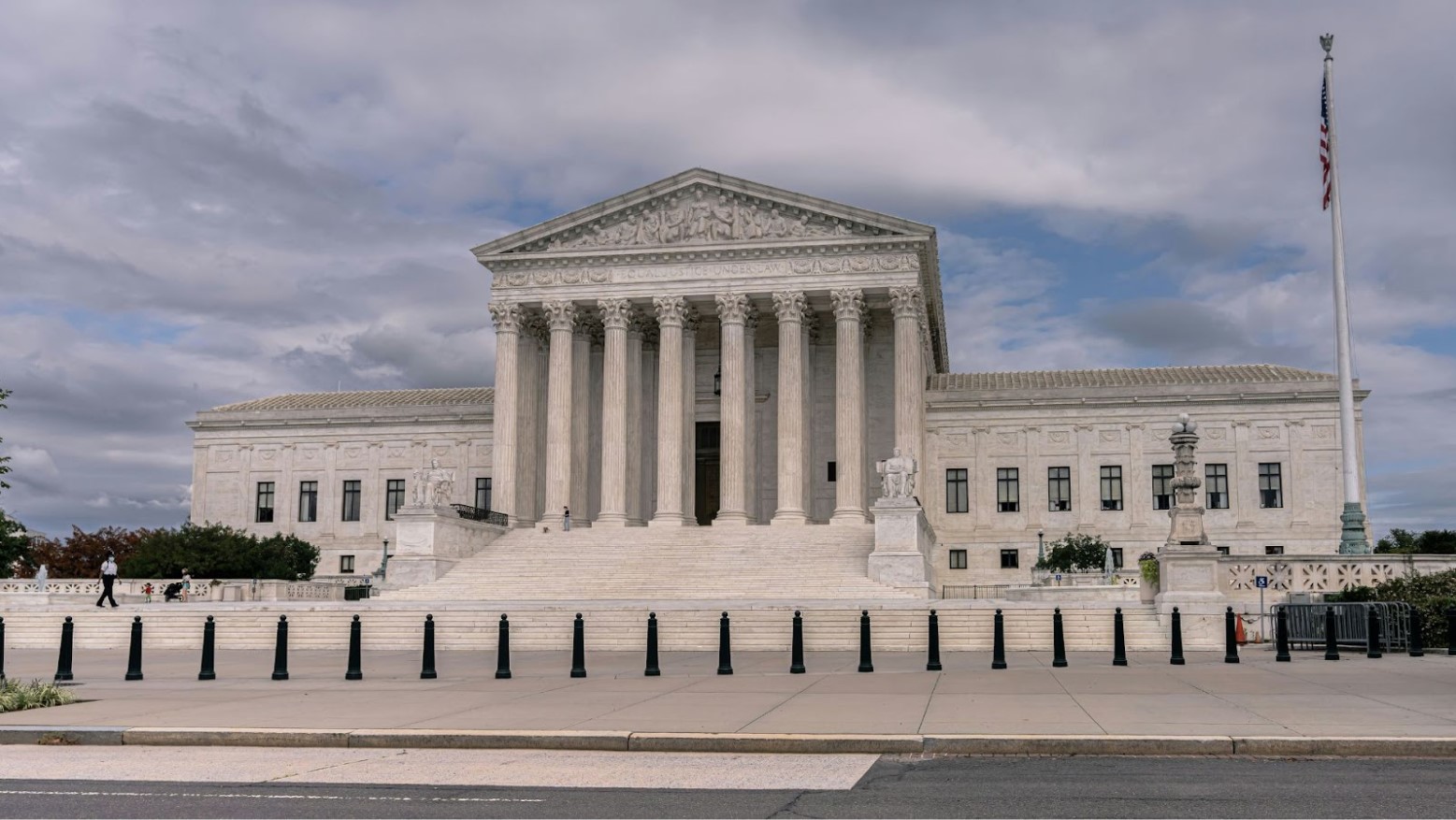
As Arizona was trying to use its state power to create policies on immigration, the federal government quickly took them to court. This eventually led to Arizona v. United States, the Supreme Court case in 2012.
The Supreme Court ruled that three major aspects of the law had to be taken away — but the “show me your papers” aspect could remain.
The Federal Government’s Power
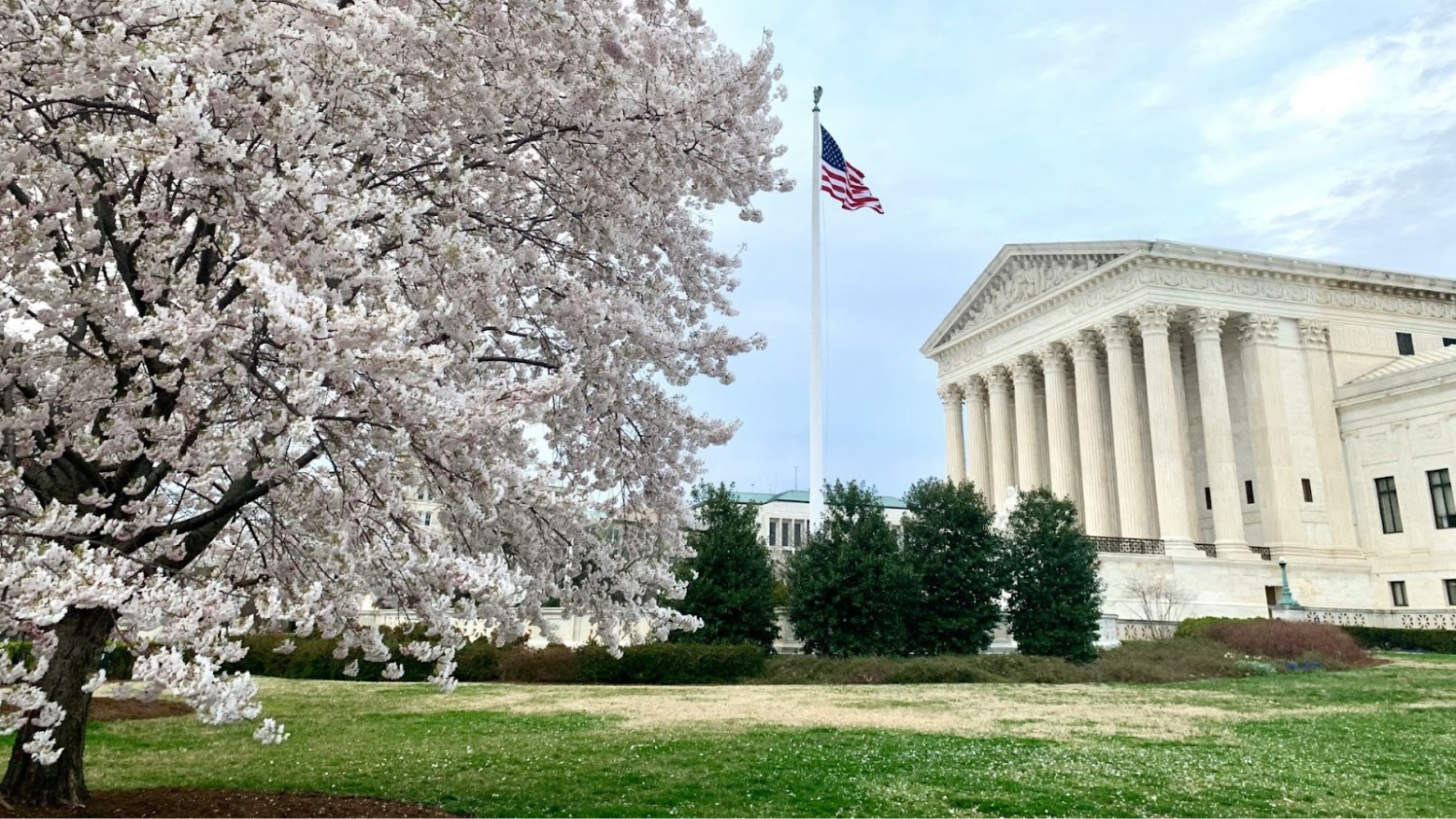
According to the justices at the time, the power to police immigration lies with the federal government. The state has no right to do something different than what the federal government is doing.
“The National Government has significant power to regulate immigration,” Justice Anthony Kennedy wrote. “Arizona may have understandable frustrations with the problems caused by illegal immigration while that process continues, but the State may not pursue policies that undermine federal law.”
Arizona and Texas Similarities
So far, how the Supreme Court ruled on this Arizona case has impacted how judges are ruling on Texas’ case. A huge aspect of this new Texas law deals with the state having the authority to police immigration — something that the Supreme Court ruled against.
Last month, when the court ruled against Texas, they leaned on the Supreme Court’s 2012 ruling for guidance. If this continues to happen, Texas will likely continue to appeal its decisions — all the way to the Supreme Court.
Another Look at Arizona’s Law

Many analysts have warned that, once this law gets back up to the Supreme Court, it will give the now conservative Court another chance to relook at their Arizona ruling.
Three justices who ruled on the 2012 case dissented in the Court’s findings. Of these three, two remain: Justices Samuel Alito and Clarence Thomas.
Texas Is Ready For the Supreme Court

From the get-go, Texas has seemingly been ready for this case to be taken all the way to the Supreme Court. Some analysts think that Texas has simply been waiting for the Court to completely overturn the precedent it created with the Arizona ruling.
“We think that Texas already has the constitutional authority to do this, but we also welcome a Supreme Court decision that would overturn the precedent set in the Arizona case,” Abbott said.