Test Your Knowledge of America's Famous War Heroes

In the last few centuries, the United States has seen many great war heroes come and go. From the American Revolutionary War to World War II, these men and women have changed the course of history through their bravery, intelligence, and courage.
Do you believe you know all there is to know about legendary American war heroes? Test your own knowledge of America’s greatest war heroes with this quiz.
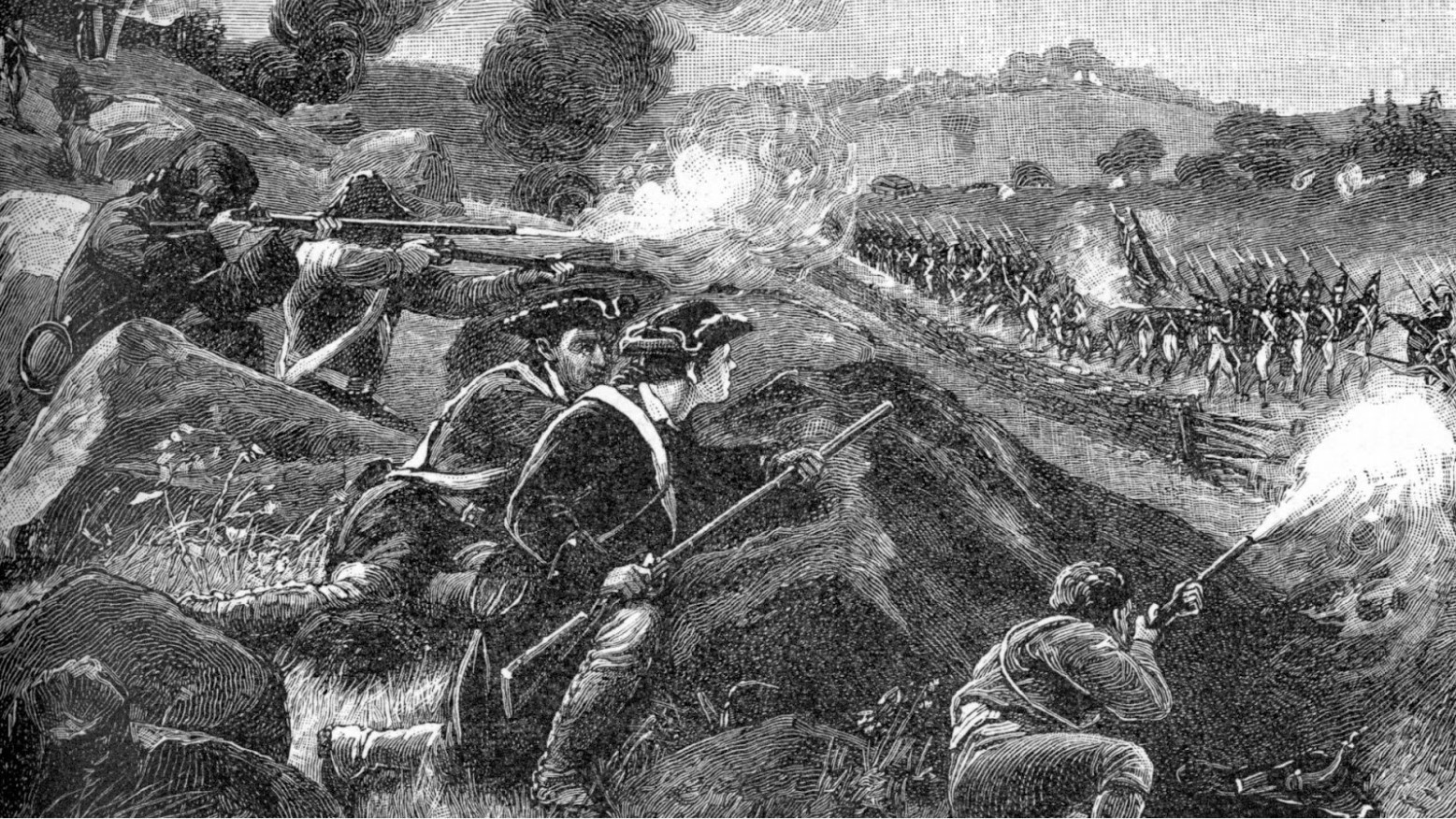
Before the Battles of Lexington and Concord, which began the American Revolutionary War, who rode by horse to warn American Minutemen that the British forces were approaching “by sea”?
- A) Charles Lee
- B) John Hancock
- C) William Dawes
- D) Paul Revere
Answer:
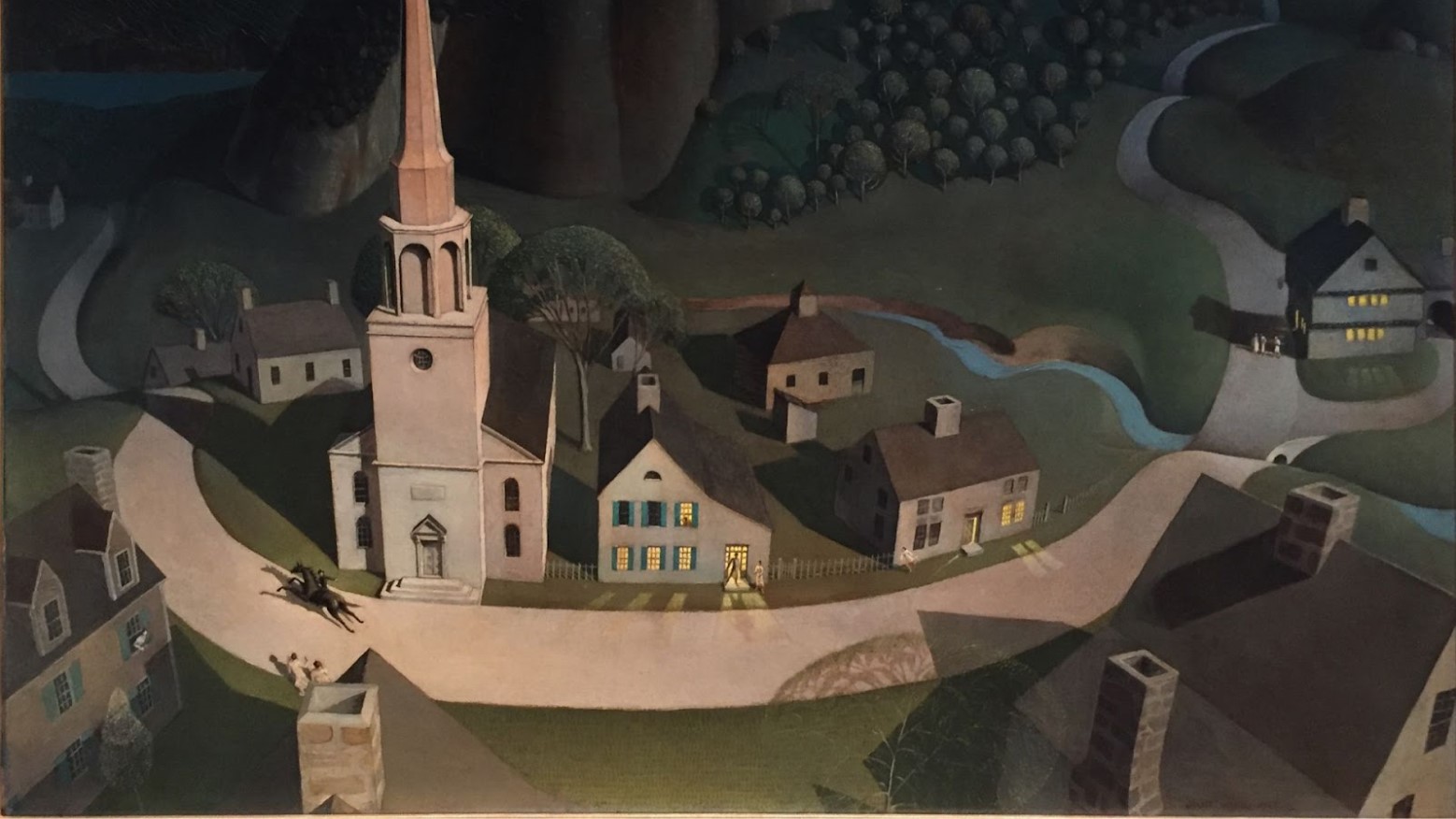
Paul Revere
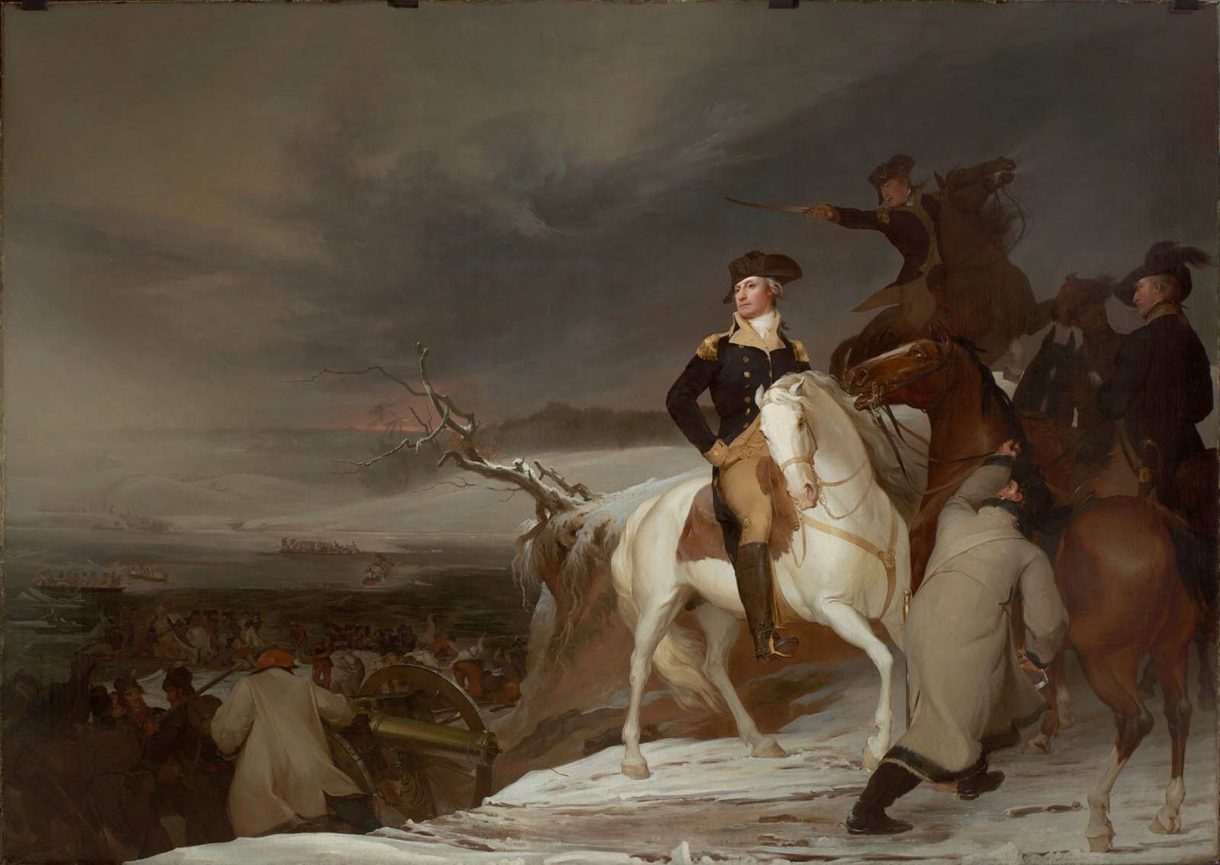
This general is best known for his work in the Revolutionary War. However, he got his start during the French and Indian War, where he first commanded troops. Who is this American war hero?
- A) Thomas Jefferson
- B) Benjamin Franklin
- C) Alexander Hamilton
- D) George Washington
Answer:
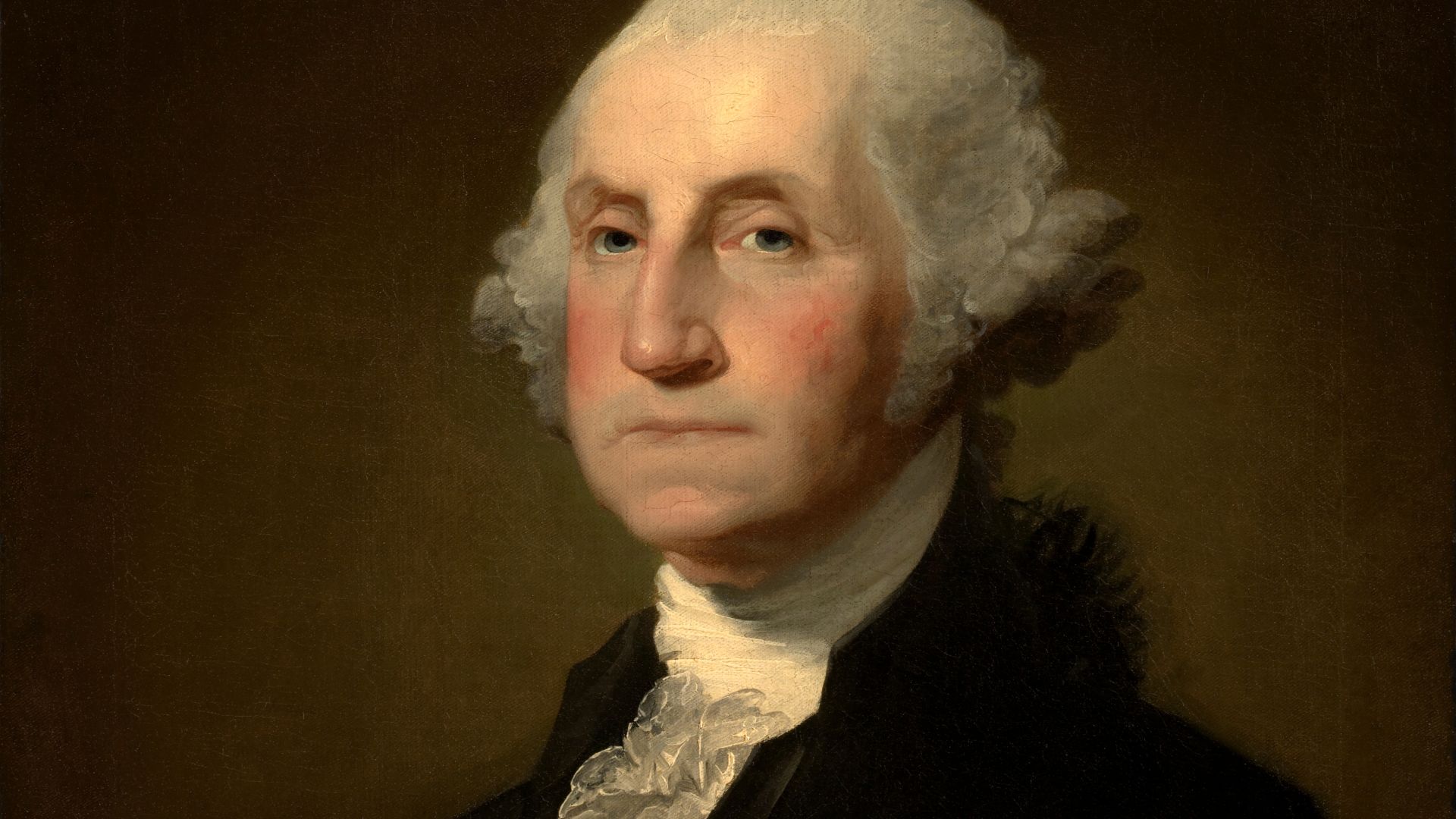
George Washington
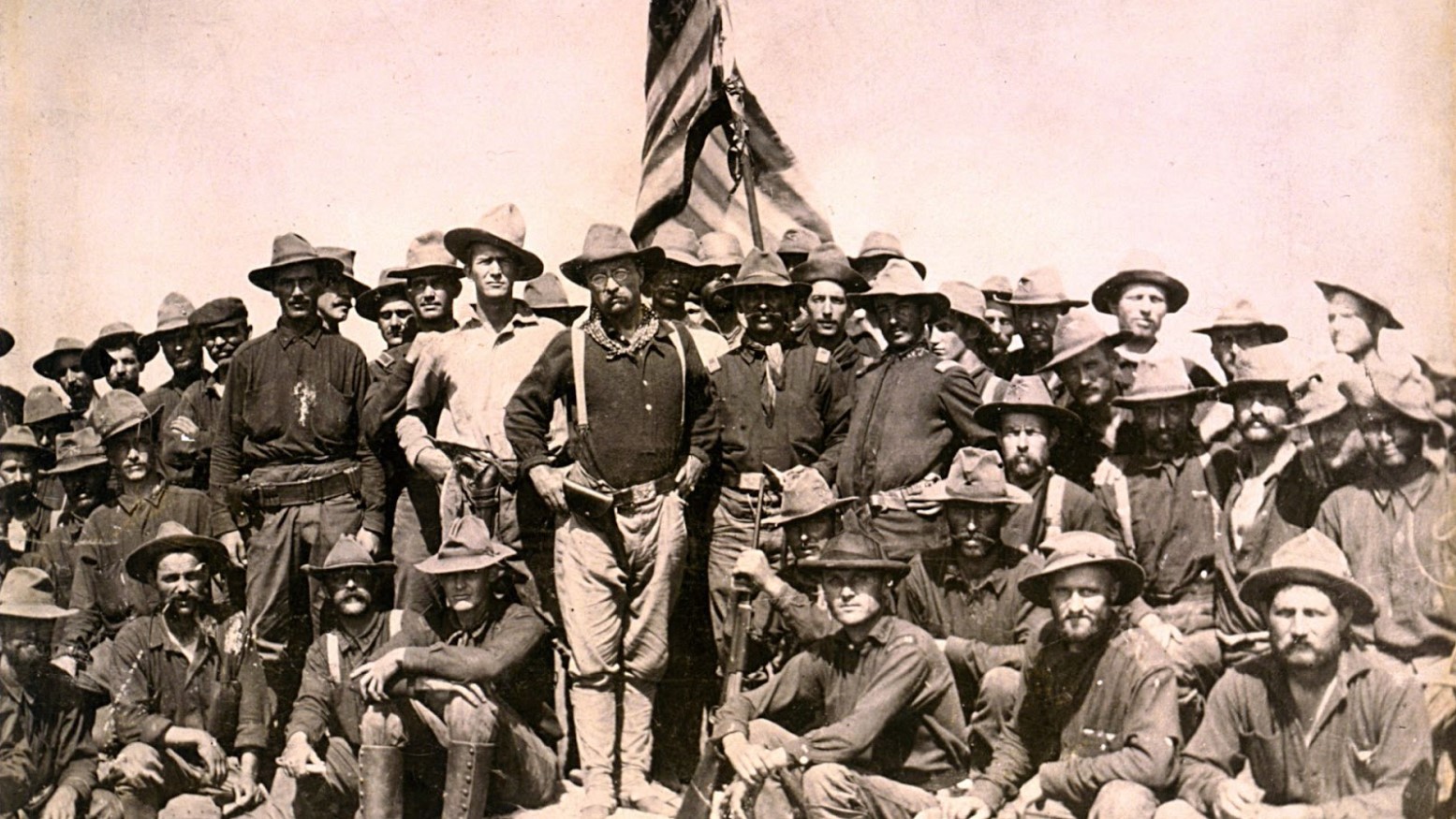
Which future United States president was one of the leaders of the Rough Riders, an all-volunteer U.S. Army unit, during the Spanish-American War?
- A) Thomas Jefferson
- B) Franklin D. Roosevelt
- C) Teddy Roosevelt
- D) William McKinley
Answer:
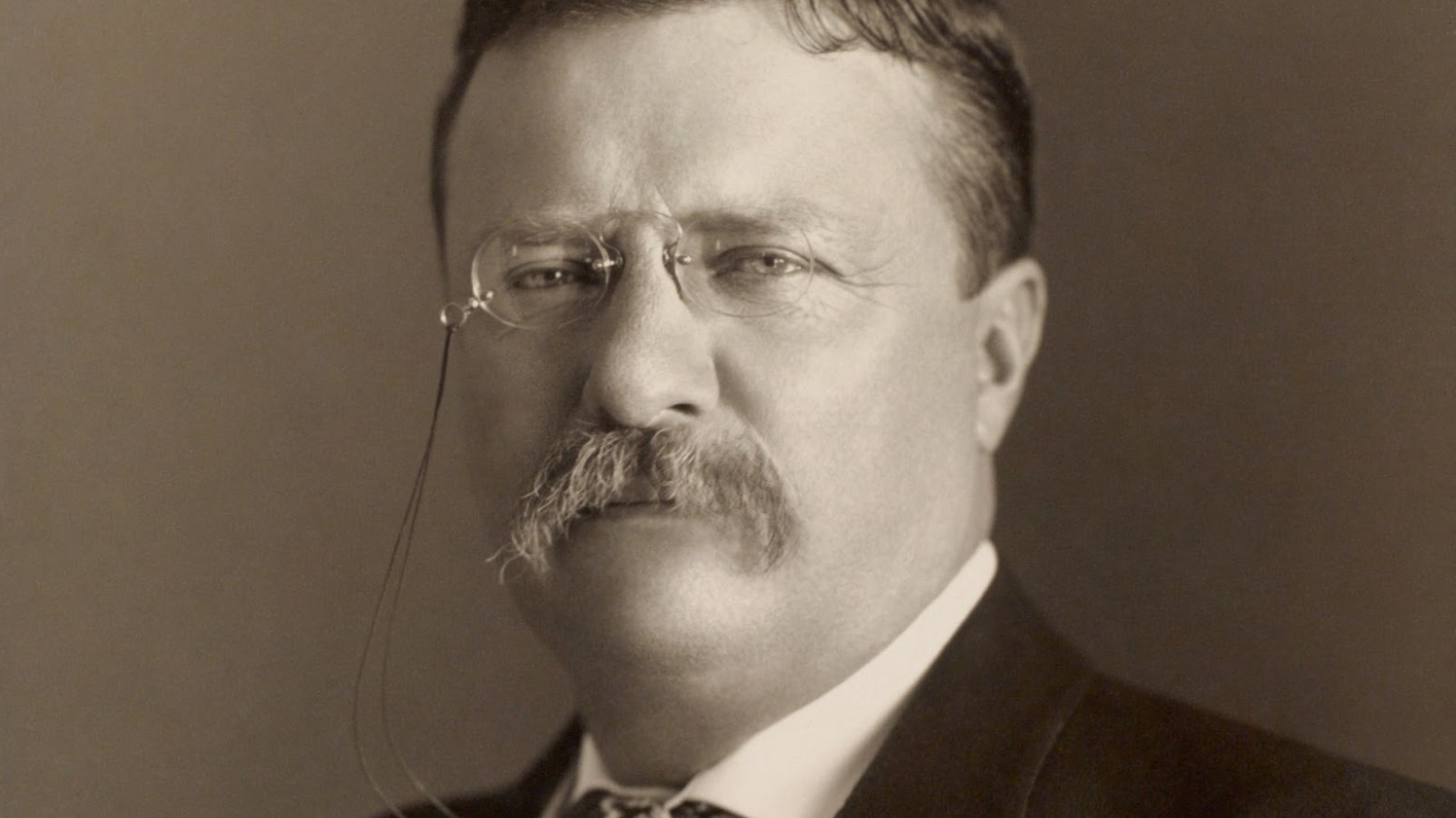
Teddy Roosevelt
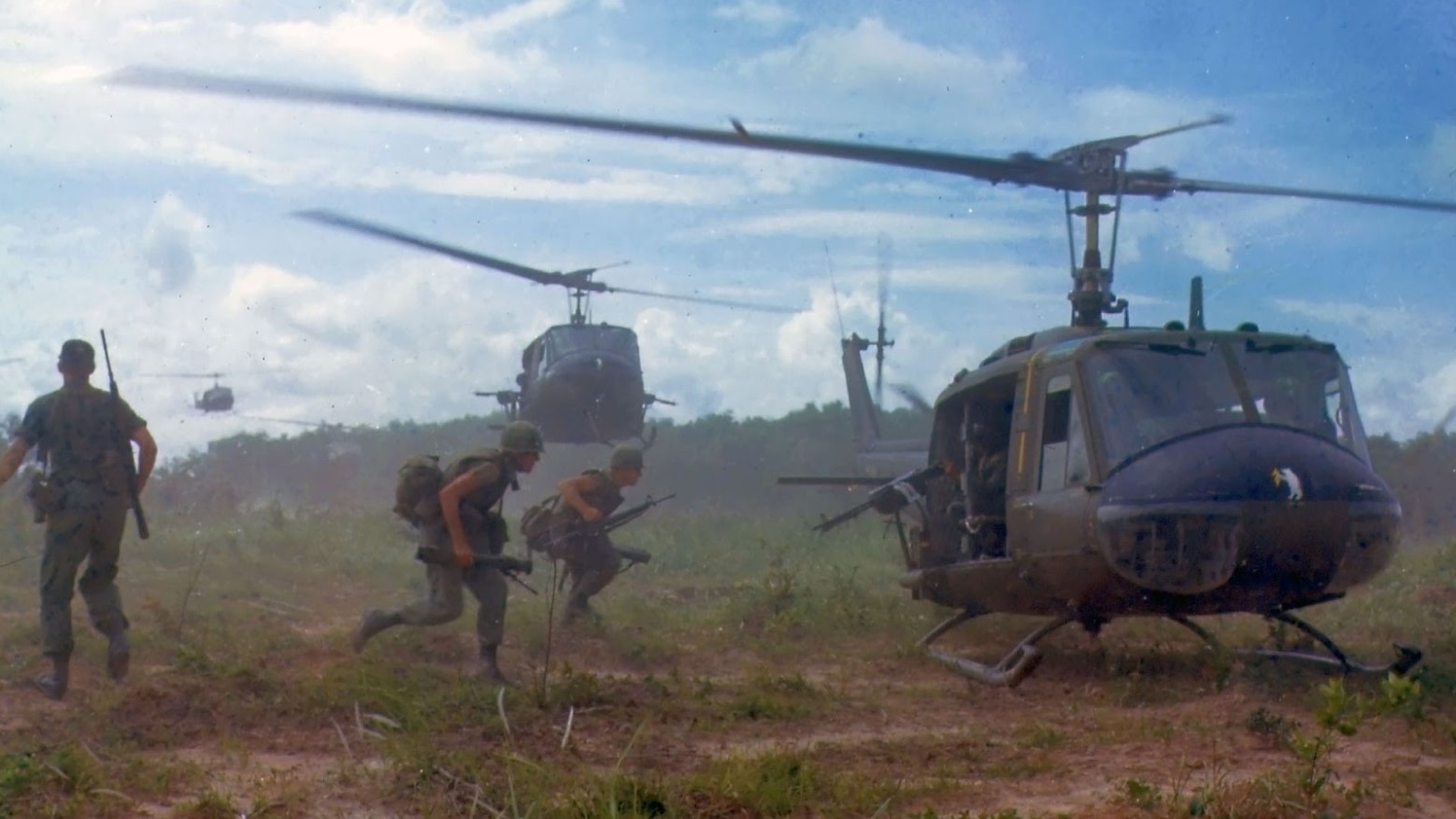
During the Vietnam War, which U.S. Senator was shot down and captured by the North Vietnamese, becoming a POW and enduring torture before he was released?
- A) Mitt Romney
- B) John McCain
- C) George W. Bush
- D) Beau Biden
Answer:
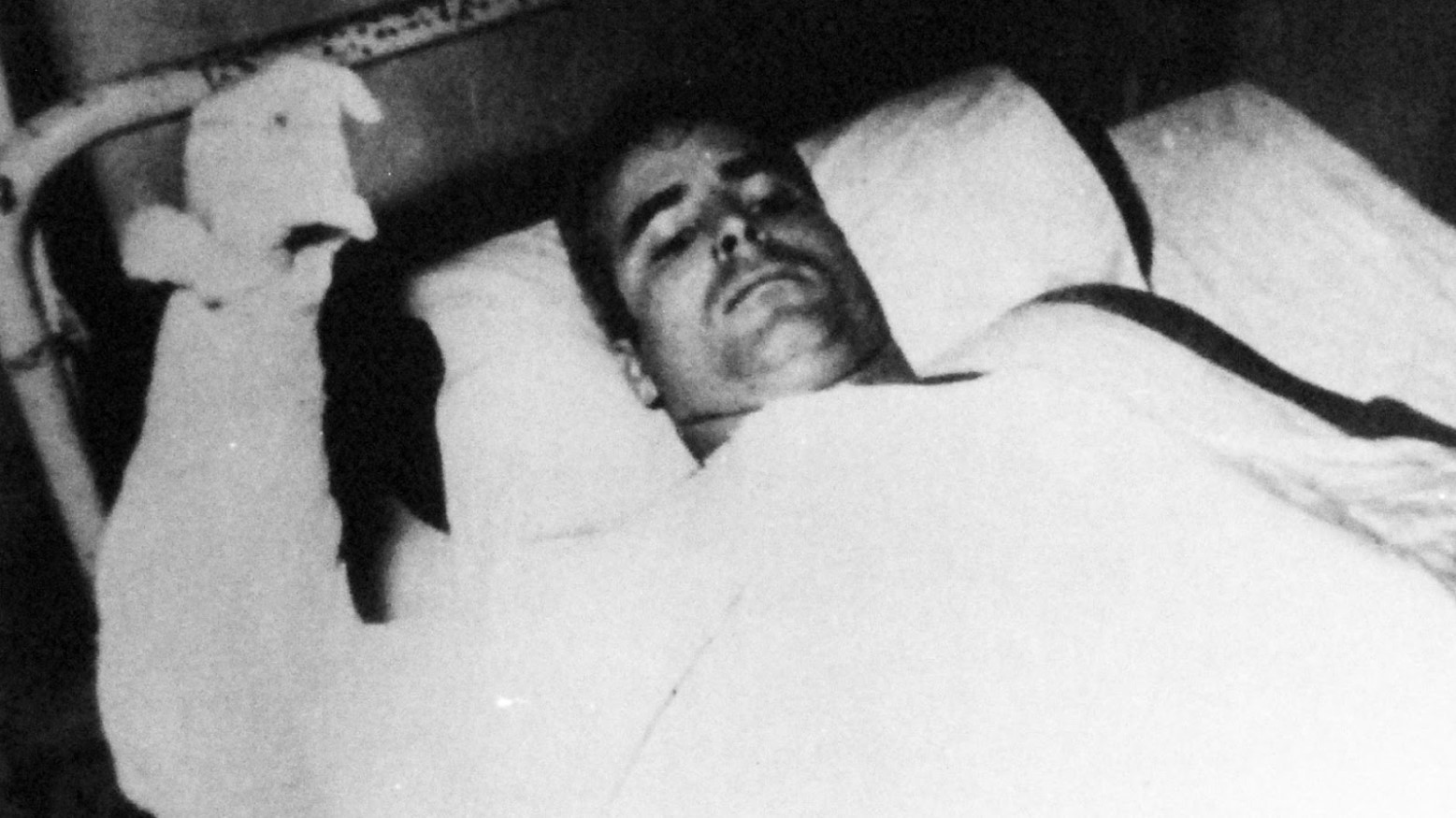
John McCain
During the Civil War, Union Admiral David Farragut was attacking Mobile, Alabama when he was warned that the area was full of mines, which were then called torpedoes. What was the admiral’s response to this warning?
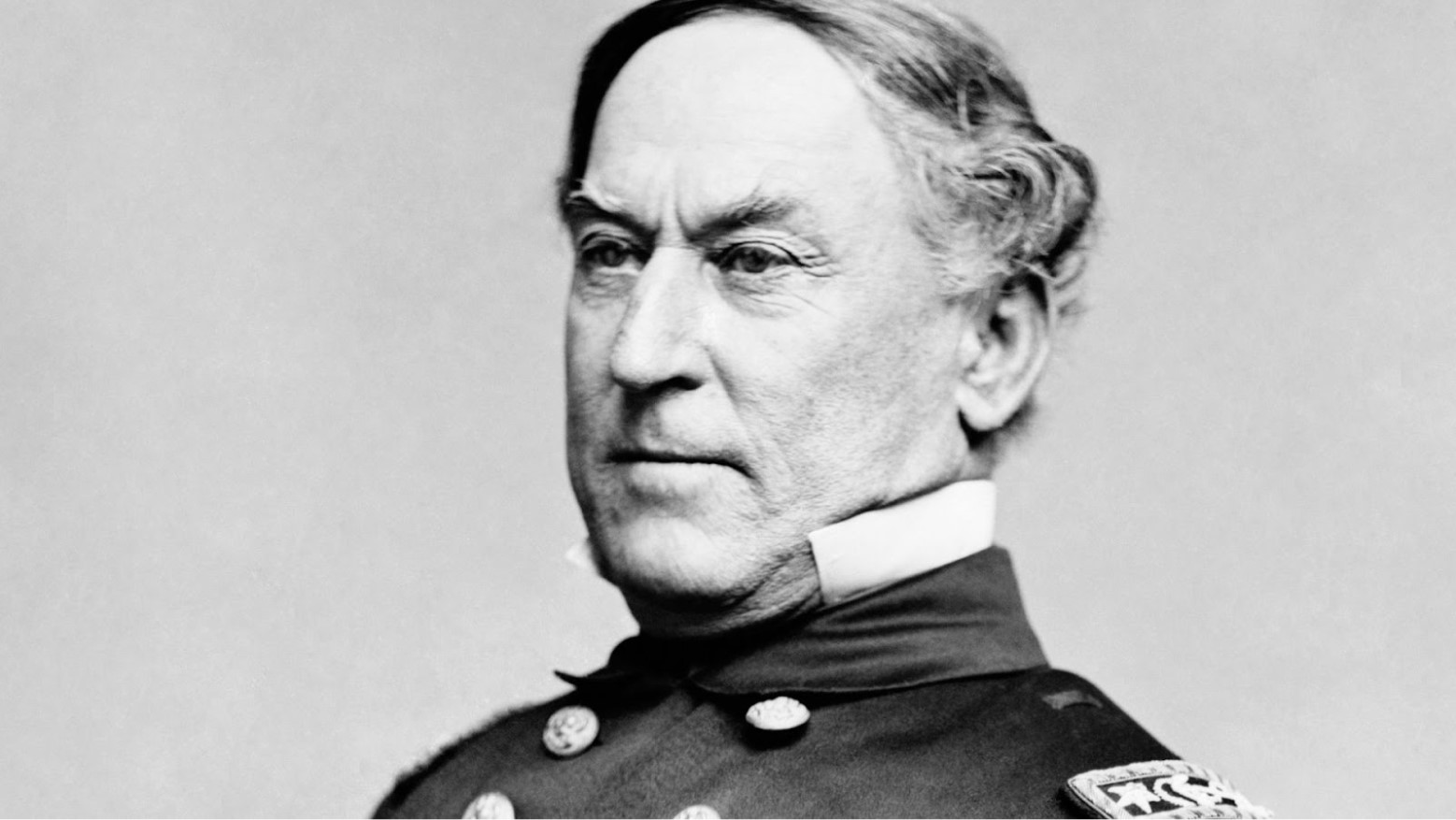
- A) Damn the torpedoes! Full speed ahead!
- B) Damn the torpedoes! Find another way around!
- C) Damn the torpedoes! Attack by land!
- D) Damn the torpedoes! We’ll go through them!
Answer:
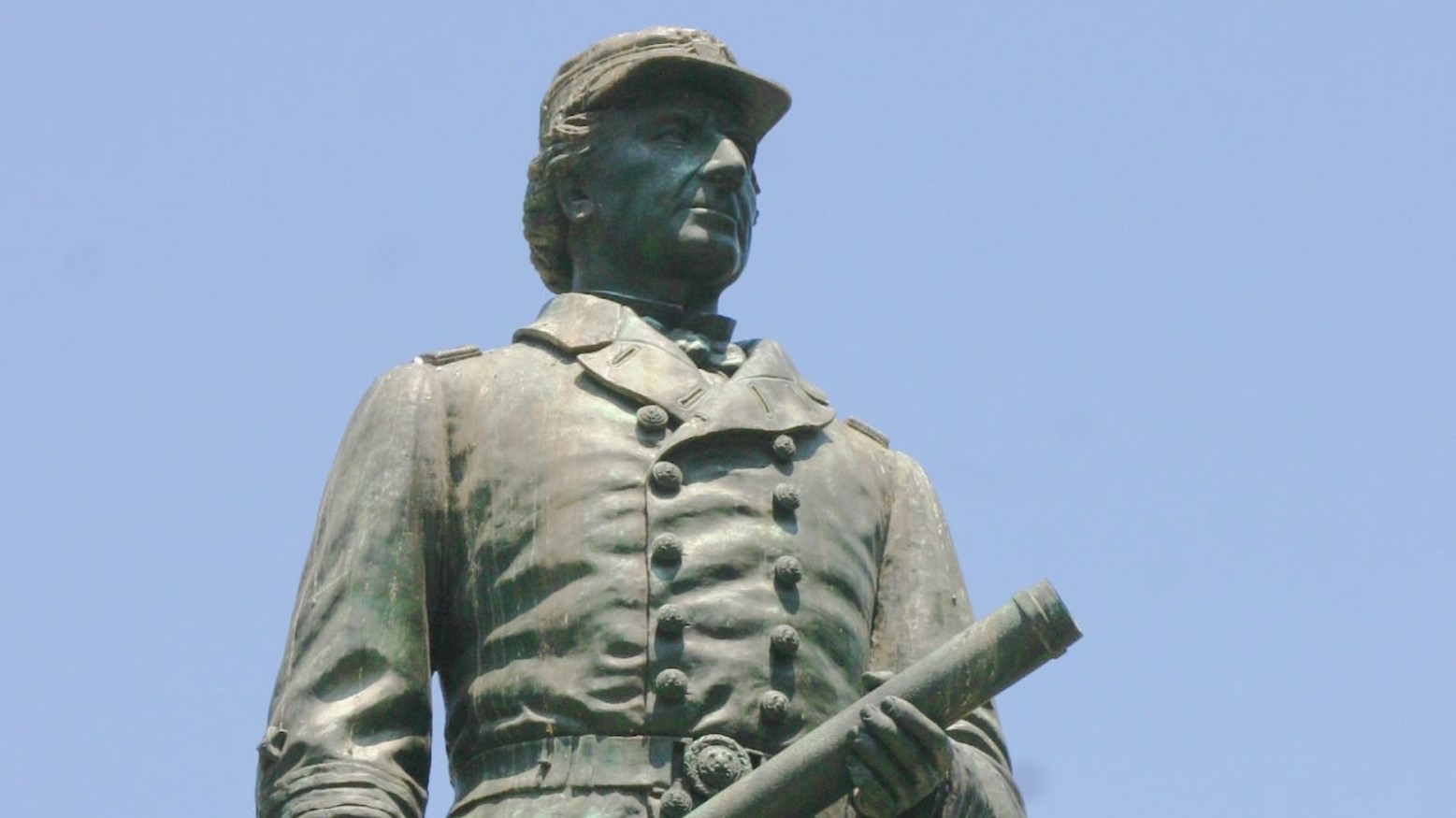
Damn the torpedoes! Full speed ahead!
What famous quote is said to be the last words of James Lawrence, the captain of the USS Chesapeake, after he was mortally wounded during the War of 1812?
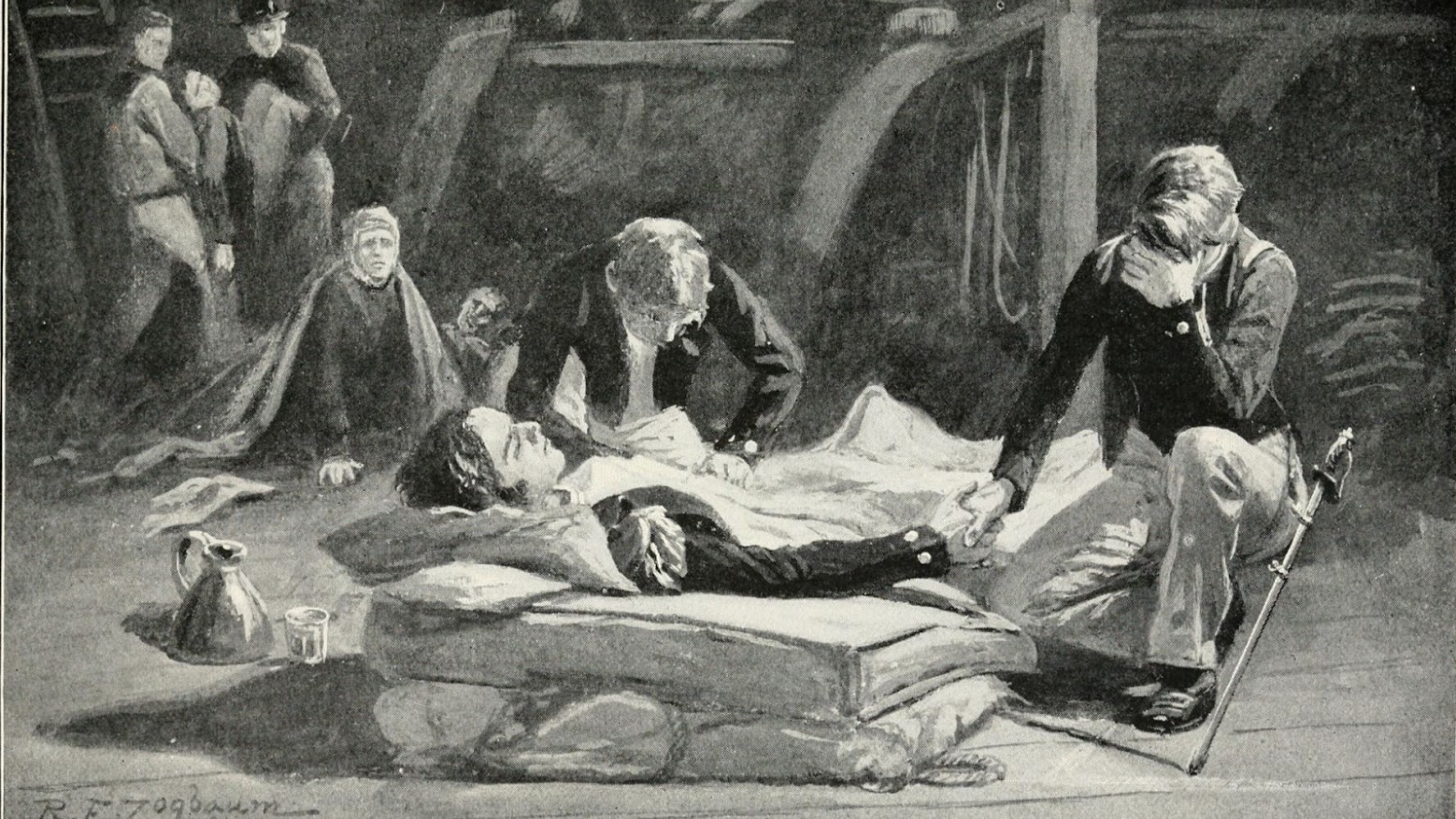
- A) I have no doubt but we shall succeed in this great struggle for national rights and independence.
- B) It’s a trap!
- C) We have met the enemy and they are ours.
- D) Don’t give up the ship!
Answer:
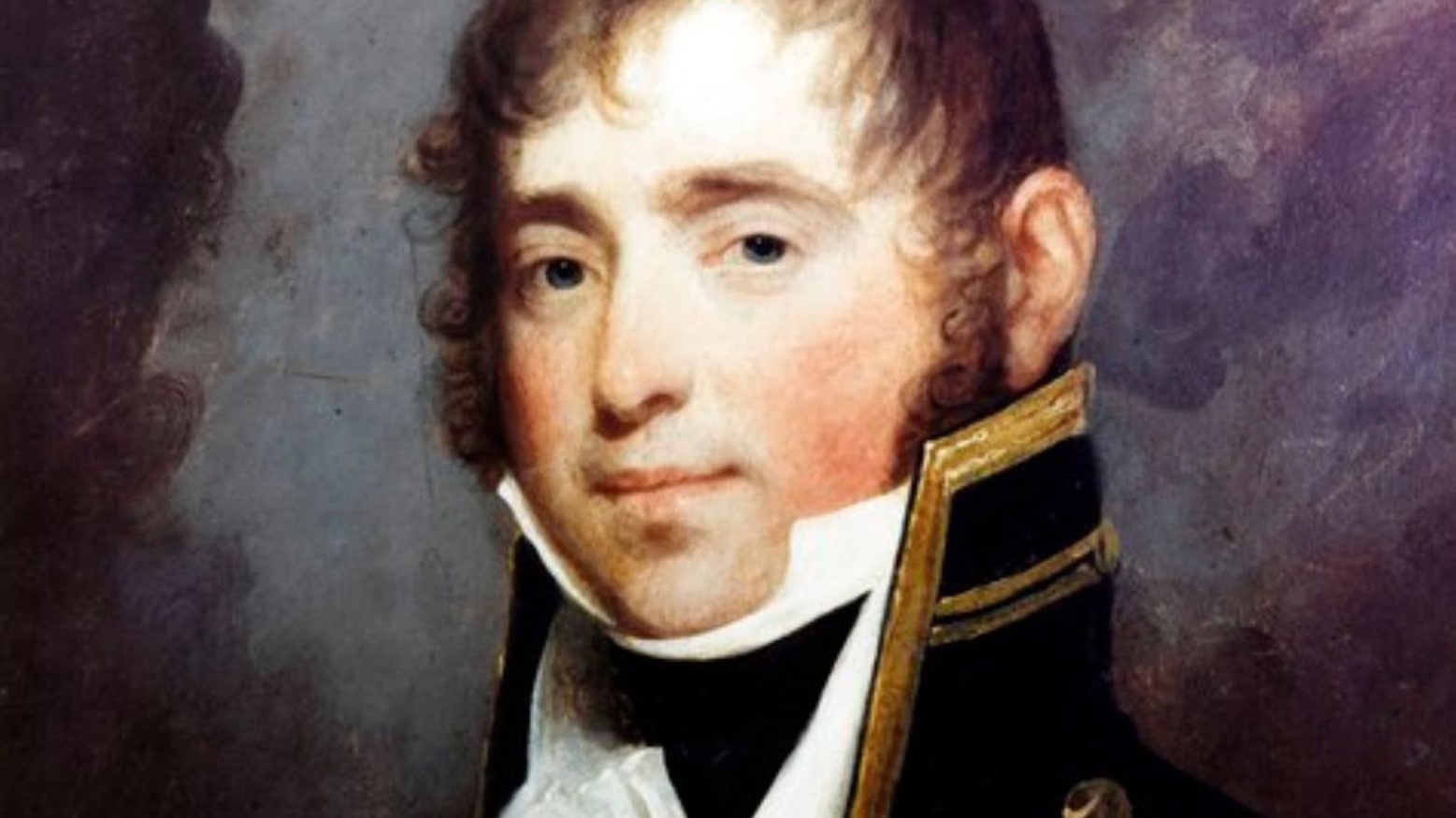
Don’t give up the ship!
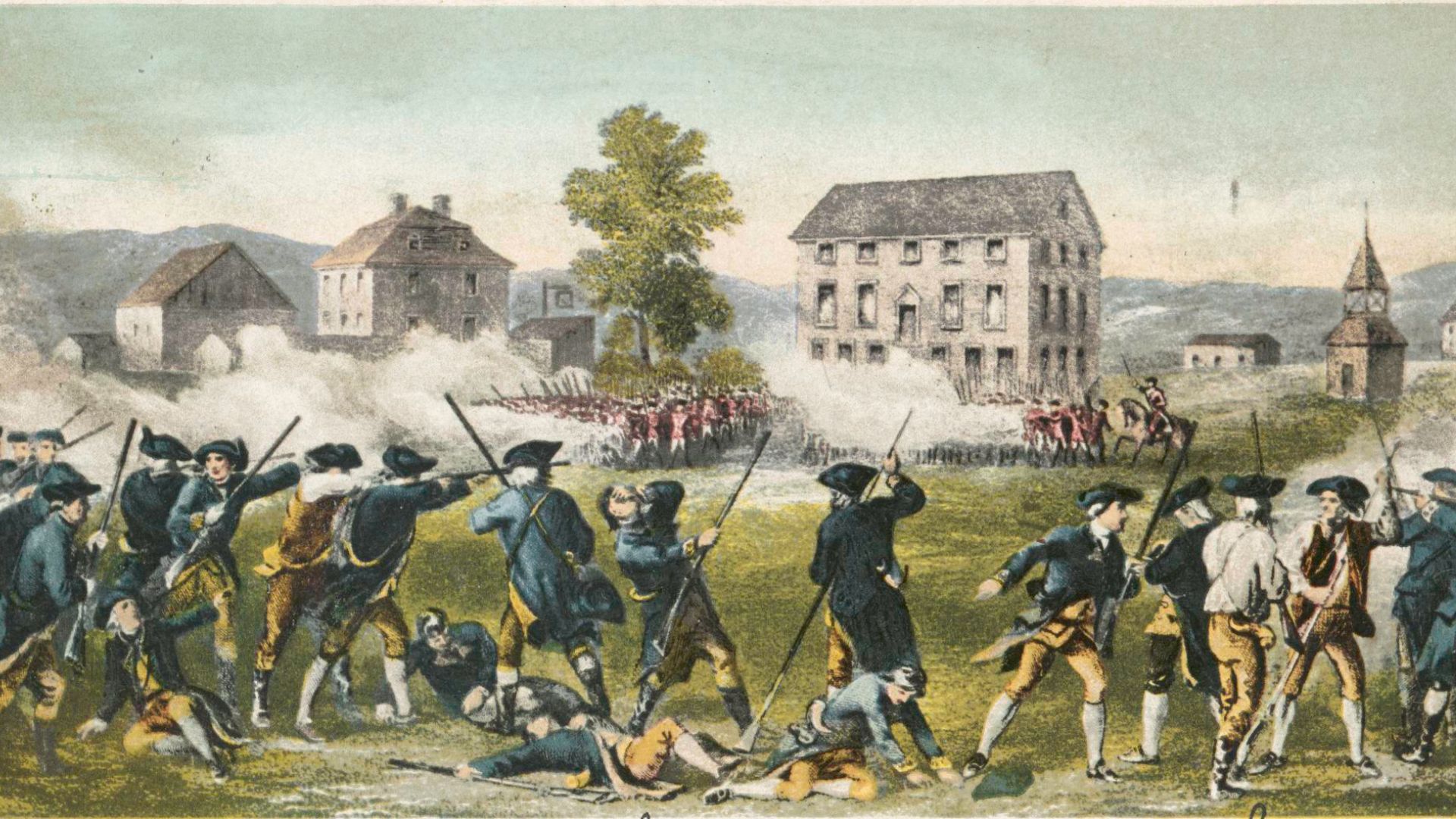
This French aristocrat greatly helped the American rebels during the Revolutionary War — even though he wasn’t American. Who was he?
- A) Charles De Gaulle
- B) John Laurens
- C) Marquis De Lafayette
- D) Alexander Hamilton
Answer:
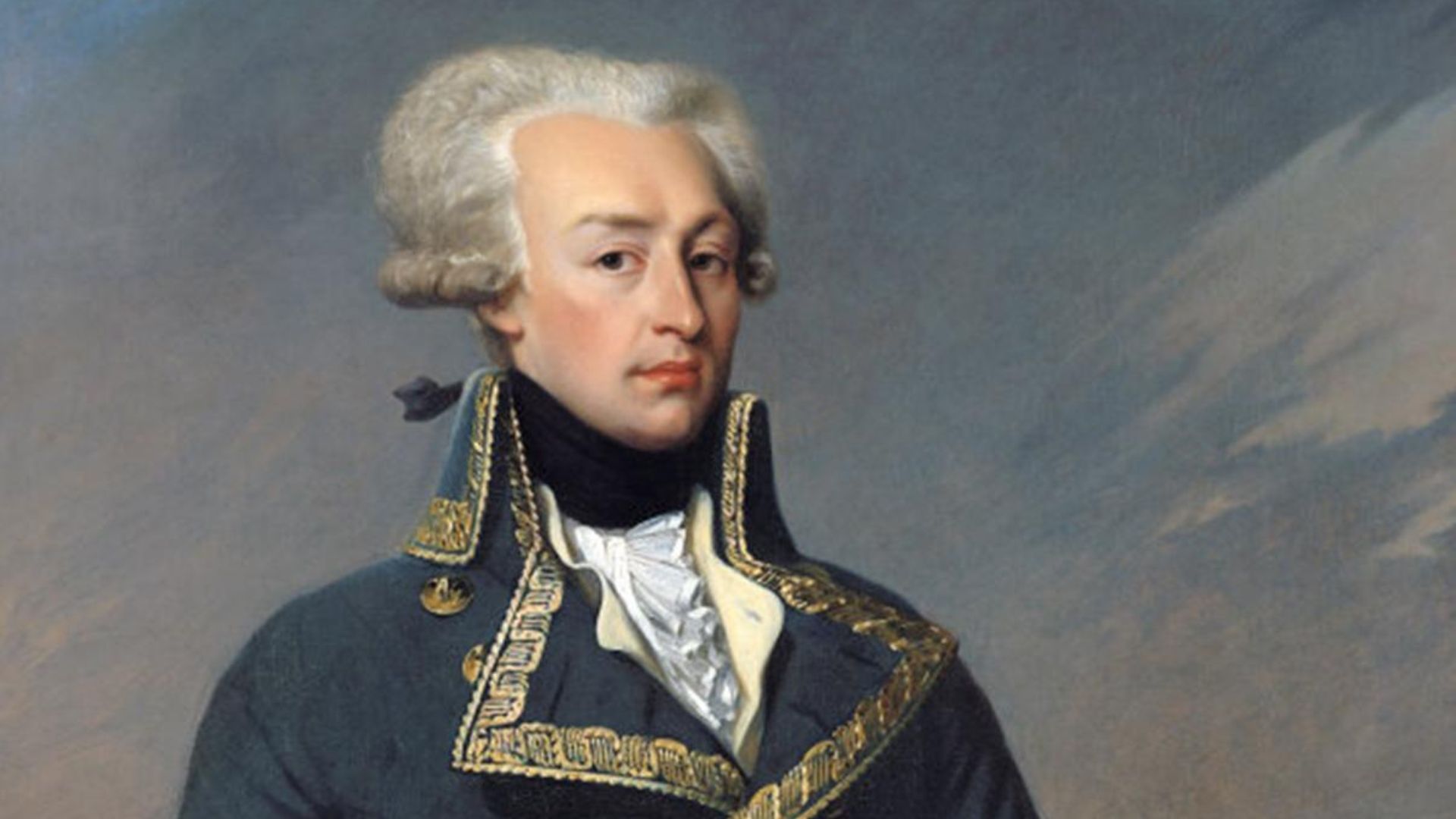
Marquis De Lafayette
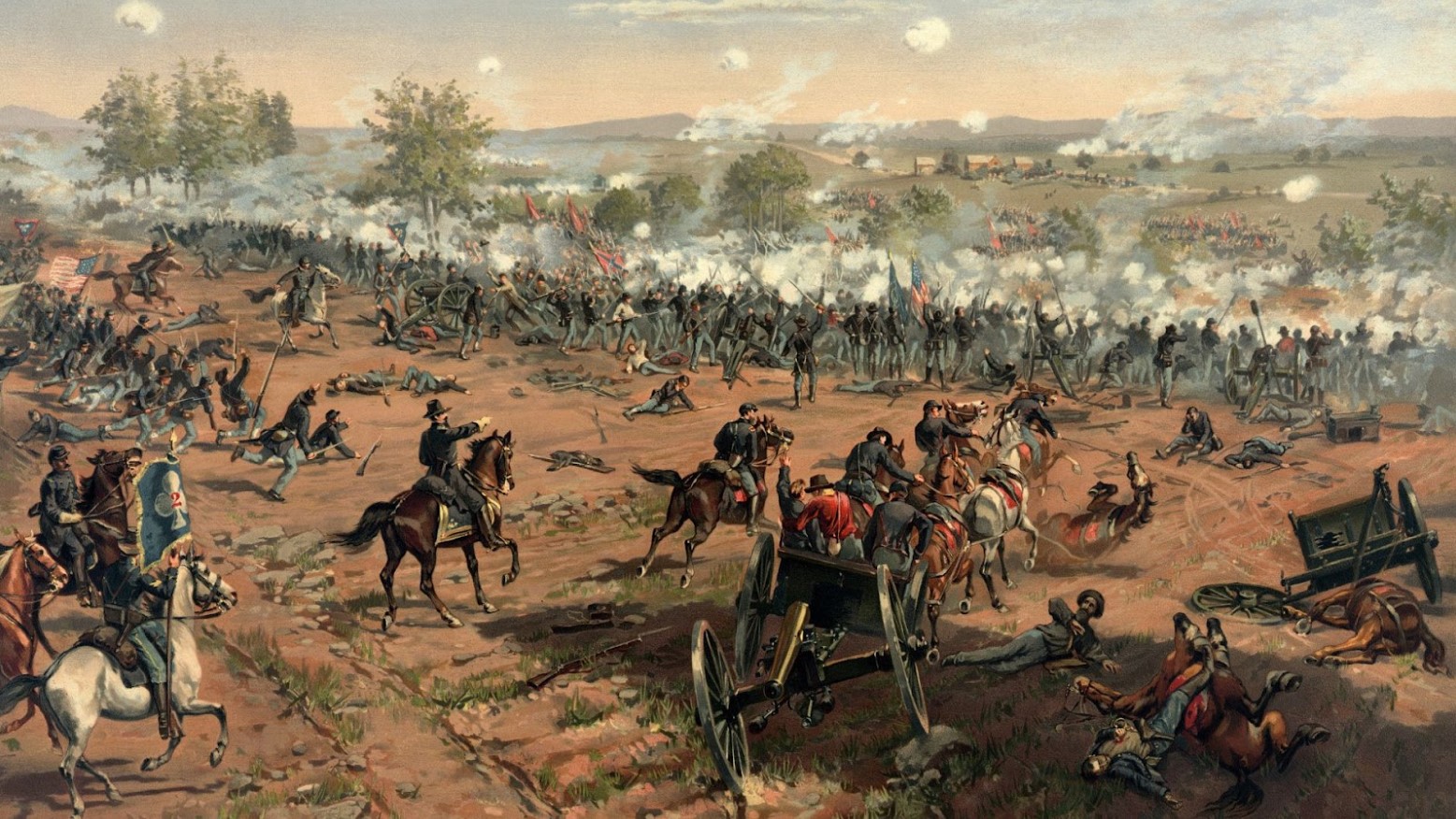
The Battle of Gettysburg in the Civil War saw Lieutenant Colonel Joshua Chamberlain, commander of the 20th Maine regiment, run out of ammo. What did Chamberlain and his regiment do to try to throw back the Confederates?
- A) Conduct a sneak attack
- B) Try to halt the battle
- C) Stop for the day, to resume tomorrow
- D) A bayonet charge
Answer:
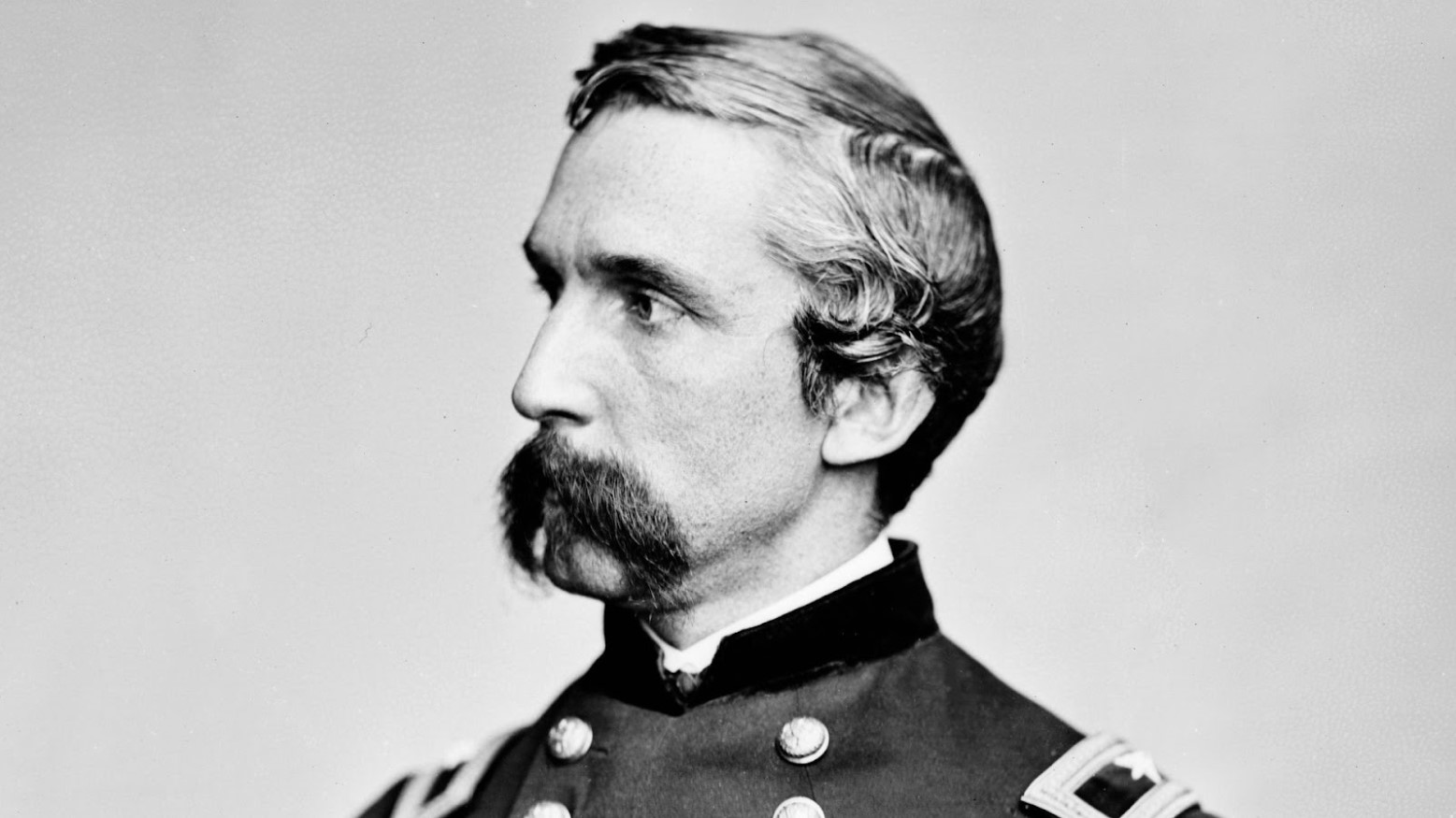
A bayonet charge
Texas rebels gained their independence from Mexico in 1836. Who was the Texas leader from this time who later served as the President of Texas and a U.S. Senator?
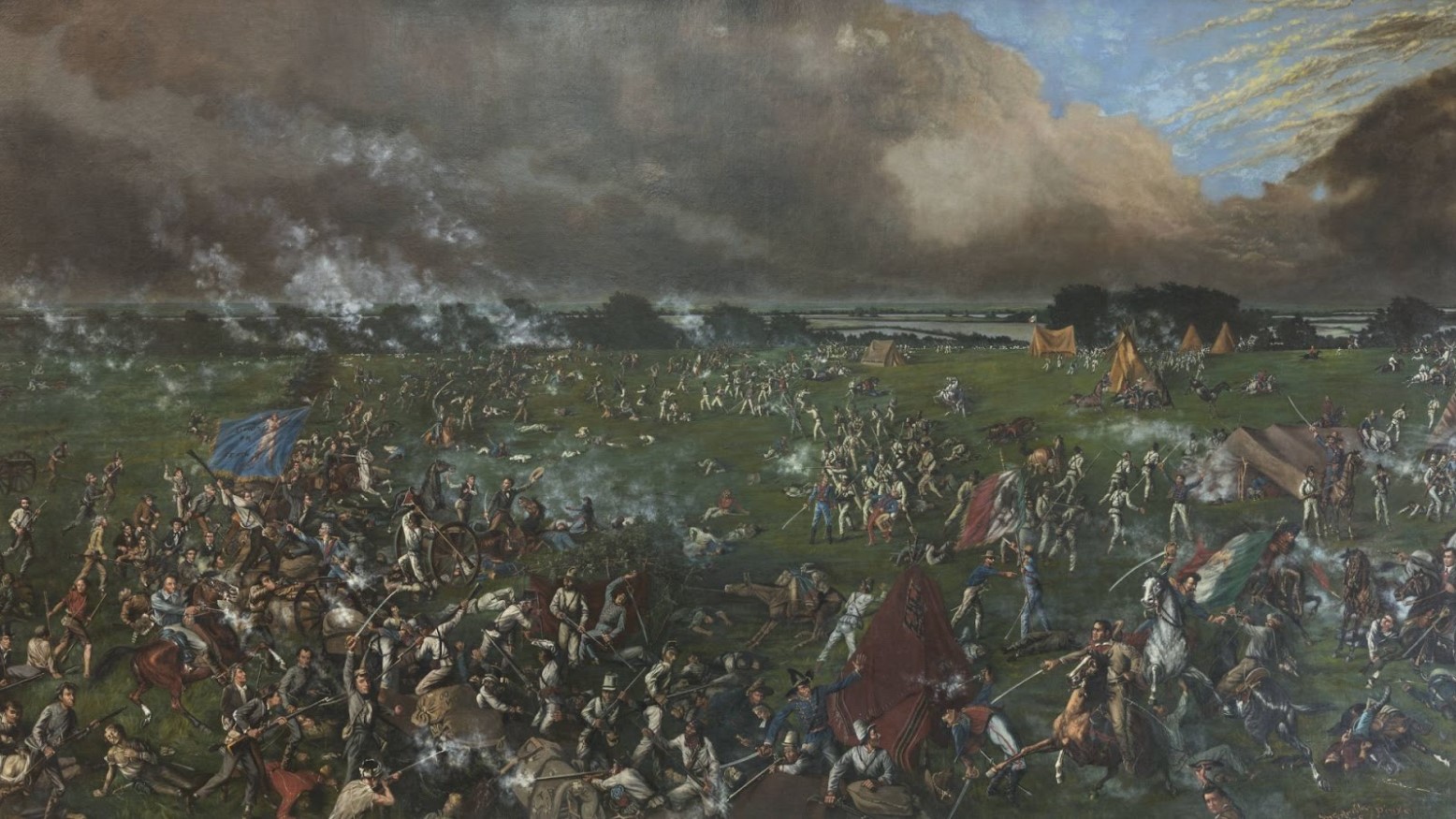
- A) Andrew Jackson
- B) Sam Houston
- C) David Crockett
- D) James Knox Polk
Answer:
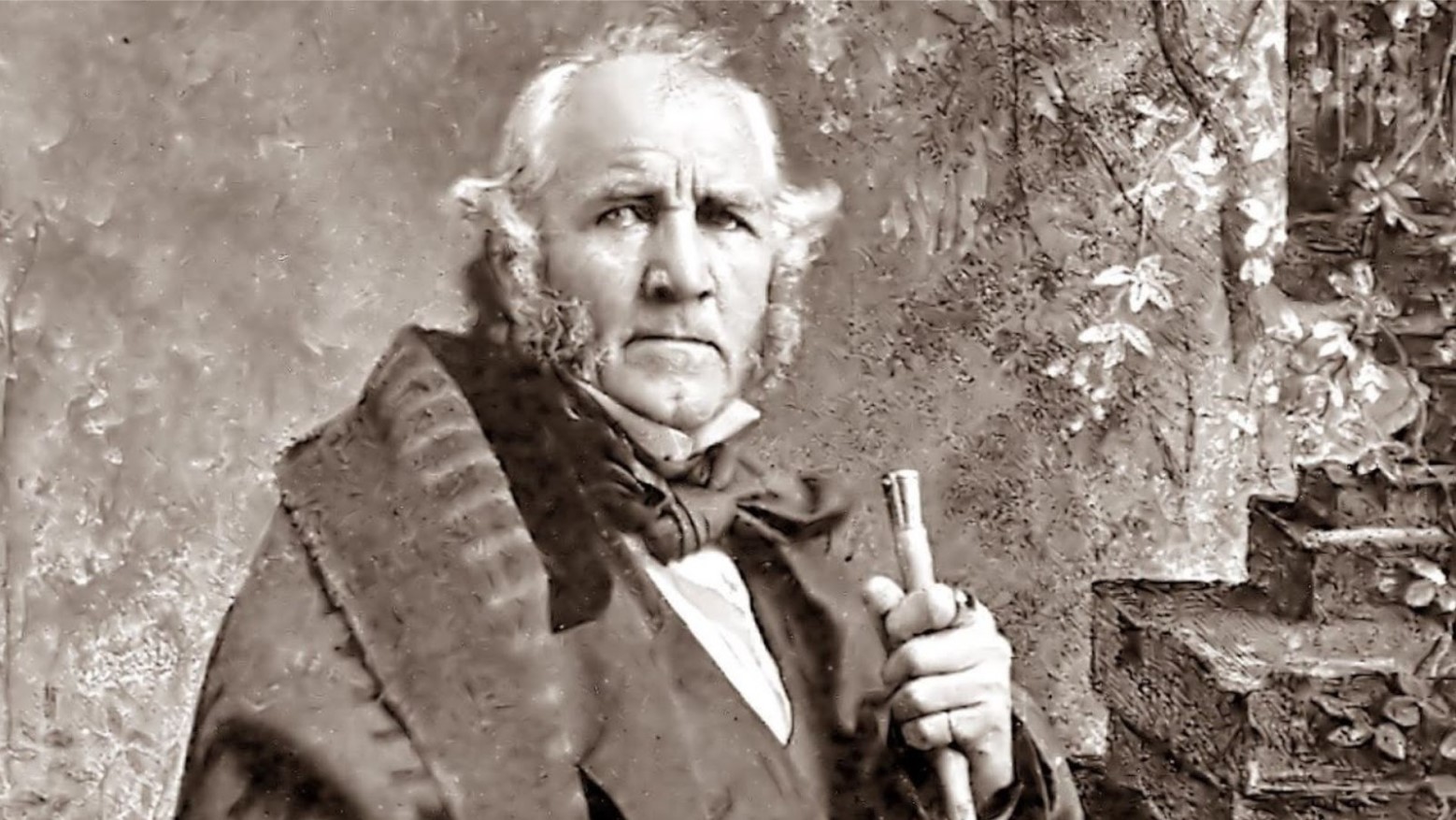
Sam Houston
During World War II, the 101st Airborne Division became trapped behind enemy lines during the Battle of the Bulge. When the Germans requested their surrender, what did Brig. Gen. Anthony McAuliffe say in response?
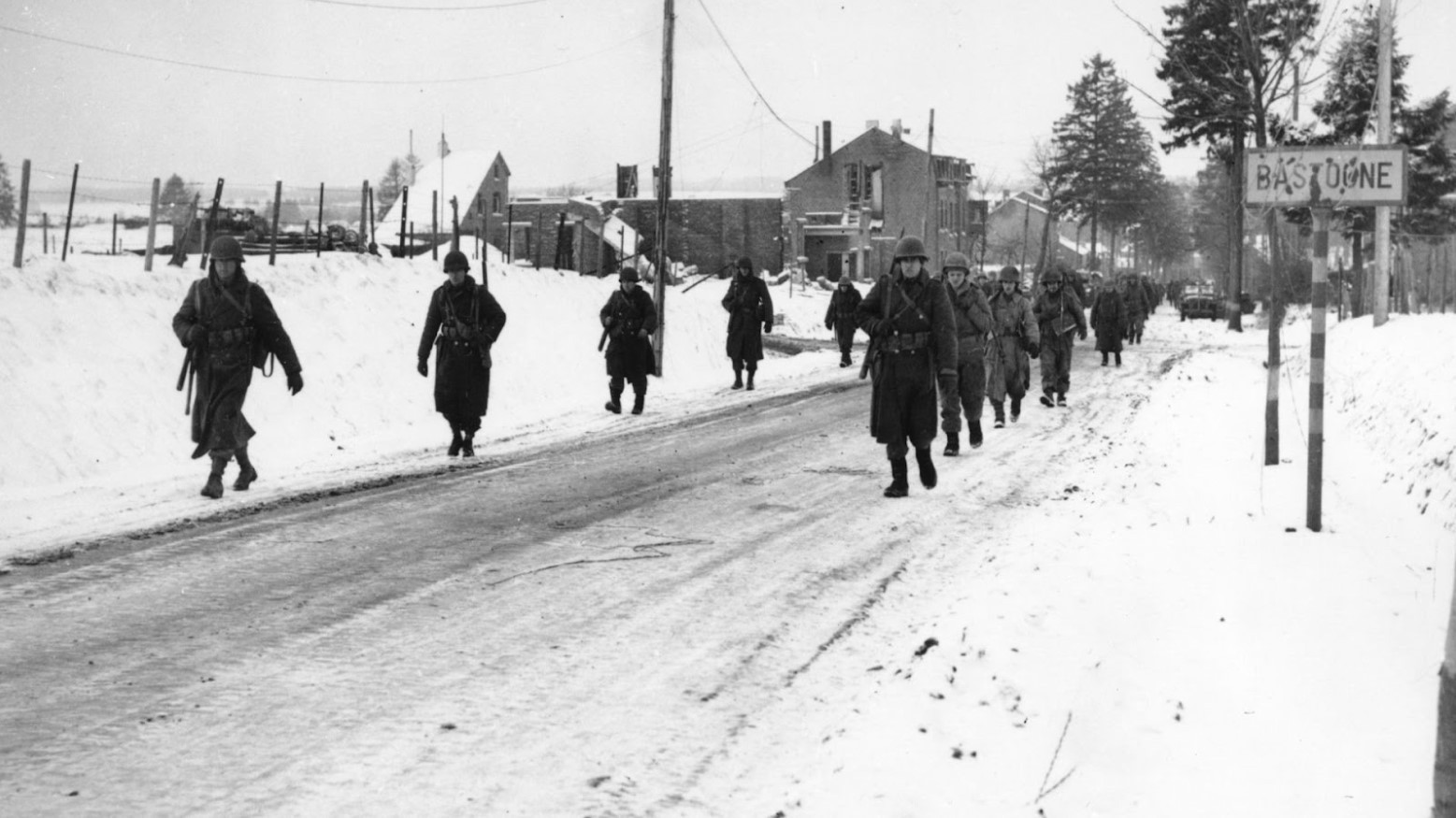
- A) Surrender? Attack!
- B) Over my dead body.
- C) You’d like us to surrender, wouldn’t you?
- D) Nuts!
Answer:
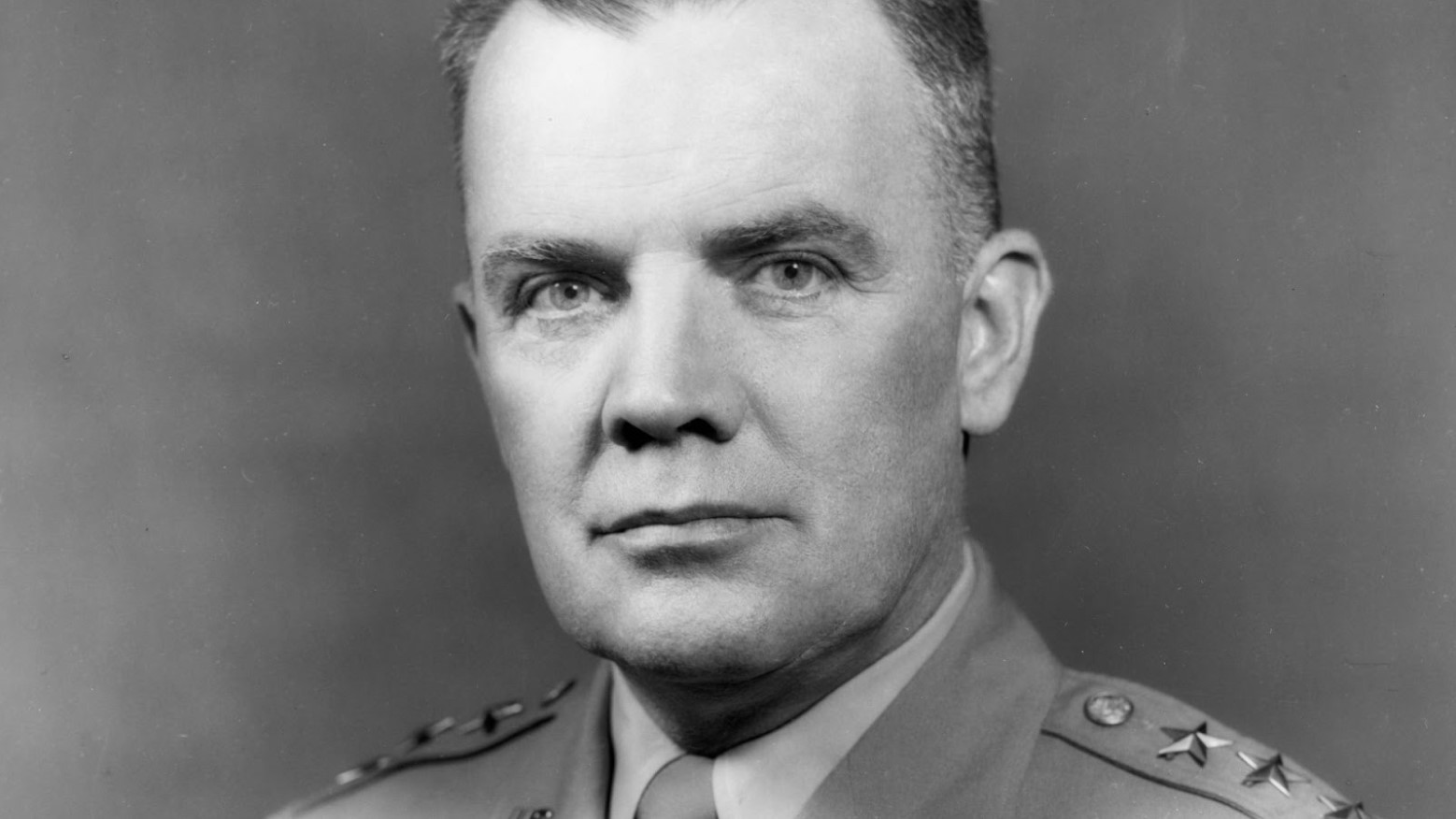
Nuts!
In World War II, a future famous Hollywood actor managed to stop a German advance in 1945 all by himself. To do this, he climbed atop an impaired tank destroyer while using a .50 caliber machine gun. Who was this Medal of Honor hero?
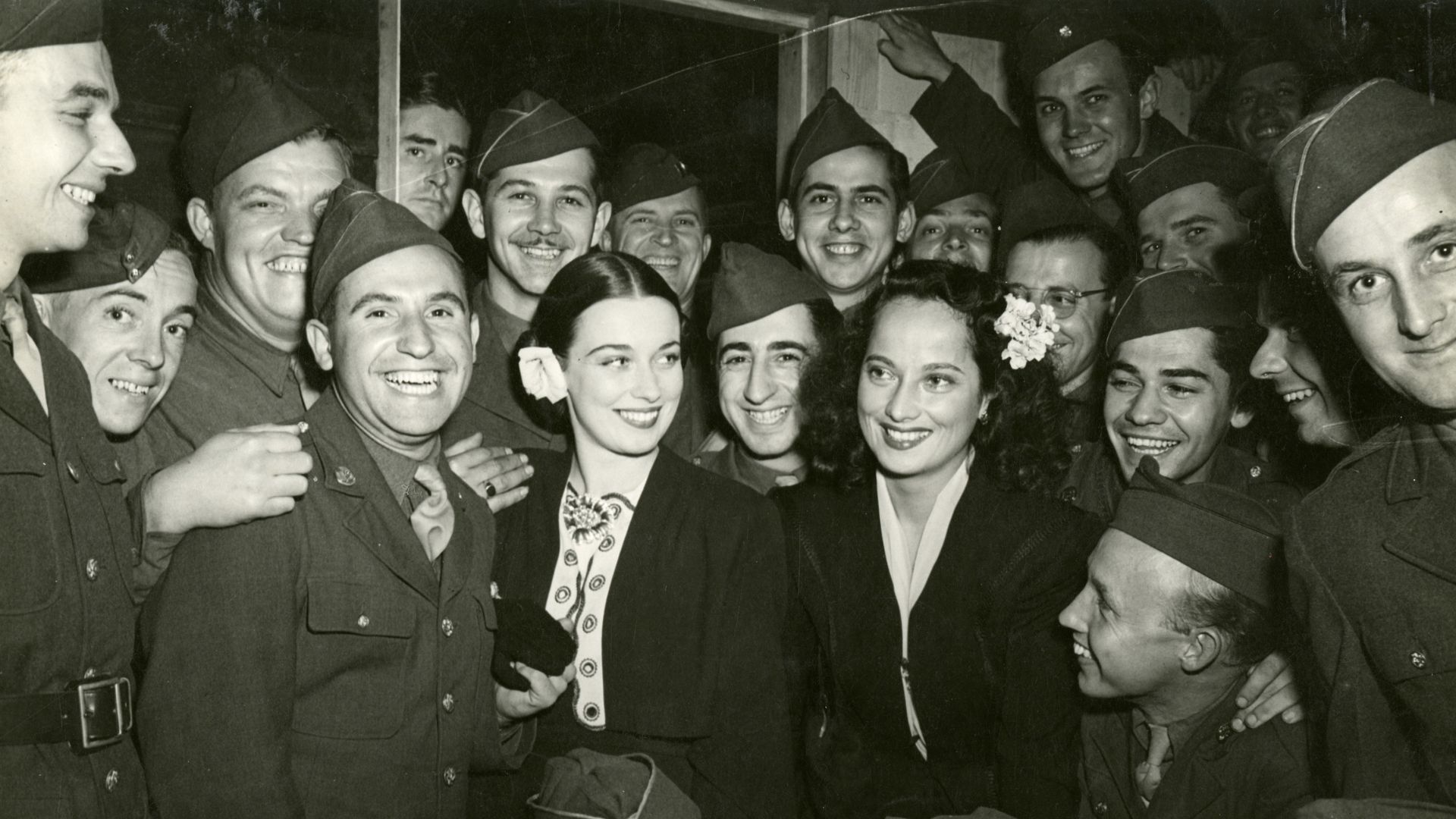
- A) James Stewart
- B) Audie Murphy
- C) Charlton Heston
- D) Marlon Brando
Answer:
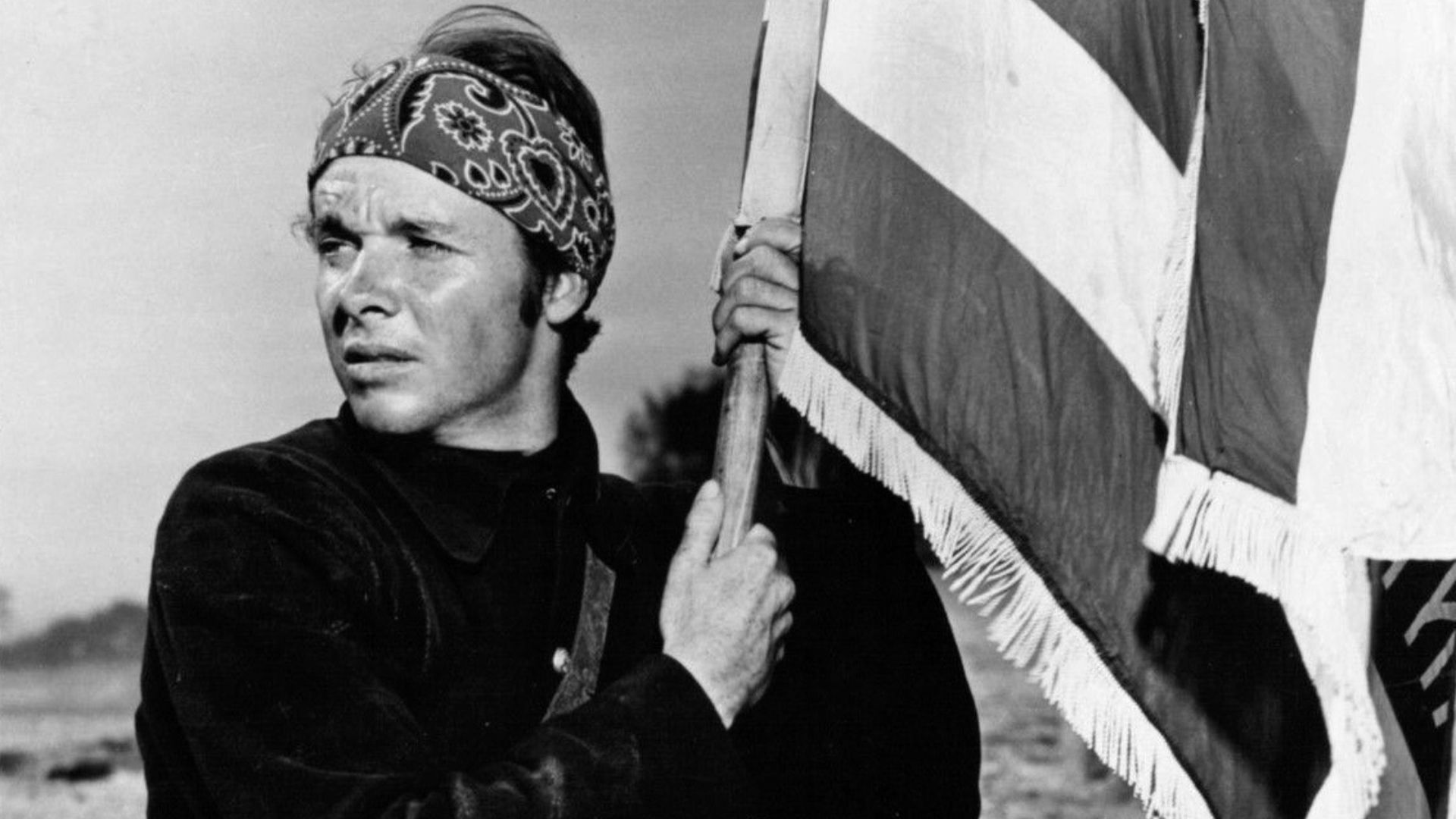
Audie Murphy
Many Civil War heroes got their start in the Mexican-American War. Which future Confederate general was a heavily promoted officer and scout during the Mexican-American War?
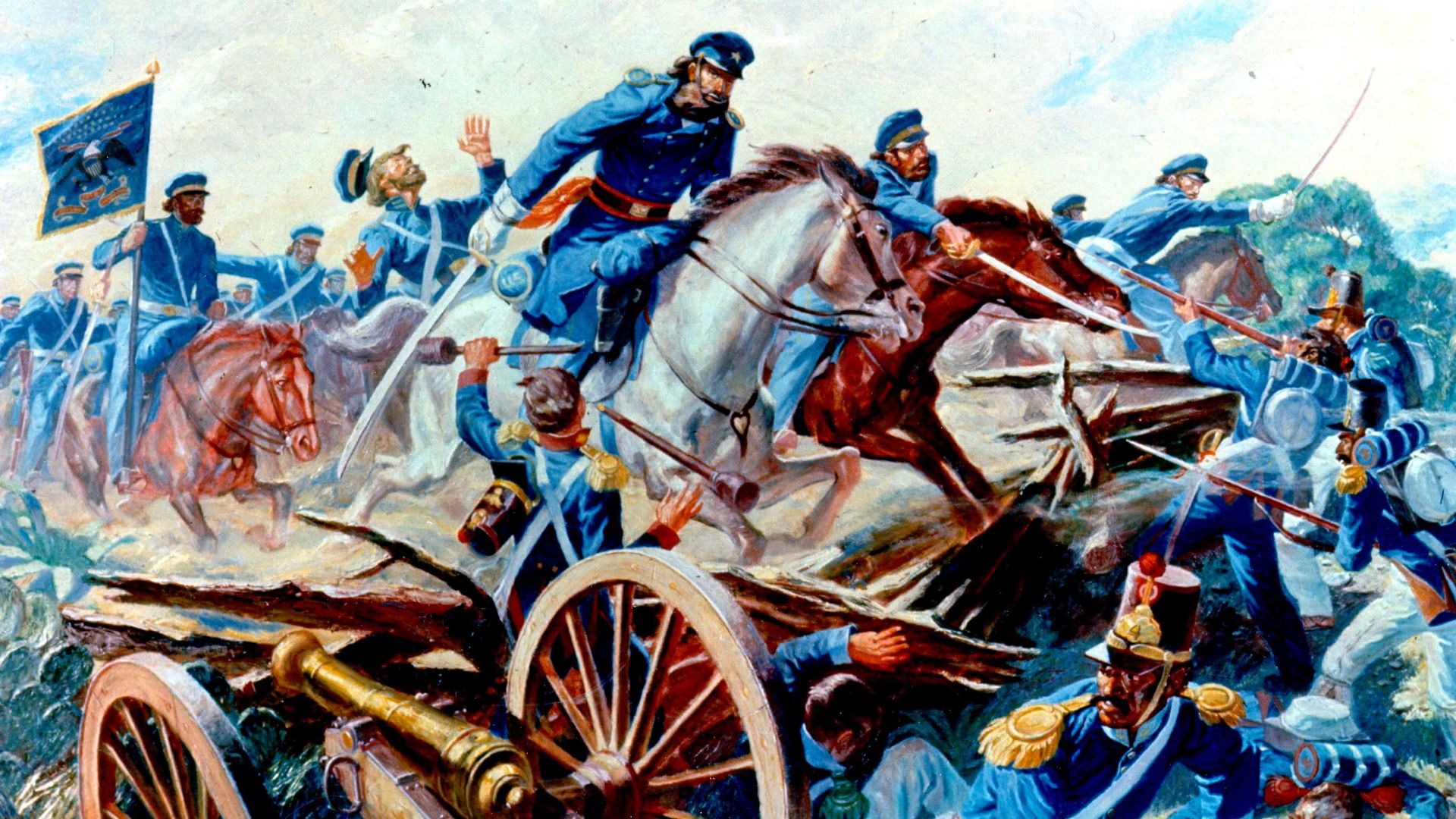
- A) Stonewall Jackson
- B) Jefferson Davis
- C) George B. McClellan
- D) Robert E. Lee
Answer:
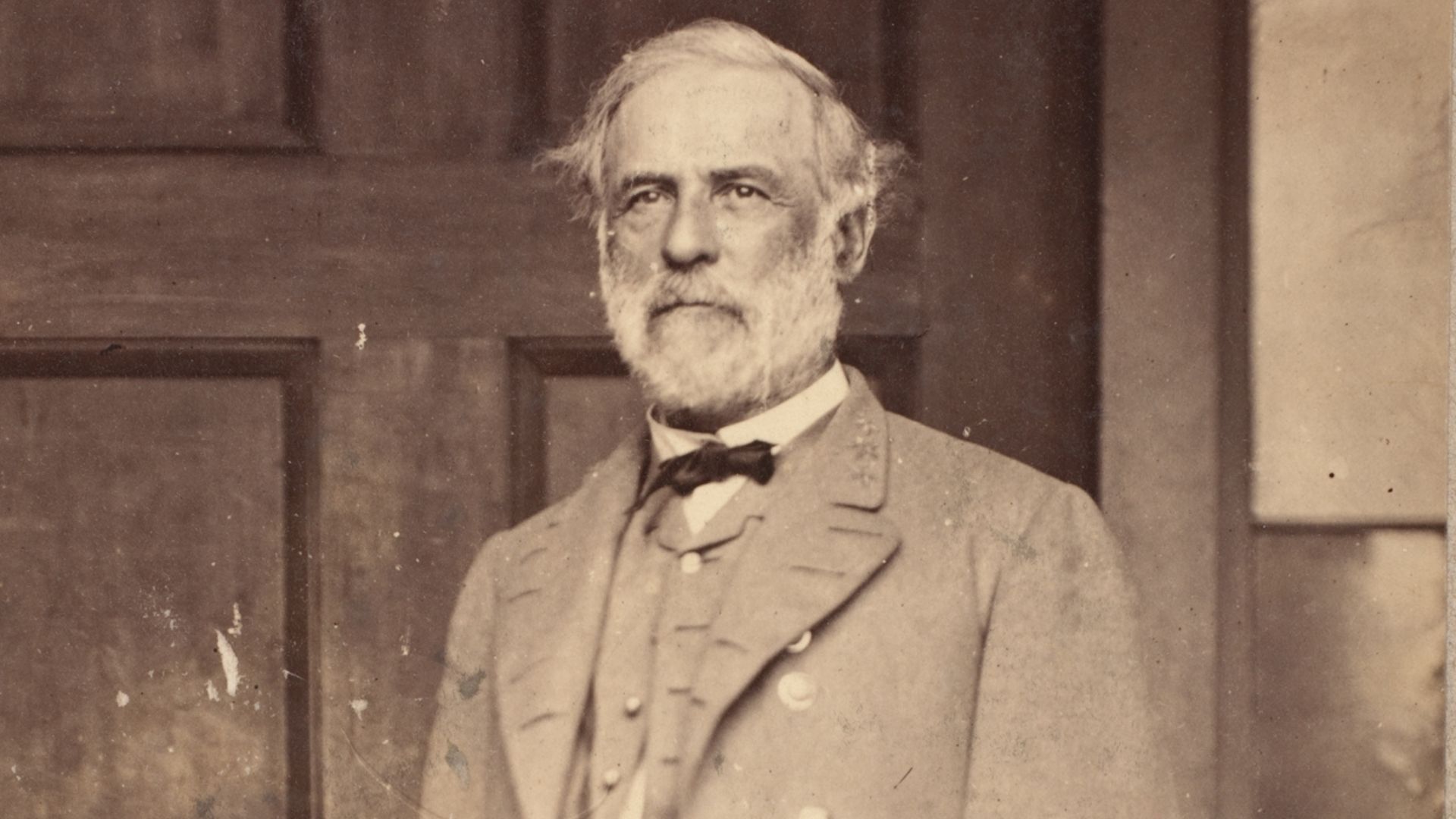
Robert E. Lee
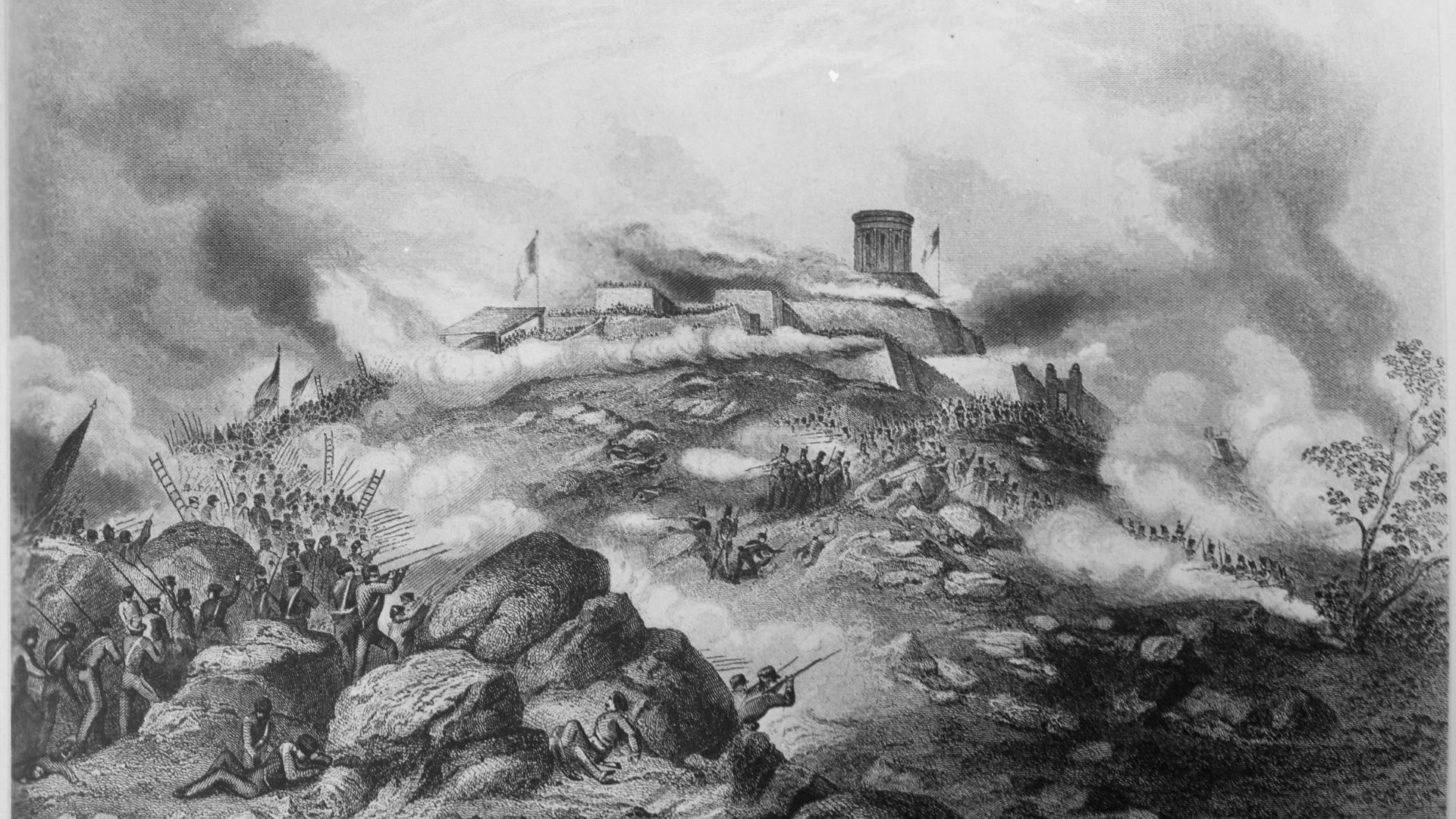
Both Confederate and Union leaders gained a lot of knowledge during the Mexican-American War. Before they became foes on opposite sides of the Civil War, which Union general and future president worked alongside his Confederate enemies such as Robert E. Lee?
- A) Andrew Johnson
- B) Ulysses S. Grant
- C) Rutherford B. Hayes
- D) James A. Garfield
Answer:
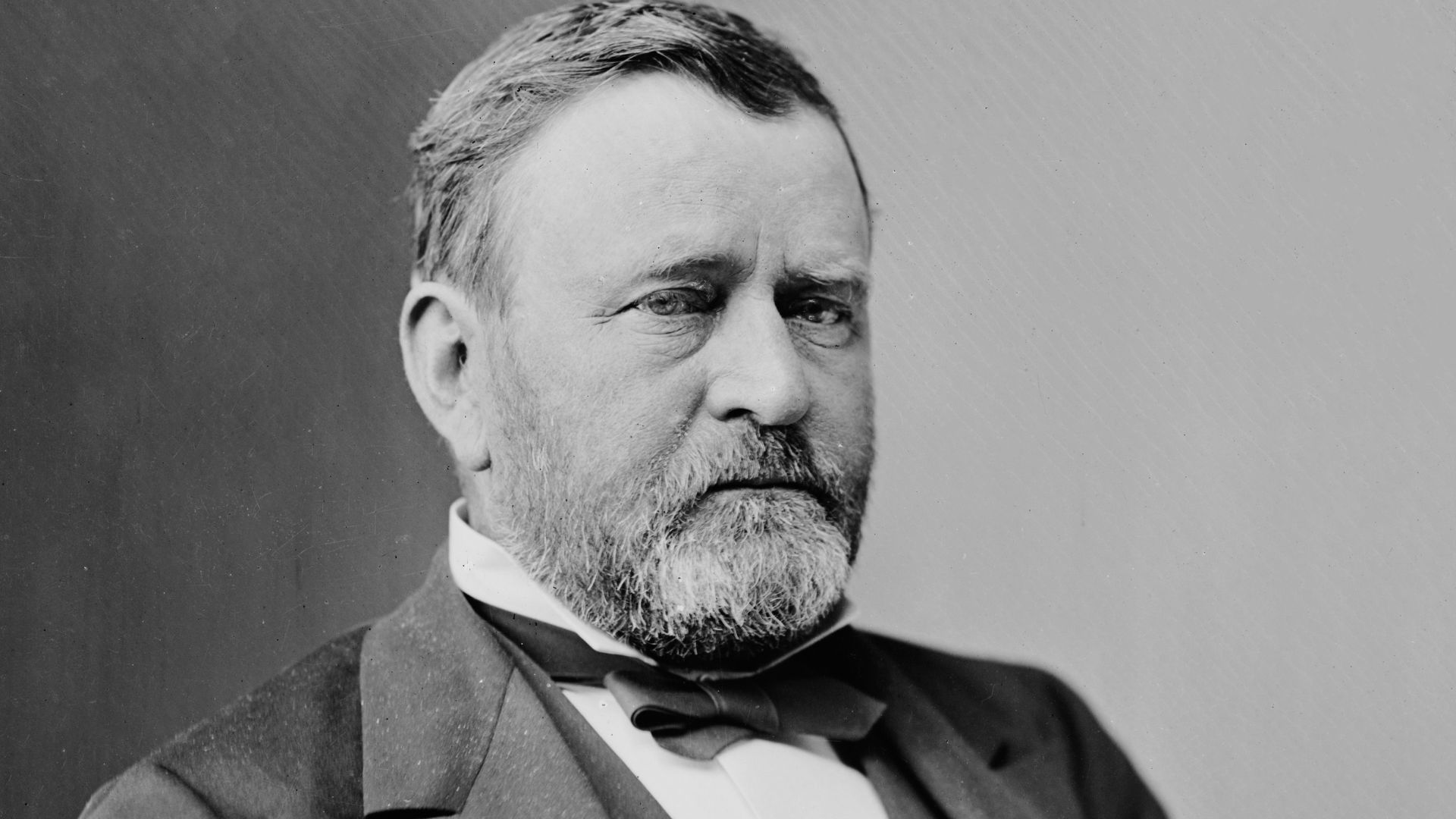
Ulysses S. Grant
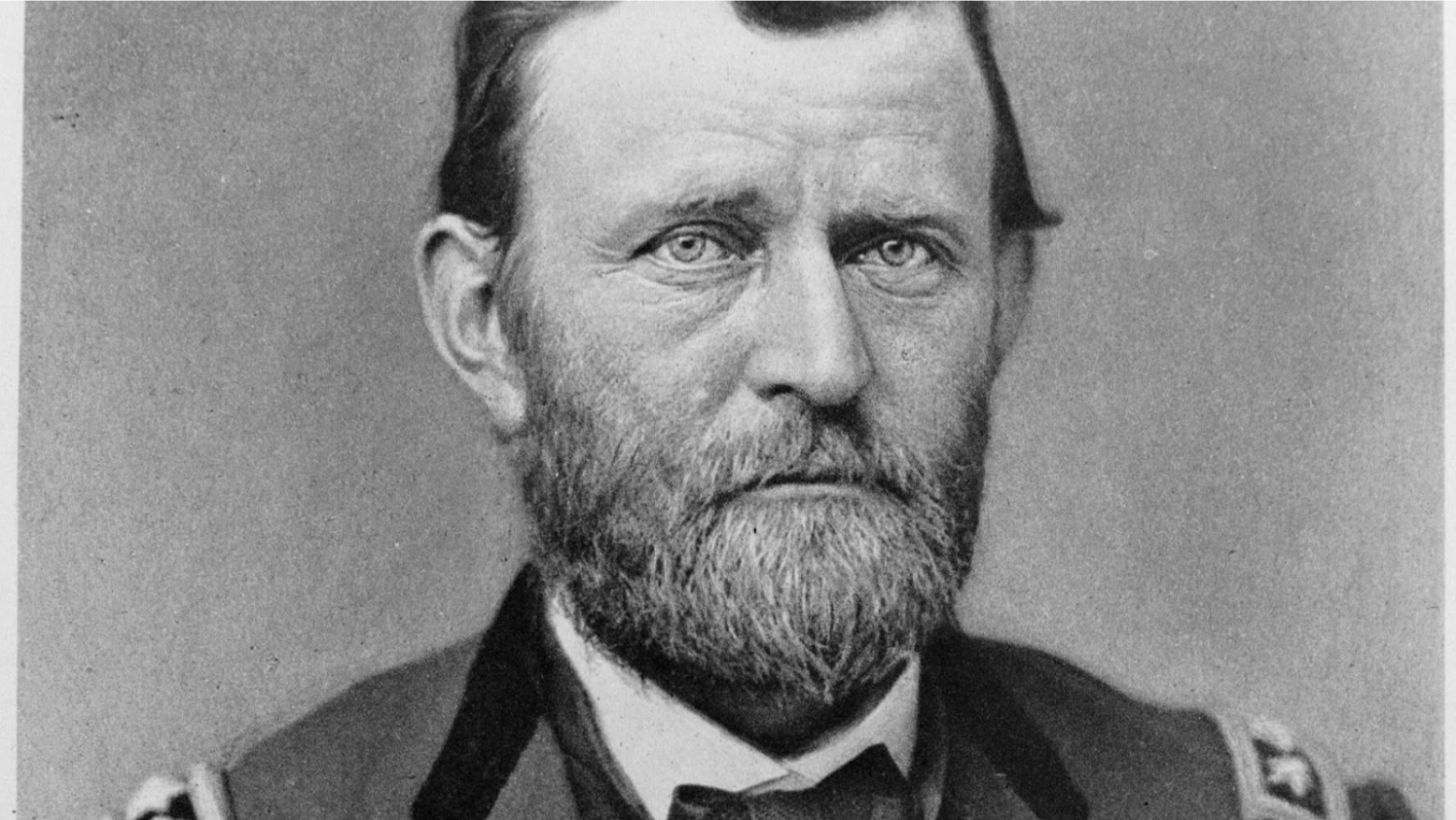
During the Civil War, Ulysses S. Grant was tasked with capturing a city on the Mississippi River. If the Union captured this city, they would successfully cut the Confederacy in half. What was this city?
- A) Gettysburg
- B) Raymond
- C) Champion Hill
- D) Vicksburg
Answer:
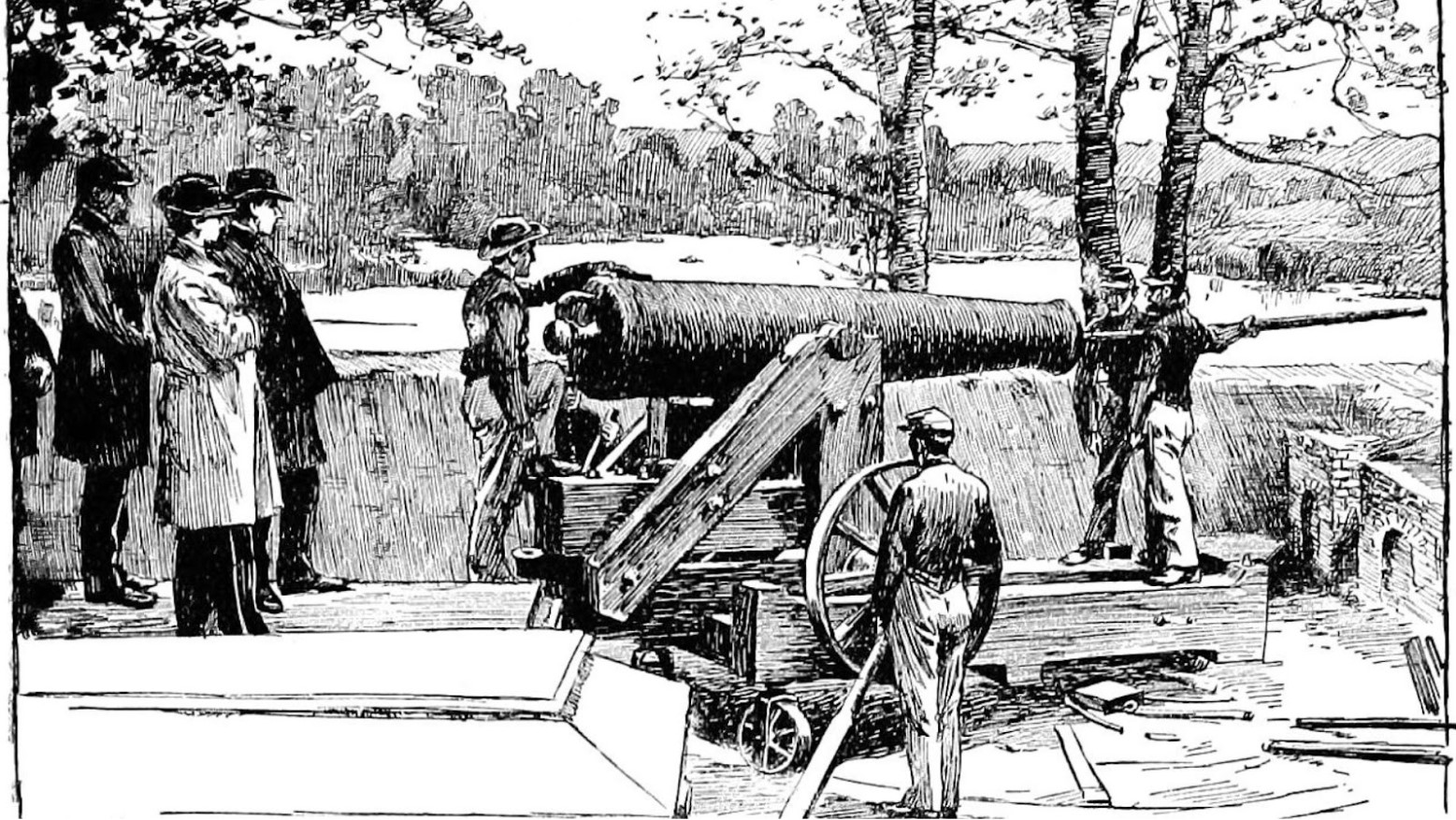
Vicksburg
What historically famous last-stand battle resulted in the death of frontiersman Davy Crockett, as well as many Texas rebels a part of a garrison?
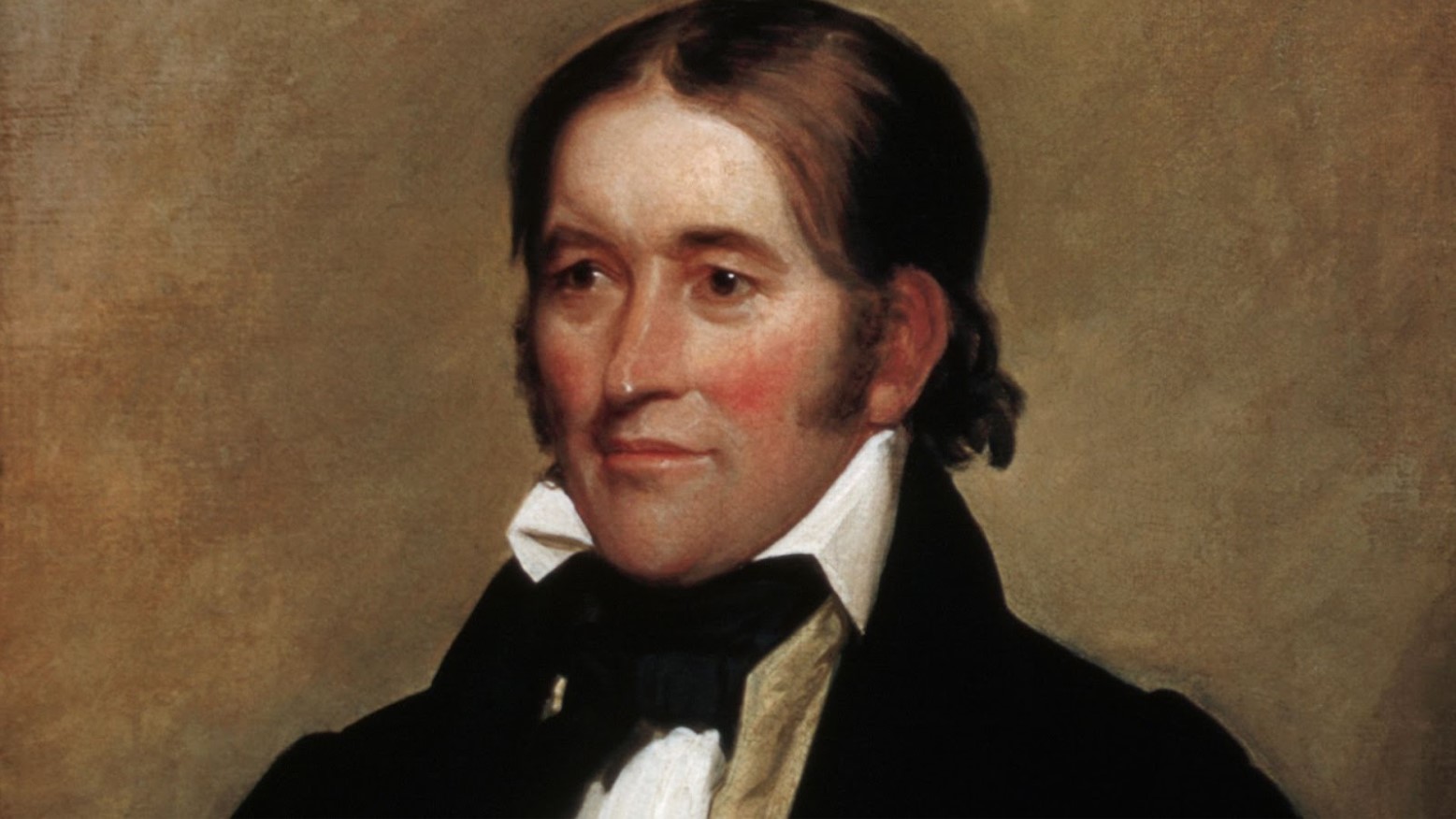
- A) The Battle of the Alamo
- B) The Battle of Agua Dulce
- C) The Battle of San Jacinto
- D) The Battle Of Coleto
Answer:
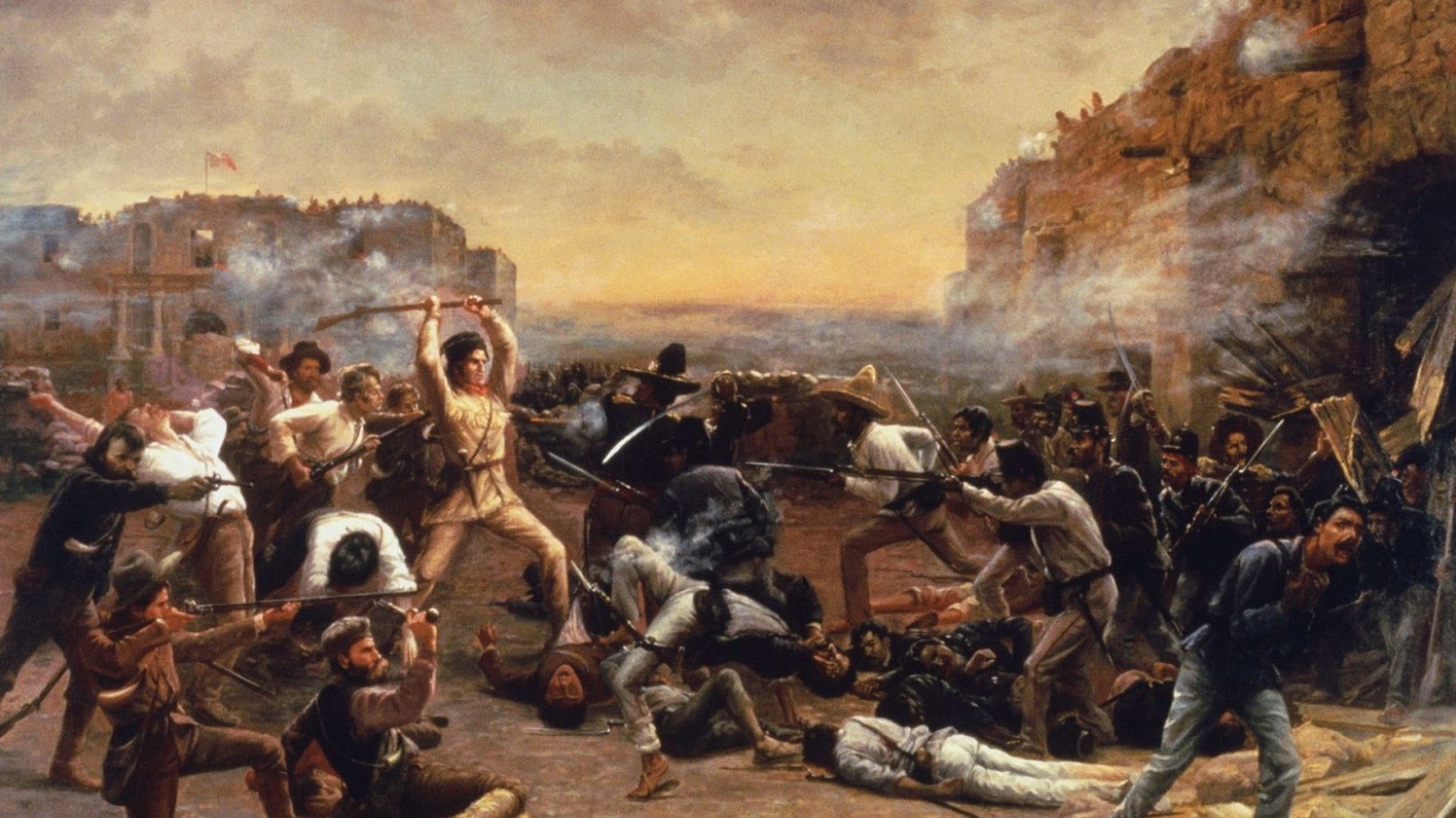
The Battle of the Alamo
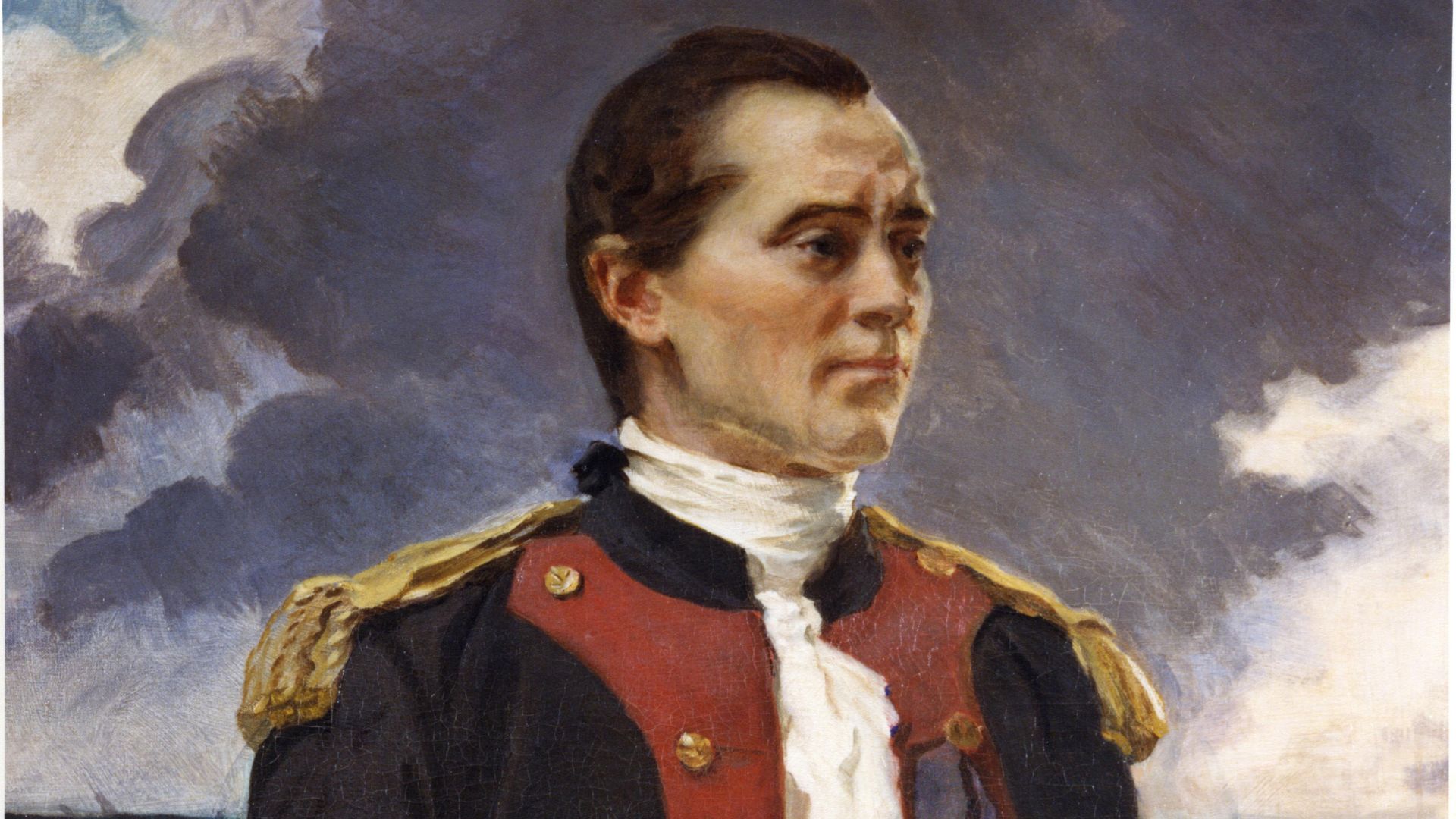
When a British ship asked John Paul Jones, a naval captain during the Revolutionary War, if he wanted to give up and surrender, what was John Paul Jones’ response?
- A) I think I’ll have you surrender instead!
- B) What do you mean, surrender?
- C) I have not yet begun to fight!
- D) In your dreams.
Answer:
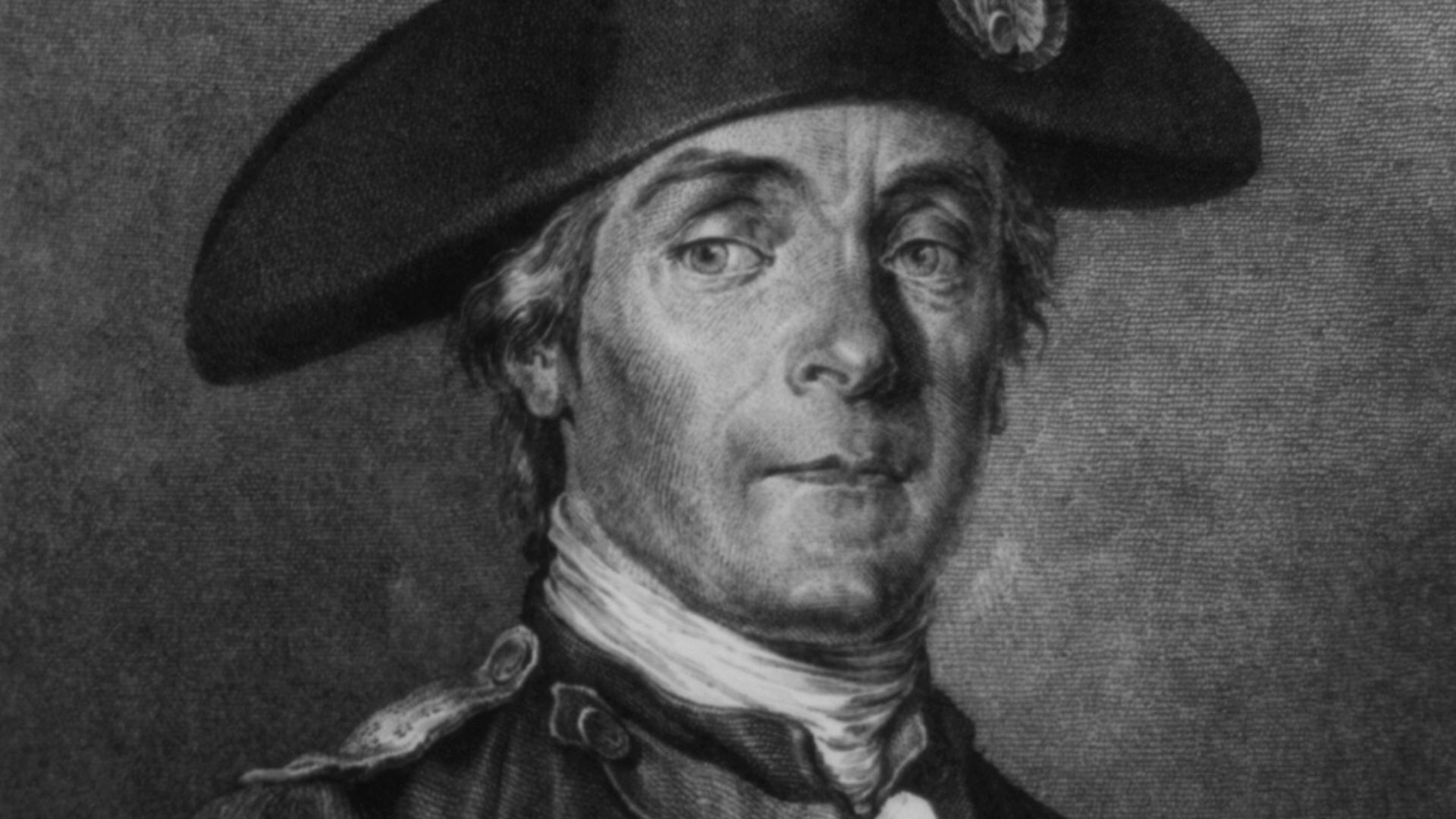
I have not yet begun to fight!
This war hero led the 10th Cavalry, also known as the “Buffalo Soldiers”, during the Spanish-American War. He also chased Pancho Villa, the Mexican guerilla fighter. Eventually, this hero would then lead U.S. armies in France throughout World War I. Who was this American hero?
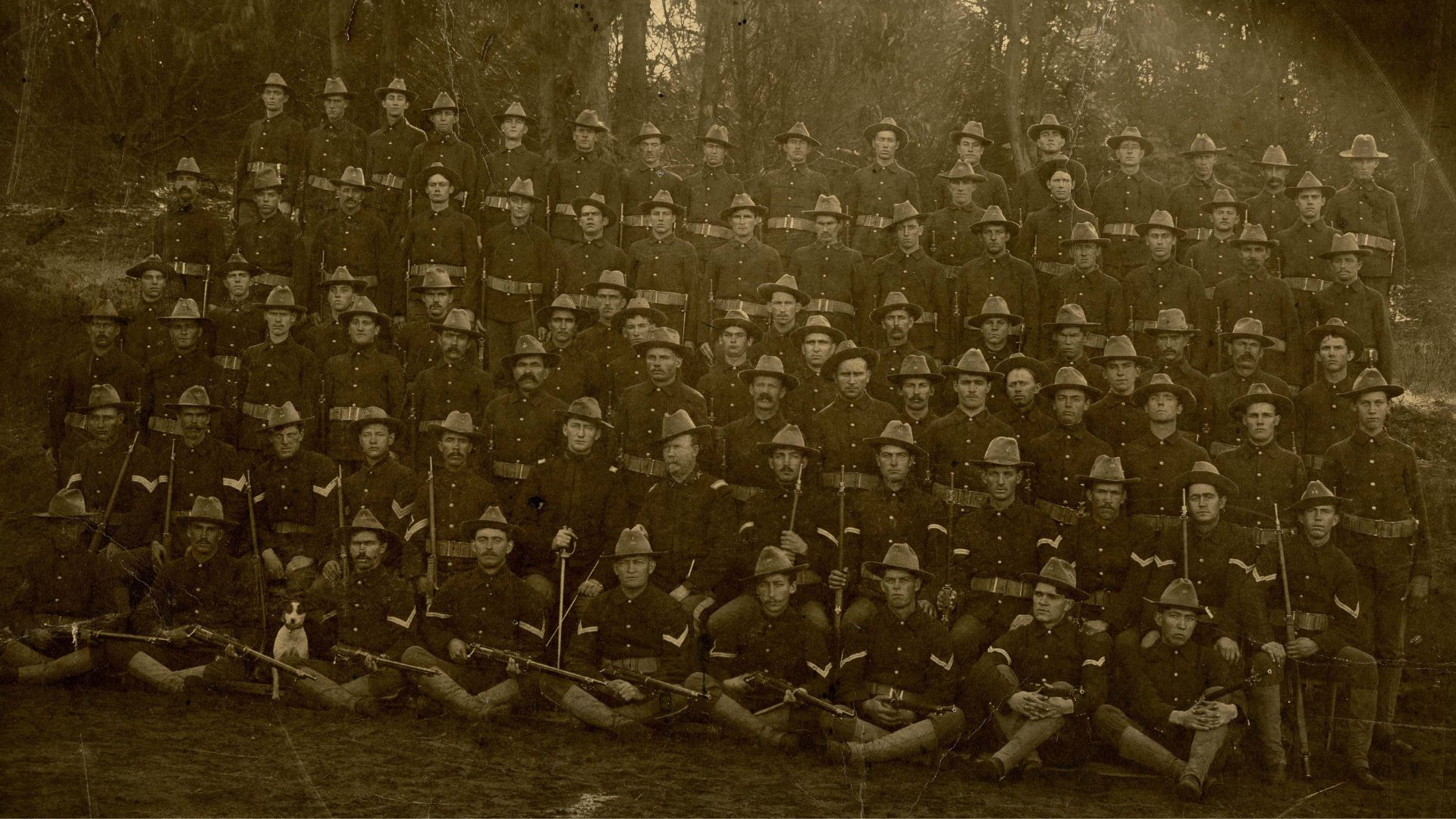
- A) John Pershing
- B) George Catlett Marshall, Jr.
- C) George S. Patton
- D) Douglas MacArthur
Answer:
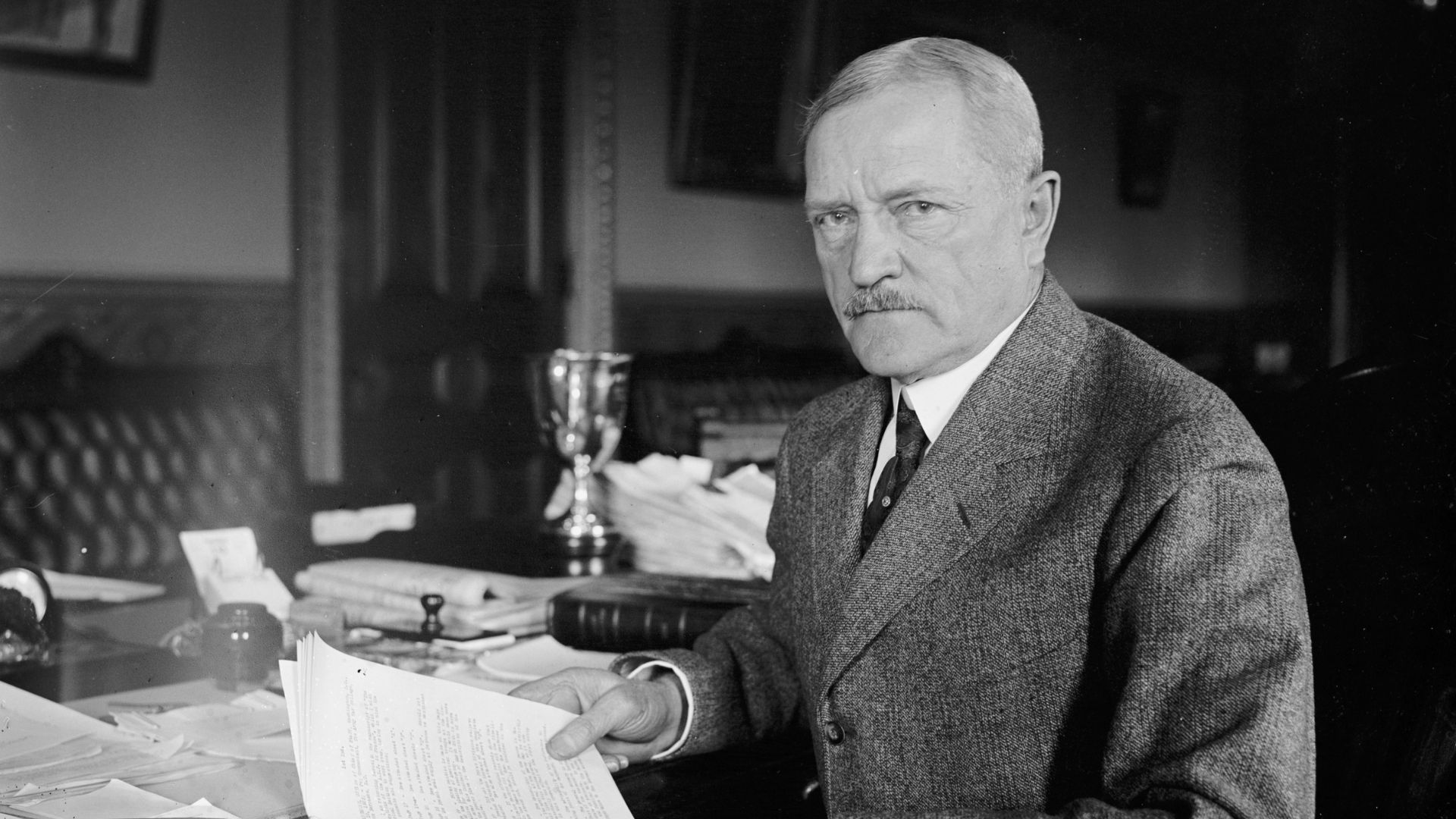
John Pershing
African-American servicemen could only serve in segregated units throughout World War II. Which of these African-American squadrons achieved the most successful combat records of any of the other U.S. Army Air Corps squadrons?
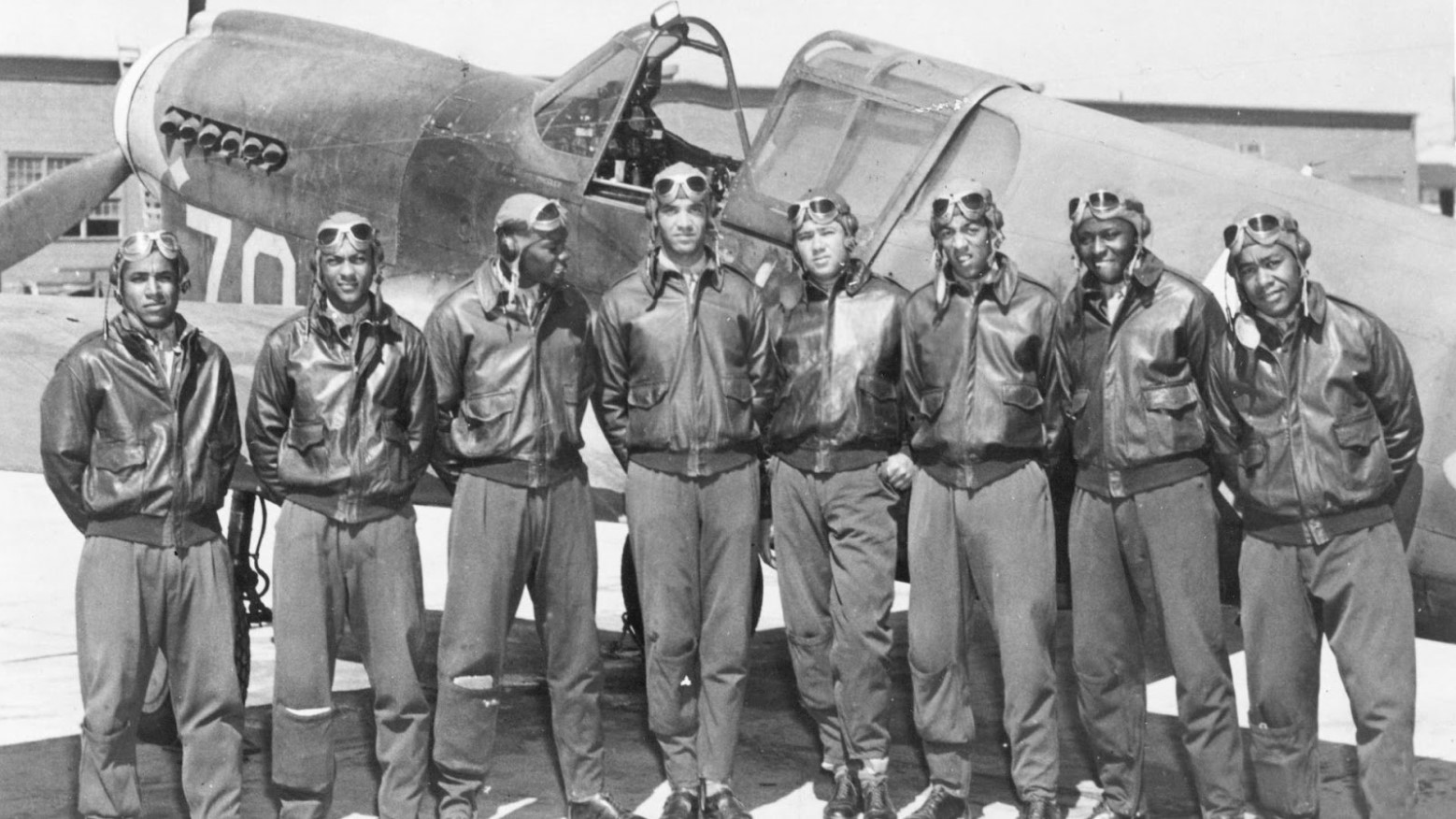
- A) Red Tails
- B) Gold Squadron
- C) Tuskegee Airmen
- D) Grim Reapers
Answer:
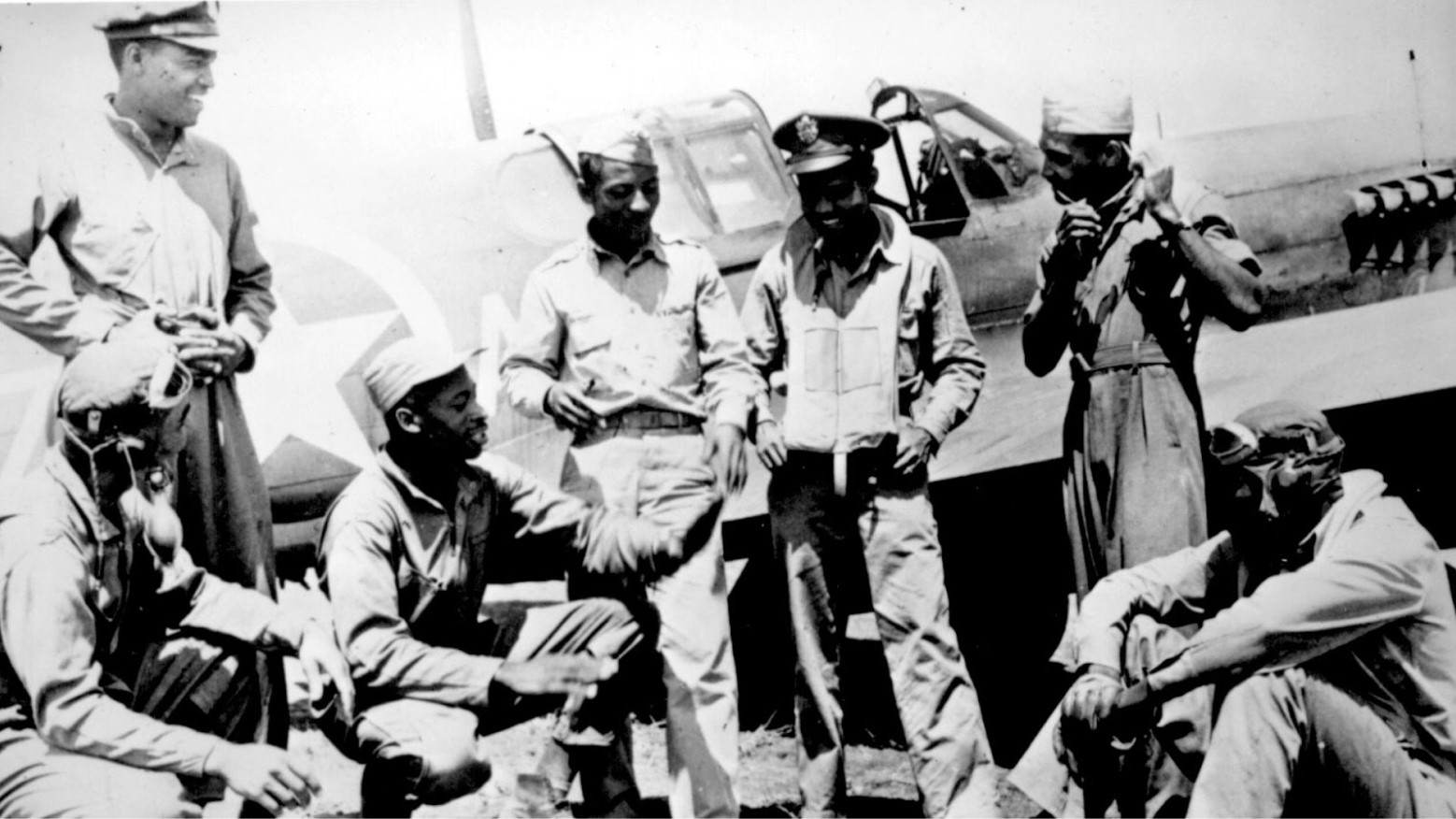
Tuskegee Airmen
In World War I, the Germans gave the U.S. Marines what nickname during the Battle of Belleau Wood?
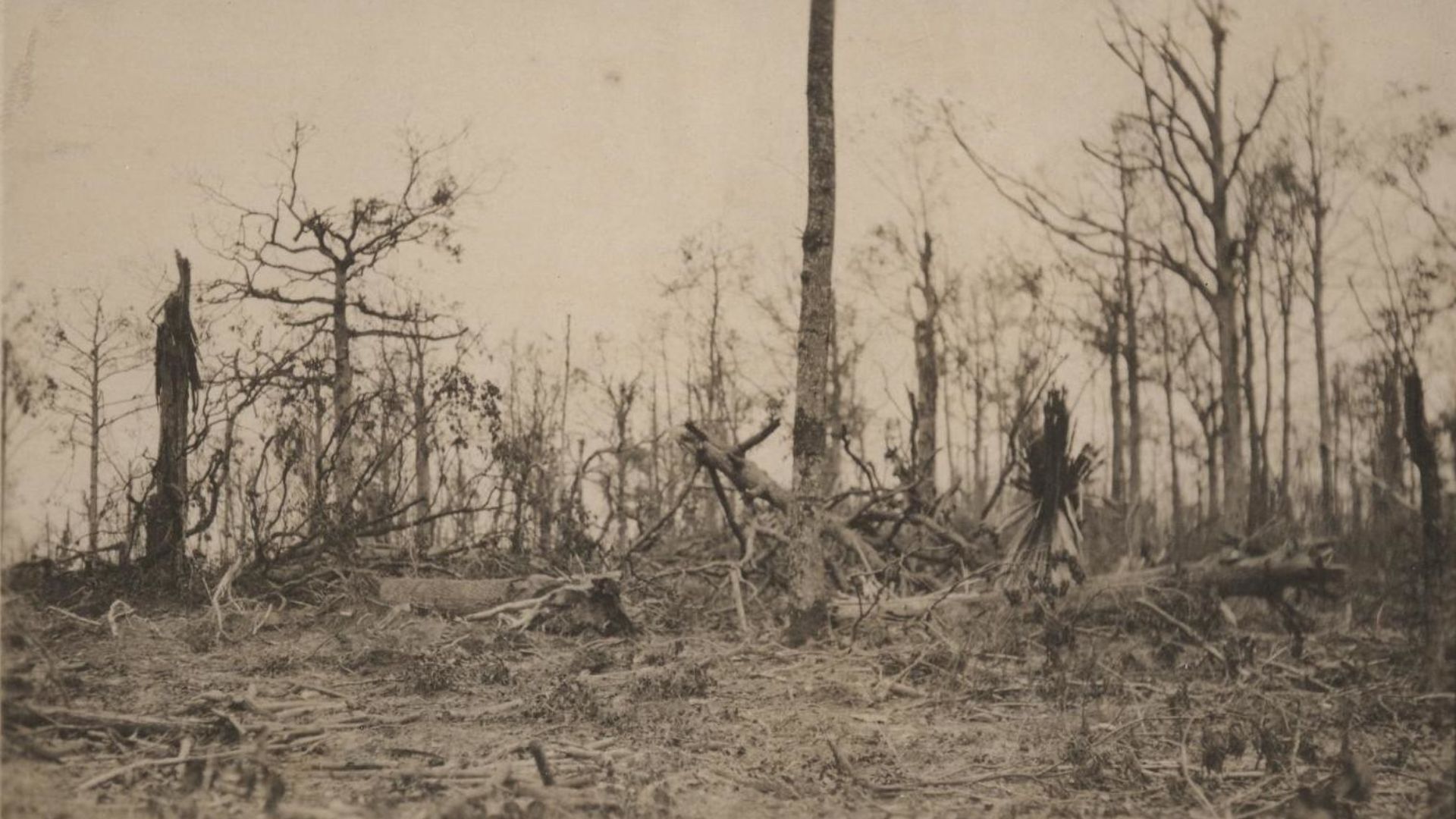
- A) Ferocious Dogs
- B) Devil Dogs
- C) Flying Devils
- D) Strong Ones
Answer:
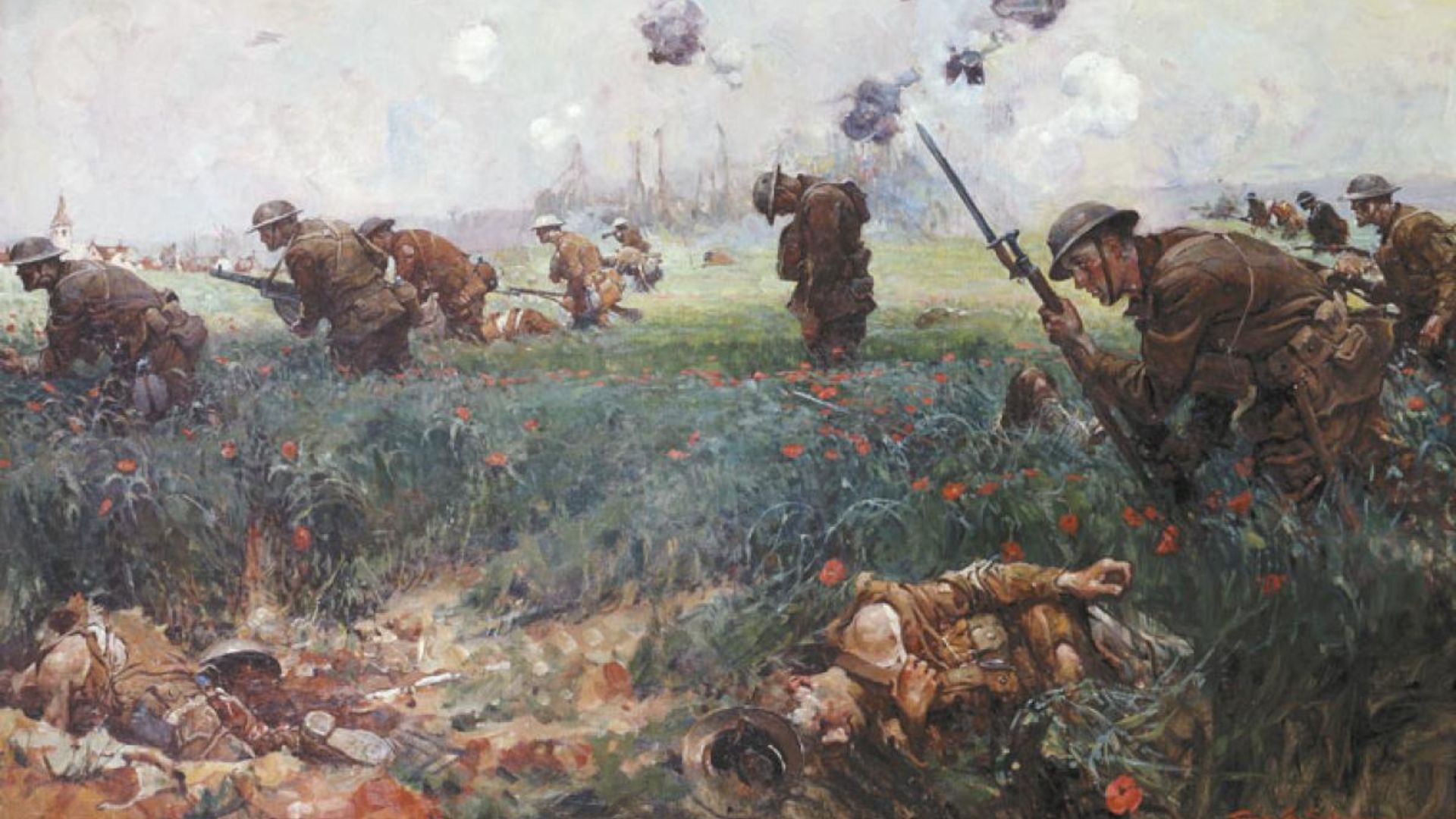
Devil Dogs
At the start of World War II, the Japanese successfully pushed the U.S. and General Douglas MacArthur out of the Philippines. What famous promise did MacArthur make after this?
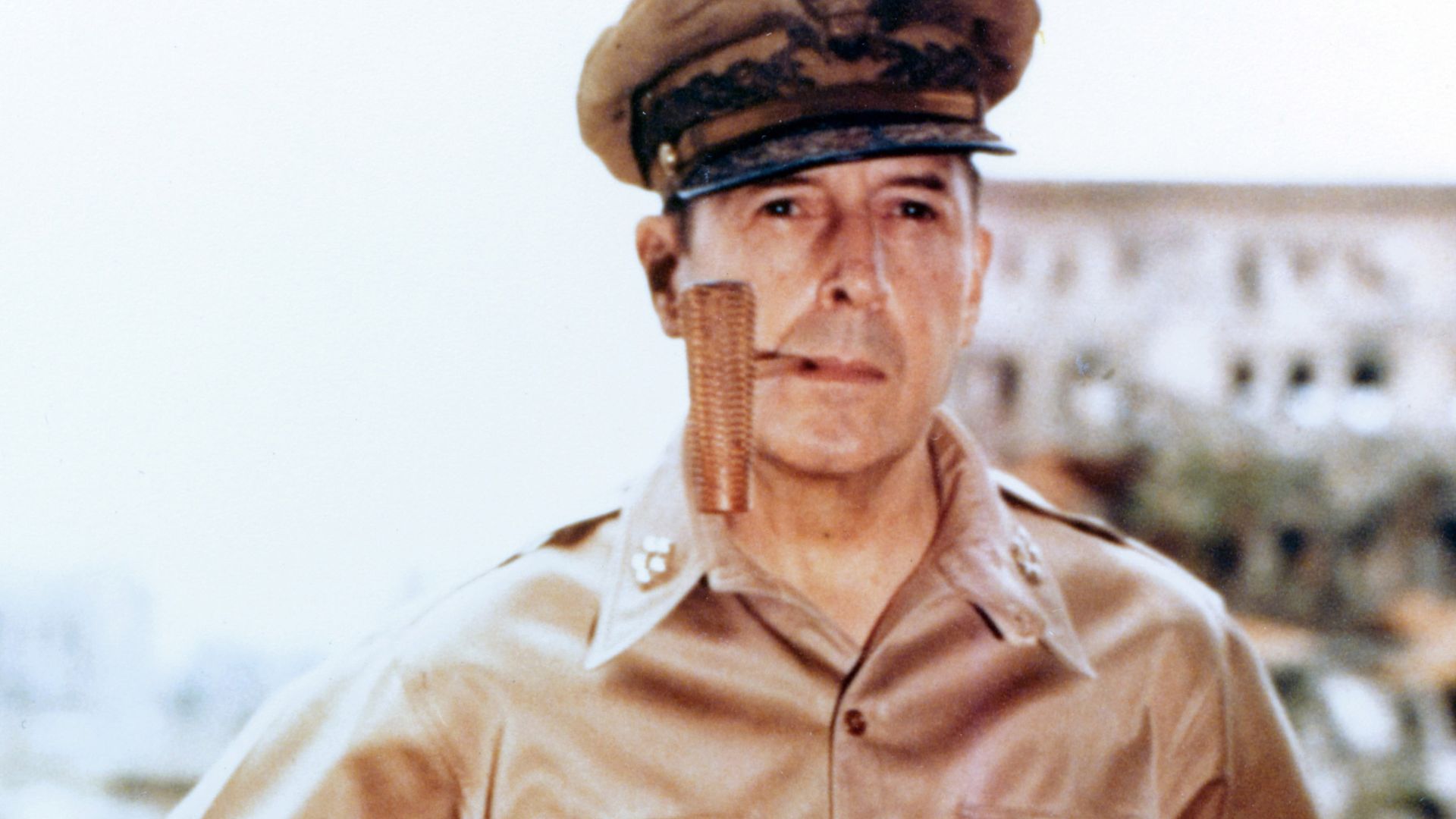
- A) I shall return.
- B) I shall return and have vengeance.
- C) I will destroy you.
- D) I will wait — and then, I will attack.
Answer:
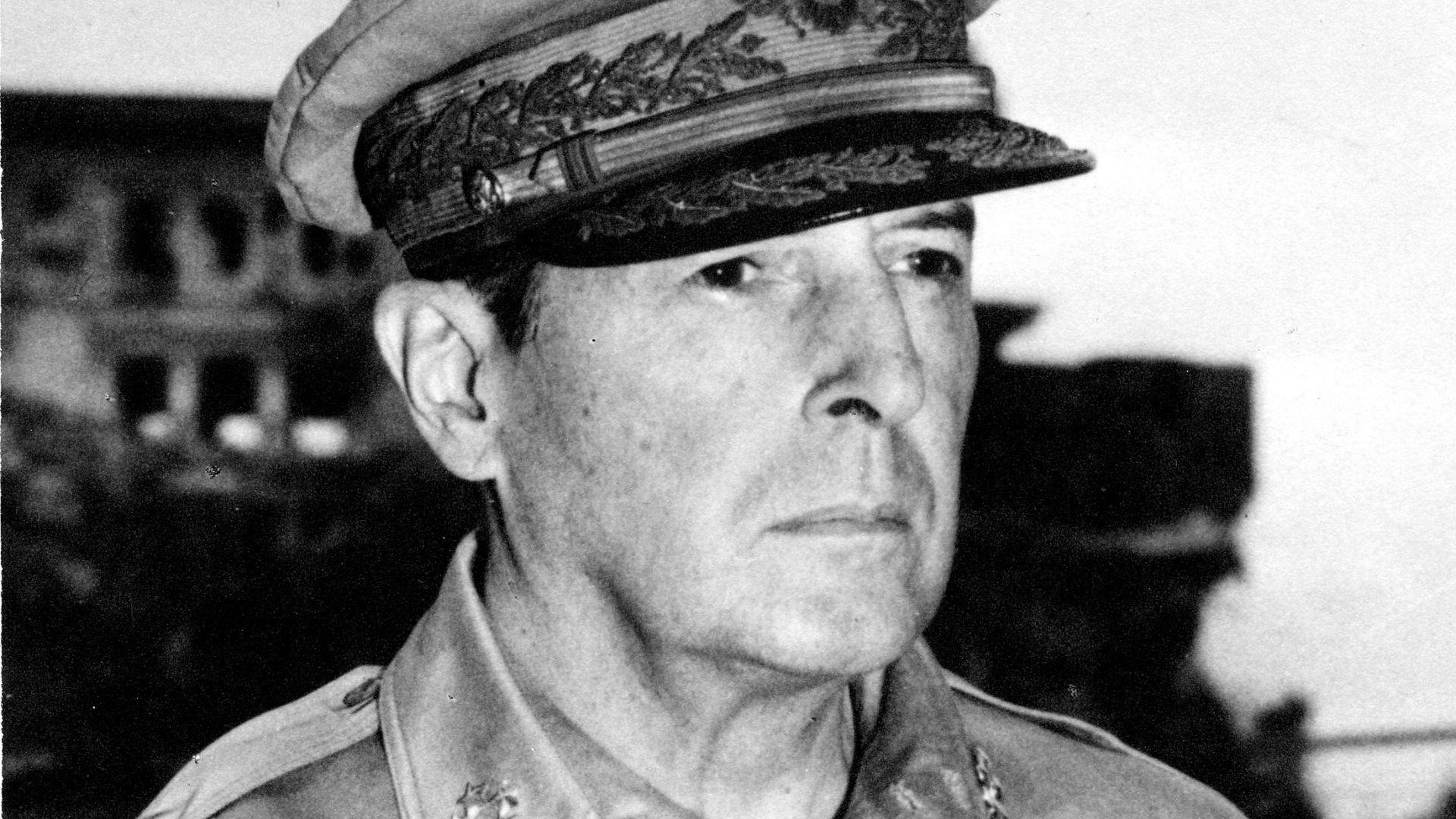
I shall return.
What famous quote is attributed to Union General William Tecumseh Sherman?
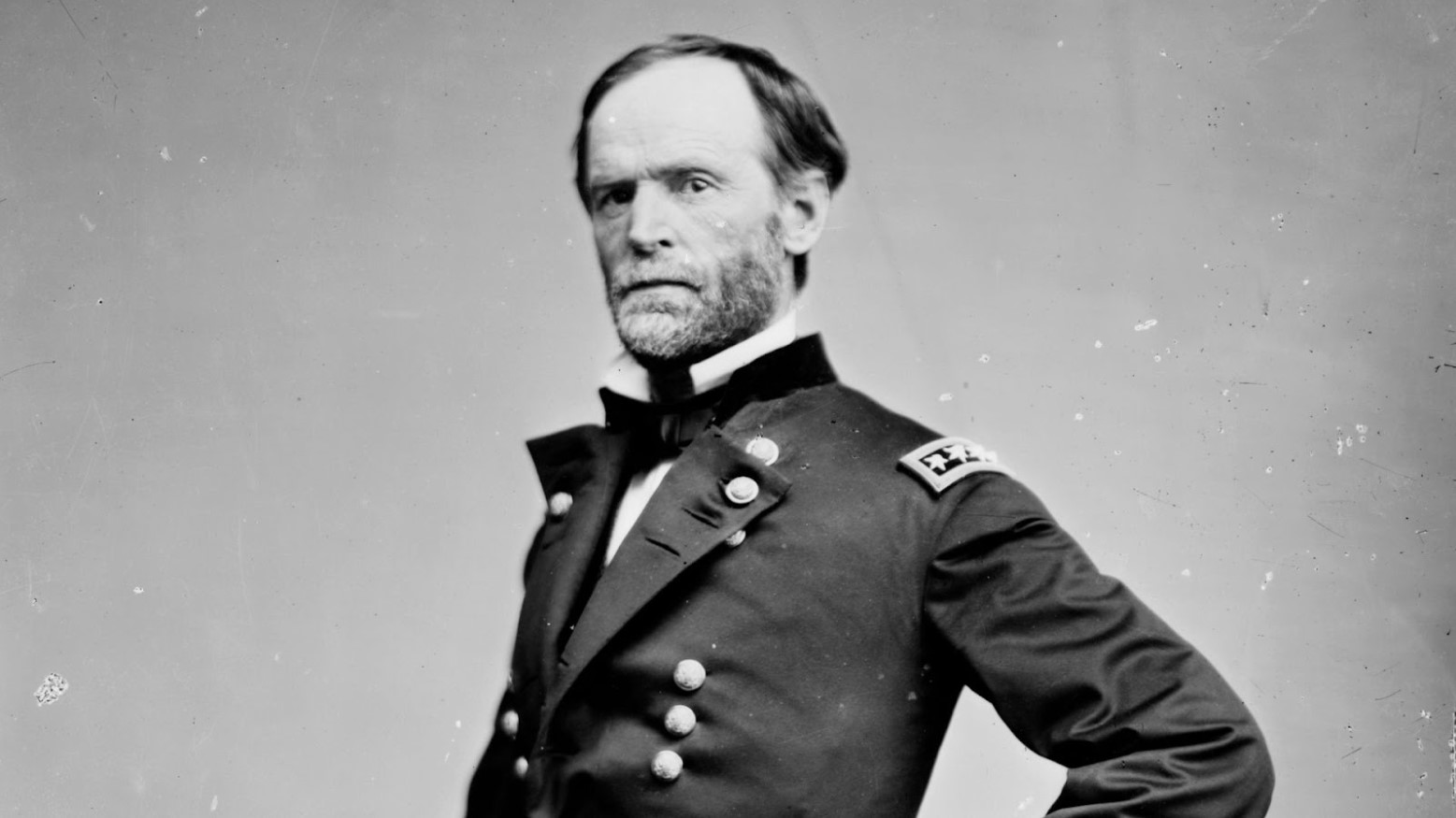
- A) War is profitable.
- B) War is necessary.
- C) War is hell.
- D) War is terrible.
Answer:
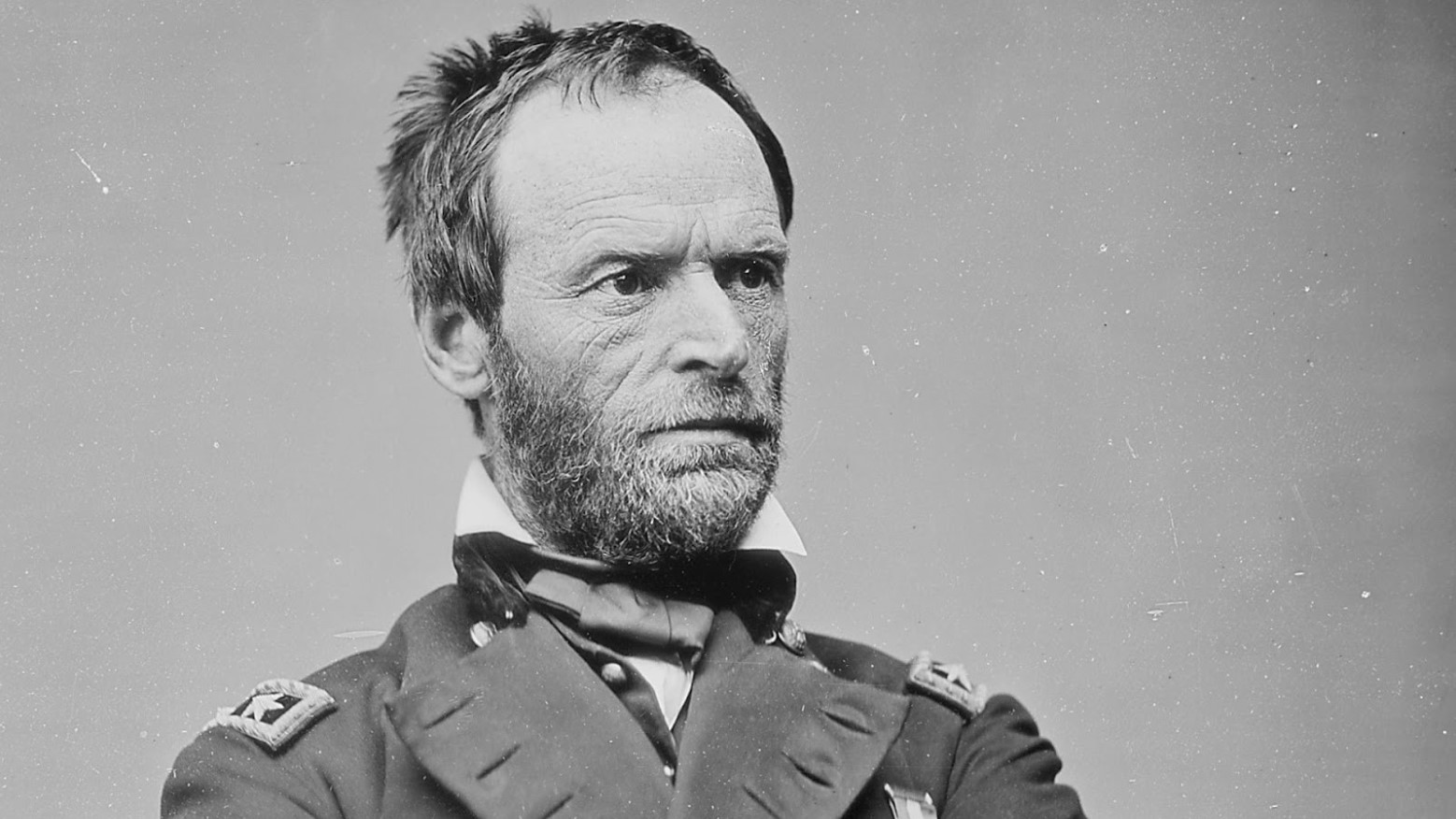
War is hell.
Who is best known for being a “conductor” on the Underground Railroad, which helped slaves escape to freedom, yet also for being a spy for the Union behind Confederate lines during the Civil War?
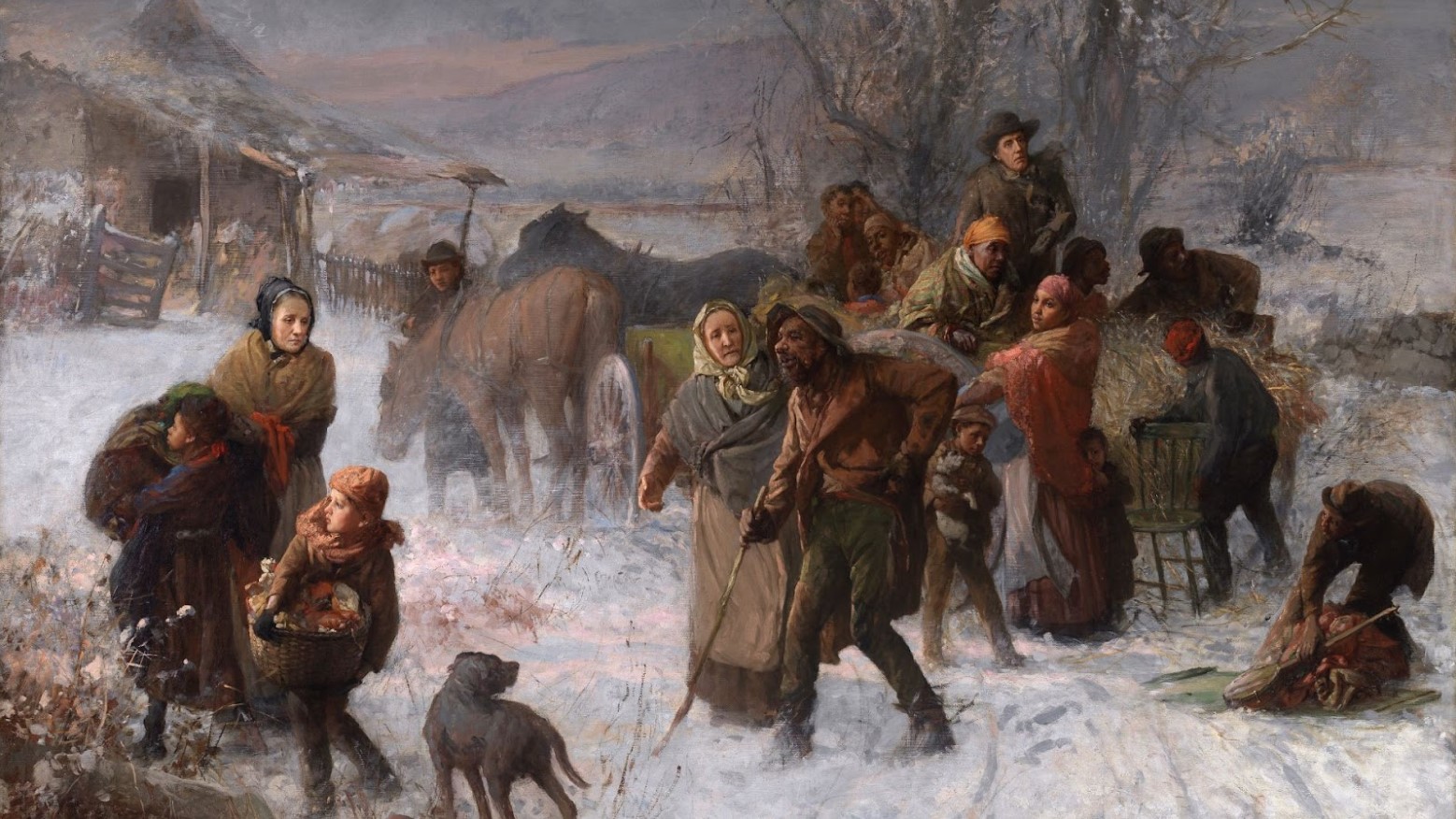
- A) Frederick Douglass
- B) Harriet Tubman
- C) Sojourner Truth
- D) John Brown
Answer:
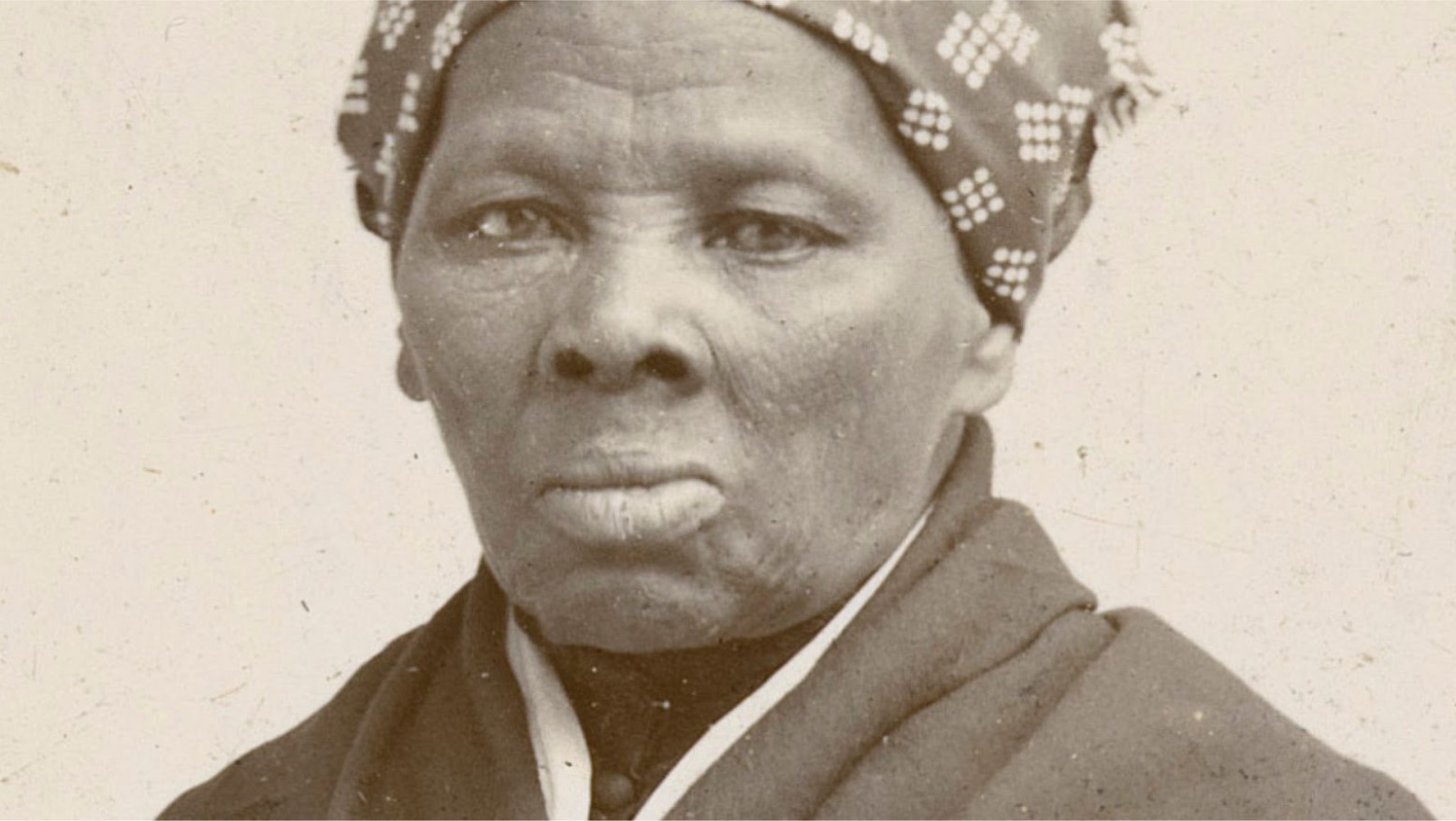
Harriet Tubman
Before the United States joined World War II, some Americans took part in the overseas fighting by joining the “Flying Tigers,” which was an all-volunteer American fighter pilot squadron that fought against the Japanese. What country did these American volunteers fight for?
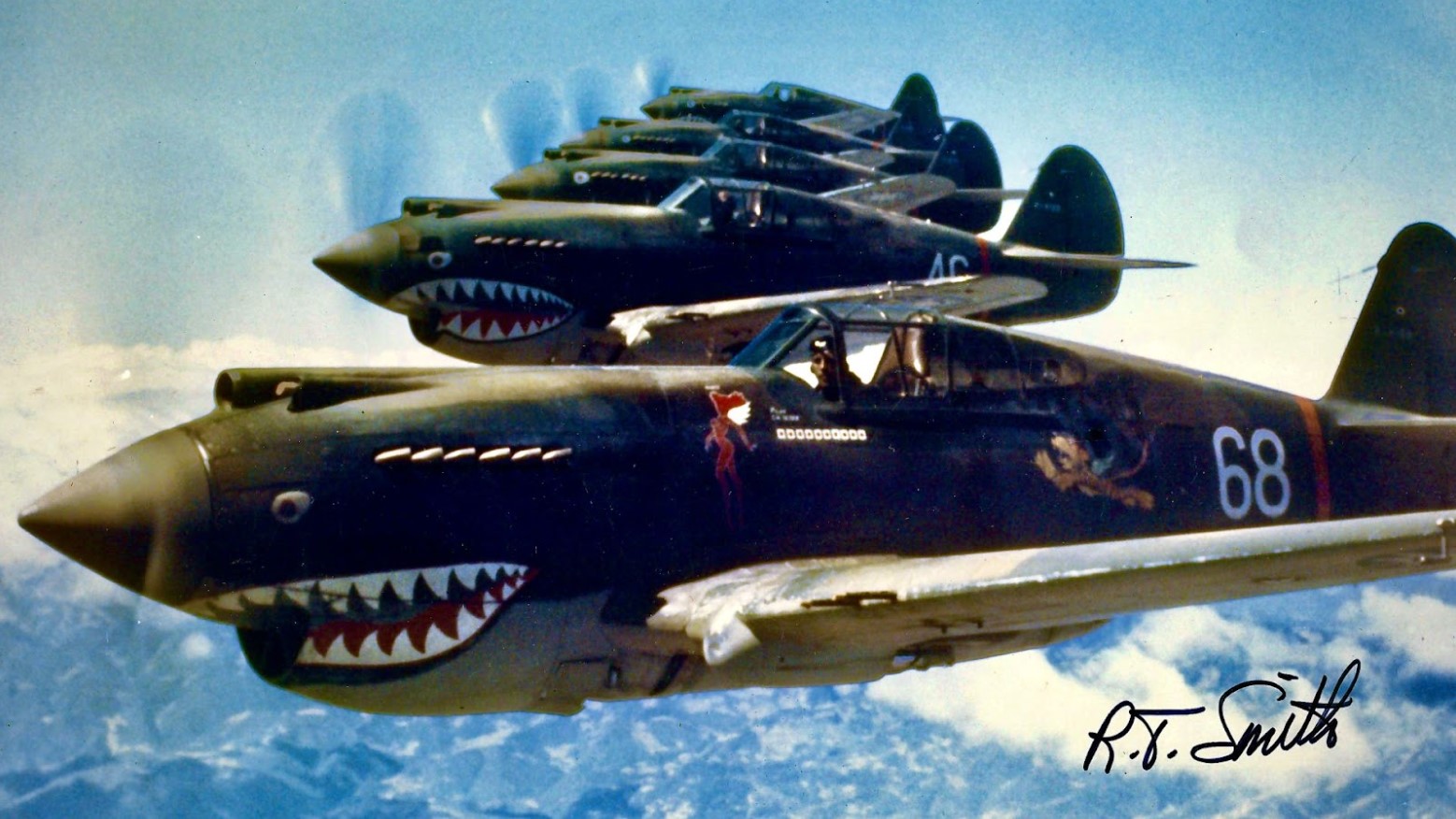
- A) Brazil
- B) China
- C) South Korea
- D) India
Answer:
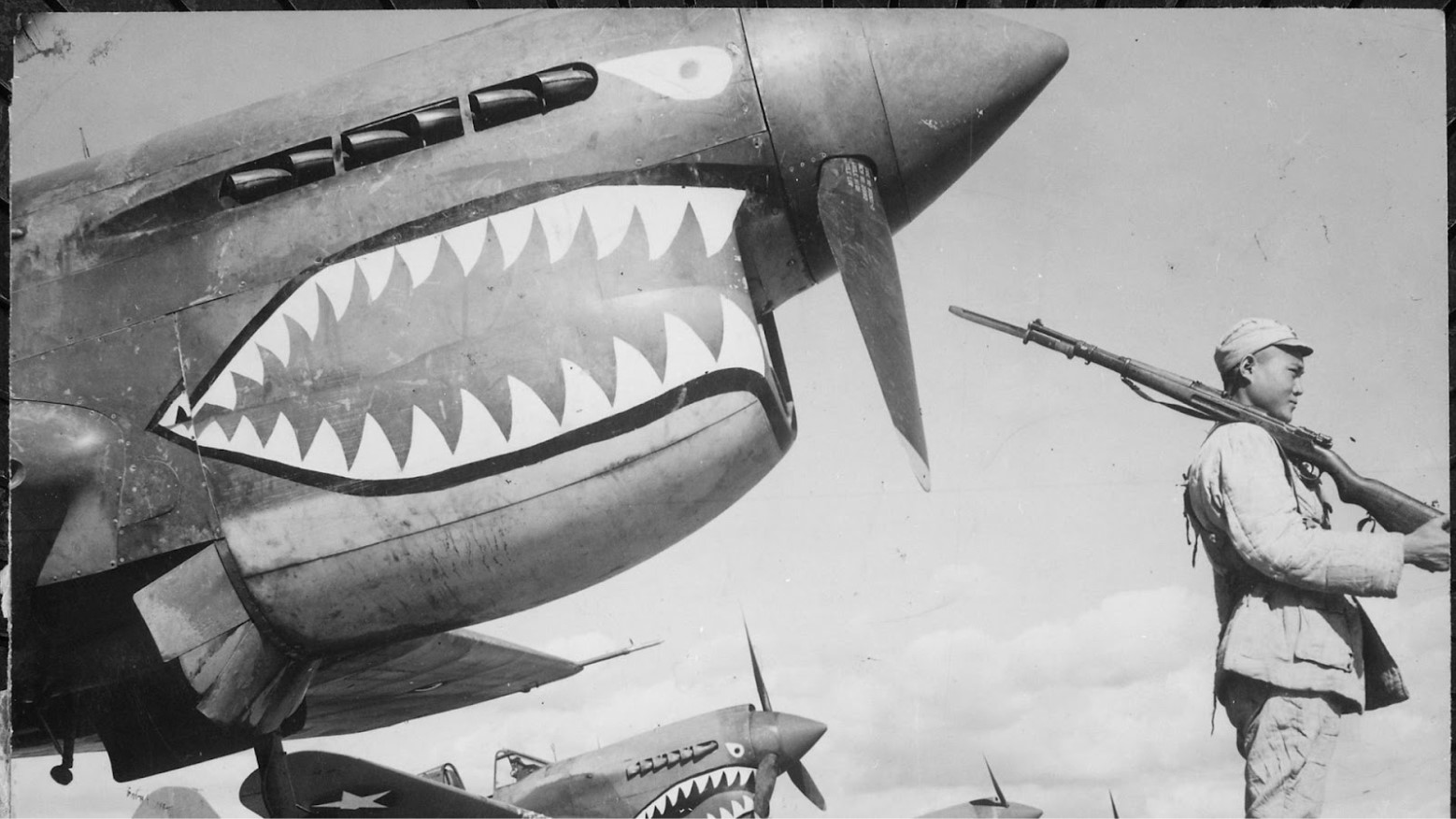
China
The Union Army eventually allowed black soldiers to fight in the Civil War, which resulted in these troops forming their own fighting units. What all-black unit became well-known thanks to its attack at Fort Wagner on the Confederate Army?
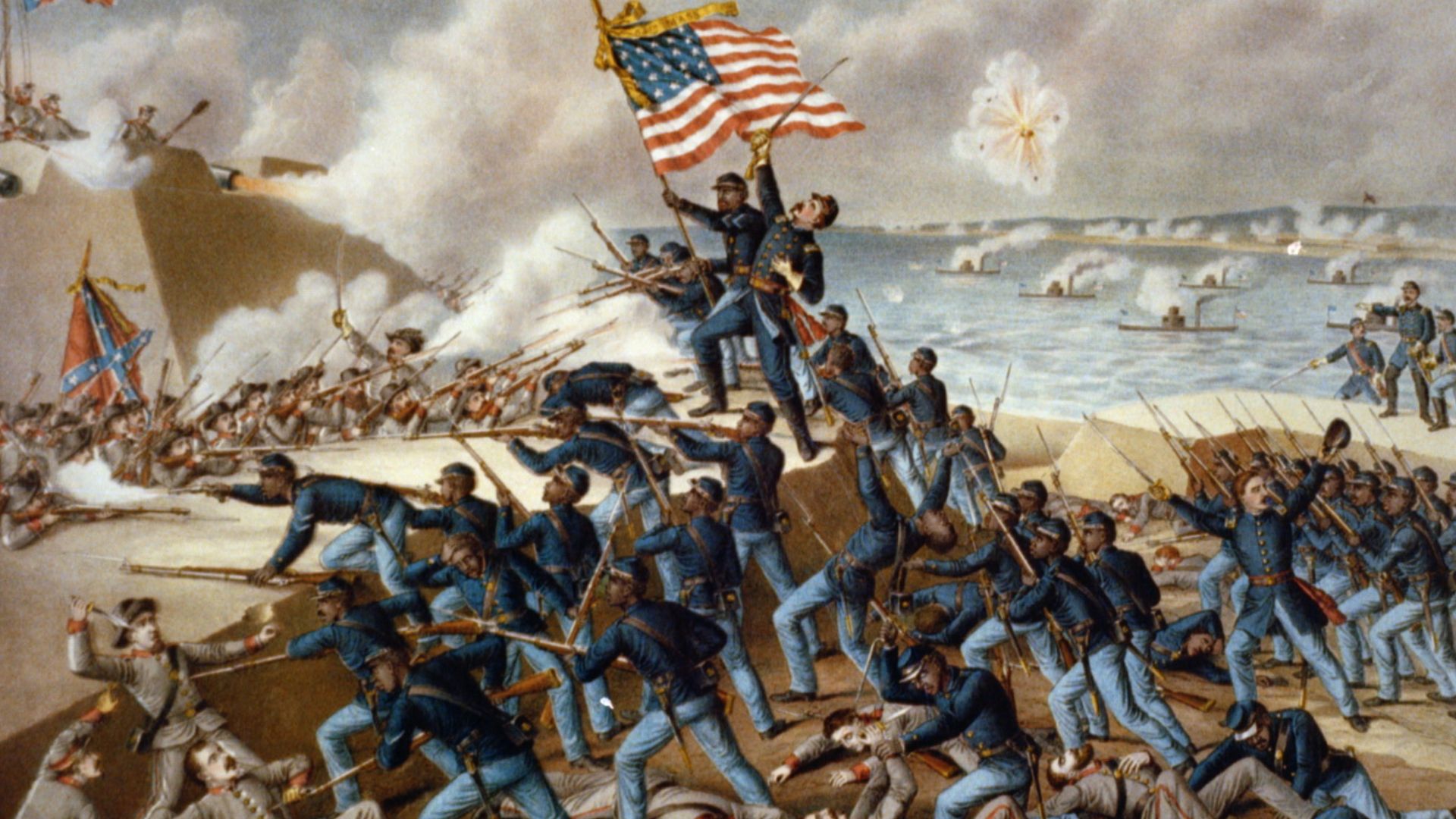
- A) 61st Alabama Infantry
- B) 54th Massachusetts Infantry
- C) 101st Louisiana Regiment
- D) 1st South Caroline Infantry
Answer:
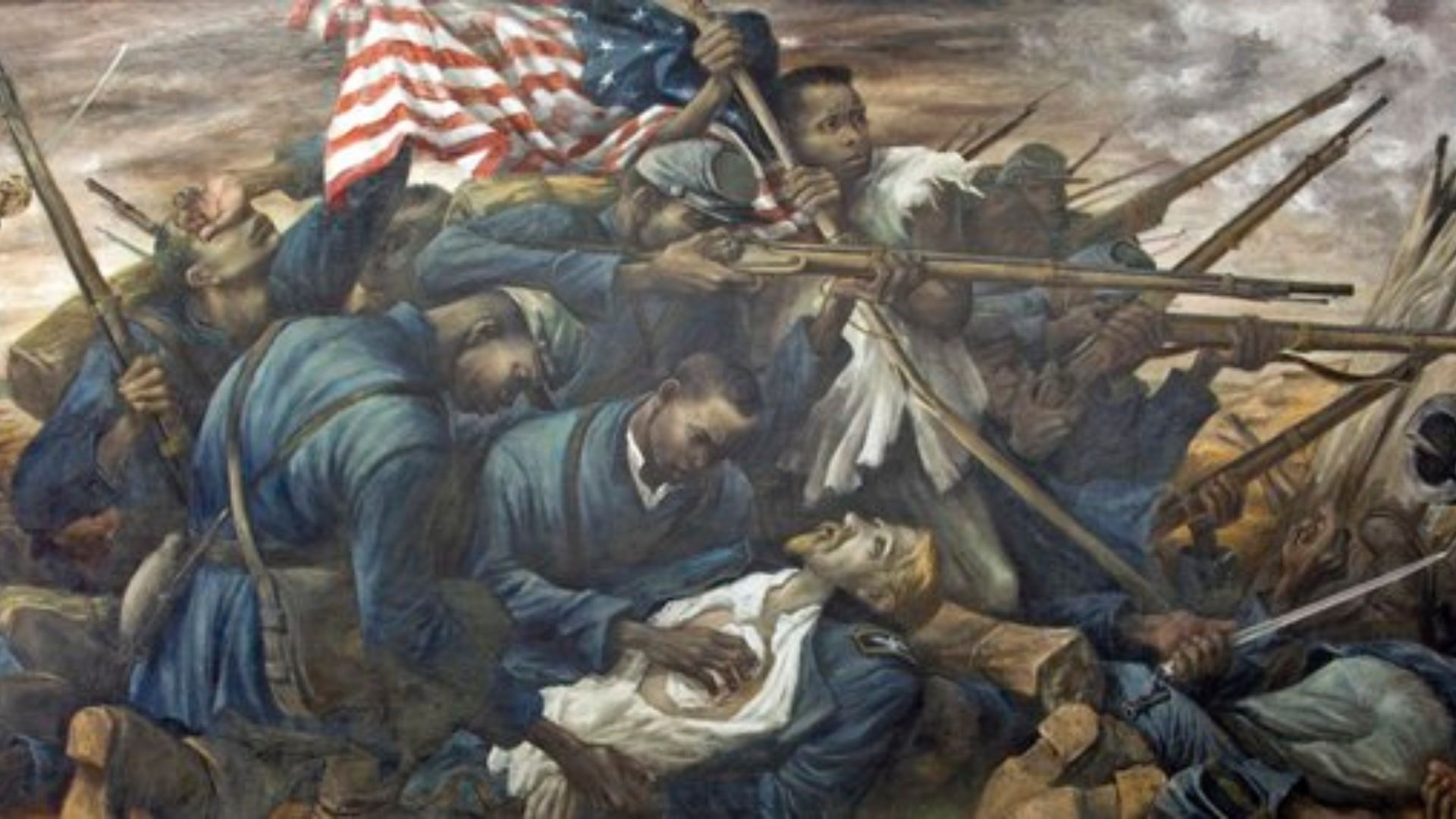
54th Massachusetts Infantry
What famous World War II Army general was considered a well-dressed, very aggressive, and determined leader with a sailor’s mouth, who also had a popular Hollywood film created about him?
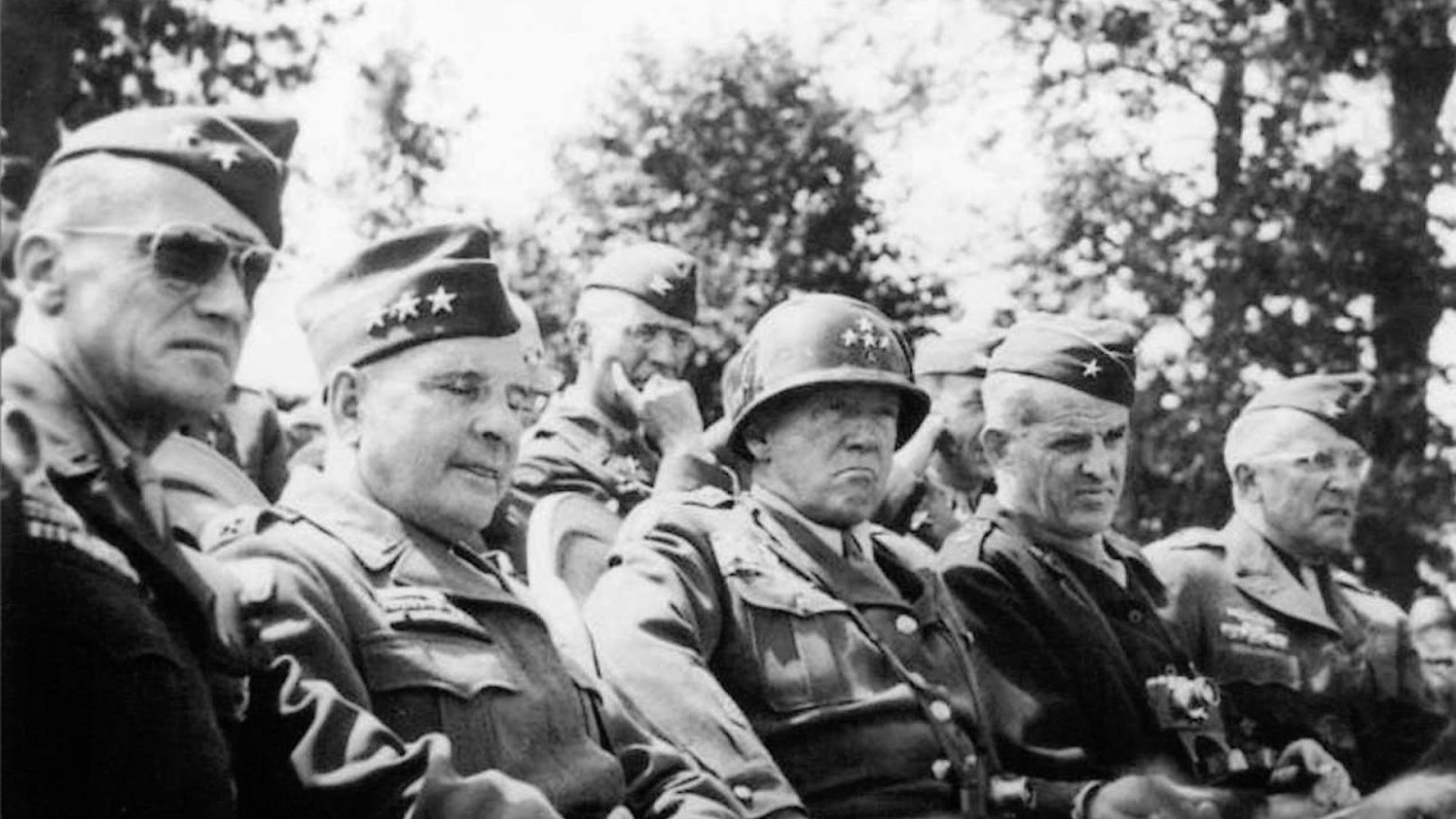
- A) George W. Bush
- B) George S. Patton
- C) Dwight D. Eisenhower
- D) Douglas MacArthur
Answer:
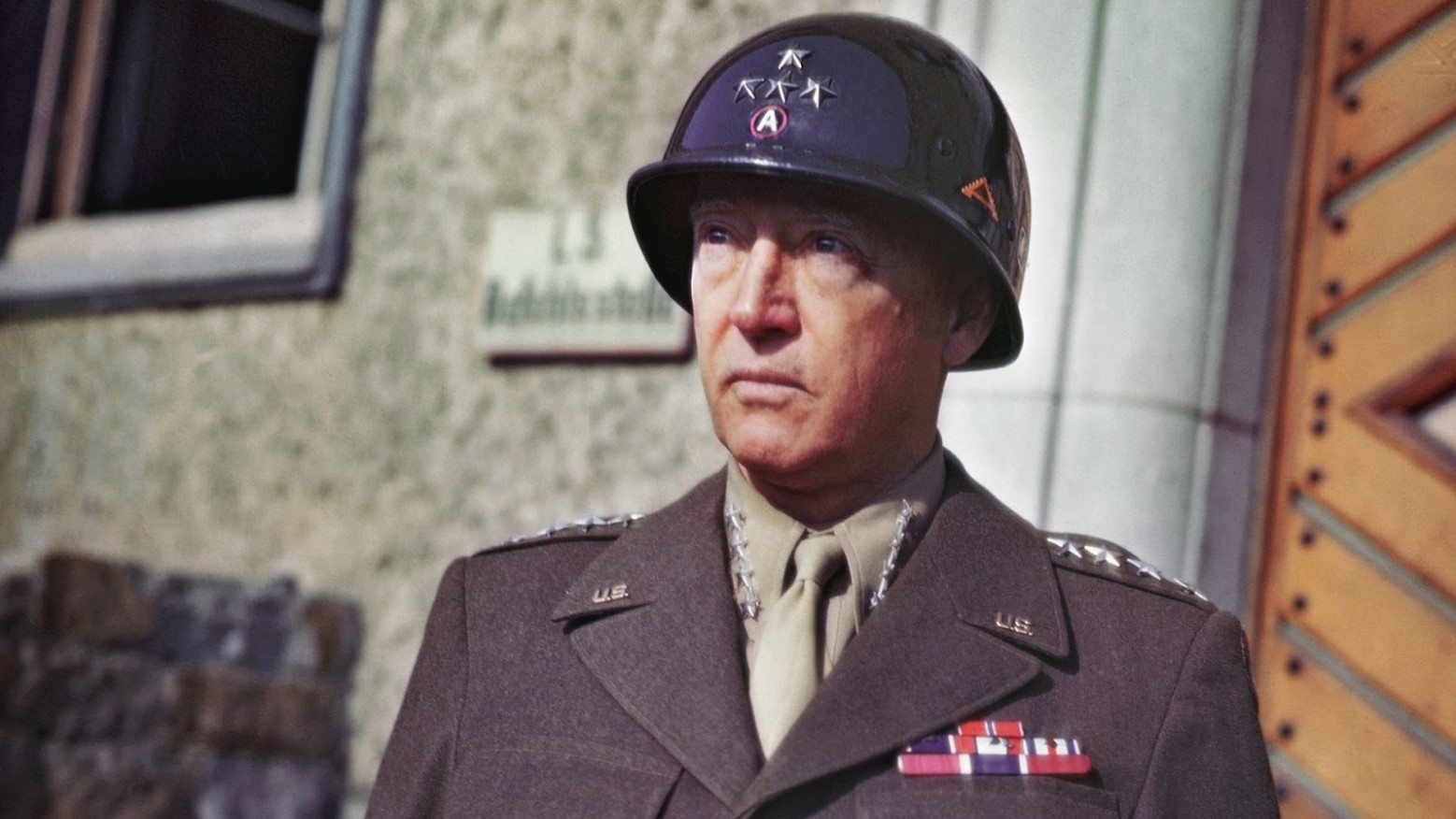
George S. Patton