The U.S. and England Are Fighting Over One of Britain’s Most Important and Historic Art Pieces
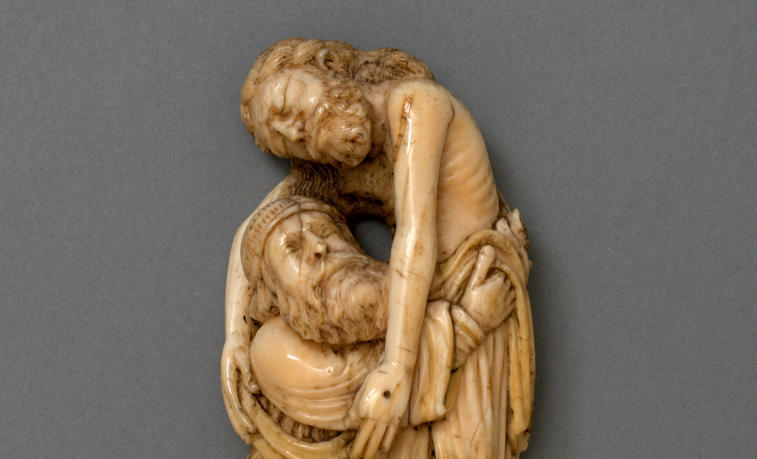
Why is the sculpture coming to the U.S.? And what is the importance of this relatively unknown art piece? Let’s get into it.
The Museum Is Asking for £2 Million in Donations
The museum is pleading with the public for a donation of two million pounds to keep the 830-year old ivory sculpture in the U.K. Believing that the art piece is part of a large body piece, the museum is hoping to eventually find the other fragments of the original priceless masterpiece.
The museum believes that the sculpture's importance extends beyond art-history. Many believe that the sculpture preserves one of the most important events of English history through its depiction of Christ.
What Is the Sculpture?
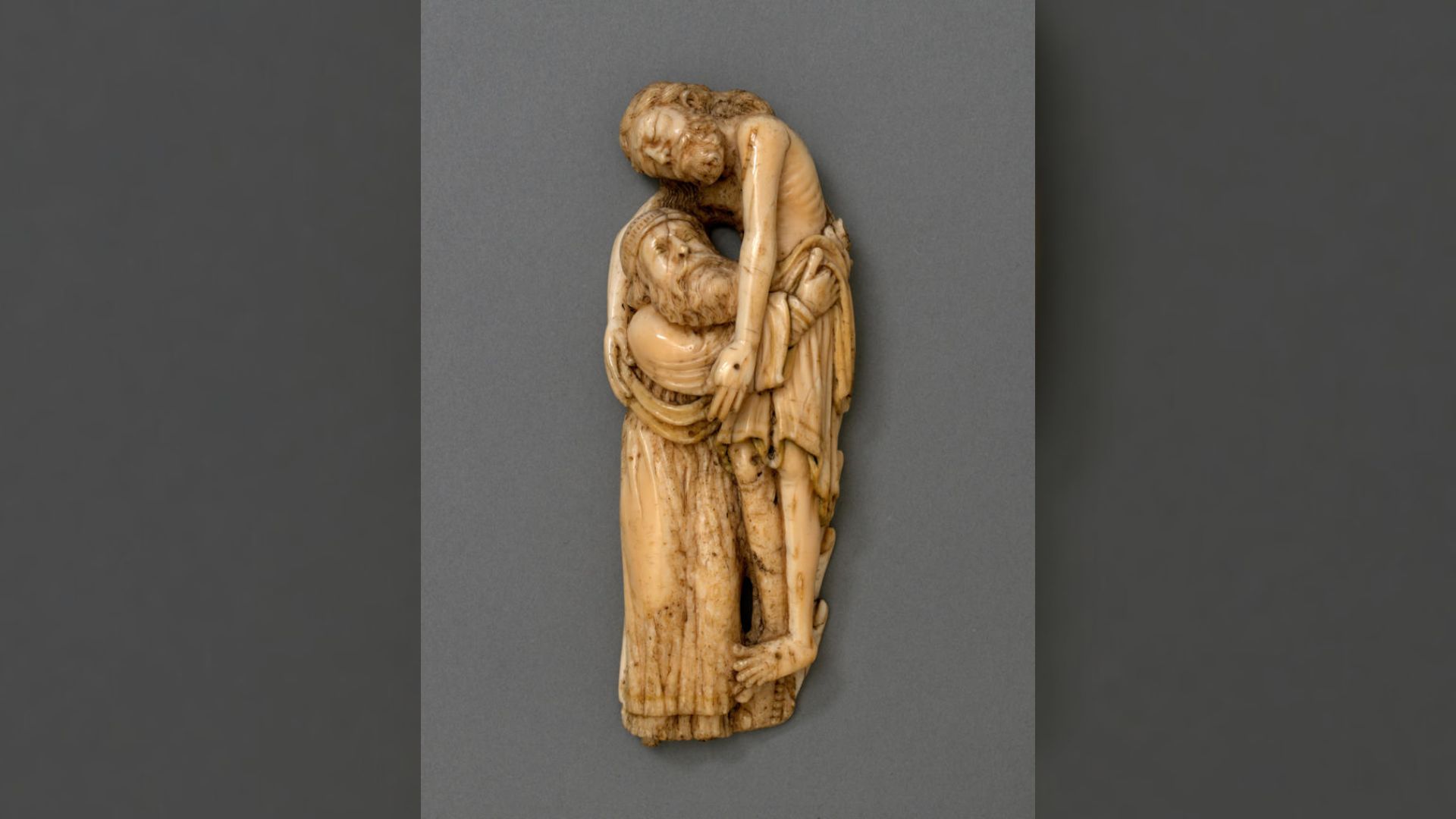
Other pieces thought to exist include the Last Supper, Judas betraying Christ in the Garden of Gethsemane, the crucifixion, the entombment, and the resurrection.
Other Fragments of the Piece Might Have Survived
If the other fragments have survived time, then they are more than likely in private collections or in small museums in Britain or overseas. If the original multi-scene has survived and is able to come together, then it would be an unparalleled masterpiece.
The ivory sculptures together could be worth tens of millions of pounds. It seems that Britain is eager to have the masterpiece displayed one day in its museums, or, at the very least, one piece of the masterpiece.
Researchers Have Discovered Only Two Fragments

One of the richest and most powerful noble families in England, the de Warennes, commissioned a York sculptor in the 12th century to create the sculpture. The de Warennes ancestor was most notably a senior companion of William the Conqueror at the Battle of Hastings.
The History Behind the Sculpture
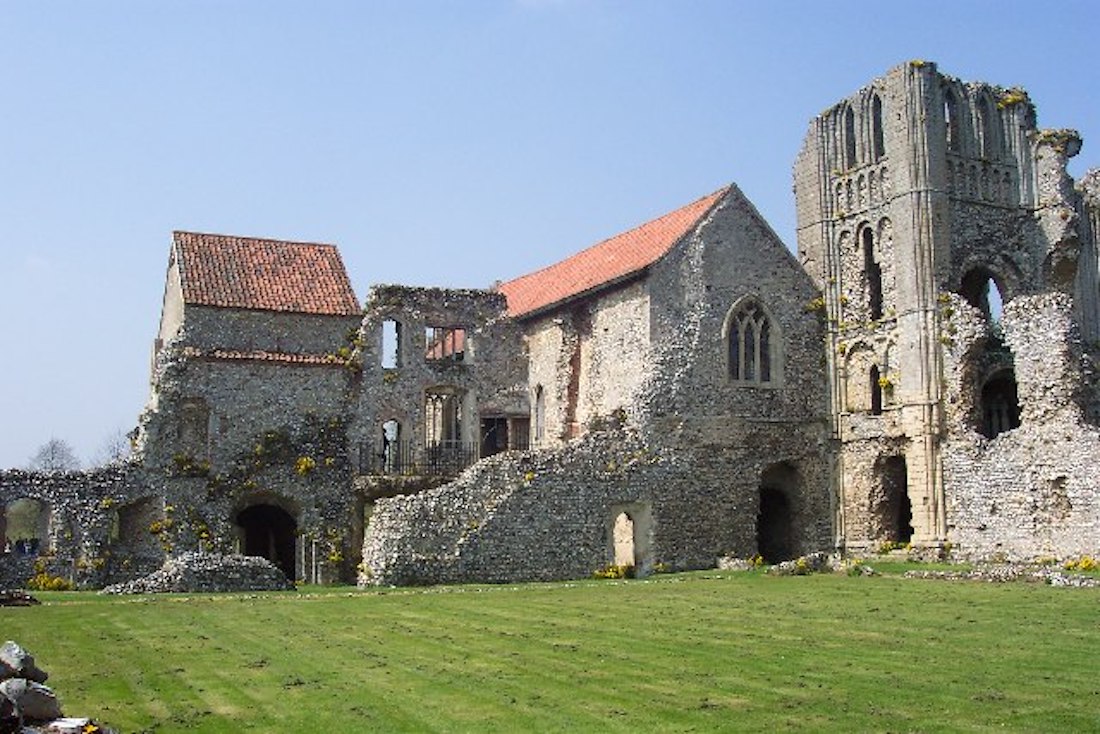
Most people are familiar with the de Warenne name as one of their main castles is two miles from Wakefield. Researchers currently suggest that the sculpture likely resided in one of the chantry chapels inside the parish church, which has now become a cathedral, in the Yorkshire town of Wakefield throughout the Middle Ages.
Speculators suggest that the artwork may have also appeared in one of the four independent chantry chapels throughout Wakefield, with one still existing today.
Where Did They Display the Sculpture?

Research suggests that the artpiece most likely remained in Wakefield for hundreds of years until 1545 or 1547 during a nationwide suppression of the chantries.
What Happened to the Sculpture?
The ivory series either partly seized, partly destroyed, or split apart, with some pieces remaining lost to history. However, local Catholic houses hid two other pieces of the masterpieces for centuries, and they have survived.
What Other Fragment Is Known?
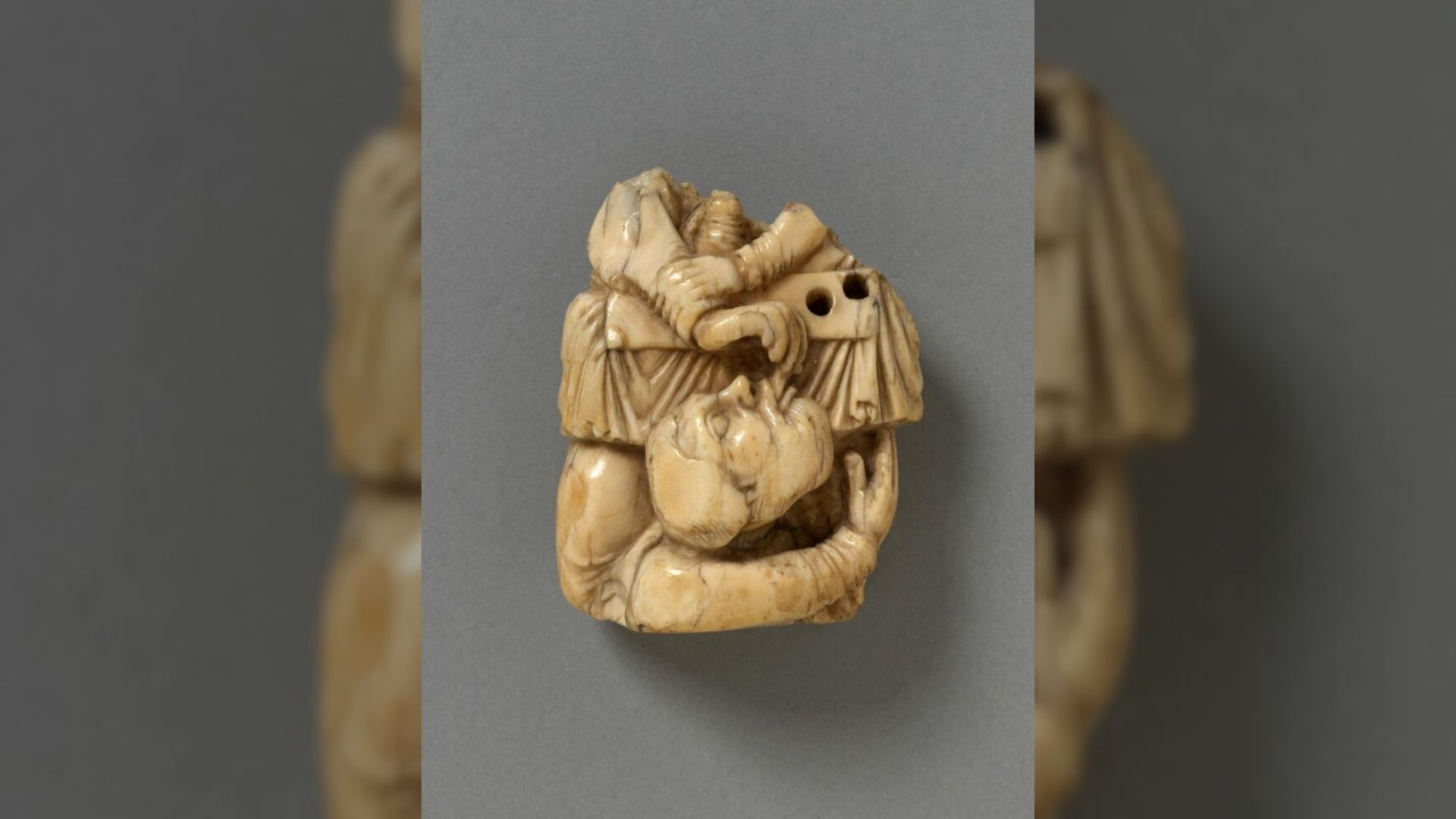
The other fragment depicts Christ offering Judas a piece of bread during the Last Supper. In 1769, someone discovered the piece hidden inside a house near a church on Northgate, a street that still exists today in Wakefield.
The Independent suggests that this house may have belonged to one of the church chantry chapel priests who hid the peace during the English Reformation. However, the remaining scene of the deposition remains hidden.
Researchers Are Still Rediscovering Other Catholic Sculptures
While these pieces do remain hidden, there has been a great effort to recover lost art. Catholics hid most medieval sculptures made of wood and alabaster, but researchers have discovered them on the same street as the ivory Judas and Christ Last Supper sculpture.
In 1756, a false ceiling in the home of a church chantry chapel priest yielded the discovery of 25 Catholic sculptures. A century later, another house near the church found religious stone statues inside the wall.
Why Does the U.K. Want to Keep the Sculpture?
“The successful acquisition of the "Deposition from the Cross" by the V&A would allow for the sculpture to be reunited with the only known surviving piece of the same ensemble, a fragmentary ivory carving of Judas at the Last Supper, discovered in Wakefield during the 18th century, which is currently in the V&A Collection,” said the museum.
A Reflection of Britain's Long History With Religion
The sculpture is “an example of the craftsmanship and taste at the highest levels of society in the north of England in the late 12th century,” James Robinson, the V&A’s acting director of collections, said to the Independent.
He continued: “This compelling work offers a rare, tantalizing glimpse of the sophistication and emotional power of art in England in the Middle Ages, a legacy that was almost entirely obliterated by the iconoclastic ravages of the Reformation.”