What Caused the 1917 Russian Revolution?
While World War I affected the rest of the world, Russia faced a political struggle.
The 1917 Russian Revolution enabled political and social change in Russia and eventually led to the Soviet Union.
Russia and the Industrial Revolution
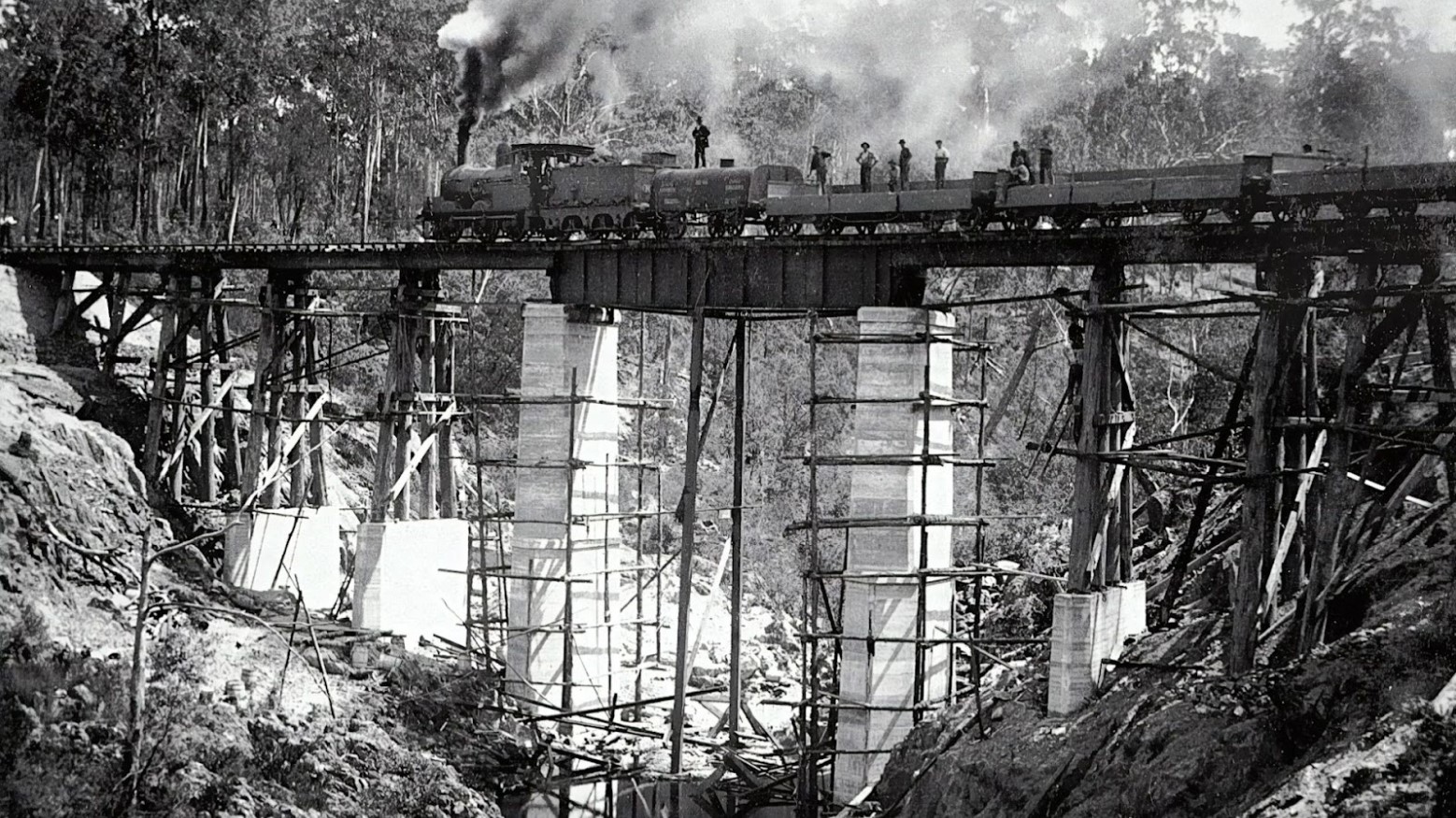
Russia experienced the Industrial Revolution much later than other countries, not undergoing industrialization until the 1800s.
According to Alpha History, it had been avoided because Russian landowners were worried it would affect their finances. It only occurred when the Crimean War proved to Russia how the lack of weapons and machinery led to their defeat.
Russia Experienced Major Food Shortages

Toward the end of the 19th century, Russia experienced a series of hardships that resulted in the country having major food shortages, according to History.
This included an increased population, a harsh growing season, and several wars that cost Russia a lot of money.
The Russo-Japanese War Weakened Russia
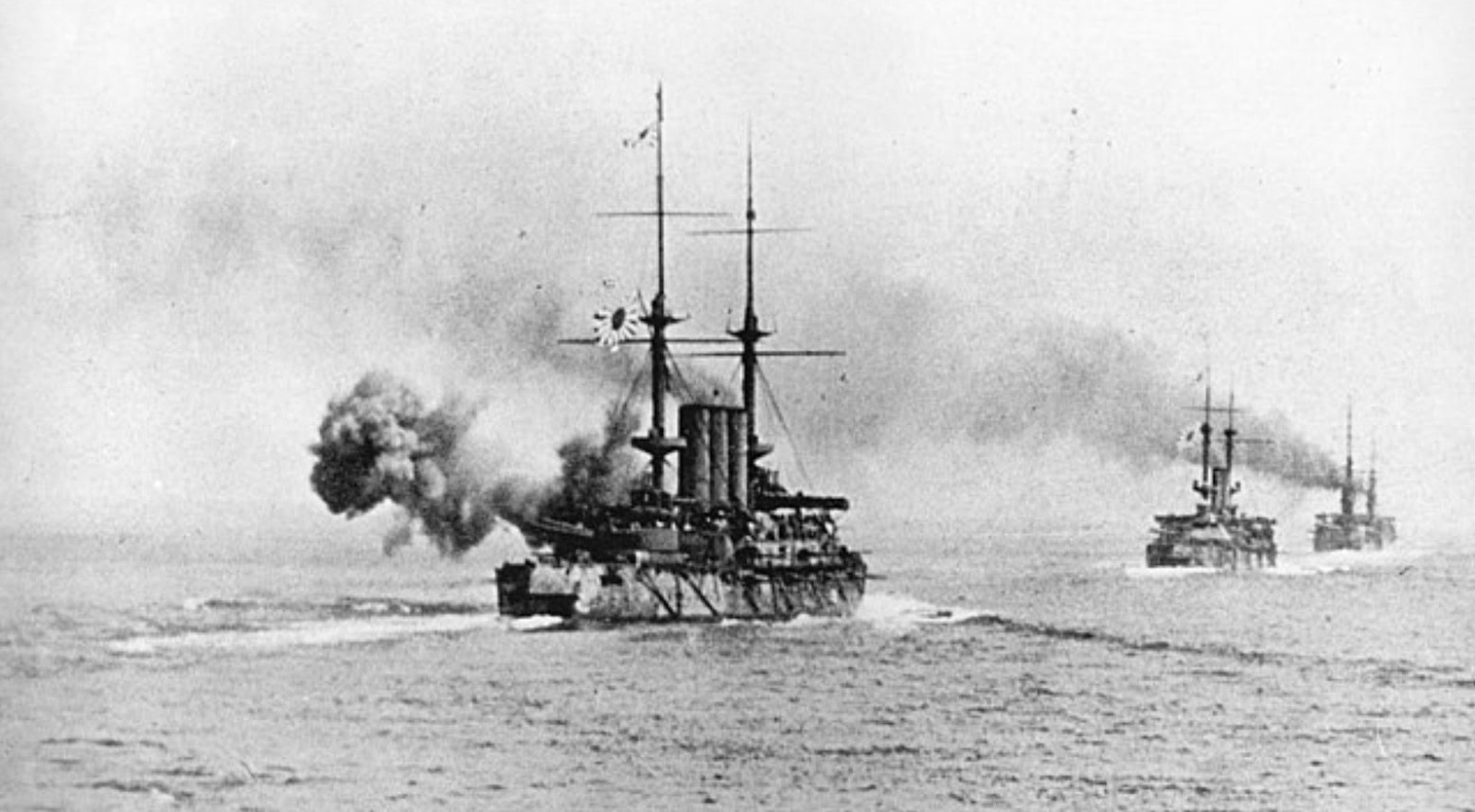
The Russo-Japanese War occurred between 1904 and 1905, which didn’t work in Russia’s favor.
Russia ultimately lost the war, which cost the country a lot of money. Unhappy with this and other factors, History reports that this only caused Russians to become angrier with their ruler.
Russians Were Unhappy with Czar Nicholas II
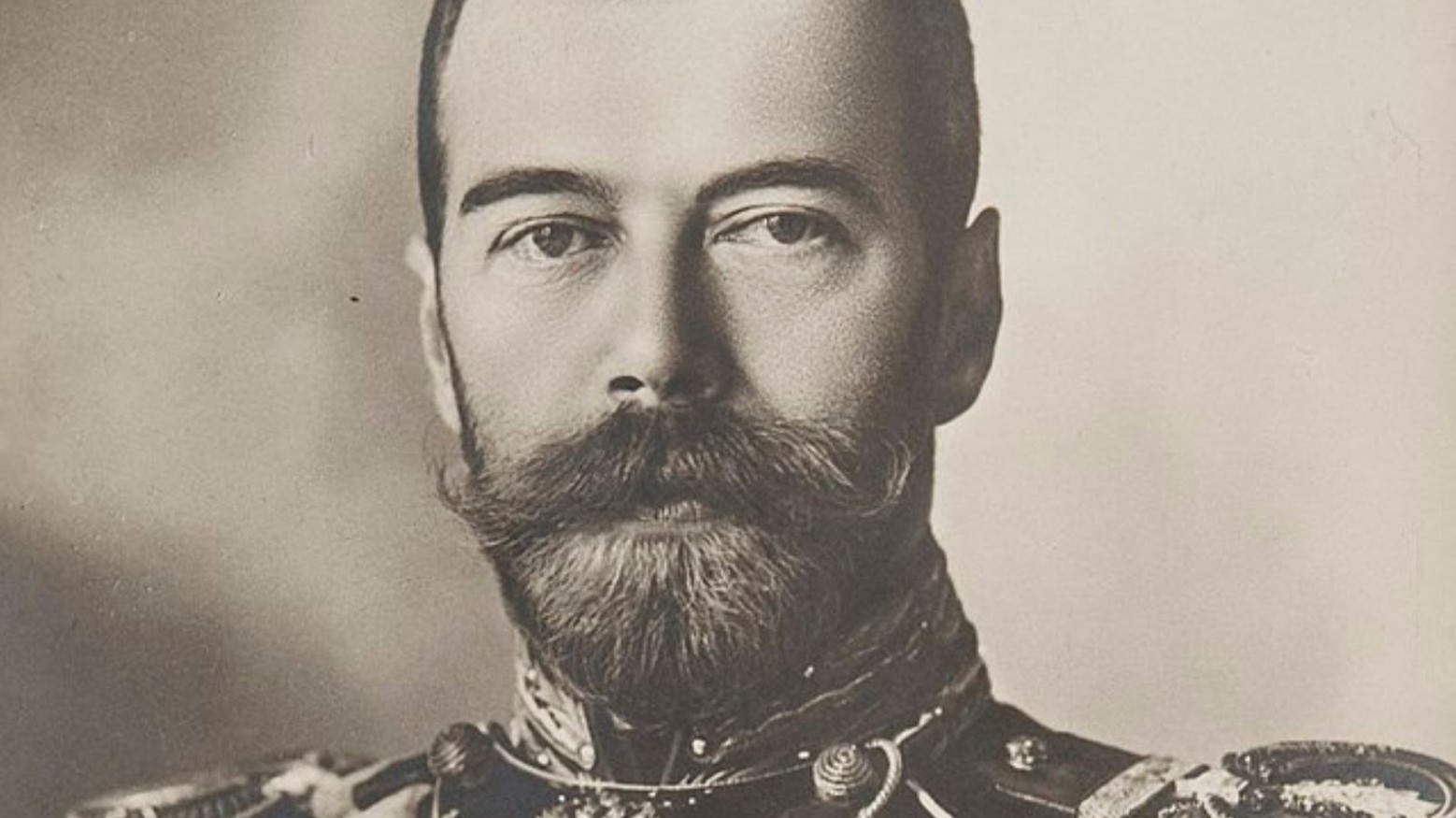
In 1896, Russians came under the rule of what would become the last czar, Czar Nicholas II.
History reports that he ignored the call for reform from his people, was not trained to rule Russia, and entered the country into countless unnecessary wars that cost Russia money and lives.
Czar Nicholas II Married a German Woman
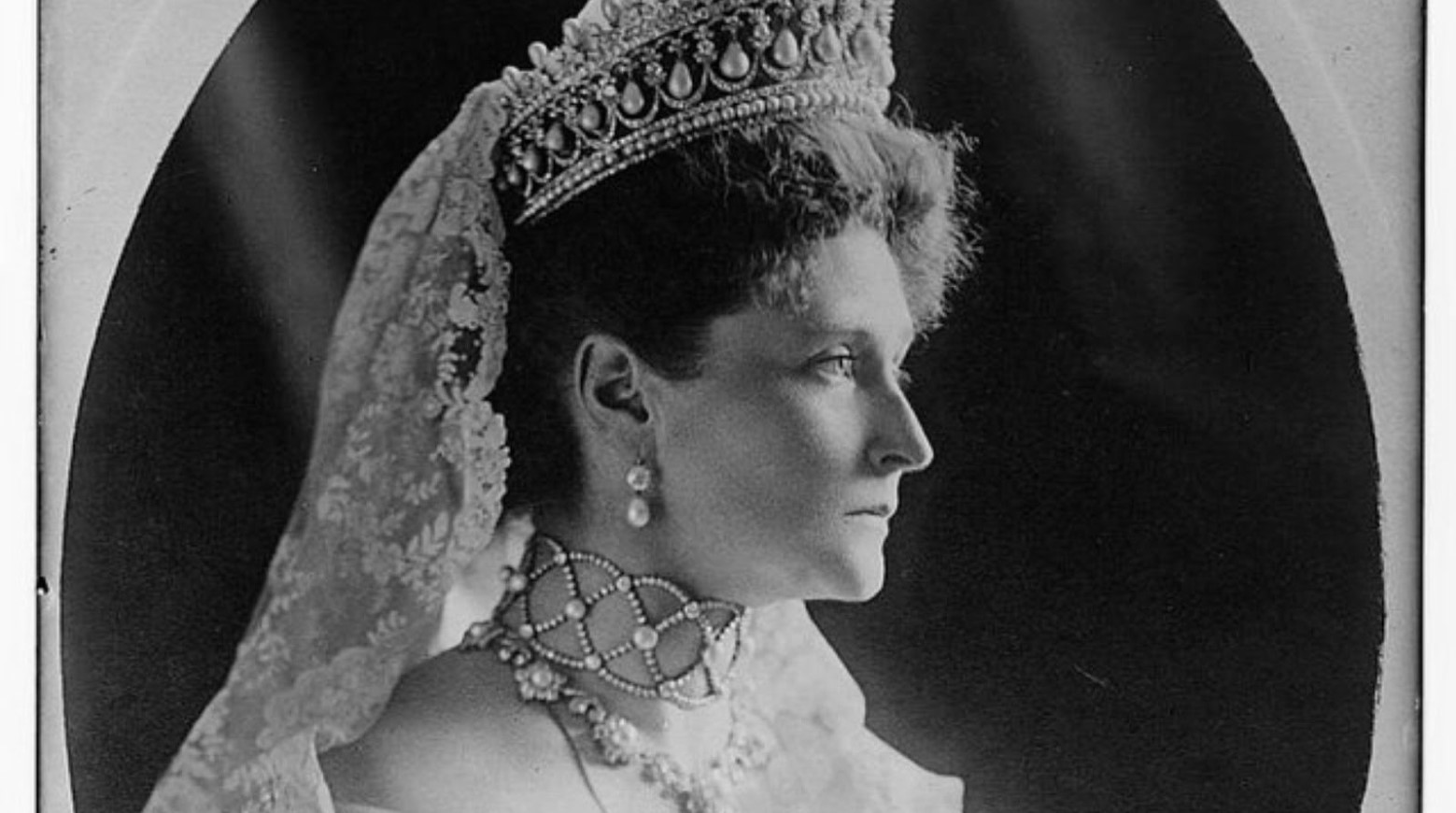
Before he came into power, Nicholas II married the German-born Princess Alexandra.
She greatly influenced her husband, which would later prove to be part of the reason for the 1917 Russian Revolution.
The 1905 Russian Revolution
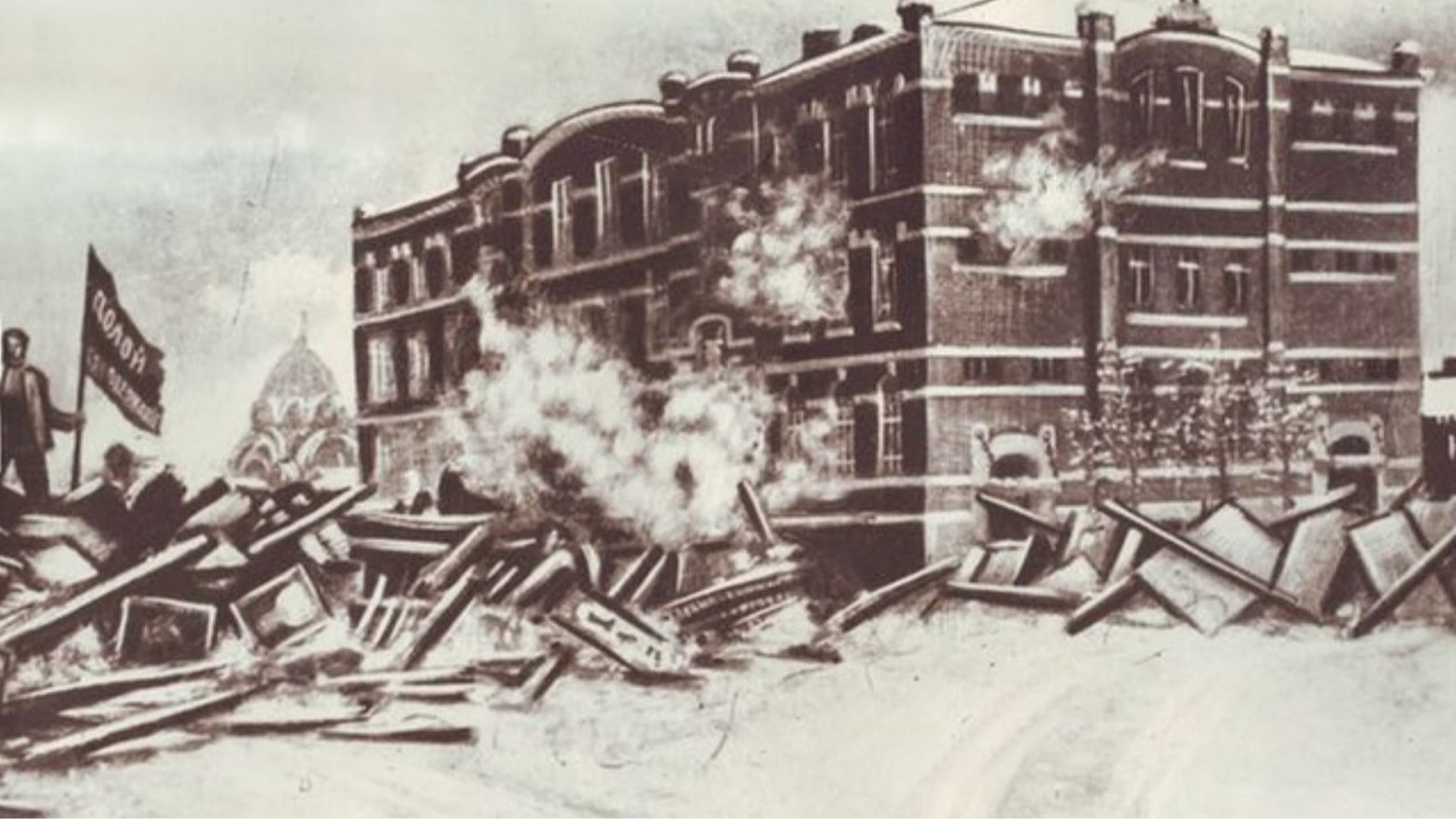
Before the 1917 revolution, another revolution happened a decade earlier, in 1905.
During a protest by industrial workers, many were shot in what became known as "Bloody Sunday." Alpha History reports that this was the tip of the iceberg that led the Russians into an unplanned revolution.
The Promise of Reform
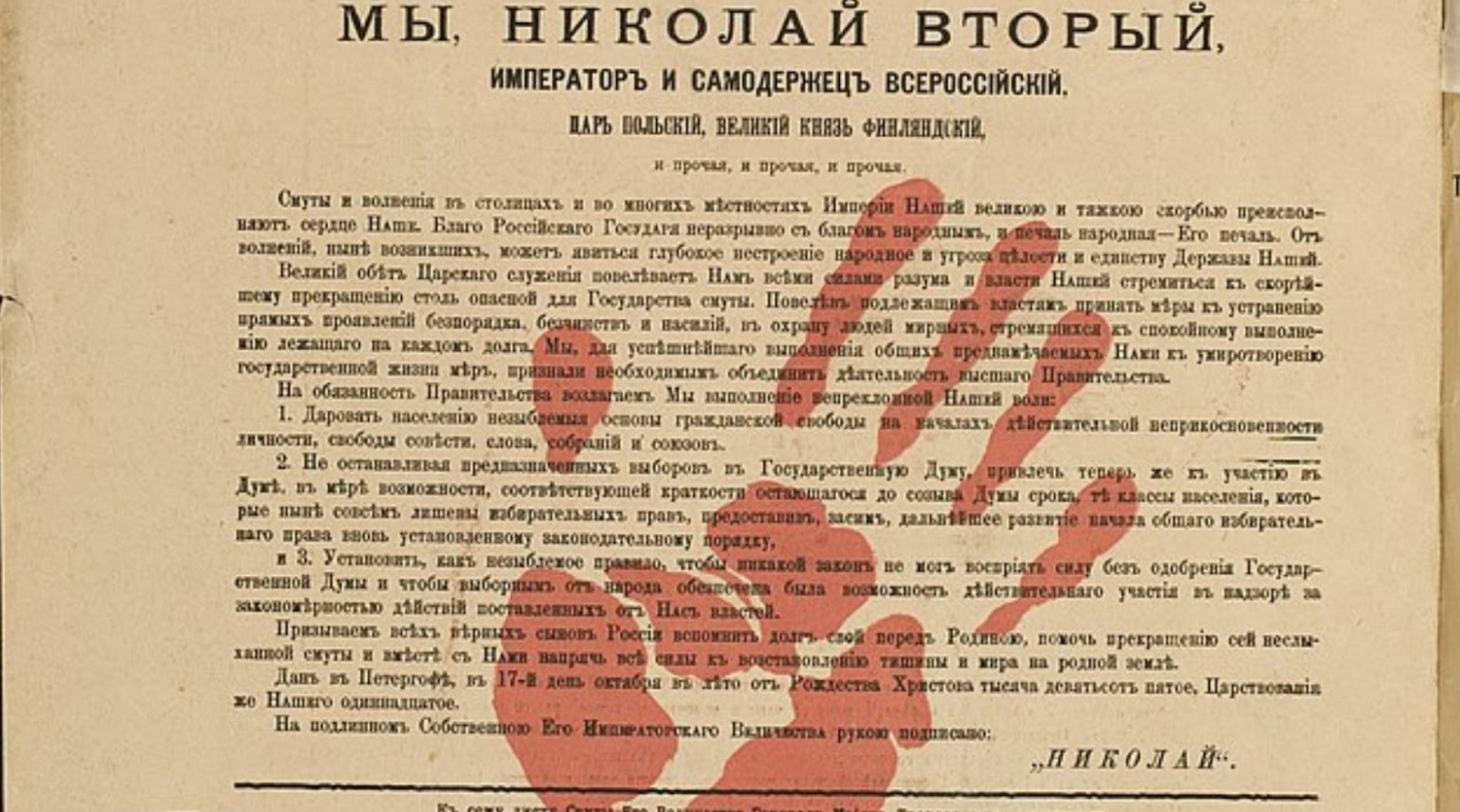
After the 1905 revolution, Czar Nicholas II recognized the need for change to prevent another revolution.
In his 1905 manifesto, Nicholas II promised to give the Russian people the freedom they had previously been denied. According to Marxists, this included freedom of speech.
World War I Didn’t Help Matters
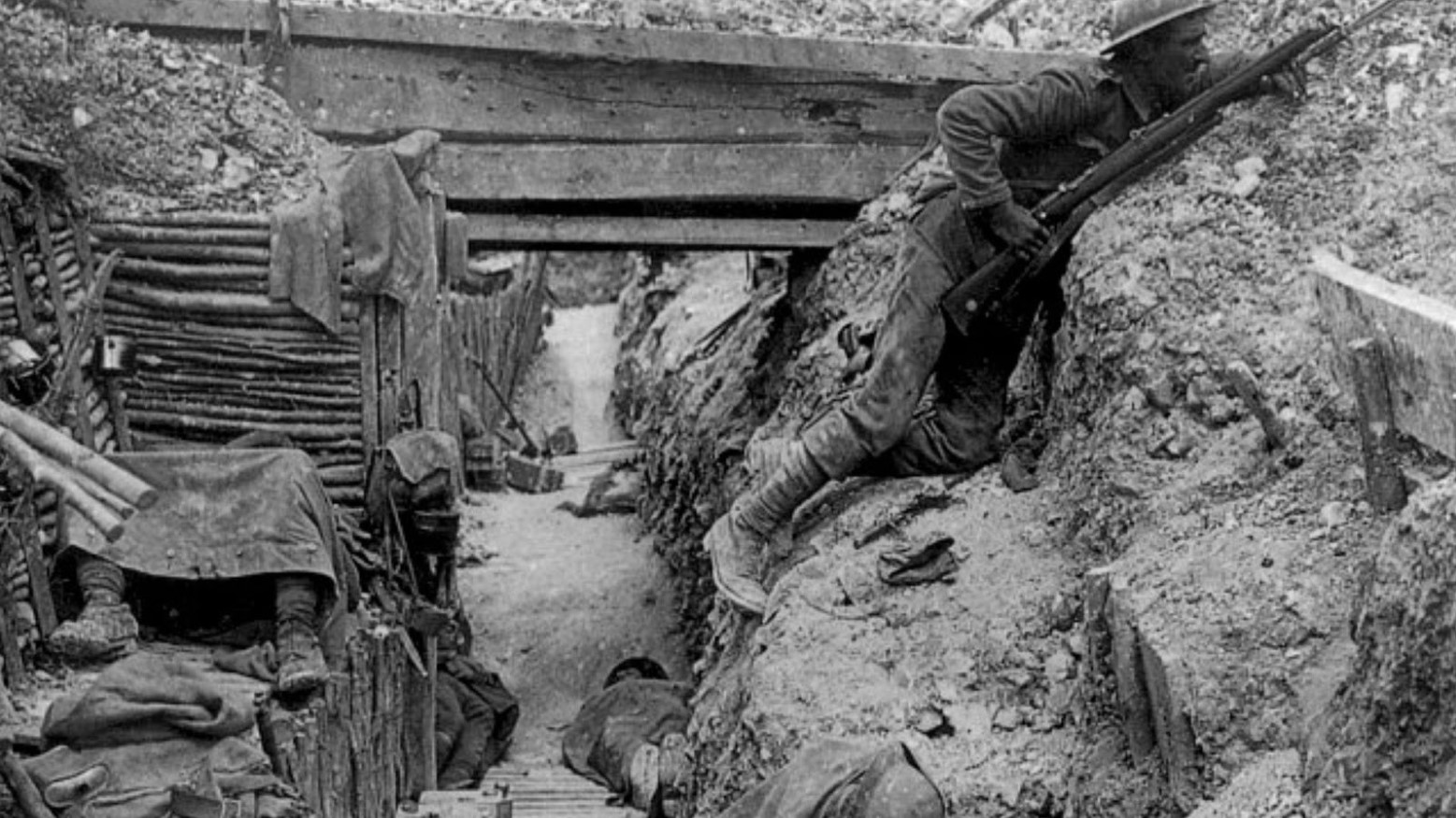
Despite the promise of reform, the outbreak of World War I only proved how unprepared Russia was for war.
Russia was still in the process of industrialization, and a weakened economy and food and fuel shortages only weakened its position and provoked even more anger in the Russian people.
Czarina Alexandra Took Over Her Husband’s Duties
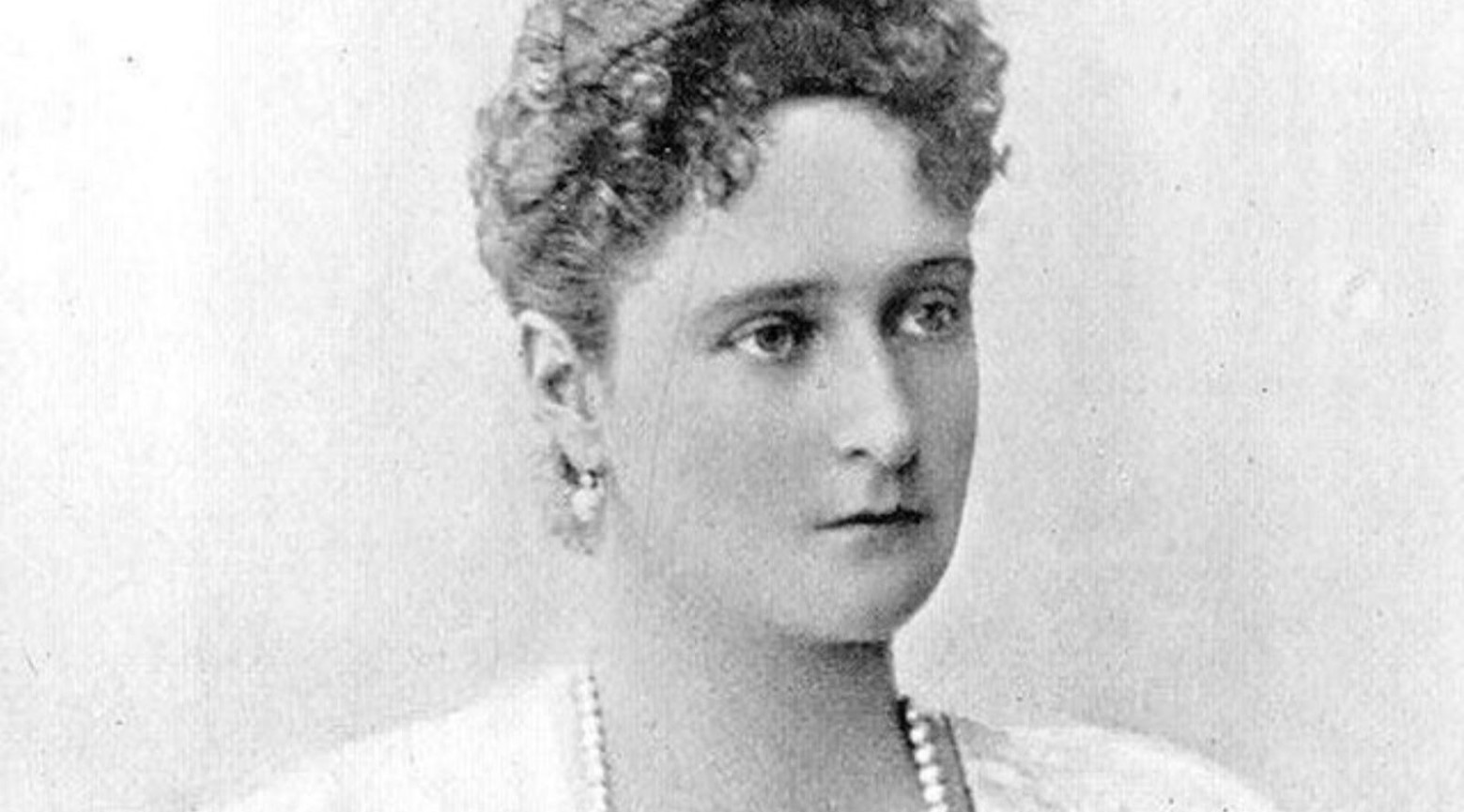
While Nicholas II was out leading Russian troops during World War I, Czarina Alexandra took over his duties.
She worked with her adviser, Gregory Rasputin, and began dismissing ministers. According to Spartacus Educational, this led some Russians to believe they were leaders of a pro-German court group. They were using this to separate the peace of Central Powers to help Russia’s autocratic survival.
Russians Had a Loss of Faith in Czar Nicholas II
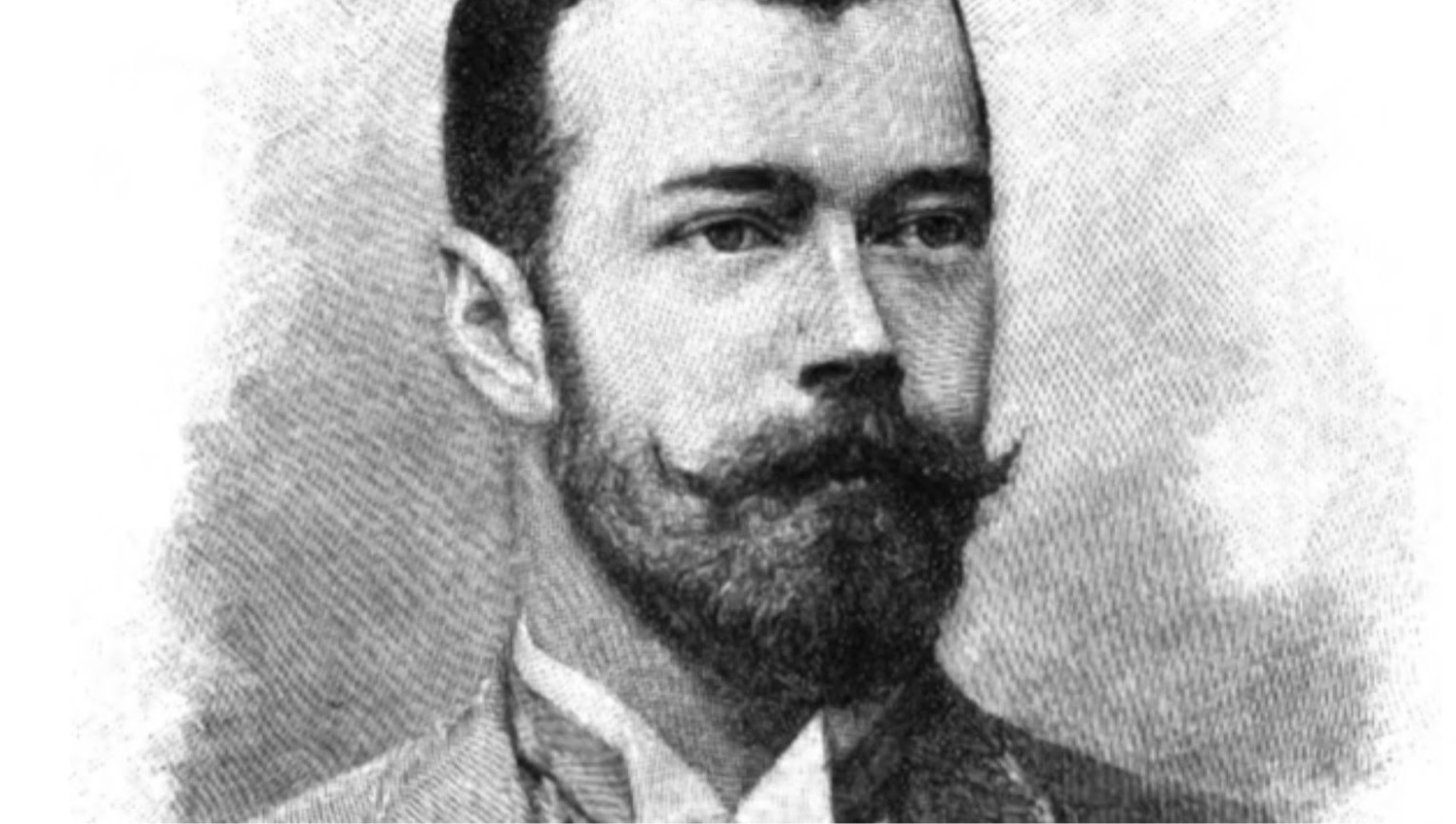
After the ongoings of World War I and with Alexandra seemingly taking over from her husband, many Russians were left increasingly unhappy.
That this seemed to be the final straw for many, and the 1917 Russian Revolution began.
The Russian Revolution Saw a Rise in Communism
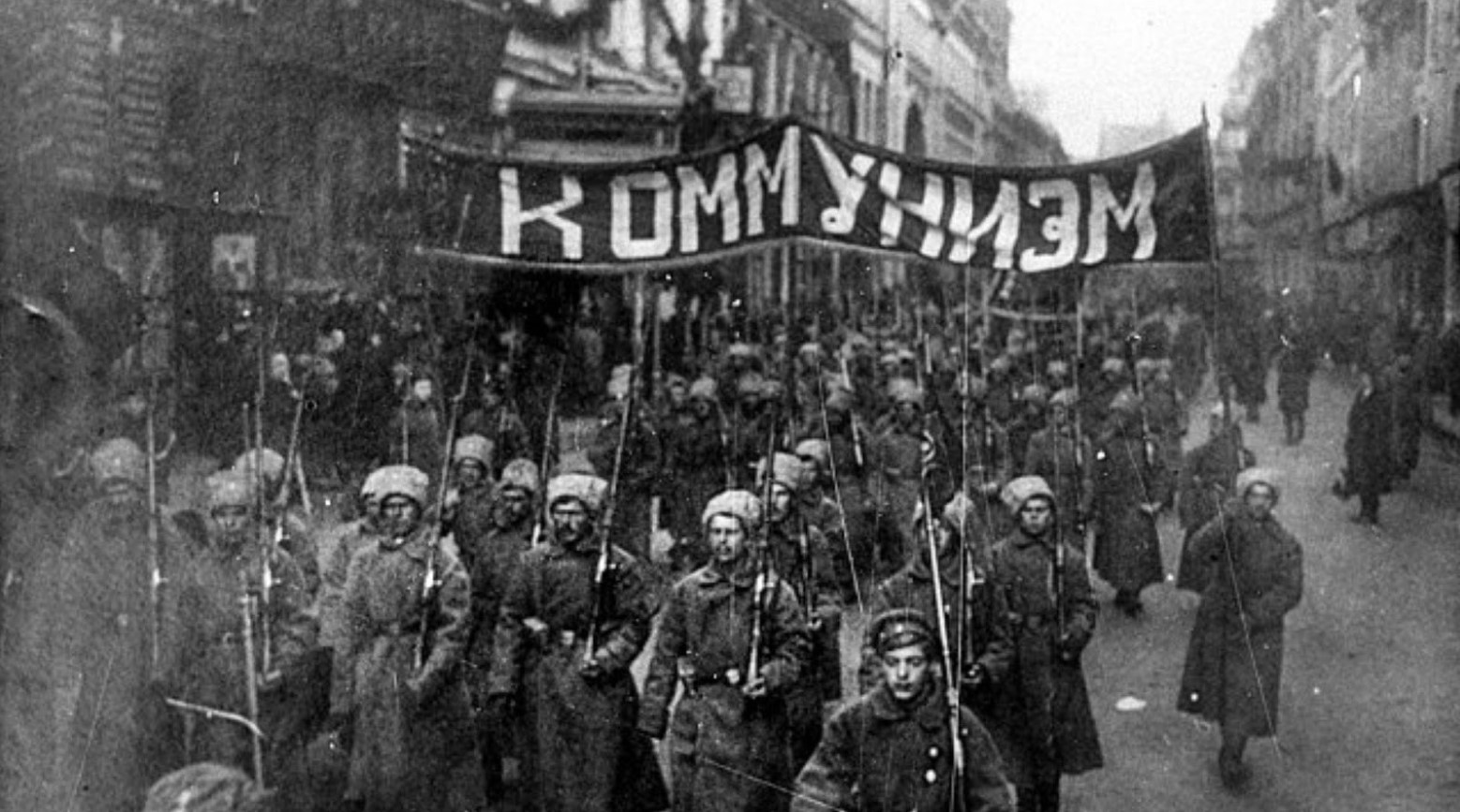
At the beginning of the 1917 Russian Revolution, Czar Nicholas II abdicated, ending the czar's rule of Russia.
A civil war followed in Russia, and History reported that the end of the Russian Revolution saw the beginning of communism.