What Is the Hatch Act and Why Is It Important?
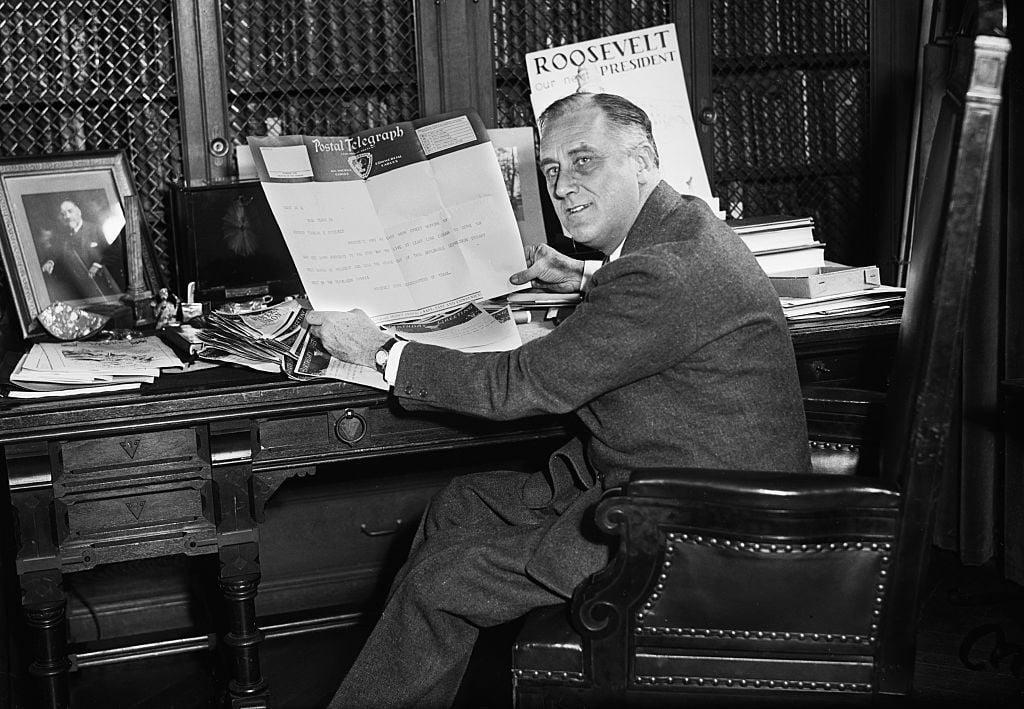
Many important laws keep the United States government running as smoothly as possible. Sometimes, new laws have to be made to help curb corruption from behind the federal doors. This is why the Hatch Act is important.
If you have never heard of the Hatch Act or are looking for a simple definition and a few examples of the act, then look no further! This is everything you need to know about the act.
What Is the Hatch Act of 1939?
Formally known as the An Act to Prevent Pernicious Political Activities, the Hatch Act of 1939 is a federal law in the United States that limits certain political activities of federal employees, including some state, federal, and local government employees working in connection with federally funded programs.
However, the Hatch Act notably excludes the President and Vice President from its restrictions. This exemption recognizes the unique political roles and responsibilities held by these executive branch leaders.
Definition of Hatch Act
The definition of the Hatch Act is fairly simple. The act is a “measure enacted by the U.S. Congress, aimed at eliminating corrupt practices in national elections,” (via Britannica).
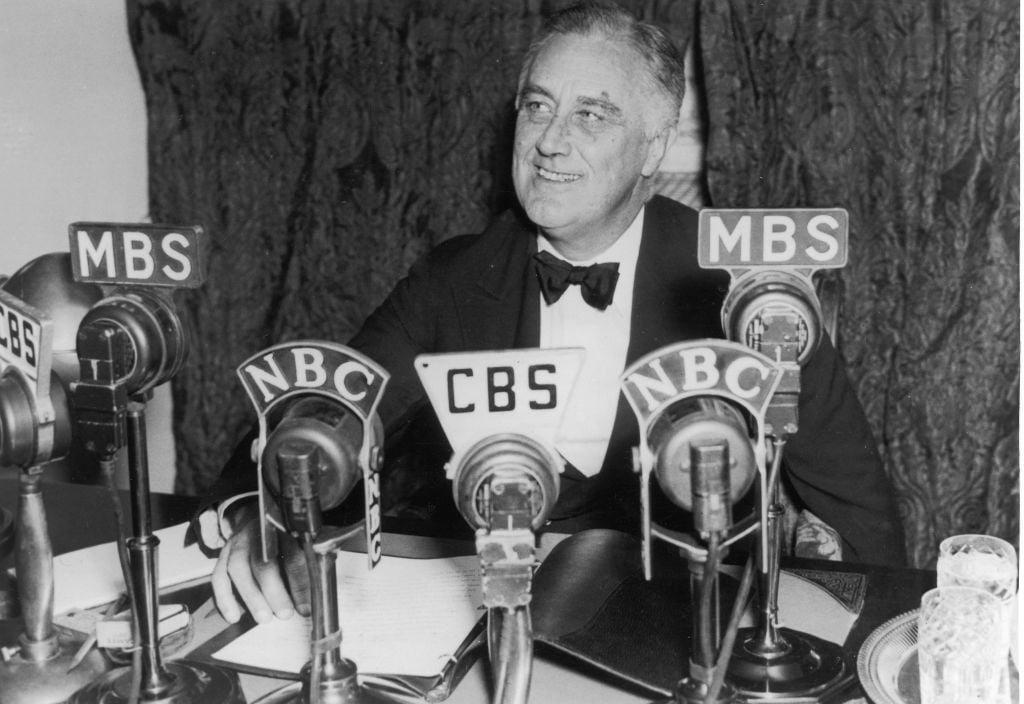
Following allegations of partisan meddling by WPA officials, Senator Carl Hatch of New Mexico swiftly drafted and sponsored the Hatch Act, which President Roosevelt promptly signed into law.
What Is the Hatch Act in Simple Terms?
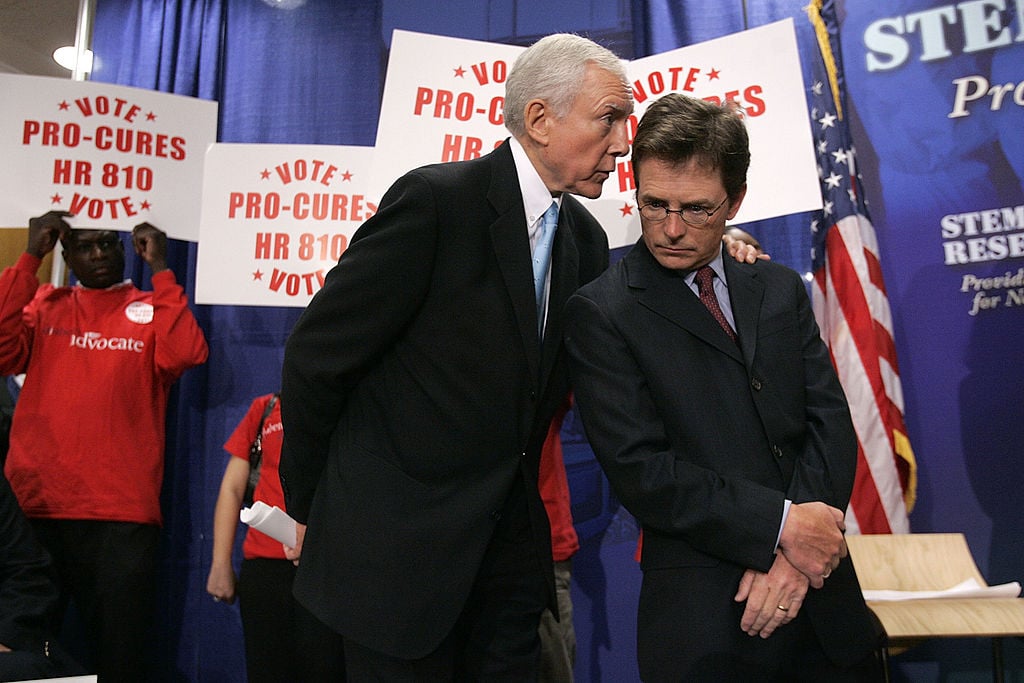
This law puts the brakes on any government worker (except the top two) trying to control voters with threats or bribes, if they're using federal funds. Political campaigns also operate under a restrictive framework imposed by the act.
Amendments prohibit members on the far left and far right from joining "any political organization which advocates the overthrow of our constitutional form of government,” (via “Secrecy: The American Experience”).
What Is the Work Progress Administration?
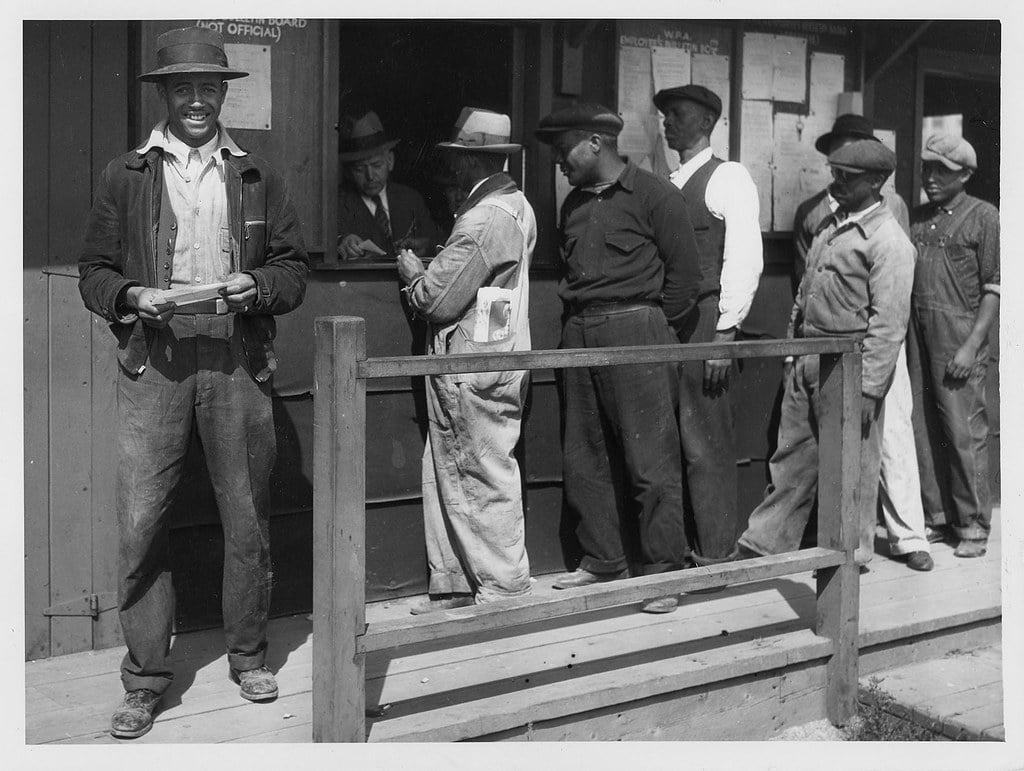
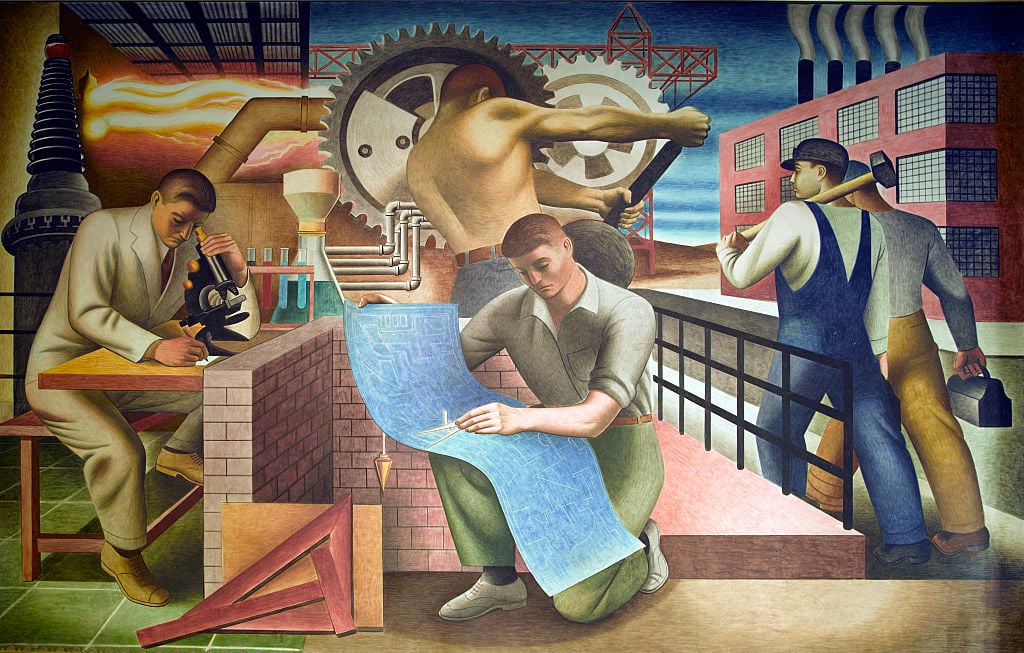
To help combat the devastating effects of the Great Depression, President Franklin D. Roosevelt launched the WPA program to tackle two huge problems at once: unemployment and crumbling infrastructure.
The WPA was a jobs machine, putting millions of Americans back to work, and building highways and other infrastructure that the country needed. However, some government employees started to use these federally paid WPA employees to do political work.
What Was the Purpose of the Hatch Act?
You might be wondering, “What is the purpose of the Hatch Act?” There are two main purposes of this act. One of the purposes is to ensure a neutral and professional federal workforce that is free from partisan political influence or coercion.
The second purpose of the act is to prevent the use of government resources for political campaigning.
Why Is it Important?
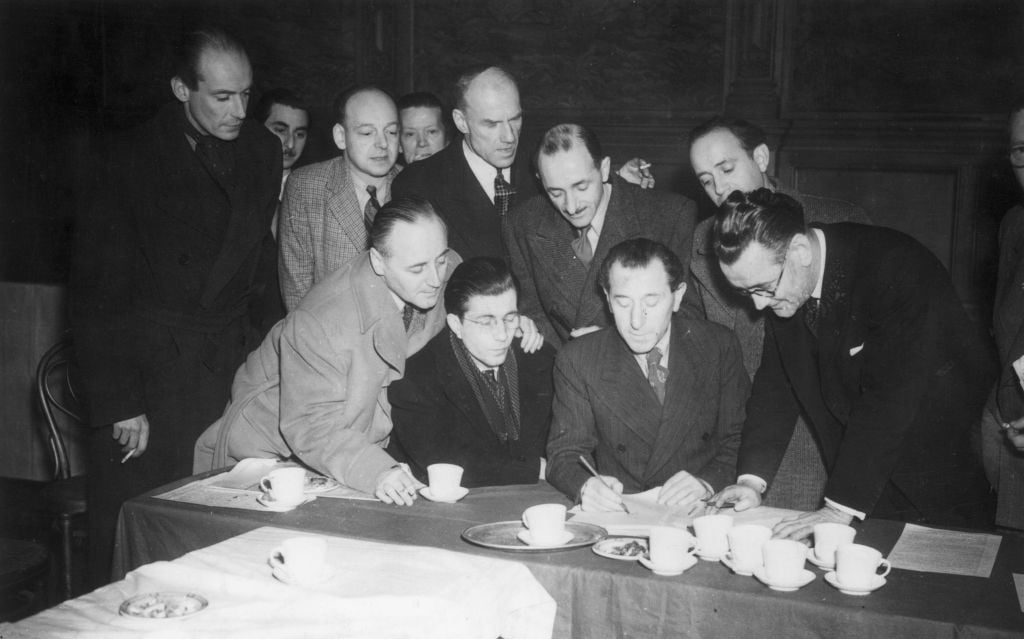
There are several reasons why the Hatch Act is important for the U.S. Some of the reasons include maintaining a neutral government workforce, preventing abuse of power, and balancing public service and political participation.
The act is a vital tool to maintain a neutral and professional government workforce within the U.S., protecting the public’s trust in the government.
Amendments Over the Years
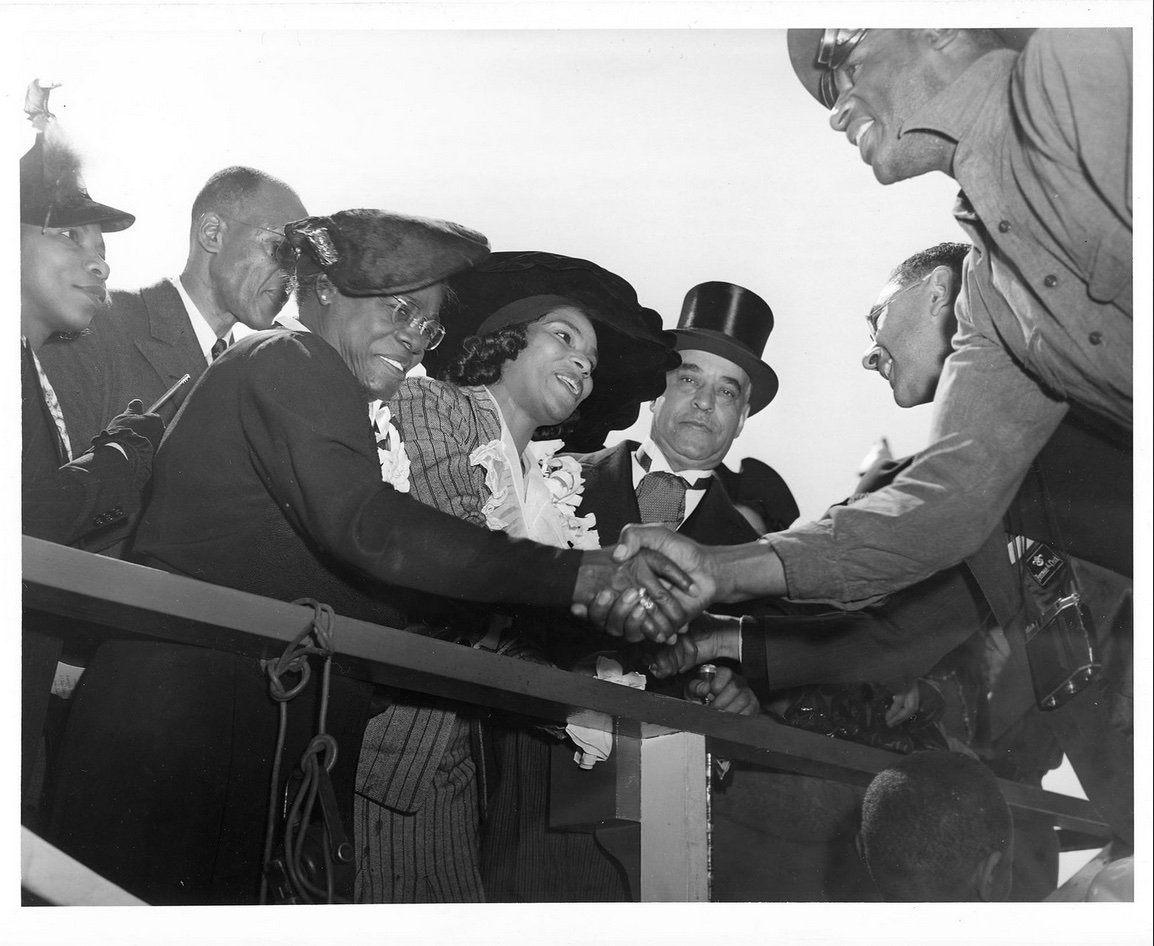
Since its passing in 1939, the act has undergone several amendments and clarifications to reflect the changing political landscape and social norms. Several of the most important amendments to the act allowed employees to register and vote for candidates, and solicit and distribute political material outside of work.
The Amendments have gradually increased the scope of political activities permitted for federal employees. Despite the challenges, the government maintains its commitment to neutrality and non-partisan service.
What Is an Example of the Hatch Act?
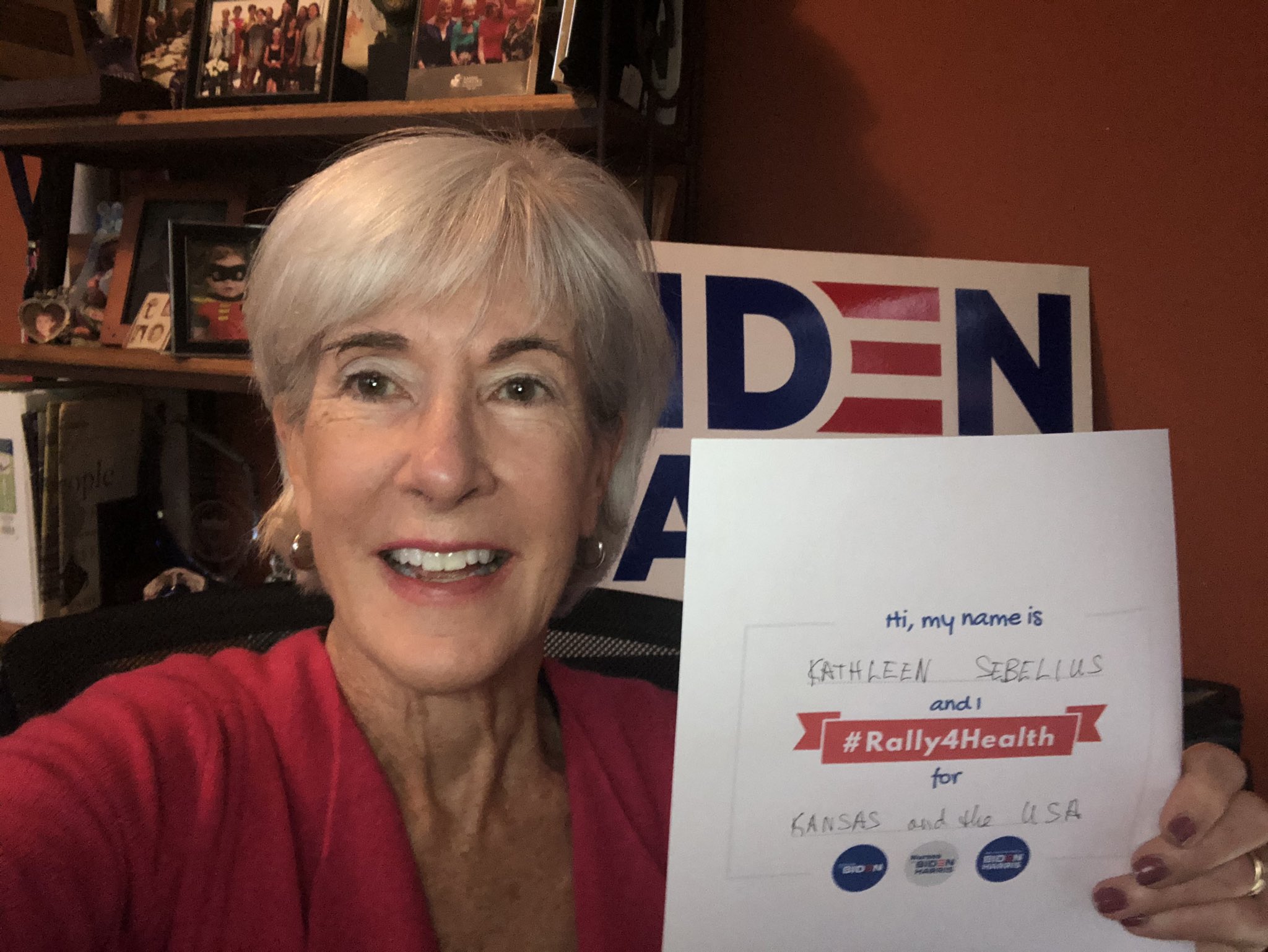
There are many examples of violations of the act. One notable case during President Barack Obama’s administration was the then Health and Human Services Secretary Sebelius Kathleen Sebelius’s politically charged remarks at the Human Rights Campaign Gala in 2012.
The Office of Special Counsel (OSC) found Sebelius in violation of the act by using her official title and government resources for political purposes.
Another Example in Recent Years

There are many cases of federal employees violating the Hatch Act, with many violations from recent administrations still undergoing investigations. From untimely Tweets to news statements, the act can be violated quite easily these days. A recent case, in November 2022, shows how easily the act can be violated.
Karine Jean-Pierre broke the law by mentioning “mega MAGA Republicans” during midterm election campaigns. According to a letter from the OCS, Jean-Pierre violated the act prohibition by influencing the result of an election with the statement she made.
Other New Deal Laws That Still Exist
Many New Deal programs that helped shape American life and pull the country out of the Great Depression remain active today. Some programs and laws that exist today are the Social Security Administration, unemployment insurance, and the National Labor Relations Act.
There are many more acts and programs created to help protect Americans, specifically the public from being persuaded by ideas of those with power. This is why these programs are still upheld today.